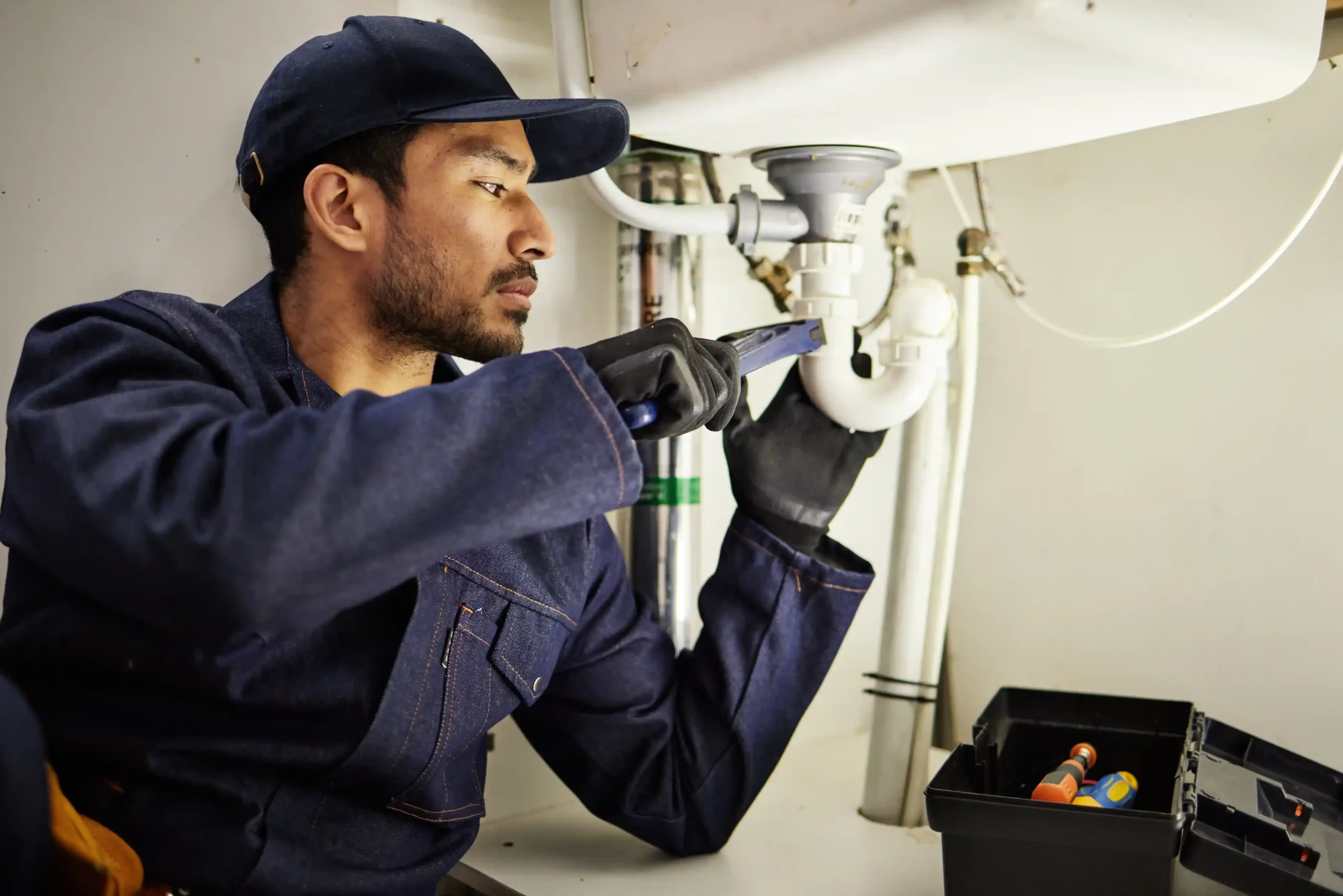
When you’re enjoying life in Kenmore, the last thing you want is a surprise flood in your bathroom or a geyser in the yard. A tiny drip here or a slow-moving clog there can quickly snowball into a plumbing nightmare. I remember joking with friends that a single loose faucet turned our guest bathroom into a mini raincloud over the laundry next door. Yikes. The good news is that every homeowner can nip these small problems in the bud before they become catastrophes.
Preventative maintenance is the name of the game. Think of your home’s pipes like a fine-tuned engine – a bit of care now means smooth sailing later. In Kenmore, with its mix of older homes and fresh rainstorms, staying on top of plumbing issues is especially smart. Whether you’re doing a quick self-check or calling a licensed plumbing expert in Brisbane, keeping an eye (and ear) on your system can save you heaps of trouble and money down the line. Let’s dive into some practical Kenmore plumbing tips that combine DIY fixes with knowing when to call in reinforcements.
Routine Checks: Stay Ahead of Kenmore Plumbing Issues
The simplest step is often the most effective: inspect your plumbing regularly. Once every few months, grab your phone flashlight and do a quick survey. Look under sinks, around the base of toilets, behind washing machines and near hot water systems. Feel for any damp spots or corrosion on pipes and fittings. Don’t wait for an obvious puddle – just the hint of moisture can signal trouble. That tiny leak above your fridge might seem harmless today, but over time it can rot timber floors and foster hidden mould.
- Listen and Feel: Hissing sounds, dripping noises or cold spots on pipes often mean a leak. If you spot greenish rust stains or mineral deposits around a joint, that’s a leak in slow motion. Catch it now!
- Test Your Drains: Pour a bucket of water down each drain. Do you hear gurgling or see bubbles? If yes, your Kenmore drains might be signalling a clog building up.
- Check Water Pressure: Low pressure at one tap only? Try removing and cleaning the aerator screen on that tap – mineral buildup is common. Low pressure everywhere could mean a hidden leak or a valve issue on the main line.
In fact, the Australian government’s Your Home website recommends developing an annual schedule to check and maintain your entire home (inside and out). It’s a smart move: an annual plumbing tune-up (even a simple self-check) can catch issues early. Like the old adage goes, “A stitch in time saves nine.” Here’s a simple table to illustrate the payoff of quick fixes versus ignored leaks:
| Minor Issue | Easy Fix | What Ignoring It Can Lead To |
|---|---|---|
| Dripping Tap | Replace the washer or cartridge | Hundreds of wasted litres, mould, higher bills |
| Slow Drain | Plunge or snake the blockage | Overflowing sink, foul odours, pipe damage |
| Running Toilet | Adjust/replace the flapper or chain | Water wastage, sky-high bills, stress on septic |
| Low Water Pressure | Clean showerhead or aerator | Poor showers, hidden leaks, pumping issues |
| Damp Spot on Wall | Tighten a joint or seal a pipe | Rotting wall, structural damage, mildew |
These quick interventions are like giving your plumbing a health check. Each small repair delays or prevents a major “oops” moment. Make it a habit, and you’ll thank yourself – and so will your wallet.
Fixing Leaks: DIY Tips and When to Call Specialists
Ever noticed how a tiny drop turns into a river when ignored? A dripping tap can waste over 10,000 litres of water a year if left unfixed. That’s enough to fill a bathtub every week! Even worse, a leak hidden behind a wall or under the floor can silently soak wood and plaster until BAM – a flood. In Kenmore’s climate, where summer storms can already raise humidity, these unseen drips are like stealthy saboteurs.
If it’s a visible faucet or hose connection, you might fix it yourself. Turn off the water supply under the tap (those little valves under sinks exist for a reason). Swap out worn washers or seals – these tiny rubber pieces are usually cheap. Reassemble, and see if the drip stops. Often it does, and you pat yourself on the back. But some leaks are sneaky. Pressurized pipes or leaks behind tiles need more muscle.
- DIY quick fix: Use plumber’s tape (Teflon tape) on threaded fittings and re-tighten joints. Many leaks come from a loose connection.
- Invisible leaks: If moisture keeps appearing and you can’t find the source, it might be time to call leak detection specialists. These pros use sensors and cameras to find hidden leaks before they ruin your walls.
Remember, even if you solve a quick drip, always double-check that nothing else is lurking. I once replaced a washer under our kitchen sink and saw no drip – then noticed the mirror had a water spot (an unrelated old leak I had forgotten about). Lesson learned: check every corner!
Clearing Clogs: Kenmore Blocked Drains Solutions
Nobody likes a slow-moving drain. In Kenmore homes, kitchen grease or kids’ shower hair clogs are pretty common. The best approach? Prevention and quick action. Pour a small amount of boiling water or a baking soda–vinegar mix down kitchen sink drains once a month to keep grease moving. Install a metal grate over your shower or tub to catch hair. Let food scraps go in the bin, not the disposal or drain.
When drains do block, stay calm. Most everyday clogs have easy fixes:
- Plunger Power: The trusty plunger is your first weapon. Use a flat-bottom sink plunger on sinks and a flange plunger on toilets. A few firm plunges can often dislodge a tough clog.
- Manual Snake or Auger: If the plunger fails, a handheld drain snake can reach deeper blockages. Feed it down the drain and twist; it pulls out hair or muck like a fishing rod.
- Natural Cleaner: For drains that aren’t completely blocked, sprinkle in baking soda, then pour vinegar, cover the drain, and wait. The fizzing action helps dissolve gunk. Finish with hot water.
For deeper or recurring problems, though, professional intervention is wise. Blocked drains solutions offered by plumbers—like high-pressure jetting or video inspections—can clear and locate stubborn blockages without tearing up your kitchen. If tree roots have invaded your sewer line or pipes are old and cracked, the plumber might suggest re-lining the pipe or even a replacement. Sometimes that means calling in excavation services to dig and replace a big chunk of pipe. Yes, it sounds dramatic, but it’s often necessary for a one-time fix that lasts for years.
Remember: don’t pour harsh chemicals down your drains; they can corrode pipes and hurt the environment. Stick to gentle methods first, and be ready to get help from your local Kenmore plumbing emergency service if needed.
Water Pressure and Appliances: Keeping Things Flowing
One day you might step into a nice hot shower, and the next you’re hit with a trickle. Low or fluctuating water pressure is annoying, but usually fixable. Often the culprit is limescale or rust: mineral deposits gunk up showerheads, tap aerators, or restrict pipe flow. Take off the aerator (the screen at the end of the tap) once in a while and give it a soak in vinegar. Same for showerheads. You’d be surprised how much better things flow after cleaning out those little holes.
Also, in multi-storey homes, high demand (running many taps at once) can cause pressure dips. If pressure is low everywhere even at low demand, check the main shutoff valve (it should be fully open). If that’s fine, there may be a leak or an issue with the municipal supply. At that point, reaching out to a Kenmore Plumbing expert can save you from guessing games and wasted water. You might hear weird water hammer sounds or rattles – clues that it’s time to call a pro.
Watch your appliances too. Modern washing machines and dishwashers use hot water, and their hoses can leak or burst after years of use. Replace those flexible hoses every 5–10 years, and always check for cracks. It’s cheap insurance against a laundry flood.
Seasonal Tips for Kenmore Homes
Kenmore’s subtropical climate means heavy rainfalls in summer and occasional storms. Gutter and roof maintenance is part of plumbing care too. Blocked gutters can overflow and saturate walls or basement areas. Clean gutters regularly and ensure downpipes clear to the stormwater drains. If you have a rainwater tank (a popular way to save water around Brisbane), clean its first-flush filter and check the pump operation before the rainy season.
In winter, freezing is rare here, but if a cold snap is forecast (remember that surprise frost a few years back?), leave a trickle of hot water running overnight. A slow flow helps prevent pipes from splitting. Always have the emergency plumbing service number handy in case of after-hours leaks. Having a licensed plumber’s contact is like insurance – when a pipe bursts at 2 am, you want help fast, not panic.
When to Call the Pros: Kenmore Plumbing Help
Sometimes, despite your best efforts, a problem needs a pro. If a toilet is flooding, a main pipe bursts, or sewage is bubbling up, immediately switch off the water at the mains and call a licensed plumber. These folks are your safety net – they bring high-pressure jetters, leak-finding cameras, and expertise to handle real mess-makers.

Even for less dramatic issues, hiring a professional ensures the job meets Australian standards. Licensed plumbers in Kenmore have seen it all: from camera-inspecting your drain to installing backflow prevention devices. They can diagnose if that mysterious wet patch is just a loose washer or if tree roots are munching on your pipes far away.
On big projects (say, renovating a bathroom or installing a new sewer line), you might hear about trenching or excavation services. Yes, heavy machinery might come to your street. But sometimes that’s necessary for replacing a buried pipe properly. It sounds extreme, but imagine trying to snake a ten-year-old clay drain packed with roots. Often a one-time dig-and-replace is the most cost-effective, long-lasting solution.
At the end of the day, plumbing is a tag-team effort. You handle preventive checks and small fixes, and Kenmore’s plumbing professionals jump in when things get too deep. Together, you’ll keep those minor issues from ever turning into catastrophic disasters.
Conclusion
Minor plumbing headaches might feel like tiny pebbles in your shoe – annoying but ignorable. But left unattended, they can grind away at your day until a sudden yelp (and a much bigger problem) emerges. By staying vigilant with your Kenmore plumbing system – doing regular checks, tackling drips with a twist of a wrench, and not hesitating to call in experts – you can keep small issues small. Your home will thank you with fewer emergency calls, lower bills, and stress-free showers.
Water is essential, but it shouldn’t be a surprise attack. So the next time you notice that drip or dread hearing water running for no reason, remember: early action is your best tool. Give yourself a pat on the back for catching it early, and maybe share your success story with a neighbour. Let’s help our Kenmore community stay dry, happy, and in the flow.
FAQ
How often should I inspect my home’s plumbing?
Quick visual checks every few months are great. Also do a thorough review at least once a year (basically an annual Kenmore plumbing health check).
What should I do if I hear a leak but can’t see it?
Try the water meter trick: turn all water off and see if the meter moves. Or call a leak detection specialist if it’s stubborn.
What qualifies as a plumbing emergency?
Burst pipes, sewage backup, or any uncontrolled water flow (like a flooding toilet) are emergencies. Call an emergency plumbing service immediately.
Does Kenmore plumbing law require a licensed plumber?
Yes, in Australia most plumbing work must be done by a licensed pro to meet safety standards. It’s also usually required for insurance claims.
Why is my water pressure dropping suddenly?
Could be sediment in the meter or a partially closed valve. Turn off appliances and test one tap at a time. If it’s still low, ask a plumber to inspect pipes or the council supply line.