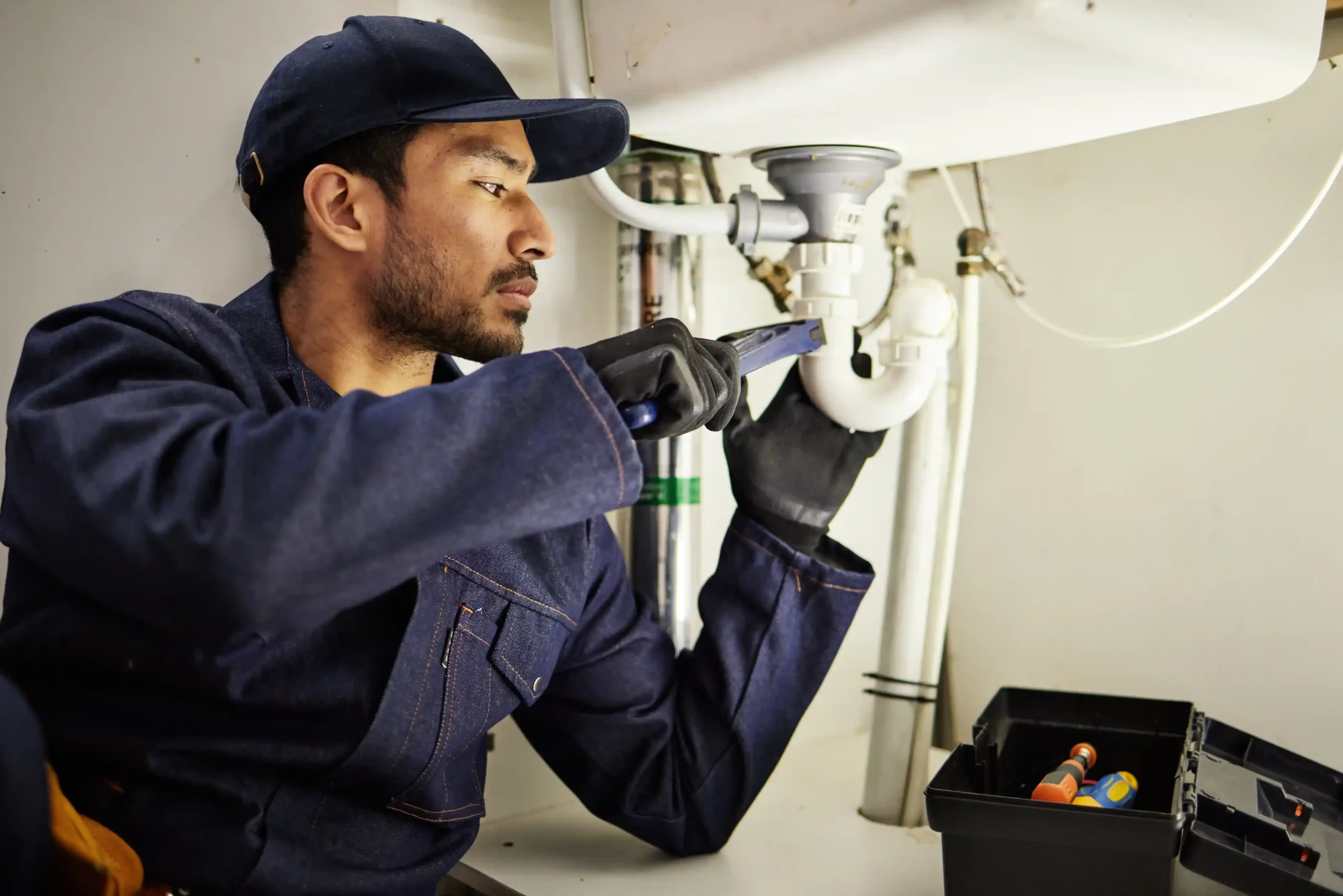
It usually starts with a sound you cannot quite place. There may be water running somewhere in the house, a strange gurgling from the bathroom, or a damp patch that was not there earlier in the evening. Then you discover the problem: a leaking pipe, overflowing toilet or drain that has stopped working altogether. At night, even a familiar plumbing issue can suddenly feel like a major crisis.
The good news is that not every problem needs an emergency call-out. The important thing is knowing which situations can wait and which ones need attention before morning. A small leak that can be isolated is very different from a burst pipe releasing water across a floor. Understanding that difference helps you react sensibly instead of making a rushed decision.
For households around Brisbane, this is especially useful because plumbing emergencies do not conveniently wait for business hours. Knowing where the main water shut-off valve is, recognizing signs of a serious leak and understanding when to seek professional help can prevent a difficult night from becoming a costly repair.
Why Night-Time Plumbing Problems Feel More Serious
There is something unsettling about dealing with water damage when most of the neighbourhood is asleep. During the day, it is easier to find a tradesperson, buy a replacement part or ask someone for assistance. At midnight, those options are less convenient.
The timing itself, however, does not determine whether a problem is an emergency. What matters is what the plumbing fault is doing to the property.
A dripping tap may be annoying but relatively harmless for a few hours. Water running continuously from a broken pipe is another matter. Likewise, a slow drain can normally wait if it is still usable and there is no backup. Sewage appearing in a bathroom should never be treated in the same way.
The key question is simple: will leaving the problem alone until morning create more damage or a safety concern?
Plumbing Emergencies That Should Not Be Ignored
Some situations are difficult to mistake for ordinary maintenance. A burst water pipe is an obvious example. If the pipe is connected to the mains supply, water may continue entering the property until the supply is isolated.
A major internal leak deserves similar attention. Water behind a wall, beneath flooring or inside a ceiling can cause damage that is not immediately visible. By the time staining becomes obvious, moisture may already have travelled beyond the original leak.
Drainage problems can also become serious. A blocked toilet that is overflowing, or several fixtures backing up together, may indicate a larger obstruction in the drainage line.
Sewage backup is another situation where waiting is rarely sensible. Apart from the risk of property damage, contact with contaminated wastewater creates hygiene concerns.
Signs That the Situation Needs Attention Now
It is easy to underestimate a plumbing fault when you are trying to decide whether to call someone after hours. Looking at the symptoms rather than the inconvenience can make the decision clearer.
Warning signs to watch for
- Water continues flowing after every visible tap has been turned off.
- A pipe has split, cracked or become disconnected.
- Water is spreading across flooring or coming through a ceiling.
- Wastewater is returning through a toilet, shower or floor drain.
- Several drains stop working at approximately the same time.
- A leaking appliance connection cannot be isolated.
- Water has reached an area containing electrical equipment.
- A plumbing fault is causing an immediate sanitation or property-damage concern.
These signs do not tell you exactly what has failed. They do tell you that the consequences of waiting could be greater than the inconvenience of arranging an urgent inspection.
First Steps to Take During an Emergency
Before trying to repair anything, stop and think about what can safely be controlled.
If water is escaping from a fixture with its own isolation valve, turning that valve off may stop the flow. If the source is unclear or the leak is connected to the main supply, the property’s main water valve may need to be shut off.
Do not start dismantling pipes simply because the problem looks straightforward. A connection that appears loose may be under pressure, and forcing the wrong fitting can make the leak considerably worse.
Once the water is under control, move furniture, boxes and other belongings away from the affected area. If water has reached electrical equipment or outlets, keep away from the area rather than attempting to retrieve possessions.
The aim at this stage is not to complete the repair. It is to limit the consequences until the problem can be properly assessed.
When a plumbing problem requires professional attention, it is important to use an appropriately licensed tradesperson. The Queensland Building and Construction Commission (QBCC) explains that regulated plumbing and drainage work in Queensland must generally be carried out by a licensed plumber or drainer, with regulated work covering tasks such as repairing pipes, unblocking drainage and installing or repairing water heaters. Homeowners can also use the QBCC’s registers to check licensing details before engaging a contractor.
When a 24 Hour Plumbing Service Is Useful
A 24 hour plumbing service gives property owners an option when an urgent plumbing fault occurs outside ordinary business hours. That availability can matter when waiting several hours could mean continued flooding, worsening water damage or loss of an essential facility.
Emergency assistance is commonly considered for burst pipes, substantial leaks, overflowing toilets, sewage problems and serious drainage blockages.
There is an important distinction between emergency response and a full repair. A plumber may first stop the water, clear the immediate obstruction or make a damaged section safe. If a replacement component is unavailable at night, a permanent repair might need to be completed later.
That does not make the first visit unnecessary. Preventing several additional hours of water loss can be just as important as replacing the failed component.
A Quick Guide to Different Plumbing Problems
The following guide can help put common situations into perspective.
| Plumbing problem | What could happen if ignored | Immediate step | Suitable response |
|---|---|---|---|
| Burst pipe | Flooding and structural or material damage | Shut off water if safe | Urgent professional assistance |
| Uncontrolled leak | Damage to floors, walls or cabinetry | Isolate the source | Prompt inspection |
| Sewage backup | Contamination and property damage | Stop using affected fixtures | Emergency assistance |
| Overflowing toilet | Wastewater spreading through the bathroom | Stop flushing | Prompt plumbing help |
| Multiple blocked drains | Possible deeper drainage obstruction | Reduce water use | Professional assessment |
| No hot water | Loss of an essential household service | Check basic controls safely | Arrange inspection |
| Slow single drain | Usually limited immediate damage | Limit use and monitor | Routine appointment if stable |
| Dripping tap | Water wastage and gradual wear | Isolate if possible | Planned repair |
This is only a practical guide. The circumstances around the problem matter. A slow drain in an otherwise functioning bathroom is not the same as a drain that suddenly starts pushing wastewater back into the room.
Why Small Leaks Can Become Expensive
Water is deceptive. A leak does not have to look dramatic to cause damage.
A connection beneath a kitchen sink, for example, might release only a modest amount of water at first. If nobody notices it for several hours, moisture can soak into the cabinet base. Flooring underneath may also be affected.
Leaks inside walls are harder to spot. You might notice a stain, bubbling paint or a musty smell before you can identify where the water is coming from. Continuing to ignore those signs gives moisture more time to spread.
This is one reason prompt attention matters. The cost of dealing with a plumbing fault is not always limited to the failed pipe, valve or fitting. The surrounding damage can become the larger part of the problem.
Blocked Drains Need More Than a Quick Fix Sometimes
A drain that empties slowly is easy to dismiss. People often reach for a plunger, hot water or a store-bought drain product and move on.
That may work for a simple obstruction near the drain opening. It will not necessarily solve a blockage deeper in the system.
Repeated blockages are worth investigating. If the same drain keeps slowing down after being cleared, there may be an underlying issue involving buildup, damaged pipework, tree roots or another obstruction.
The situation becomes more urgent when several fixtures are affected. When a toilet, shower and basin begin backing up together, the problem may be further along the drainage network.
Hot Water Problems After Dark
A lack of hot water is frustrating, but it does not automatically qualify as an emergency. If the system simply stops heating and there is no sign of a leak or other hazard, an inspection during normal hours may be reasonable.
The situation changes if the unit is leaking heavily, producing unusual smells, making abnormal noises or creating another obvious safety concern. In those circumstances, avoid interfering with the system and seek professional advice.
Do not remove covers or attempt electrical work on a hot water system without the appropriate qualifications. A problem that looks like a simple reset may have another cause.
How to Avoid Making Plumbing Emergencies Worse
Panic tends to produce quick decisions, and quick decisions are not always helpful around pressurised water systems.
If a toilet is blocked, stop flushing it. If a drain is backing up, reduce water use throughout the property until the cause is understood. If a pipe is leaking, isolate the supply if you know how to do so safely.
Avoid pouring large amounts of chemical drain cleaner into a system simply because the first attempt did not work. Mixing different products can create dangerous reactions, while repeated chemical treatment does not address a damaged or severely obstructed pipe.
The safest temporary repair is often no repair at all. Control what you can, keep the area safe and allow a qualified professional to diagnose the actual fault.
Preventing Plumbing Problems Before They Become Emergencies
The best time to notice a plumbing problem is before it becomes urgent.
Pay attention to changes that happen gradually. A drain taking longer to empty, a toilet that behaves differently, unexplained dampness beneath a sink or a sudden change in water pressure can all justify further investigation.
Flexible hoses deserve occasional attention too. If a hose looks cracked, swollen or badly worn, it should not be ignored simply because it has not failed yet.
It is also useful to know where the main water isolation valve is located. During a burst pipe, spending ten minutes searching for the valve can mean ten more minutes of uncontrolled water.
Why Local Knowledge Can Matter
Plumbing systems vary between properties. Older homes may have different pipework from newer buildings, and drainage layouts can differ from one property to another.
For residents around Kenmore, Pinjarra Hills, Indooroopilly and other West Brisbane suburbs, local plumbing support can be particularly useful when an urgent problem develops. A professional who regularly works in the area may already be familiar with the types of residential and commercial plumbing issues encountered across those suburbs.
Speed is useful, but proper diagnosis matters just as much. Clearing the visible symptom without finding the cause can leave the same problem waiting to return.
What Information to Give When Calling for Help
A clear description of the problem can save time. You do not need to know the technical name of the failed component. Simply describe what you can see.
Explain where the problem is, whether water is still flowing, whether you have turned off the supply and whether other fixtures are affected.
For example, “the bathroom drain is blocked” is less informative than “the shower and basin are backing up, and the toilet is draining slowly as well.”
If you noticed the problem after heavy rain, unusual water use or another plumbing incident, mention that too. Small details can help a plumber understand the situation before arriving.
Deciding Whether to Wait Until Morning
There are situations where waiting is reasonable. A minor tap drip, isolated slow drain or fixture that has been safely shut off may not justify an emergency response.
The important part is keeping an eye on the situation.
If water begins spreading, the blockage worsens, several fixtures become affected or wastewater appears, the circumstances have changed. What seemed manageable earlier may now require urgent attention.
It is better to reassess the situation than to assume that because the original problem was minor, it will remain that way throughout the night.
Conclusion
Plumbing emergencies can happen without warning, but knowing what to do makes them much easier to manage. Shut off the water when it is safe, stop using affected fixtures, keep away from electrical hazards and avoid attempting repairs that could make the situation worse.
A 24 hour plumbing service can be valuable when a burst pipe, major leak, sewage backup or severe blockage cannot safely wait until morning. Quick professional attention can help contain the problem and reduce the chance of additional property damage.
If you are dealing with plumbing emergencies anywhere around Brisbane and need urgent assistance, Asflow is available to help. Contact Asflow today to explain the issue and arrange professional plumbing support before a late-night problem becomes a larger repair.
FAQs
1. What plumbing problems usually require emergency assistance?
Burst pipes, uncontrolled leaks, sewage backups, overflowing toilets and severe blockages are common examples. The main consideration is whether delaying the repair could result in property damage, contamination or a safety concern.
2. Is every blocked drain an emergency?
No. A single slow drain may be suitable for a routine appointment. A completely blocked drain, wastewater backup or blockage affecting several fixtures can be considerably more urgent.
3. What should I do if a pipe bursts at night?
If it is safe, shut off the main water supply or the relevant isolation valve. Keep people away from unsafe areas, protect belongings where possible and arrange professional assistance.
4. Can I use drain chemicals during a plumbing emergency?
Chemical products may not solve the underlying cause of a serious blockage and can create additional hazards when used incorrectly. Avoid mixing products and seek professional advice if the blockage persists.
5. How can I reduce the risk of after-hours plumbing problems?
Regularly check visible pipes, flexible hoses, taps and drainage points. Take recurring leaks or blockages seriously, and make sure everyone in the household knows where the main water isolation valve is located.