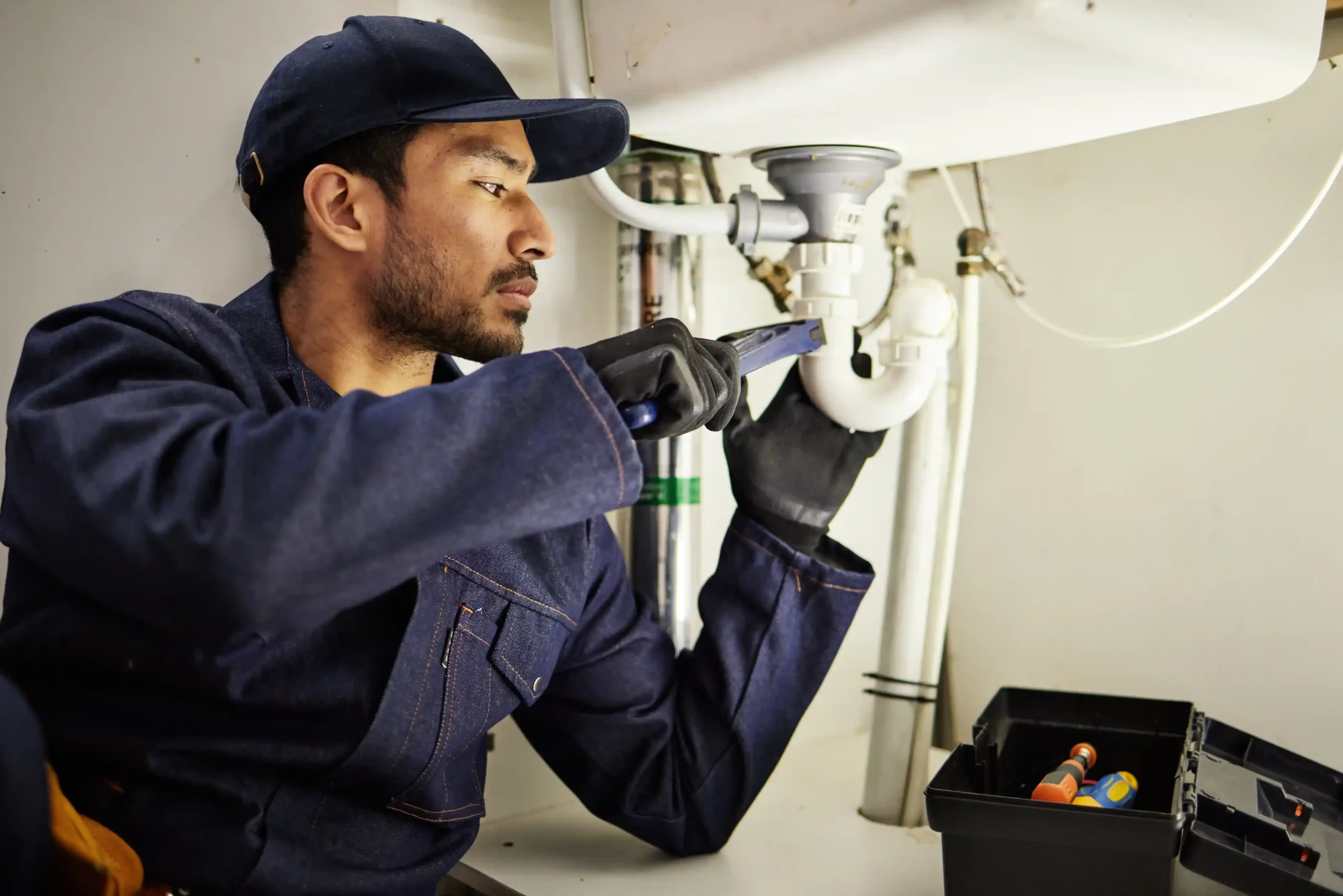
A blocked drain rarely arrives at a convenient time. You might notice the shower taking longer to empty before work, hear a strange gurgling noise after flushing the toilet, or find dirty water sitting around an outdoor drain after rain. At first, it can seem like a small household nuisance. The temptation is to ignore it and hope normal water flow returns.
Unfortunately, drainage problems often become harder to deal with when they are left unattended. A blockage can sit deep inside a pipe, collect more debris and eventually stop wastewater from moving altogether. In some cases, the visible symptom is nowhere near the actual cause.
That is why knowing when to contact a blocked drains plumber can make a real difference. Professional help is not always about responding to a dramatic plumbing emergency. It can also mean investigating a recurring problem before it turns into property damage, unpleasant odours or sewage overflow.
For homeowners looking for information about blocked drains and plumbing maintenance, the ASFlow home page provides further information about plumbing services across Brisbane.
What Causes a Blocked Drain?
There is rarely one single cause behind every blocked drain. The problem depends on the type of pipe, where it is located and what has entered the drainage system over time.
Kitchen drains commonly collect grease, cooking oil, food particles and other residue. These materials can stick to the inside of pipes and gradually narrow the passage available for wastewater. A sink may continue draining for weeks before the restriction becomes obvious.
Bathroom drains have a different set of problems. Hair, soap residue and personal-care products can combine into a stubborn mass. Toilets can become blocked when unsuitable materials are flushed, particularly products that do not break down easily in water.
Outdoor drainage can also develop problems. Leaves, soil, garden debris and tree roots may interfere with underground pipes or stormwater pathways. Tree roots are especially troublesome because they can enter small cracks or joints and continue growing inside the pipe.
A professional drainage inspection can help determine whether the issue is a simple obstruction or something more serious, such as damaged pipework.
Warning Signs You Should Not Ignore
Most serious blockages provide clues before they become a complete obstruction. The problem is that these clues are easy to dismiss when the household still has running water.
A slow drain is one of the most common signs. If water takes noticeably longer to disappear from a sink, shower or bath, something may already be restricting the pipe.
Unpleasant smells are another warning. Stagnant water, trapped organic matter and waste buildup can produce odours that become stronger as the blockage develops.
Gurgling sounds should also get your attention. When air struggles to move through a partially blocked drainage line, you may hear bubbling or unusual noises from toilets and sinks.
If several fixtures start draining slowly at the same time, the problem may be further down the drainage line rather than inside one fixture.
Quick warning signs to watch for
- Water draining more slowly than usual
- Gurgling from toilets, sinks or floor drains
- Persistent unpleasant drain smells
- Water backing up after using another fixture
- Repeated blockages in the same location
- Wet patches or pooling around outdoor drains
- Wastewater appearing where it should not
These symptoms do not always mean you need emergency assistance. However, repeated or worsening signs deserve proper attention rather than another temporary fix.
When Should You Call a Blocked Drains Plumber?
There is no need to panic every time a sink drains slowly. A minor surface blockage may sometimes be removed using a suitable plunger or by cleaning the drain strainer.
The situation changes when basic measures do not solve the problem.
If the same drain keeps blocking, the obstruction may be deeper inside the pipe. Similarly, if several fixtures are affected, the issue could involve a shared drainage line or sewer connection.
Professional assistance becomes particularly important when wastewater backs up into showers, toilets or floor drains. Sewage-related problems should not be treated as ordinary household maintenance because contaminated water can create hygiene concerns.
Brisbane City Council advises residents to avoid contact with raw sewage during an overflow and states that a licensed plumber should be contacted when the issue is on private property.
How Professionals Find the Actual Blockage
One of the biggest advantages of hiring a blocked drains plumber is access to equipment that can reveal what is happening inside the drainage system.
A CCTV drain inspection is one useful example. A small camera can travel through the pipe and provide a view of internal conditions. This can help identify tree roots, cracks, accumulated debris, displaced sections and other obstructions.
Finding the location first can prevent unnecessary digging. Instead of guessing where the problem is, the plumber can use the inspection findings to determine the next step.
High-pressure water jetting may then be suitable for certain blockages. It uses pressurised water to break apart and wash away grease, sediment, roots and other buildup. However, the method should be selected according to the condition of the pipe. Forcing high pressure into a damaged line without proper assessment may create additional problems.
The goal should not simply be to make water flow for a few days. The aim is to understand why the blockage occurred and deal with the underlying issue.
Common Drain Problems and Suitable Responses
| Drainage Problem | Common Cause | Warning Sign | Professional Approach |
|---|---|---|---|
| Kitchen sink blockage | Grease, oil and food residue | Slow drainage | Drain cleaning and blockage assessment |
| Shower blockage | Hair and soap buildup | Water pooling around feet | Mechanical clearing or suitable cleaning |
| Toilet blockage | Excess paper or unsuitable items | Poor flushing or rising water | Safe blockage removal and inspection |
| Outdoor drain blockage | Leaves, soil and debris | Surface water pooling | Drain cleaning and flow assessment |
| Recurring blockage | Roots, damaged pipes or buildup | Same drain blocks repeatedly | CCTV inspection and targeted repair |
| Sewer-related blockage | Obstruction in drainage line | Multiple fixtures affected | Drain investigation and professional clearing |
| Tree root intrusion | Root growth through damaged joints | Repeated drainage problems | Inspection, root removal and repair if required |
The right response depends on what the inspection reveals. Clearing a surface obstruction is very different from repairing a cracked underground pipe.
Why Repeated Blockages Are a Bigger Concern
A drain that blocks once may simply have received too much waste. A drain that blocks every few weeks tells a different story.
Repeated problems can indicate a structural issue within the pipe. Tree roots may be growing through damaged joints. A section of pipe may have shifted or collapsed. Grease may have accumulated further along the line than household cleaning can reach.
Simply clearing the same obstruction again and again can become expensive. More importantly, it delays finding the reason behind the problem.
A blocked drains plumber can investigate recurring symptoms and determine whether the drainage system needs cleaning, repair, replacement or further inspection.
This approach is particularly useful for older properties where underground pipework may have experienced years of wear.
DIY Drain Clearing: What Is Safe?
There are a few basic steps homeowners can try when the blockage appears minor.
Start by removing visible debris from the drain opening. If there is a removable strainer, clean it thoroughly. A plunger may also help with a simple local obstruction when used correctly.
However, avoid repeatedly pouring harsh chemical products into a blocked drain. Chemicals may not solve a deep blockage, and they can create safety concerns for anyone who later needs to work on the pipe.
Do not continue using a fixture if wastewater is already backing up. Adding more water can make an overflow worse. When choosing a blocked drains plumber, it is worth checking that the professional is appropriately licensed for the work required. The Queensland Building and Construction Commission’s plumbing guidance explains that regulated plumbing and drainage work in Queensland must be carried out by a licensed plumber or drainer, with unblocking and repairing pipes included among regulated work.
Most importantly, avoid dismantling pipework unnecessarily when you do not know where the blockage is located. A small mistake can turn a straightforward drainage issue into a leak or damaged connection.
If simple measures fail, professional investigation is usually more sensible than trying one household remedy after another.
How to Prevent Blocked Drains
Good drainage maintenance starts with what you allow to enter the pipes.
In the kitchen, scrape food waste into the bin and avoid pouring cooking oil or grease down the sink. Even liquid grease can stick to pipe walls as it cools and eventually contribute to buildup.
In bathrooms, use suitable drain strainers to catch hair and other debris. Clean them regularly rather than allowing material to accumulate.
Toilets should only be used for materials designed to be flushed. Brisbane-area councils warn that items such as wipes, sanitary products and other unsuitable materials can contribute to sewer blockages.
Outdoor drains also deserve attention. Remove leaves and garden debris before they are washed into drainage openings, especially before periods of heavy rainfall.
If a property has mature trees close to underground drainage lines, recurring blockages may justify a professional inspection.
Bulletin: Simple Drain Habits That Can Prevent Bigger Problems
Keep grease out: Allow cooking fats and oils to cool before disposing of them appropriately rather than pouring them into the sink.
Use drain strainers: A simple strainer can catch hair, food particles and larger debris before they enter the pipe.
Pay attention to slow drainage: A slow drain is often an early warning rather than something to ignore.
Do not flush unsuitable items: Toilet paper is designed to break down in water; many wipes and sanitary products are not.
Watch outdoor drains: Clear leaves and soil from grates before they become part of a larger blockage.
Investigate recurring problems: If the same drain blocks repeatedly, look for an underlying cause instead of relying on temporary clearing.
What Happens During Professional Drain Clearing?
The process can vary depending on the property and the location of the blockage, but a good service normally begins with an assessment.
The plumber may ask when the problem started, which fixtures are affected and whether the drain has blocked previously. These details can help narrow down the likely location.
The next step may involve testing the drainage system or using inspection equipment. If CCTV is required, the camera can provide a clearer picture of what is happening inside the pipe.
Once the cause is understood, the appropriate clearing method can be selected. This could involve mechanical equipment, high-pressure water cleaning or another method suited to the pipe and obstruction.
If the inspection reveals damaged pipework, further drainage repairs may be necessary. In some situations, pipe relining, excavation or replacement may be considered depending on the severity and location of the damage.
The blocked drain service page explains the types of drainage investigation and cleaning equipment available for blocked drains.
Why Fast Action Can Save Money
It is understandable to postpone plumbing work when the drain still appears usable. Nobody wants to spend money fixing something that seems only slightly inconvenient.
The problem is that a small restriction can gradually become a complete blockage. Continued pressure, trapped water and repeated overflow can increase the scale of the repair.
Early investigation can sometimes mean a simpler cleaning job instead of a larger repair. It can also help identify damaged sections before they fail completely.
There is no guarantee that early attention will eliminate every future repair cost, but dealing with warning signs promptly generally gives homeowners more information and more options.
Choosing the Right Professional
When searching for a blocked drains plumber, look beyond how quickly someone promises to clear the pipe.
Ask whether they can investigate the cause of recurring blockages. Find out what equipment may be used and whether the quote explains the work clearly.
Experience with CCTV drain inspections, hydro jetting, drain repairs and underground drainage problems can be useful when the blockage is not straightforward.
It is also worth checking whether the plumber is appropriately licensed for the work required. Brisbane City Council notes that some plumbing and drainage work must be carried out by a licensed plumber, including minor work such as unblocking sanitary plumbing or drainage.
Clear communication matters too. You should understand what has been found, what needs to be done and whether further repair work is recommended.
Final Thoughts
A blocked drain may start with nothing more than a slow sink or an unusual smell, but those small signs should not be brushed aside indefinitely. Paying attention early can help prevent a messy overflow and make it easier to identify the actual cause.
A reliable blocked drains plumber should do more than force water through a pipe. The better approach is to investigate the blockage, choose an appropriate clearing method and determine whether an underlying drainage problem needs attention.
Simple habits also go a long way. Keep grease, food scraps and unsuitable materials out of drains, clean strainers regularly and monitor drains that repeatedly become slow.
If you need professional assistance with blocked drains, inspections or drainage repairs, ASFlow Plumbing can be contacted through the contact page to discuss the problem and arrange suitable assistance.
Frequently Asked Questions
1. What is the most common cause of blocked drains?
Common causes include grease, food waste, hair, soap residue, unsuitable flushed materials, tree roots, sediment and damaged pipes. The cause depends on where the blockage occurs and the condition of the drainage system.
2. How do I know if I need a blocked drains plumber?
Consider professional help when a drain remains blocked after basic clearing, repeatedly becomes blocked, affects several fixtures or causes wastewater to back up. These signs can indicate a deeper drainage problem.
3. Can CCTV find a blockage inside an underground pipe?
Yes. CCTV drain inspection equipment can provide a view inside many drainage pipes. It may help locate an obstruction and identify problems such as root intrusion, cracks, buildup or damaged sections.
4. Is a blocked drain an emergency?
Not every blockage is an emergency. However, sewage backup, overflowing wastewater, flooding or several affected fixtures can require urgent attention. Avoid contact with raw sewage and seek appropriate professional or council assistance.
5. How can I prevent blocked drains at home?
Keep grease and food waste out of kitchen drains, use strainers in bathrooms, avoid flushing unsuitable products and regularly clear outdoor drain grates. If the same drain repeatedly blocks, arrange an inspection to identify the underlying cause.