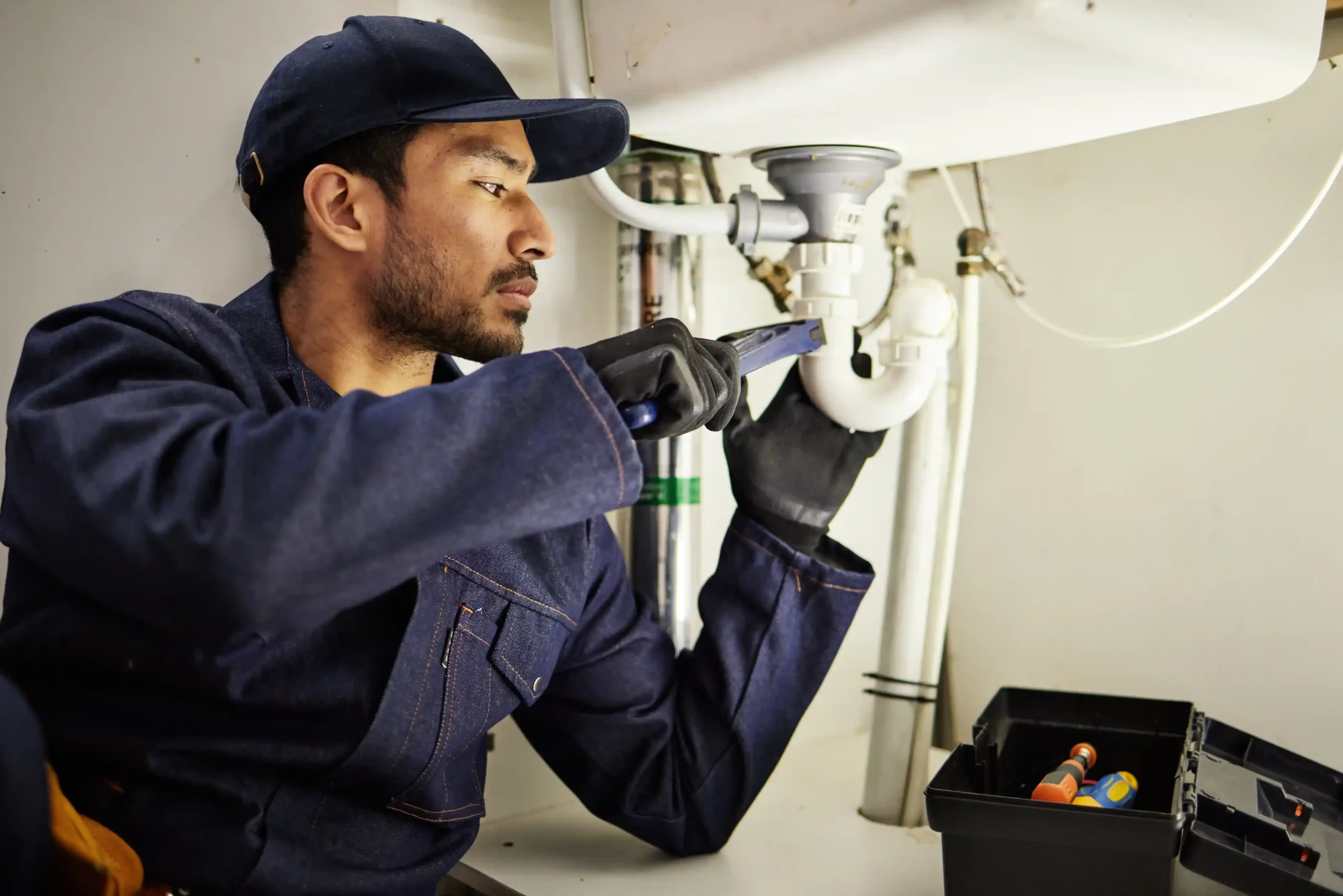
A drain usually gets your attention when you are already busy. You are rinsing plates after dinner, and the kitchen sink starts filling up. Or you step out of the shower and notice the water is still sitting around your feet. It is tempting to reach for the first product under the sink and hope for the best, but that can make some blockages harder to deal with.
Fast Drain Unblocking starts with working out what is stopping the water. A wad of hair near a shower grate is not the same problem as grease packed into a kitchen pipe or roots pushing into an underground drain. The solution needs to fit the cause.
This guide looks at the common reasons drains clog, what you can safely try at home, when a plumber is the better option and how to reduce the chances of another blockage.
Why drains become blocked
Kitchen sinks collect more than people realise. Small food scraps slip past the strainer, cooking oil coats the pipe and detergent leaves residue behind. Grease is especially troublesome because it can cool and cling to the pipe wall. More debris sticks to it, and the opening gradually narrows.
In bathrooms, hair is often the starting point. It tangles around the drain cover and catches soap residue, creating a stubborn clump. A shower may still drain, just slowly enough that you notice a puddle forming before you finish washing.
Outdoor drains face different conditions. Leaves, soil and garden waste can gather over the grate, particularly after windy weather or heavy rain. If roots find a crack or loose joint in an underground pipe, they can grow into the space and trap passing debris.
Other causes include wipes and sanitary items flushed down toilets, too much paper, mineral build-up and pipes that have shifted or cracked.
Signs the problem is getting worse
Most drains give a warning before they stop working altogether. Water taking longer to disappear is the obvious one, but it is not the only clue.
Listen for gurgling after a toilet flush or when a sink empties. The sound can mean air is moving around a restriction. A persistent unpleasant smell may come from trapped waste, a dry drain trap or a fault elsewhere in the system.
Notice whether more than one fixture is affected. If the shower backs up when the washing machine empties, or a toilet makes water rise in a nearby floor drain, the obstruction may be further along a shared line rather than right beneath one fixture.
Fast Drain Unblocking is worth arranging early when slow drainage keeps returning or several drains start behaving differently. If sewage comes back into the property, water overflows or wastewater spreads across a floor, treat it as urgent and avoid contact with the water.
What you can try safely at home
If only one fixture is slow and there are no signs of a wider backup, begin with the simplest check. Put on gloves and remove hair or debris that is easy to reach around the drain cover. Clean the sink stopper and empty the kitchen strainer. Do not push material deeper into the pipe.
A plunger can help with some small clogs. If a sink has a second bowl or overflow opening, that may need to be covered to maintain suction. Do not use a plunger if you have already poured a corrosive drain cleaner into the fixture; splashing chemical liquid can injure you.
Warm water may loosen a little fresh grease in a kitchen sink, but boiling water is not a safe universal fix. Heat can harm some plastic pipework, seals and fixtures. Chemical drain products also need care. Never mix products, and follow the label exactly.
If the water still will not drain, stop. Repeating the same attempt or forcing a wire into the pipe can turn a manageable clog into a damaged fitting or a more difficult obstruction. If unsure, stop and ask a licensed plumber before trying another method on the same drain.
When to call a plumber
A single slow basin may be manageable at home, but some signs suggest the problem is beyond a simple clean. Call a plumber if several fixtures are affected, water backs up, a toilet repeatedly overflows or the same drain blocks again soon after clearing.
Underground root intrusion and broken pipes are not problems a household plunger can fix. In these cases, clearing the immediate obstruction may restore flow temporarily, but the underlying fault remains. A plumber can check the symptoms and decide whether a closer inspection is needed.
A CCTV drain camera is useful when the cause is hidden. It can show where a blockage sits and may reveal roots, cracks or displaced joints.
You can read about the relevant service on the blocked drains page. If you contact a plumber, explain which fixtures are affected, when the issue began and what you have already tried. Mention any chemical product used, as that affects the precautions needed.
Professional methods for clearing drains
The right tool depends on the type of blockage and the condition of the pipe. There is no single method that suits every property.
High-pressure water jetting
A water jetting machine sends pressurised water through the pipe to remove grease, sludge and certain deposits from the inner surface. It can be useful where material has built up over time. The plumber should assess the pipe first, because damaged or fragile sections may not be suitable for high-pressure cleaning.
Mechanical clearing
Specialist rods or drain-clearing machines can break up or retrieve some obstructions. They may help when a blockage is deeper than a plunger can reach. The equipment needs to be used properly; too much force or the wrong attachment can damage fittings or push debris further along.
CCTV inspection
A small camera travels through the drain and gives the plumber a view inside the pipe. This is particularly useful when the blockage keeps returning, because it can help distinguish a build-up from a structural issue.
Comparing common drain-clearing options
| Method | Often useful for | Advantage | Limitation |
|---|---|---|---|
| Removing visible debris | Hair and scraps near the opening | Easy first step | Does not reach deep clogs |
| Plunger | Small, localised blockages | Low-cost household tool | Not suitable for every drain |
| Mechanical clearing | Certain deeper obstructions | Can break up or retrieve material | Requires the right tool and technique |
| Water jetting | Grease and accumulated deposits | Cleans residue from pipe walls | Pipe condition must be checked first |
| CCTV inspection | Recurring or unexplained problems | Helps locate the cause | Cleaning or repair may still be required |
| Pipe repair | Cracks, displaced joints or root damage | Addresses the underlying defect | The right repair depends on inspection |
Mistakes that can make things worse
When a drain is blocked, it is easy to assume a stronger product or more force will solve it. That is not always true.
- Pouring in several cleaners: Mixing products can create dangerous fumes or cause chemical splashes.
- Keeping the tap running: If the pipe is fully blocked, extra water can spill out of the fixture.
- Pushing tools in blindly: A tool may damage a pipe, catch on a fitting or drive the blockage deeper.
- Ignoring repeat clogs: A recurring problem may point to roots, a damaged pipe or a build-up further along the line.
- Treating sewage as ordinary dirty water: Keep people and pets away from wastewater and avoid direct contact.
If a chemical cleaner has already been used, tell the plumber before they start work. Do not add another product in an attempt to neutralise it.
Everyday habits that help prevent clogs
In the kitchen, scrape plates into the rubbish bin before washing them. Let cooking oil cool in a container and dispose of it with household waste rather than tipping it into the sink. A simple strainer catches scraps that might otherwise slip down the drain.
In the bathroom, use a hair catcher and clean it before the build-up becomes thick. Put wipes, cotton buds, sanitary products and paper towels in the bin. Even items described as flushable can contribute to a blockage in some systems.
Outside, remove leaves from accessible drain grates and look for areas where water regularly pools after rain. Do not cover drainage openings with soil or garden materials. If a drain smells bad or backs up repeatedly, arrange an inspection instead of relying on repeated surface cleaning.
Homeowners should avoid contact with raw sewage and seek appropriate assistance if an overflow occurs. For further guidance, refer to the sewerage and drainage safety advice provided by Brisbane City Council.
When a blocked drain is urgent
A slow sink with no other symptoms can often wait for a booked visit. Sewage coming into the home, multiple fixtures backing up or water spreading across indoor floors is different. These situations can create hygiene risks and damage flooring or belongings.
Stop using affected fixtures and arrange urgent plumbing assistance. Keep children and pets away from contaminated water. Avoid opening sewer inspection points yourself, especially if water may escape suddenly. If water is near electrical equipment, keep clear and seek appropriate emergency help.
Conclusion
A blocked drain does not always need a complicated fix, but it does need the right one. Clearing hair from a cover or using a plunger may help with a small clog. A drain that keeps backing up, affects several fixtures or smells strongly needs a closer look, especially if an underground problem is possible.
AS Flow provides plumbing assistance for blocked drains, with assessment and clearing options suited to the issue. If water is draining slowly or a blockage has returned, visit the AS Flow homepage to learn more, read the blocked drain service details or contact the team to discuss the problem and arrange suitable help.
Frequently asked questions
1. What is the quickest way to clear a blocked drain?
For a minor clog, remove visible debris or try a suitable plunger. If the blockage is deep, keeps returning or affects several fixtures, a plumber may need mechanical equipment or water jetting to clear it safely.
2. Can I unblock a drain without chemicals?
Yes. Clearing accessible hair and debris or using a plunger can help with some small blockages. Avoid forcing tools into the pipe, and stop if the water does not improve or begins backing up.
3. Why does my drain keep blocking?
Grease, hair, foreign objects, tree roots and damaged pipework can all cause repeat blockages. If a drain clogs again soon after cleaning, a plumber may recommend an inspection to identify the cause.
4. Is boiling water safe for blocked drains?
Not always. Boiling water can damage some plastic pipes, seals and fixtures. Warm water may help with a small amount of greasy residue, but it is not a reliable fix for a stubborn blockage.
5. How can I prevent blocked drains at home?
Use sink strainers and shower hair catchers, keep grease out of kitchen drains and flush only human waste and toilet paper. Clear outdoor grates and seek help if the same drain repeatedly slows or backs up.