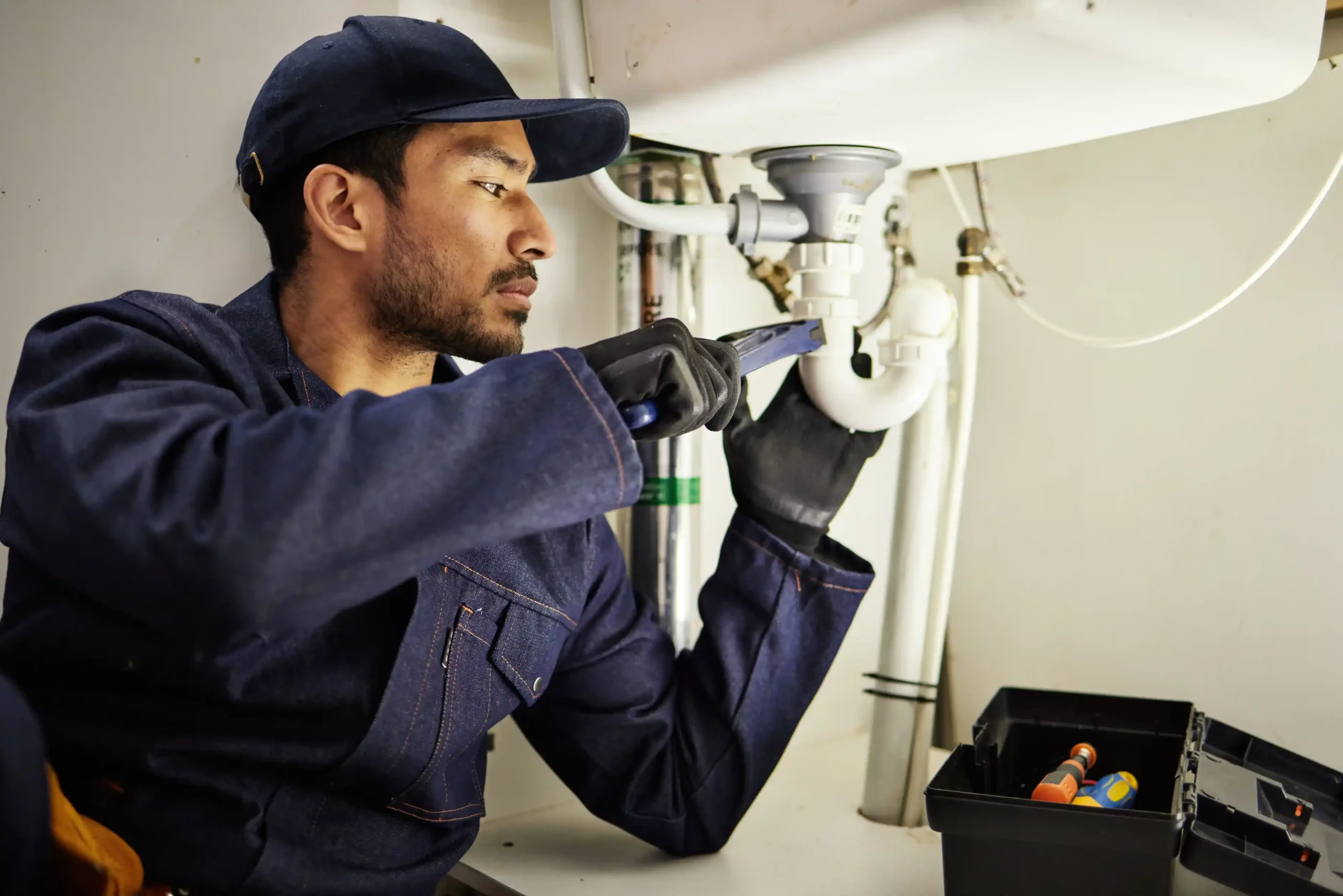
You open your water bill and almost choke on your morning coffee—how did it get so high overnight? In leafy Kenmore (a Brisbane suburb known for its older homes and big gardens), hidden leaks can silently gulp down your hard-earned dollars and Australia’s precious water supply. Living in the driest inhabited continent, wasting water isn’t just bad for your pocket; it’s bad for everyone. But there’s good news: a new breed of highly trained Leak Detection Specialists is on the scene, armed with cutting-edge tech and a mission to save water (and you money), one drip at a time. They’re like plumbing detectives for the digital age, ready to sniff out that sneaky leak behind your walls.
Why Leaks Are a Bigger Deal Than You Think
Leaks aren’t just annoying – they’re expensive and wasteful. A tiny drip might seem harmless, but it adds up fast. For example, a slow dripping tap can waste more than a bucket of water a week, and a continuous running toilet can flush away nearly 70,000 litres a year. That’s like leaving the tap on while you’re on holiday! All those lost litres show up on your bill and your council’s reservoir.
- Rising bills – Hidden leaks drive your water usage through the roof. It’s like having a hole in your wallet you can’t see.
- Hidden damage – Leaks behind walls or under the slab quietly rot wood, grow mold, and ruin foundations. By the time you spot the wet spots, it could be thousands in repair.
- Environment – Queensland’s water isn’t infinite. With droughts and climate change, every drop counts. Around 10% of Australia’s water is lost through leaks in old pipes. Fixing leaks is literally an act of conservation. It’s like plugging a slow-draining bathtub so it doesn’t empty itself dry overnight.
You might not notice that tiny drip behind your wall, but trust me—it’s quietly causing trouble. Every hour, a small leak can waste dozens of litres; every day it “shaves” your supply. Think of it like a smartphone losing battery slowly: you don’t see it, but one day the phone’s dead.
For tips on identifying leaks and saving water around the house, check out the Queensland Government’s official water leaks guide.
By fixing even small leaks, Aussie families “reduce their impact, lower their bills, and protect their property”. In fact, Queensland councils remind us that “being waterwise is everyone’s responsibility”. Plug that leak now, and you save cash and conscience.

Meet the Leak Detection Specialists
So, who are these leak hunters? They’re licensed plumbers or tech-savvy technicians with a sharp focus on finding exactly where water is escaping—armed with technology and precision. Leak Detection Specialists aren’t your average tradies; they’re like plumbing Sherlocks, using high-tech gadgets instead of guesswork.
Locally, Kenmore residents might hear from plumbers like Paul’s Plumbing, who boast “we detect and fix water leaks quickly using modern technology.” That’s the spirit. But Leak Detection Specialists take it further than general plumbers. Their entire job is pinpointing hidden leaks before damage escalates—so you’re not just patching up problems, you’re solving them at the source.
As one Brisbane plumbing expert puts it, professionals today use “acoustic listening devices, infrared cameras, and specialised moisture sensors” to locate leaks without tearing through floors or walls. It’s clean, fast, and accurate.
Why not DIY or wait for the regular plumber? Imagine wandering around with a wrench in the dark while your lawn slowly turns into a swamp. Spoiler: it usually ends in frustration (and water everywhere). Leak Detection Specialists invest in non-invasive tech that saves time—and often money. Plus, they know the quirks of local plumbing systems, especially around Kenmore’s older infrastructure and leafy, leak-prone homes.
The Smart Tech Tools They Use (and Why They Matter)
Modern leak detection is like something out of sci-fi. Here are the main high-tech tricks they use:
- Acoustic Leak Detectors: These gadgets “listen” for leaks. When water squirts or drips under pressure, it causes tiny vibrations and sounds. Highly sensitive acoustic devices pick up those sounds – even underground or behind tiles. It’s like having super-hearing tuned to hissing water. The device converts sound into a visual or audio signal, pinpointing which pipe is leaking, often without digging a hole. This method is ideal for hidden pipes, and it’s non-invasive (no walls torn out).
- Thermal Imaging Cameras: Think of these as infrared vision goggles for plumbers. A thermal camera spots differences in temperature. A wet area will be cooler or warmer than the rest of the wall, roof, or floor. By scanning surfaces, the camera shows a “heat map”: that little patch of moisture where a hidden pipe is leaking will pop out. Plumbers call it being a “water detective in the dark.” It means they often “find leaks without needing to break walls or dig up yards”. For example, one tech can survey an entire living room wall in seconds, instantly revealing a leak behind it.
- Smart Water Meters & Flow Sensors: These are like Fitbits for your pipes. A smart meter or flow sensor attaches to (or replaces) your normal water meter and logs usage in real time. Via an app or cloud service, it notices unusual patterns – like water running at night, or a surge when nobody’s home. The moment it spots a suspicious spike, it sends an alert to your phone (or even auto-shuts off the mains). As one industry write-up explains, smart sensors can “track flow, pressure and usage in real time” and even shut off water in seconds if there’s a burst. Locally, some councils already do this: the Gold Coast City has retrofitted smart devices on meters so families “can check this data and attend to leaks quickly”. Imagine knowing about the leak before your garden flooded!
| Feature | Traditional Method | Smart Tech |
|---|---|---|
| Accuracy | Moderate (estimate and locate by sound) | High (precise sensors and imaging pinpoint leaks) |
| Time to Detect | Hours to days (manual checks) | Minutes to hours (real-time alerts and scans) |
| Invasiveness | Often requires digging/ opening walls | Non-invasive (no trenches, just scanning gear) |
| Cost Over Time | Higher (repairs and damage add up) | Lower (early fix prevents major damage) |
How Smart Leak Detection Benefits Kenmore Homes
All this tech isn’t just flashy – it translates into real benefits for you and your neighborhood:
- Lower Water Bills: By catching leaks fast, you stop gallons from literally pouring down the drain. According to one conservation blog, fixing hidden leaks helps families “lower their bills” and cut waste. In Kenmore, that means extra cash each quarter.
- Prevent Bigger Damage: Early detection stops a small drip from becoming a flood. Your floors, foundations, and landscaping stay safe (no mold or rot). Homes with no hidden water damage tend to hold their value better, too.
- Peace of Mind: You’ll sleep easy knowing your plumbing is under control. No more guessing games or 3am panic when you hear water running in empty house. Especially for busy families, retirees, or rental landlords in Kenmore, proactive detection is a stress-relief.
- Environmental Impact: Every leak plugged is water saved for the whole community. Even if your own savings are modest, multiply that by thousands of homes and it’s significant. (Shout-out to everyone doing their bit on dry days!)
In short, smart leak detection is like insurance before any damage. You catch problems early, and “reduce [your] impact” on precious resources.
Water-Saving Is Everyone’s Job—But Tech Makes It Easier
Saving water isn’t just a DIY gig for plumbers; it’s a community effort. Kenmore is part of Queensland’s water grid, and local councils and utilities are pushing hard on conservation. For instance, Unitywater (our SE QLD water provider) has launched leak-detection programs to help towns cut losses. In Stanthorpe (out west), they used smart leak software to “reduce water loss, identify leaks” and ensure a sustainable supply. Even closer to home, Cairns Regional Council is fitting smart meters to help residents “identify hidden water leaks early to minimise water wastage”.
Brisbane and Gold Coast councils urge residents to be waterwise. The Gold Coast reminds us that “being waterwise is everyone’s responsibility”. Simple tips – like turning off the tap while soaping up – go far, but now tech is pitchforking the effort. Some Brisbane utilities give real-time usage data via apps, so you can see that odd spike and fix a tiny drip before it becomes a deluge. As one Queensland utility puts it: if a million South East Queenslanders each saved just 3 litres a day, we’d save 3 million litres per day – 15,000 bathtubs – overnight. Smart technology and community action together make that kind of saving possible. Every drop really does count.
Cost vs. Value: Is Hiring a Leak Detection Specialist Worth It?
You might wonder: isn’t all this tech expensive? Actually, the cost of detecting a leak is often far less than the cost of ignoring it. Industry experts note that Australian homeowners typically pay about $150–$500 for a professional leak detection service. Given that one undetected leak can waste tens of thousands of litres (and hundreds of dollars) in a year, the math usually favours paying for detection. For example, a garden hose leak or running toilet could easily add $800 or more a year to your bill once you include water usage and potential mould repairs. By comparison, a one-time detection fee is relatively modest.
We’ve even heard Kenmore homeowners say that fixing one little leak saved them hundreds each year. One family had a hidden pipe under their deck that wasted water nonstop – the specialist found it in minutes, and the fix paid for itself in under a year. In fact, the larger utility Unitywater saved 11 billion litres (and $35 million) over 10 years with proactive leak programs. Scale that down to your house and you can see the value.
That’s why Leak Detection Specialists are worth their weight in water savings. On top of direct savings, there’s added value: a leak-free home is a comfortable, problem-free home. Insurance companies may even give discounts for leak mitigation. (That leads into our next FAQ on insurance.) Generally, plumbers say their high-tech leak tools pay for themselves by avoiding costly damage and extra trips.
When to Call in the Pros (and What to Expect)
How do you know it’s time to pick up the phone? Watch out for these red flags:
- Spiking Water Bill: If usage skyrockets with no change in your habits, suspect a leak.
- Water Stains or Mould: Dark patches on walls or persistent mould spots often trace back to hidden drips.
- Puddles or Pooling: Water pooling in your yard or a soggy lawn near the house usually points to a leak in underground lines.
- Running Water Sounds: Hearing water flow when taps are off is a classic hidden leak sign.
- Water Meter Test: Turn off all taps, then check your water meter over an hour. If it moves, you’ve got a leak.
If any of these happen, it’s time to call Leak Detection Specialists before ringing a local emergency plumber. Sure, emergency plumbers shine when pipes burst dramatically—but when the signs are subtle, specialists have the tech and training to find the problem without the guesswork.
What happens next? When the specialist arrives, they’ll usually:
- Ask about your symptoms and inspect visible fixtures
- Use specialised detection gear—like acoustic or tracer-gas tools—to scan walls, floors, and outdoor pipes
- Pinpoint the leak’s location, often in under two hours
- Mark the exact spot so a plumber (or the specialist themselves) can fix it
The whole inspection is quick, clean, and surprisingly low-drama. You’ll likely see them wave a scanner or camera near a wall or tap, then walk you through what they found. From there, your trusted Kenmore plumber or local emergency plumber can handle the repair.

Tip: After fixing a leak, ask for a quick water pressure adjustment. High pressure can silently strain pipes and cause more leaks down the track. A plumber can install or fine-tune a pressure regulator—cheap peace of mind that protects your plumbing long after the leak is gone.
Real Talk: A Kenmore Local Shares Their Story
“I kept blaming my high water bill on the garden sprinkler – until I found out the real culprit. It wasn’t my green thumb at all, but a tiny leak under the deck. My Kenmore plumber’s leak specialist came, scanned around, and bam – found the break in 10 minutes. After they fixed it, my bill dropped by hundreds of dollars. I honestly thought I was watering the street, not knowing my house was doing it for me! Lesson learned: don’t ignore the drip.” — Sarah, Kenmore homeowner
This is exactly why neighbors call specialists: one hour of tech time and you save hours of worry (and dollars).
Future-Proofing Your Plumbing with Preventative Monitoring
Once you’ve plugged one leak, why stop there? In today’s smart home world, it’s easier than ever to stay ahead of plumbing trouble. Many companies now offer subscription-based leak-monitoring plans. For a monthly fee, they’ll install sensors on your mainline and send alerts straight to your phone if anything suspicious happens.
Leak Detection Specialists often work alongside these smart systems, offering hybrid solutions that combine high-tech tools with expert know-how. It’s a partnership that gives you eyes (and ears) on your pipes 24/7.
Plus, smart home platforms like Google Home and Apple HomeKit are joining the mission. Picture this: your Nest Hub flashes “Leak detected in kitchen!” or Alexa calmly says, “Possible water leak in laundry.” Apps like Flo by Moen and Phyn integrate with voice assistants and even auto-shutoff valves. One industry report confirms these systems “integrate with Alexa or Google Home,” so even when you’re away, your home is protected.
Whether you choose one powerful device or a whole-house setup, the trend is clear: proactive, continuous monitoring is the future. It’s far cheaper to pay a small monthly fee than to rip up drenched carpet or replace soaked walls.
And don’t forget the human touch. Many services now bundle smart tech with routine check-ups, pressure tests, and yearly maintenance—delivered by skilled Leak Detection Specialists. So whether it’s a freak Kenmore downpour or roots creeping into your pipes, you’re already a step ahead.
Let the tech do the listening. Let the pros handle the pressure. And let your plumbing stay leak-free while you enjoy the peace of mind.
Let Smart Tech and Specialists Do the Heavy Lifting
Leaky pipes are a nagging nightmare, but you don’t have to live with them. In Kenmore and across Australia, a new generation of Leak Detection Specialists is helping homeowners save water, cut bills, and protect their homes using clever tech. From ultrasonic “ears” to infrared eyes and real-time flow monitors, the tools now exist to find almost any leak – fast and fuss-free.
So remember: a tiny drip now can mean a big problem later. Don’t let leaks drain your life (or your wallet). If you suspect something’s off, call a leak detection specialist in Kenmore. They’ll use smart gadgets to track down that sneaky leak — and let you sleep easy, knowing your water isn’t vanishing without a trace. Every drop counts, after all; as SEQ Water reminds us, if a million people each save just 3 litres a day, that’s 15,000 bathtubs saved. Join the movement. Pick up the phone or tap your app – let the pros and the tech handle the sniffing, so you can enjoy living leak-free.
Frequently Asked Questions
How much does a leak detection service cost in Kenmore?
In Queensland today, most professional leak detection visits will run you roughly $150 to $500 for a typical home. The exact price depends on your house size, how hidden the leak is, and what tools are needed. Many companies quote a flat rate plus any extra hours if the hunt takes longer. Think of it like paying for a water detective – often the cost pays for itself by preventing those skyrocketing bills later.
Can smart tech really detect tiny leaks underground?
Yes! Acoustic sensors “hear” tiny leaks, thermal cameras spot damp spots, and smart meters track unusual flow—no digging needed.
Do I need a plumber or a leak detection specialist?
Usually both. Specialists find the leak with tech; plumbers fix it. Think of them as the detectives and surgeons of your home’s plumbing system.
Is smart leak detection covered by insurance?
Sometimes. Many Aussie policies cover sudden leaks and detection costs, but not wear-and-tear. Check with your insurer to confirm details.
Can adjusting water pressure help prevent leaks?
Yes. High pressure can strain pipes. A quick pressure adjustment by a plumber helps prevent future leaks and damage—cheap and effective.