Imagine a sunny Brisbane morning: a mum in Pinjarra Hills pours her baby a glass of crystal-clear tap water, confident it’s free of muck and muckers. Clean, safe water is a dream for many Queenslanders – especially here in Pinjarra Hills. However, getting a Water Filtration System Installation can feel like a pinch on the hip pocket. The good news? With a little savvy, you can enjoy that sparkling tap water without draining your savings.
In this guide, we share 7 detailed cost-saving tips tailored for locals, complete with Aussie flair and expert advice. You’ll find everything from “Pinjarra Hills plumbing services” tricks to DIY water filter installation tips, plus a comparison table of system costs and FAQs. So pull up a chair (with a jug of filtered water in hand) and read on – your wallet will thank you.
Many Queenslanders trust filtered tap water for their family’s health. Installing the right water filter system means enjoying crisp, clean drinking water at home. In Pinjarra Hills, where Brisbane River catchment water can sometimes taste earthy after rains or have a hint of chlorine, a good filter is key. Even Seqwater – the state’s main supplier – notes that a simple carbon filter can remove off-tastes in SEQ tap water. But before you splash out, here are seven ways to save on installation costs.

Understanding Pinjarra Hills’ Water Quality
Before diving into installation, it’s helpful to know what you’re dealing with. In Pinjarra Hills, part of Brisbane’s western suburbs, your water comes from the SEQ Water grid—mainly from Wivenhoe Dam and Mount Crosby treatment plants. That water’s pretty safe, but it’s known for:
- Mild to moderate hardness – meaning minerals like calcium and magnesium can build up in kettles, pipes, and hot water systems.
- Chlorine and chloramine treatment – added to disinfect water, but they can leave an unpleasant taste or smell.
- Turbidity after rain – the Brisbane River catchment gets muddy during heavy rainfall, which can affect taste and clarity.
Knowing this helps you choose the right filter. A combo sediment + carbon system or a reverse osmosis filter can tackle these issues effectively. So if you’ve ever wondered why your tap water tastes a little “swimmy” after a storm—yep, that’s normal here. And the right system fixes it.
According to Queensland Health, drinking water in Queensland is regulated to ensure safety and quality. However, residents in areas like Pinjarra Hills may still experience issues such as chlorine taste or sediment, especially after heavy rainfall, making a home filtration system a valuable investment.
1. Shop Local and Compare Quotes – Pinjarra Hills Plumbing Services
The first tip is classic: get quotes from multiple plumbers. Pinjarra Hills is part of Brisbane City, so you have access to local master plumbers and reputable services. Reach out to at least three licensed Pinjarra Hills plumbing services or South-East QLD contractors and explain exactly what you need. Tell them you’re budgeting for a water filtration system installation and ask for itemised quotes. Competition among trades can work in your favour – one plumber might offer a better deal if you mention a competitor’s quote.
Local plumbers often know Queensland’s water quirks and can recommend cost-effective solutions. For instance, they might suggest a combined sediment/carbon unit if your water has a lot of sediment, avoiding the need for separate taps. By comparing quotes and asking for any special offers or rebates, many Pinjarra residents save hundreds. Plus, working with local Queensland trades means faster response times and warranties under Australian consumer law. Tip: Look for plumbers registered with Master Plumbers Queensland or Master Plumbers Brisbane – this ensures they’re up to date with local codes, which can prevent costly callbacks.
2. DIY Where You Can – Simple Installation Tasks
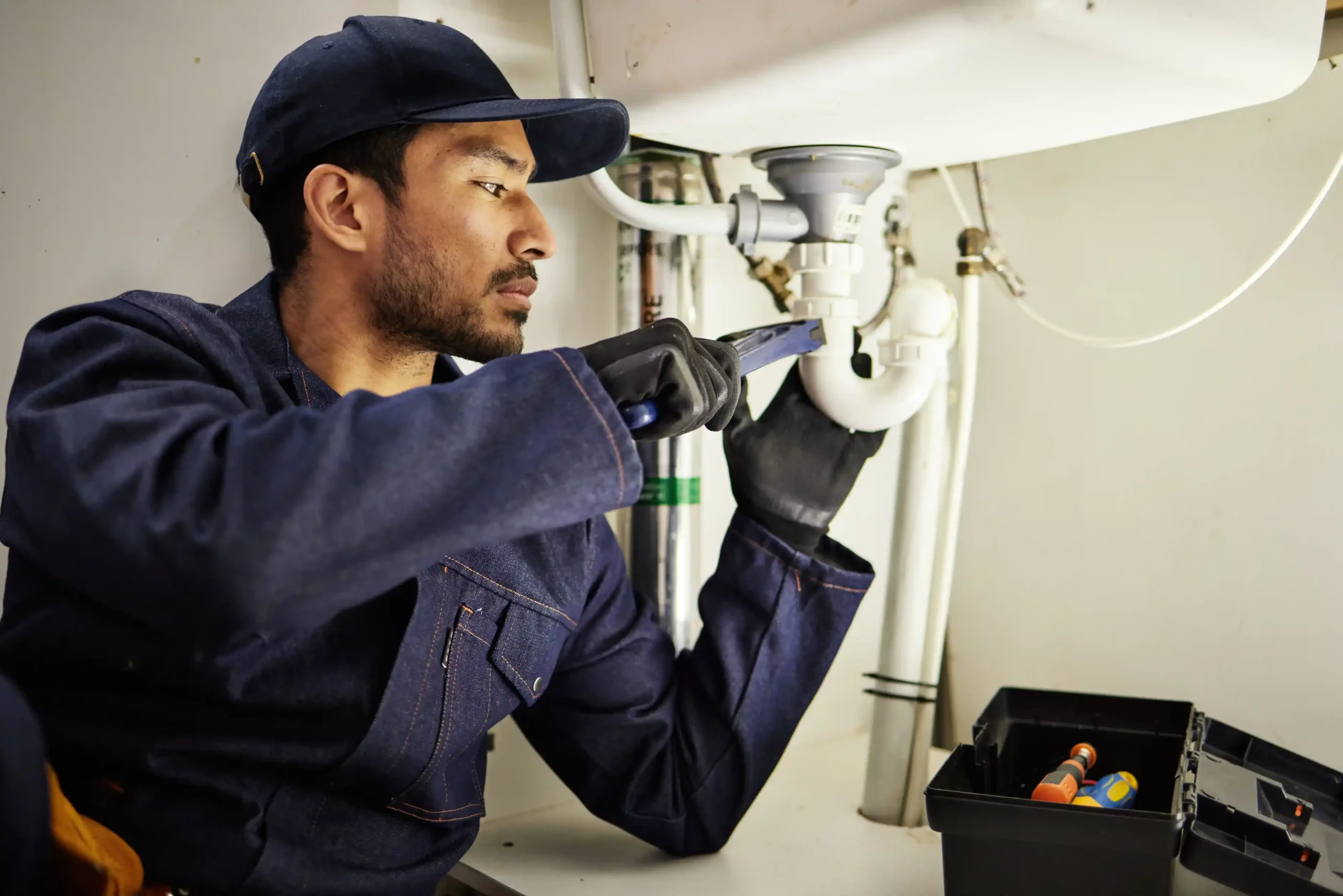
Saving on labour is a big win. For many home systems, you (or a handy mate) can tackle basic tasks yourself. For example, installing a small under-sink or countertop filter usually involves just turning off the kitchen tap, drilling a hole for the filter tap (if needed), and attaching hoses. Most filters come with installation kits and instructions – these are designed so a keen homeowner can fit them. By taking on simple DIY installation, you avoid paying a plumber’s hourly rate for the whole job.
However, use common sense. If it involves altering main water lines or the whole-house plumbing, call a pro. But things like replacing an empty filter cartridge, mounting the system on a wall, or connecting a clear tube are perfect DIY projects. In fact, many Aussies have saved big doing just that. One Pinjarra Hills homeowner shared that they installed an under-bench filter in an afternoon – saving over $200 in labour. Just be careful with safety (turn off water supply, check for leaks) and keep receipts for any parts. Every DIY task you handle is money back in your pocket.
3. Choose the Right System – Balance Cost vs Needs
Not all water filters are created equal, and choosing the appropriate system is key to saving money. Ask yourself: do you really need a whole-house system, or is a point-of-use filter sufficient? Whole-house filters (which treat every tap) have higher upfront costs (think big filtration tanks), whereas pitcher filters or under-sink units are cheaper to buy and install.
To make this clearer, consider the table below comparing typical options:
| System Type | Initial Cost (AUS$) | Annual Filter Cost | Typical Coverage | Comments |
| Whole-House System | $900–$2,000† (excluding install) | ~$100–$200 (cartridges) | Entire home | Best for handling Brisbane’s hard water and multiple taps. |
| Under-Sink Filter | $100–$300‡ | ~$50–$100 (cartridges) | Kitchen/drinking tap | Good for drinking water; easier DIY install. |
| Countertop/Jug Filter | ~$50–$150 | ~$30–$60 (cartridges) | Single tap | Lowest cost, portable; filters chloramine/bad taste. |
| Shower Filter (optional) | ~$50–$150 | ~$20–$40 (cartridges) | Shower head | Reduces chlorine smell on skin; optional extra. |
A whole-house system can seem pricey upfront (estimates run $900–$2,000+ without installation), but it treats all water in your home. In Pinjarra Hills, this is handy because Brisbane tap water is notoriously hard. In fact, a Queensland water specialist notes Brisbane’s water often exceeds 60 mg/L of dissolved minerals (calcium, magnesium), so scale buildup is a real concern. A whole-house unit with a built-in softener or sediment filter can protect your appliances (washing machine, water heater) and reduce soap usage, saving money long-term. Under-sink filters (like reverse osmosis units) are much cheaper upfront and remove contaminants from drinking water, but they leave water hardness untreated for laundry/showers.
Key Point: Don’t overbuy. If you mainly want great drinking water, an under-sink or countertop filter might be all you need. But if scale and hard-water limescale in kettles/taps is a worry, spend more on a whole-house solution. Look at brands popular in Queensland (e.g. Aqua Safe, Billi, Aquaguard) – many offer Aussie-specific guidance on water quality. The right system prevents future expenses on damaged appliances or bottled water, maximizing your investment.

4. Maintain Filters to Extend Life
Here’s a tip that really saves dough over the years: regular maintenance. Even the best filter is useless if clogged or dirty. Clean your pre-filter (if you have one) every few months, and change cartridges on schedule. Manufacturers often recommend changing filter cartridges every 6–12 months; doing it late means reduced flow or bypass, which hurts the filter and your wallet.
In Brisbane-area homes, pinjarra hills included, hard water can gum up filters. So flush housings with a vinegar solution or mild cleaning agent annually to dissolve scale. This maintains good flow and avoids water hammer issues that might burst a pipe (a pricey fix!). Also, check O-rings and seals during cartridge changes; a small leak can waste water and filter capacity.
Tip: Buy extra cartridges in advance (see next tip) and set reminders. Mark your calendar each year – a stitch in time saves nine (more than $100 in bottled water and maintenance if you skip it!). Proper upkeep also means your filter works more efficiently, so you’ll get the full advertised life of each cartridge. In other words, maintenance is a free (and easy) way to reduce costs.
5. Buy Cartridges in Bulk or Subscribe
Consumables like filter cartridges add up. One clever save is to buy in bulk or subscribe to a cartridge delivery program. Many Aussie filter companies give discounts if you purchase a pack of 3–6 cartridges (one year’s supply). It’s cheaper per unit, and you only pay shipping once. For example, a standard 12″ carbon block might cost $50 each individually, but a pack of 4 could be $150 total – that’s a 25% saving right there.
Some online retailers offer a subscription model: sign up and get a cartridge every 6 months at a reduced price. This has two perks: a lower cost per filter and never missing a replacement (which, as above, avoids damage). Check suppliers like Aqua Safe or local Brisbane plumbing retailers – sometimes they have loyalty programs or coupon deals. Also, watch for seasonal sales (Boxing Day, EOFY) when big filter brands often discount supplies.
Where possible, reuse hardware: if you move or upgrade your home, take the housings/fittings with you. You’ll only need new cartridges. Remember to recycle old cartridges properly. By pre-planning your filter needs, you avoid emergency shop runs (where you might pay retail price or expedited shipping), and you shave off dollars from your annual water bill.
6. Combine Projects and Timing
Cost-savvy Aussies know that bundling jobs saves cash. If you already need a plumber for something else (e.g. a leaking tap or new water heater), bundle the filter install at the same time. Many plumbers waive the call-out fee or give a reduced rate if you have multiple jobs. Even if it means paying a small mark-up on the filter system, the labour saving is worth it.
Another idea: schedule installations during slower seasons. In summer, plumbers are often busier with air-conditioner and pool jobs; you might pay peak rates. Late autumn or winter can be quieter for trades, so try booking your plumber in a shoulder season for a better deal. It’s a subtle saving but can shave a few percent off labour quotes.
While bundling, don’t forget to ask about any promotions. Sometimes filter manufacturers or Aussie home stores run vouchers (e.g. “$50 off installation when you buy this system”). Even asking “Do you have any current deals?” can score freebies like extra fittings or a free maintenance check later. It pays to ask!
7. Think Long-Term Savings and Environment
Lastly, consider the big picture. A water filtration system often pays for itself in the long run. You’ll spend less on bottled water (a 2024 industry report found whole-house systems “save you money” by cutting bottled-water purchases). With clean water at every tap, you may notice you use less soap and shampoo too. In hard water areas, protected appliances last longer – fewer breakdowns on your washing machine or geyser mean fewer emergency bills.
And, of course, there’s the Aussie eco-pride angle: less plastic waste and happier local waterways. Clean water is a necessity, not a luxury, so getting it affordably is money well spent. As one Brisbane local put it, every cup of clear tap water is a small victory for your hip pocket. By following these tips, Pinjarra Hills families can have it both ways – top-notch water quality and peace of mind about the cost.
Clean Water, Clever Choices
So, there you have it 7 smart ways to save money on water filtration system installation in Pinjarra Hills, without cutting corners on quality. Whether you’re battling chlorine taste, sediment build-up, or just aiming for healthier water at home, the right filtration system is more than a luxury it’s a long-term investment in your wellbeing.
By understanding your local water, choosing the right system, and planning installation wisely, you’re setting yourself up for years of cleaner, safer, and better-tasting water without draining your wallet.
Ready to take the plunge? Don’t wait for your tap water to tell you it’s time. Chat with a licensed local plumber today and find a filtration system that fits your home, budget, and lifestyle.
Frequently Asked Questions
How much does it cost to install a water filtration system in Pinjarra Hills?
Installation costs vary by system type. Basic under-sink units start around $100–$300, while whole-house systems can range from $900 to $2,000 or more. Don’t forget to factor in licensed plumber fees.
Can I install a water filter system myself?
DIY installation is possible for simple systems like countertop or under-sink filters. But for complex whole-house units or anything involving plumbing connections, it’s safer and smarter to hire a licensed plumber.
How often should I replace the filter cartridges?
Most filters need replacing every 6 to 12 months. However, usage levels, water quality, and the type of filter you use can affect this. Always follow the manufacturer’s guidelines for best performance and clean, safe water.