Detecting hidden leaks early can save a heap of trouble – and water – in Pinjarra Hills. In this leafy Brisbane suburb, even a tiny drip can mean thousands of litres down the drain if ignored. Imagine waking to a wet patch on your ceiling after a summer storm, or spotting a stubbornly green patch of grass in your dry lawn. These are clues that Water Leak Detection in Pinjarra Hills is urgently needed.
This post will walk you through ten practical tips – from checking your water meter to sniffing out soggy spots – in a relaxed, Aussie style. We’ll share stories from local homes and expert advice (with citations) so you can tackle those sneaky leaks like a pro.
Water Leak Detection Tips for Pinjarra Hills Homes
1. Check your water meter regularly.
Turn off all taps and appliances (even sprinklers and pool pumps) and write down the meter reading. Come back an hour later – if the numbers have budged, you likely have a leak. This tried-and-true trick works whether you’re in Brisbane city or rural Pinjarra. Remember, even tiny drips add up: Sydney Water warns that a slow drip can waste a few litres an hour, and a running toilet can lose thousands per day. By spotting high usage early, you’ll save water and avoid a nasty shock on your next bill.
In Pinjarra Hills, where many homes blend older Queenslander-style builds with modern renovations, water meters can sometimes be located in harder-to-spot areas – especially on larger properties. If yours is hidden behind dense hedges or down a long driveway, consider trimming back overgrowth so regular checks don’t become a chore. Many local councils, including Brisbane City Council, recommend taking photos of your meter readings each month to easily track changes over time.
2. Listen for the drip-drip in your home.
After turning everything off, head inside with your ears open. Listen for running water sounds in walls, floors or behind appliances. Many hidden leaks are audible – a soft hiss or drip you might otherwise miss. In a quiet Pinjarra Hills night, a dripping tap can be as loud as a dripping rain tree nearby. Trust your ears: even a faint trickle can point to a leaking joint or valve. (Pro tip: place your hand over the sink basin or wall; if you feel vibrations when everything’s supposed to be dry, you’ve found your culprit.)
Acoustic detection becomes especially useful in homes with timber floors or wall cavities, where water may travel further before surfacing. In split-level properties commonly found around Pinjarra Hills’s hilly terrain, sound may echo strangely, so checking in multiple rooms can help pinpoint the source more accurately. Even pets like dogs sometimes become unusually attentive to sounds near leaking pipes – a behaviour worth noting.

a single drip can be about 2,000 L wasted per month.
3. Inspect toilets and taps for hidden drips.
Toilets and taps are leak magnets. One quick test – put a few drops of food dye in the toilet tank and wait 10 minutes without flushing. If you see colour in the bowl, the cistern is leaking. Also check for toilet flappers or fill valves that stick (they wear out, especially in older homes). For taps, check under every sink and bathroom vanity: look for damp pipes or puddles. Even removing the tap base to clean out grit can stop a mysterious weep. Sydney Water also suggests slipping a sheet of dry toilet paper behind the pan overnight; if it gets wet by morning, investigate that toilet.
Toilets in heritage or character homes often have older plumbing setups, with high-mounted cisterns or exposed copper pipework. These are particularly prone to wear and tear. Additionally, eco-conscious households who’ve retrofitted dual-flush mechanisms may experience hidden leaks if the seals weren’t installed properly.
4. Check all indoor plumbing connections.
Take a quick tour around laundry, kitchen and bathrooms. Look under sinks and behind the washing machine or dishwasher hoses. A loose washer or split hose can dribble water into cupboards without you noticing. In our experience, even the pros sometimes find pinhole leaks on hot water pipes or corroded connectors in the laundry. Patch up any moisture immediately. Damp stains on bathroom walls or skirting boards are dead giveaways – a sign there’s a leak behind the tiles or under the floor.
Modern kitchens with plumbed-in fridges or coffee machines are becoming more common in Pinjarra Hills renovations. These hidden connection points are often overlooked during regular inspections but can leak silently into cabinetry or behind walls. A gentle hand-check behind these units once in a while can prevent long-term cabinetry damage.
5. Inspect outdoor taps, hoses and irrigation.
Give your exterior plumbing some love – Pinjarra Hill properties often have gardens and tanks that rely on outdoor taps. Walk around after watering or rain and look for puddles under taps, hose bibs or solenoid valves. Keep an eye on garden beds and lawns: a brightly green patch in an otherwise dry yard can mean a buried pipe is leaking. Test your sprinkler system by running it and watching for failing sprinkler heads or soaking spots.
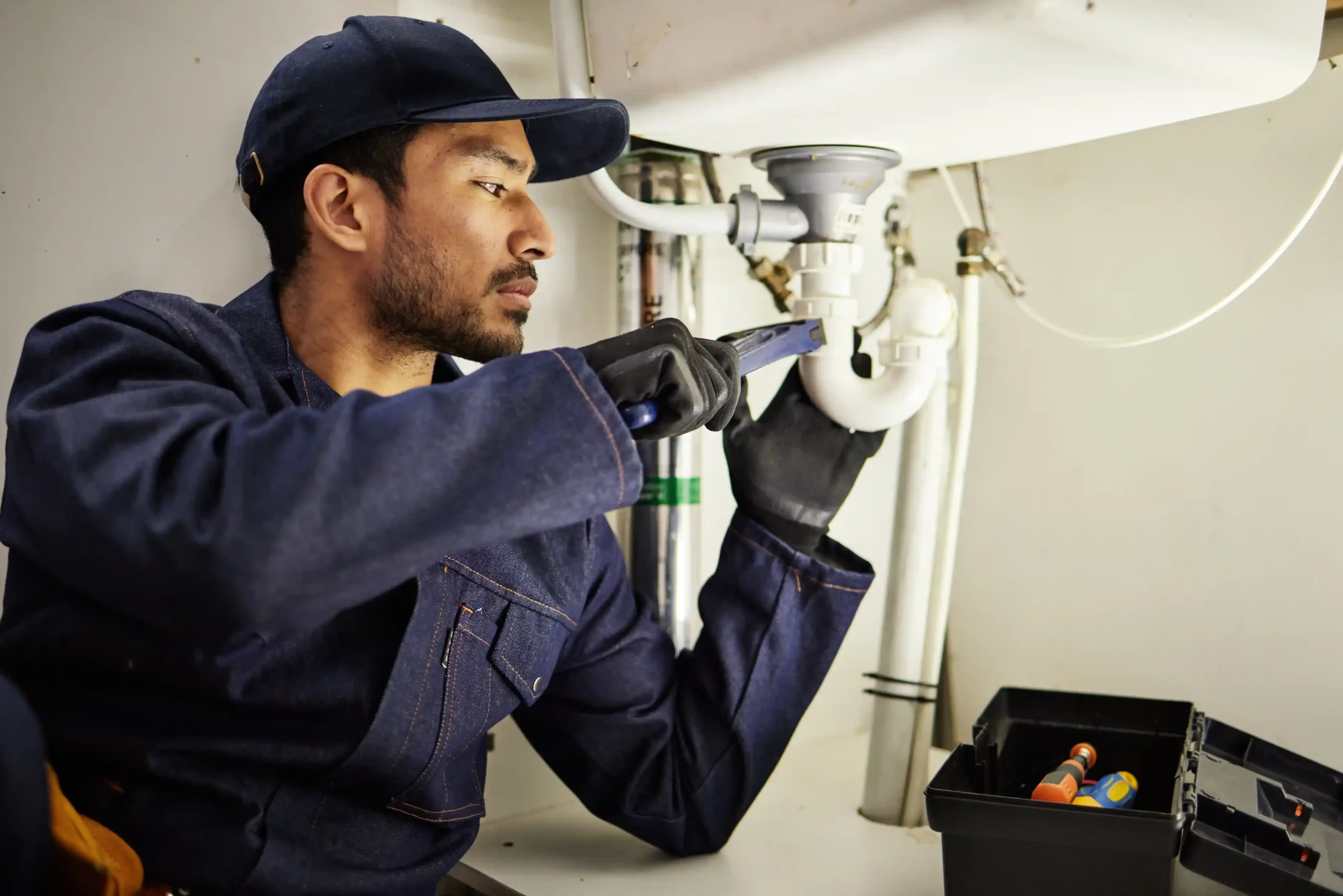
Since suburbs like Pinjarra Hills can be subject to summer downpours, also check that rainwater tanks, gutters and drains aren’t leaking or overflowing. If you find a minor outdoor leak, sometimes a quick wrap of plumber’s tape or clamp (as pictured below) can hold it – but be sure to schedule a plumber for a proper fix.
| Common Outdoor Feature | Leak Indicator | Suggested Check Time |
|---|---|---|
| Garden beds | Persistently wet soil | Morning after watering |
| Rainwater tank overflows | Pooling around overflow outlet | After heavy rain |
| Hose connectors | Drips when tap is off | After garden use |
| Solenoid irrigation valves | Soggy patches or valve buzzing | During irrigation cycle |
This area is particularly important for properties with extensive landscaping or automated watering systems, which are typical on larger blocks in Pinjarra Hills.
Water leak issues often start subtly in outdoor areas before becoming major problems indoors. If you’re curious about how professional bodies explain common household leaks, Sydney Water’s leak detection guide offers detailed insights into signs, causes, and solutions. It’s a helpful resource for homeowners across suburbs like Pinjarra Hills.
6. Look for damp spots and mould on walls or ceilings.
Around Pinjarra Hills, high humidity and summer storms mean water can sneak into roofs and walls. Keep an eye on ceilings and wall corners for stains, peeling paint or mould – especially after heavy rains. Check under air conditioners or hot water systems too. Inside, feel along walls for cold or damp sections that shouldn’t be wet. These might indicate a hidden pipe leak or a roof gutter drip. Even small leaks encourage termite activity in timber – and nobody wants termites in the walls. If you spot damp patches, start tracking down the source right away.
Subtle ceiling discoloration often begins as a faint ring, sometimes misinterpreted as mere ageing paint. In reality, this can signal capillary water movement from a slow leak above. Multi-generational homes or shared rental properties might overlook these cues if householders rotate rooms seasonally – so regular visual inspections are key.
7. Keep an eye on your water bill and usage patterns.
If your bill suddenly spikes, don’t assume it’s a billing error. A steady increase often means a leak. Compare with previous months or neighbours. Suburban Pinjarra Hills homes can vary (some use town water, others tanks), but an unexplained jump in usage or more frequent pump cycling is a warning. Likewise, if your water pressure drops for no reason, check for leaks – a burst pipe often means reduced flow. Make it routine: set calendar reminders to review your meter and bill each month. Early detection keeps costs low.
Common signs that align with unexplained water bill increases:
- Garden sprinklers activating more frequently due to faulty timers
- Rainwater pump running even during dry days
- Hot water system turning on more often than expected
- Neighbours reporting lower usage with similar property size
These small indicators, when noticed in tandem with a higher bill, can help narrow down potential problem areas.
8. Water Leak Detection Technology and Tools You Can Use
These days there are gadgets to help. Acoustic leak detectors and even smartphone apps can pick up underground leaks. Thermal cameras (available to hire or with a plumber) spot cold wet spots behind walls. Water-hammer arrestors can prevent noisy pipes but won’t stop actual leaks.
Remember though, the simplest tool is the garden hose: pressurise systems by briefly hooking up a hose to an outside tap and listening. If you feel a blast or hear water rushing into the earth, call a pro. While DIY can solve small leaks, rely on licensed plumbers for hidden or complex leaks – they have micro-cameras and sensors for tricky spots.
Pinjarra Hills’s soil composition, which includes pockets of clay and sand, can sometimes obscure signs of underground leaks. Water may disperse laterally rather than surfacing, making thermal or acoustic tools invaluable. Some local plumbing services now offer remote monitoring options that connect to your smartphone, sending alerts when irregular flow is detected.
9. Do seasonal and post-storm inspections.
Pinjarra Hills can see wild weather – from summer thunderstorms to the occasional flood. After heavy rain or when seasons change, re-check problem areas. Flooding can settle foundations or shift pipes; summer heat can crack PVC joints. Make a checklist: inspect the roof interior, under houses (for stumps/closures), and garden banks. Rake out leaves in gutters so they don’t overflow into your walls. Many locals say they caught leaks by looking in the attic after a storm. A dry spring or autumn is a great time to test systems and tighten fittings before the next wet season.
Homeowners often notice seasonal effects around verandas or lower-level rooms where wind-driven rain collects. During the warmer months, tree roots (especially from jacarandas and eucalypts) may also shift soil or affect pipes subtly – a reality for many backyards in this green, established suburb.
10. Don’t hesitate to call a professional.
If you still can’t locate the leak but know the meter’s moving or the damage is hidden, ring a licensed plumber. A good local plumber will inspect walls, pressure-test pipes or use sewer cameras. They’ll handle permits for shutting off water if needed and ensure all repairs meet Queensland standards. Think of it as insurance – a small call-out fee can prevent thousands in water damage repair.
At the very least, get a plumber’s advice; Pinjarra Hills has plenty of experts familiar with acreage homes and local conditions. Taking action quickly not only saves your home, but also helps our Aussie environment by preventing unnecessary water waste.
Professional plumbers in the Pinjarra Hills area often carry advanced gear tailored to acreage-style homes, such as long-reach cameras or ground microphones. When selecting a plumber, choosing one familiar with local water table behaviour and the mix of tank and mains systems can make detection quicker and less invasive. Some also offer pre-storm-season inspections as a package deal.
Conclusion
In summary, don’t let a sly drip catch you out. By following these 10 tips – from routine meter readings to post-storm inspections – you’ll keep your Pinjarra Hills home dry and your water bill friendly. A stitch in time saves nine: fix even small leaks promptly and consider a professional inspection if in doubt. With these smart leak-detection habits, you’ll protect your home, the local environment and your pocket. Next steps? Check your meter today, fix any drips, and maybe book that plumber for an annual check-up. Preventive action is the best defence against water damage.
In a place like Pinjarra Hills, where nature meets established homes, water leaks can be subtle yet costly. That’s why Water Leak Detection in Pinjarra Hills should be more than just an emergency measure—it’s an essential part of regular home maintenance. Keeping an eye out for the small signs and understanding how your property’s design plays a role can make all the difference. Whether it’s a vintage bathroom or a modern rainwater tank, a proactive approach helps preserve both property value and peace of mind.
FAQs
How do I find hidden water leaks in my home?
One easy first step is the water meter test (as above) – it tells you there is a leak somewhere. Then inspect all fixtures: check toilets with food coloring, listen for drips, and look for damp spots indoors and outside. Green patches in the yard, sudden mould growth or even unexplained power surges (from a pump running constantly) can also be clues.
Can I detect a slab leak myself?
Slab leaks (under concrete floors) are tricky for DIY. Watch for cold spots on the floor, cracks in tiles, or always-running water sound. You can still use the meter test to confirm a leak. For safety, call a plumber – they use special acoustic or thermal gear to pinpoint underground pipes without digging up your concrete.
What maintenance prevents leaks in our subtropical climate?
Regular checks are key. Rinse filters on taps, change old rubber washers, and clear gutters before summer storms. Insulate any exposed pipes to avoid sun damage. In Pinjarra Hills’s humid climate, keeping connections tight and painting exposed pipes with UV-protective paint (from Bunnings, for example) can extend their life. And always secure your hoses and irrigation timers – an isolated hose tap left open is an easy way to lose water.