Living in Pinjarra Hills, I’ve found that managing water usage efficiently not only helps the environment but also reduces my water bills significantly. By making a few simple changes and being mindful of how I use water, I’ve noticed a remarkable difference in my monthly expenses.
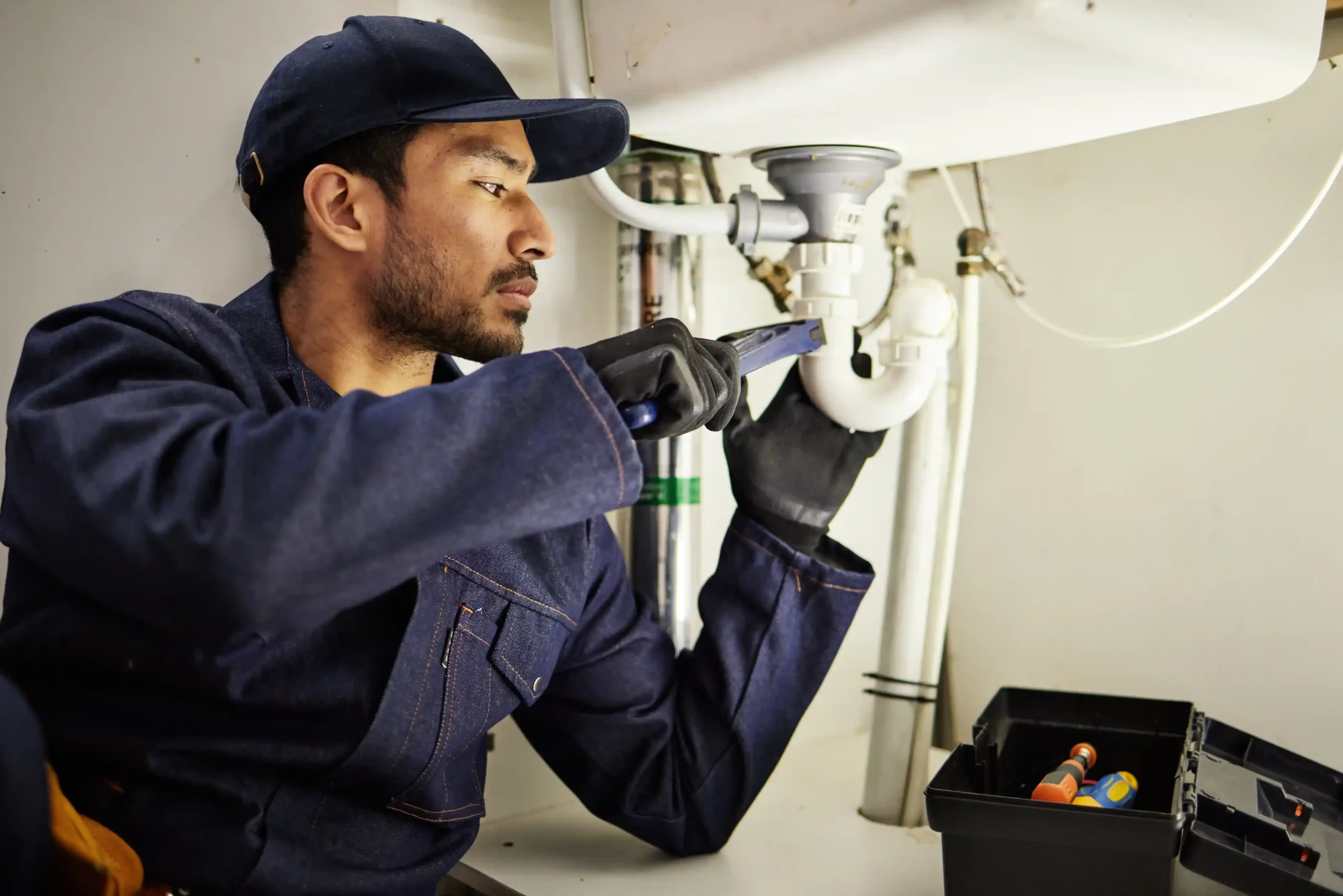
One of the first steps I took was to focus on improving my plumbing system. I realised that old fixtures and unnoticed leaks were contributing to unnecessary water wastage. Upgrading to modern, water-efficient fixtures helped me conserve water seamlessly without giving up comfort or performance.
Another impactful change was addressing leaks as soon as they occurred. Even minor leaks can lead to large amounts of wasted water over time. By being proactive and fixing leaks promptly, I stopped the unnecessary drain on my resources.
Taking advantage of natural resources also played a vital role. Installing a rainwater harvesting system allowed me to use collected rainwater for gardening and other non-potable uses, further reducing my reliance on the main water supply.
By adopting these and other smart water usage habits, I’ve successfully managed to lower my water bills, contributing to a more sustainable lifestyle in Pinjarra Hills.
Upgrading to Water-Efficient Fixtures
One of the best ways I’ve saved on water bills in Pinjarra Hills is by upgrading to water-efficient fixtures. Simple changes can make a big impact on water conservation and cost savings. Here are some of the upgrades I made:
1. Low-Flow Showerheads: Switching to low-flow showerheads reduces water usage significantly without sacrificing water pressure. These showerheads mix air with water, maintaining a pleasant shower experience while using less water.
2. Dual-Flush Toilets: I installed dual-flush toilets, which offer two flush options. A low-volume flush for liquid waste and a higher-volume flush for solid waste. This versatile solution prevents unnecessary water use for each flush.
3. Water-Efficient Faucets: Modern faucets with built-in aerators limit water flow while providing sufficient pressure for washing hands, dishes, or anything else. These faucets mix air into the water stream, reducing water consumption by up to 30%.
4. Efficient Dishwashers and Washing Machines: I also upgraded to water-efficient appliances. These machines are designed to use minimal water and energy while still performing at high levels. They are a great investment that pays off by lowering water and energy bills.
Upgrading fixtures not only reduces water usage but also promotes sustainability. These changes are effective and easy to implement, helping me conserve water and save on bills every month.
Fixing Leaks Promptly
Fixing leaks promptly has been crucial in managing my water bills in Pinjarra Hills. Leaks, no matter how small, can waste a lot of water if left unattended. Here’s how I address leaks effectively:
– Regular Inspections: I regularly inspect all water fixtures, pipes, and hoses for signs of leaks. This includes checking under sinks, around toilets, and anywhere else water is used. Early detection is key to preventing water waste.
– Immediate Repairs: As soon as I spot a leak, I make sure to repair it immediately. Ignoring leaks can lead to more significant problems and higher water bills. Fixing them promptly saves water and money in the long run.
– Monitoring Water Meter: I also keep an eye on the water meter. By turning off all water-using appliances and checking if the meter still runs, I can detect hidden leaks within the plumbing system.
– Professional Help: For leaks that are difficult to locate or fix, I don’t hesitate to call a professional plumber. Expert help ensures that leaks are repaired correctly and completely, preventing further issues down the line.
By being vigilant and proactive about fixing leaks, I’ve significantly reduced water wastage and my monthly water bills. It’s a simple yet effective way to ensure my plumbing system operates efficiently.
Installing a Rainwater Harvesting System
Installing a rainwater harvesting system has been a game-changer for saving water and reducing my bills in Pinjarra Hills. This system collects and stores rainwater, which I use for various non-potable purposes, easing the demand on the main water supply.
– Rain Barrels: I started with simple rain barrels placed under downspouts. These barrels collect rainwater from the roof, allowing me to use it for watering plants, washing cars, and even cleaning outdoor surfaces. It’s an easy and cost-effective way to utilise rainwater.
– Advanced Systems: For more extensive use, I considered installing a more advanced system with tanks and filtration units. This setup can store larger amounts of water and provide clean irrigation water, significantly reducing my reliance on mains water.
– Benefits: Using harvested rainwater helps lower water bills and is environmentally friendly. It’s a sustainable practice that makes use of natural resources. Rainwater harvesting also reduces stormwater runoff, which can help prevent local flooding and erosion.
– Maintenance: Keeping the system clean is important. I regularly inspect and clean gutters, downspouts, and tanks to ensure smooth operation. Proper maintenance ensures the system remains efficient and effective.
By installing a rainwater harvesting system, I’ve taken significant steps towards water conservation and cost savings.
Implementing Smart Water Usage Habits
Implementing smart water usage habits is another effective way I’ve managed to save on water bills in Pinjarra Hills. Small changes in daily routines can add up to significant water savings over time. Here are some habits I’ve adopted:
1. Turning Off Taps: I make sure to turn off taps while brushing teeth or washing hands. This simple habit saves litres of water every day.
2. Shorter Showers: Reducing the time spent in the shower conserves a considerable amount of water. I aim for showers that are five minutes or less, which is both time-efficient and water-saving.
3. Full Loads Only: When using the dishwasher or washing machine, I always run them with full loads. This maximises the efficiency of water and energy use.
4. Watering Plants Efficiently: I water my garden during the early morning or late evening to reduce evaporation. Using a watering can or drip irrigation system ensures water is delivered directly to the roots, minimising waste.
5. Using a Broom: Instead of hosing down driveways or sidewalks, I use a broom to clean outdoor areas. This method saves a substantial amount of water.
By incorporating these smart water usage habits into my daily routine, I’ve managed to cut down on water consumption and costs significantly.
Conclusion
By upgrading to water-efficient fixtures, fixing leaks promptly, installing a rainwater harvesting system, and implementing smart water usage habits, I’ve successfully reduced my water bills in Pinjarra Hills. These strategies have proven effective in conserving water and lowering costs, while also contributing to a more sustainable lifestyle.
Maintaining a mindful approach to water usage can make a big difference in both residential and commercial settings. By addressing plumbing issues proactively and adopting water-saving habits, we can all play a part in preserving this vital resource.
If you’re looking to save on water bills and need expert advice on plumbing services, contact Asflow Plumbing. Our team is ready to assist with all your plumbing needs, ensuring efficient and sustainable water use in your home or business. Reach out to Asflow Plumbing today and take the first step towards better water management!