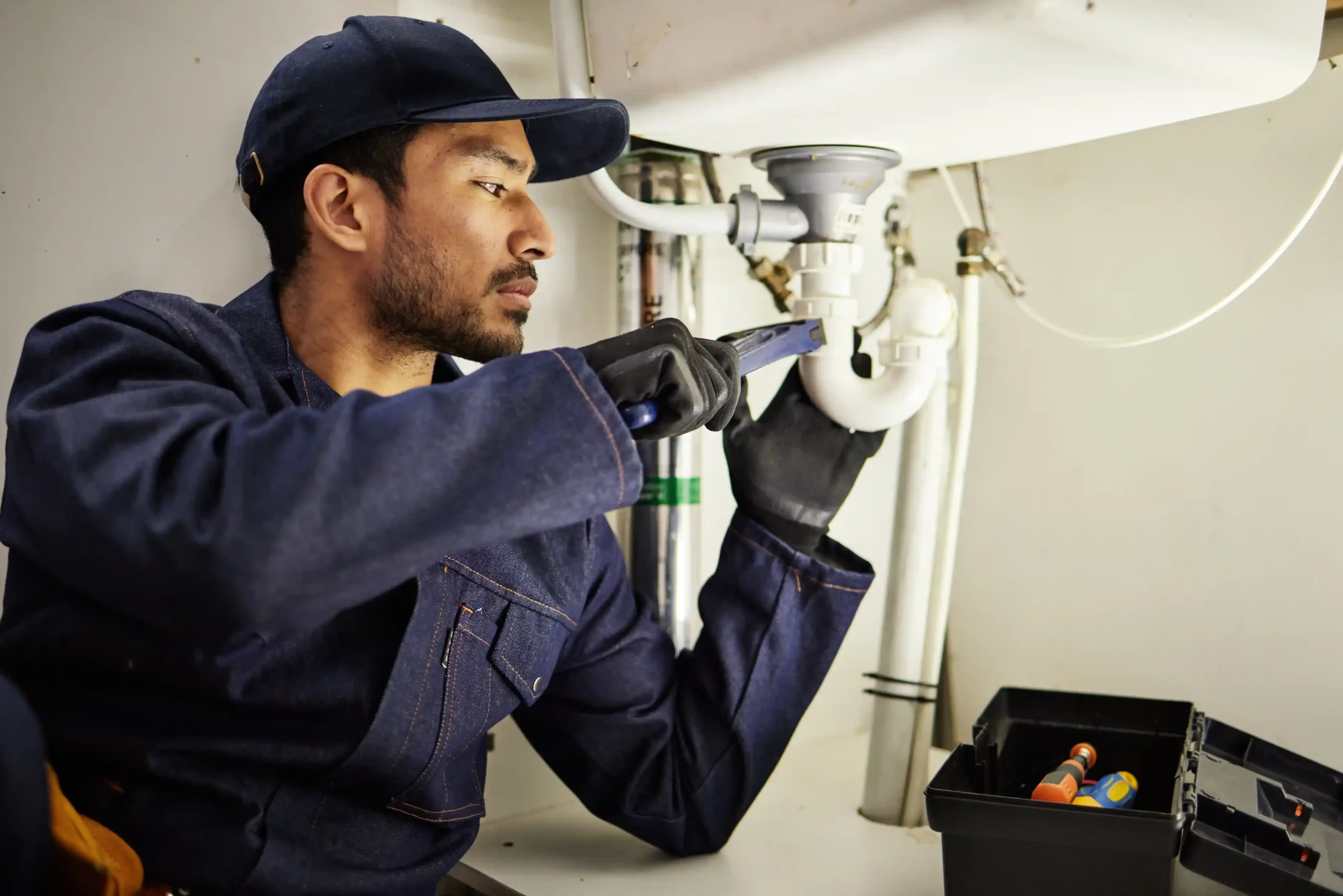
A blocked drain rarely starts as a major plumbing emergency. Usually, there is a small warning first. Water takes longer to disappear from the sink, the shower tray stays wet for a little longer, or a toilet makes an unusual sound after flushing. Because the problem still seems manageable, it is easy to leave it alone.
The trouble is that a blockage can develop further inside the pipe. What looks like a simple obstruction near the drain may actually be caused by grease buildup, roots, sediment, a damaged pipe or something lodged further along the drainage line. Knowing when to use a Plumber Unblock Drain service can therefore save you from repeatedly dealing with the same problem.
Professional drain work is not simply about forcing water through a pipe. A good plumber first works out what is stopping the flow, chooses an appropriate method and checks whether the pipe itself has been affected. That approach can make a significant difference when a blockage keeps returning.
Why Drains Become Blocked
Different parts of a property tend to develop different drainage problems.
Kitchen sinks commonly collect cooking grease, oils and small food particles. These materials can stick to the inner surface of a pipe and gradually reduce the space available for water to pass through. One meal is unlikely to cause a serious issue, but years of buildup can eventually create a stubborn restriction.
Bathrooms have their own problems. Hair, soap residue and dirt can combine into a surprisingly effective plug. Toilets may become blocked when too much paper or an unsuitable item is flushed.
Outdoor drains can be affected by leaves, soil and garden debris. Tree roots are another concern, particularly where older underground pipes have small cracks or loose joints. Roots can enter through these weak points and continue growing inside the pipe.
The cause matters because different blockages need different solutions. Clearing a small amount of hair is not the same job as dealing with roots inside an underground drainage pipe.
The Early Signs Are Worth Taking Seriously
Most people notice a drainage problem before the pipe becomes completely blocked.
The water may drain slowly rather than stop altogether. You may hear bubbling or gurgling after using a sink or toilet. There might also be an unpleasant smell coming from a drain that normally has no noticeable odour.
Another useful clue is whether more than one fixture is affected. If the kitchen sink is slow but everything else works normally, the restriction may be close to that fixture. If several toilets, sinks or showers are having trouble at the same time, the problem could be further along the drainage system.
A recurring blockage is another warning sign. If the drain works after a quick fix but becomes slow again a week or two later, there is a reasonable chance that the original cause has not been dealt with.
Can You Clear a Blocked Drain Yourself?
Sometimes, yes.
A plunger can be useful for a minor blockage close to a fixture. Removing visible material from a drain cover and keeping a strainer over a kitchen or bathroom drain can also prevent some common problems.
The issue begins when people keep trying the same method after it has clearly failed.
Pouring one chemical product after another into a blocked pipe is not a substitute for finding the cause. It may not reach the obstruction, and it can create an unpleasant situation for the person who eventually needs to work on the pipe.
If water is backing up, several fixtures are affected or the blockage keeps returning, professional assessment is a safer option. The goal is to clear the pipe without creating another problem in the process.
What a Plumber Looks At First
A plumber does not normally begin by choosing the strongest available piece of equipment.
First, the symptoms provide useful information.
The plumber may ask when the problem began, whether the drain has blocked before and which fixtures are affected. They may also want to know whether the property has experienced recent plumbing work, flooding or other drainage problems.
The location of the obstruction is important as well. A blockage underneath a kitchen sink can be approached differently from one located several metres down an underground drain.
This initial assessment helps determine what should happen next. In straightforward cases, the obstruction may be removed fairly quickly. More complicated situations can require specialised equipment or an inspection of the pipe.
How Professional Drain Unblocking Is Different
The main advantage of professional drain unblocking is not simply speed. It is the ability to deal with the actual cause.
Depending on the situation, a plumber may use mechanical equipment to break up or remove the obstruction. Water jetting can be useful where deposits have built up along the inside of a pipe. A camera inspection may be appropriate where the blockage is recurring or the condition of the pipe is uncertain.
There is no single technique that is right for every drain.
For example, pushing equipment into a damaged pipe without understanding its condition could create additional trouble. Likewise, clearing a root blockage without considering why roots entered the pipe may only provide temporary relief.
The equipment should match the problem.
One Practical Rule to Remember
If wastewater is already backing up, stop adding more water to the system until the blockage has been assessed.
That means avoiding unnecessary showers, washing machine cycles, dishwasher use and repeated toilet flushing when several fixtures are affected. Reducing water use will not remove the obstruction, but it can help prevent additional water from backing up while you arrange professional assistance.
Common Drain Problems and the Usual Response
| Drainage problem | Possible cause | Professional approach |
|---|---|---|
| Slow kitchen sink | Grease or food residue | Inspect and clean the affected section |
| Slow shower | Hair and soap buildup | Remove obstruction and clean the drain |
| Repeated toilet blockage | Paper, foreign material or deeper obstruction | Assess the toilet and connected pipe |
| Several fixtures blocked | Main drainage restriction | Locate the affected section of the system |
| Outdoor drain overflow | Leaves, soil or restricted pipe | Clear debris and inspect drainage |
| Recurring underground blockage | Roots or damaged pipe | CCTV inspection and appropriate repair |
| Bad odour with slow flow | Organic buildup or stagnant water | Investigate the source and clean the pipe |
The table is only a guide. Symptoms can overlap, which is why diagnosing the actual location of the blockage is important.
Why Repeated Clearing Can Become Expensive
Imagine a bathroom drain blocks every month.
Each time, the water is cleared and the problem appears to disappear. After a while, the same thing happens again. The easy option is to repeat the process.
That can become a false economy.
If a damaged section of pipe is catching debris, cleaning the pipe without repairing the damaged area will not solve the reason the blockage keeps forming. Similarly, roots can return if the underlying pipe problem is not addressed.
A recurring blockage should therefore be treated as information. It tells you that something inside the drainage system may need closer attention.
A blocked drain repair may cost more initially than a quick clearing, but dealing with the underlying problem can be more sensible when the same blockage keeps returning.
When CCTV Inspection Makes Sense
A drainage camera can be particularly useful when the plumber needs to see what is happening inside a pipe.
The camera can help identify issues that are difficult to locate from the surface. Depending on the system, it may reveal root intrusion, a broken section, displaced joints, heavy buildup or another obstruction.
This can prevent unnecessary digging.
Instead of guessing where a damaged pipe might be, the plumber can use the inspection findings to make a more informed decision about the next step. If the pipe is in reasonable condition, cleaning may be enough. If there is structural damage, drainage repairs may be required.
CCTV is not necessary for every blocked drain. It becomes more valuable when the problem is deep, recurring or difficult to locate.
When Water Jetting May Be Used
High-pressure water jetting is another method used for certain drainage problems.
Rather than simply pushing an obstruction further along the pipe, the water can help break down and wash away accumulated material from the pipe walls. It can be useful where grease, sediment or other deposits have reduced the internal space.
Again, the condition of the pipe needs to be considered before using this type of equipment.
A professional will decide whether jetting is appropriate based on the type of obstruction and the drainage system involved. Using powerful equipment without understanding the pipe can be a poor approach.
The aim should always be to restore flow while protecting the drainage system.
When a Blocked Drain Becomes an Emergency
Not every blocked drain requires an emergency call.
A slightly slow bathroom sink can usually be handled differently from wastewater flowing back into a home.
Urgent assistance becomes more important when sewage is backing up, a toilet is overflowing, multiple fixtures stop draining or wastewater is entering areas of the property where it can cause damage.
If the problem is severe, stop using the affected plumbing as much as possible. Keep people and pets away from contaminated wastewater and avoid direct contact.
Emergency drain unblocking is particularly important when the blockage is causing an immediate sanitation or property risk.
Queensland guidance also treats unblocking sanitary plumbing or drainage as regulated minor plumbing work that must be carried out by a licensed plumber.
Drain Cleaning or Drain Repair?
These terms are often used together, but they describe different jobs. Drain cleaning deals with an obstruction or buildup inside the pipe. Once the material is removed, normal flow can return.
Drain repair deals with a physical problem affecting the pipe itself. This could include a broken section, damaged joint, root intrusion or another defect. A plumber may discover both issues during the same visit.
For example, a cracked pipe might allow soil or roots to enter. The immediate blockage can be removed, but the damaged section may still need attention. Otherwise, the same problem can develop again.
This is why simply asking for the quickest possible fix is not always the best approach. The better question is: why did the drain block in the first place?
What You Can Do to Reduce Future Blockages
There is no way to guarantee that a drain will never block, but everyday habits can make a noticeable difference.
In the kitchen, do not pour cooking oil or grease down the sink. Wipe greasy pans with paper before washing them. A sink strainer can also catch food particles before they enter the pipe.
In bathrooms, regularly remove hair from drain covers. Do not flush wipes, sanitary products or other unsuitable items down the toilet simply because they appear small.
Outdoor drainage points should also be kept clear of leaves and garden waste, particularly before periods of heavy rain.
These are simple measures, but they reduce the amount of material entering the drainage system.
What to Do While Waiting for a Plumber
If you have already arranged professional help, there is no need to keep experimenting with different drain products.
Stop using the affected fixture where possible. If multiple drains are involved, reduce general water use until the plumber arrives.
If there is standing wastewater, keep the area restricted. Tell the plumber whether the problem began suddenly or developed gradually. It is also useful to mention whether the drain has blocked before.
Do not be embarrassed about explaining what you have tried. If you used a plunger or a drain cleaner, simply tell the plumber. That information can be relevant when deciding how to approach the blockage.
Choosing the Right Plumbing Help
When searching for a plumber, price is naturally one consideration. However, it should not be the only one.
Ask whether the plumber has experience with drainage problems and whether they have the equipment needed for more complicated blockages. If the problem is recurring, ask whether they can investigate the underlying cause rather than simply clear the pipe.
It is also sensible to check licensing requirements. The Queensland Building and Construction Commission advises homeowners that regulated plumbing and drainage work must be completed by appropriately licensed professionals.
For homeowners, that extra check can provide more confidence that the work is being handled appropriately.
When Should You Call a Plumber to Unblock a Drain?
You should consider professional help when the blockage is persistent, keeps returning or affects more than one fixture.
Professional assistance is especially sensible if you notice wastewater backing up, unpleasant sewage smells, outdoor overflow or signs that the problem may be underground.
Trying a basic plunger on a minor blockage is one thing. Continuing to force a stubborn blockage through the pipe is another.
A proper Plumber Unblock Drain service can identify where the problem is, choose an appropriate method and determine whether further drainage work is necessary.
That can save time and reduce the chance of turning a manageable blockage into a larger repair.
Professional Drainage Assistance
A blocked drain is easier to deal with when the cause is understood.
Sometimes the answer is straightforward cleaning. In other cases, the plumber may find grease buildup, roots, damaged pipework or another issue that needs a different solution. The important part is not assuming every blockage is the same.
If your drain is slow, repeatedly blocking or backing up, professional drainage assistance can help you get the situation under control. For blocked drains, drain unblocking and related plumbing services in Brisbane and surrounding areas, ASFlow can assess the problem and recommend the appropriate next step.
Contact the team today to arrange professional assistance before a recurring drainage issue becomes a larger plumbing problem.
Frequently Asked Questions
1. How does a plumber unblock a drain?
The method depends on the cause and location of the blockage. A plumber may use mechanical equipment, specialized cleaning equipment, water jetting or a CCTV inspection. The first step is usually to understand what is causing the restriction.
2. Can a blocked drain be fixed without replacing the pipe?
Yes, in many cases. If the pipe is structurally sound and the problem is caused by grease, hair, sediment or another removable obstruction, cleaning may be enough. Pipe replacement or repair is more likely when there is significant structural damage.
3. Why does my drain keep blocking after I clear it?
A recurring blockage may indicate that the original cause has not been removed. Tree roots, damaged pipes, heavy buildup or an obstruction further along the drainage line can all cause the problem to return.
4. Is a blocked drain an emergency?
It can be. A slow sink is usually less urgent than sewage backing up into the property. Multiple blocked fixtures, overflowing wastewater and serious drainage backups should be treated as situations requiring prompt professional attention.
5. How can I prevent blocked drains?
Avoid putting grease, food scraps and unsuitable materials into drains. Use strainers, remove hair from bathroom drains and keep outdoor drainage points free of leaves and debris. If a drain repeatedly becomes blocked, arrange an inspection rather than continually treating the symptom