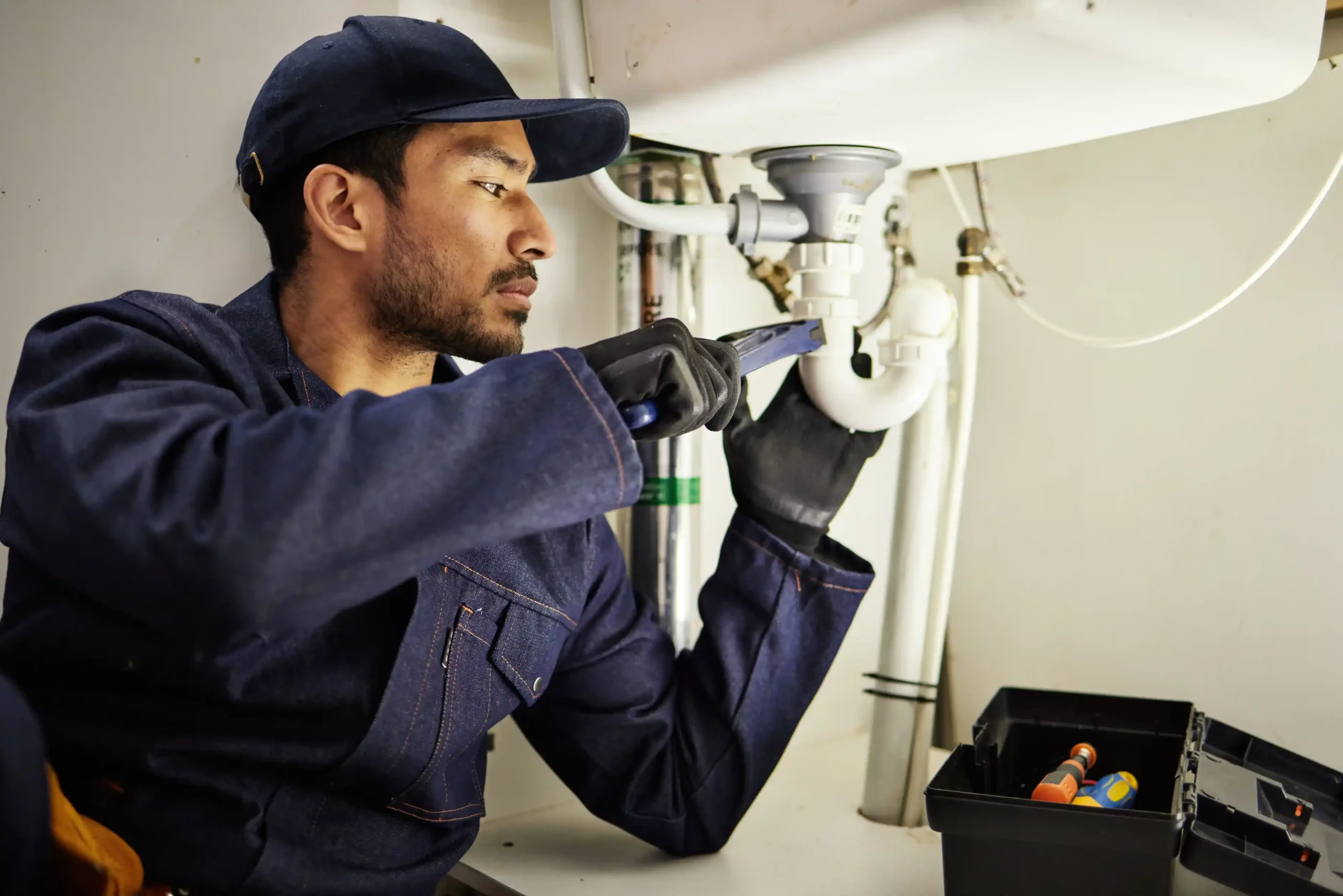
A blocked drain is one of those household problems that is easy to ignore at first. The water may take a little longer to disappear, there may be an odd smell around the sink, or you might hear a strange gurgling noise after using the toilet. Then, almost without warning, the drain stops working altogether.
Knowing how to respond can save you from a messy situation. While a plunger or drain strainer can sometimes deal with a minor obstruction, a stubborn blockage usually needs a proper assessment. If water keeps backing up or several drains are affected, it may be time to call a professional plumber unblock drain service.
A blocked pipe is not always caused by something sitting close to the drain opening. Grease, tree roots, damaged pipes, accumulated debris and other obstructions can develop deeper inside the drainage system. Finding the actual cause is often the key to getting a lasting result.
What Causes a Drain to Become Blocked?
There is no single reason why drains stop flowing properly. The cause often depends on where the blockage has developed and what is connected to the affected pipe.
In a kitchen, cooking grease, food particles and oils can gradually stick to the inside of the pipe. Bathrooms commonly experience problems caused by hair, soap residue and other materials. Toilets can become blocked when unsuitable items are flushed.
Outdoor drainage systems face another set of problems. Leaves, soil, garden debris and tree roots can restrict the flow of water. Older underground pipes may also crack, shift or deteriorate over time.
A slow drain is often the first warning. If nothing is done, the restriction can become larger until water has nowhere to go. That is when a plumber unblock drain service may be needed to locate and remove the obstruction properly.
How Do You Know a Drain Needs Professional Help?
A drain does not have to be completely blocked before you seek assistance. In fact, dealing with the problem while it is still developing can be much easier.
Watch for changes in how your plumbing behaves. If the bathroom sink drains slowly for several days, the shower begins filling with water, or the toilet bubbles when another fixture is used, there could be a restriction further along the pipe.
A recurring problem deserves particular attention. If you clear the same drain repeatedly only for it to block again a few days or weeks later, the underlying cause may still be present.
Professional blocked drain services can help determine whether the issue is a simple obstruction or something more serious within the drainage network.
Can You Unblock a Drain Yourself?
For a small and accessible blockage, there are a few basic steps worth trying. A plunger can sometimes loosen material close to the opening. Removing visible debris and using a suitable drain strainer can also help prevent further buildup.
However, there is a limit to what household methods can achieve.
If the blockage is deep inside the pipe, caused by tree roots or associated with damaged pipework, repeated DIY attempts may not solve it. Pouring strong chemical cleaners into the drain can also create additional problems, particularly if a plumber later needs to work on the pipe.
A professional plumber unblock drain approach focuses on identifying the location and nature of the obstruction rather than simply forcing water through it.
Common Signs of a Blocked Drain
| Warning sign | What it may indicate | Recommended action |
| Slow drainage | Early buildup inside the pipe | Monitor it and arrange professional cleaning if it persists |
| Gurgling sounds | Restricted flow or trapped air | Have the drainage system checked |
| Bad drain odour | Organic matter or stagnant water | Arrange an inspection |
| Water backing up | Significant blockage | Stop using the affected fixture and seek assistance |
| Several blocked fixtures | Possible main-line obstruction | Contact a professional plumber |
| Repeated blockages | Deeper or recurring drainage problem | Consider inspection and drain repair |
| Outdoor pooling | Restricted stormwater or drainage flow | Arrange drainage services |
| Overflowing wastewater | Severe obstruction or drainage failure | Seek urgent plumbing assistance |
Why Repeated Blockages Should Not Be Ignored
It is tempting to treat a blocked drain as an isolated problem. If a plunger gets the water moving again, you might assume everything is fine.
That is not always the case.
When the same pipe blocks repeatedly, there may be an issue further inside the system. Tree roots can grow through small openings in underground pipes. Cracks or displaced joints can catch debris and gradually create a larger obstruction. In other cases, years of grease or sediment buildup can reduce the internal diameter of the pipe.
This is where blocked drain repair becomes relevant. Clearing the immediate obstruction may restore flow, but repairing the underlying problem can help prevent the same situation from returning.
A professional assessment can also determine whether drainage repairs are needed instead of repeated cleaning.
How Professional Drain Unblocking Works
The first step is usually understanding the symptoms. A plumber may ask which fixtures are affected, when the problem started and whether the property has experienced similar issues before.
The location of the blockage then needs to be considered. A local obstruction near a sink requires a different approach from a blockage affecting an underground drainage line.
Depending on the situation, mechanical cleaning or specialised drain equipment may be used to clear accumulated material. More complicated cases may require an inspection of the pipe itself.
The purpose of professional drain unblocking is not simply to make water disappear for a few hours. The aim is to restore proper flow while working out why the blockage occurred.
When Is Emergency Drain Unblocking Necessary?
Some blocked drains are inconvenient but not immediately dangerous. Others can quickly become a property problem.
If wastewater is backing up into a bathroom, toilet water is overflowing, or several fixtures stop draining at once, waiting could make the situation worse. The same applies when a blockage is accompanied by flooding or sewage contamination.
In these circumstances, emergency drain unblocking may be appropriate.
Until help arrives, avoid using the affected plumbing wherever possible. If multiple drains are involved, reducing water use throughout the property can help limit further backup.
Do not keep pouring drain chemicals into an already blocked pipe. If the blockage is severe, adding more products may not solve the problem and can make the eventual repair more difficult.
What Is the Difference Between Drain Cleaning and Drain Repair?
Drain cleaning and drain repair are not the same thing.
Cleaning is generally concerned with removing material that is restricting the flow. It may be suitable when the pipe itself remains in good condition.
Repair is required when the pipe or drainage system has developed a physical problem. Cracks, broken sections, displaced connections and root intrusion can all require a more involved solution.
This distinction matters because a recurring blockage may be telling you that cleaning alone is not enough.
A qualified blocked drains plumber can assess the symptoms and determine whether the problem is likely to require cleaning, inspection or repair.
How Pipe Cleaning Can Help Prevent Future Problems
Regular maintenance can help reduce the amount of material building up inside drainage pipes. A suitable pipe cleaning solution can be particularly useful where grease, sediment or other deposits have accumulated over time.
However, maintenance should match the type of plumbing system and the condition of the pipe. A method that works for one property may not be appropriate for another.
It is also important to address the habits that contribute to blockages. Avoid pouring cooking oil down the kitchen sink, keep hair and soap from entering bathroom drains where possible, and never flush unsuitable items down the toilet.
These simple changes can reduce the pressure placed on your drainage system.
What Should You Do Before a Plumber Arrives?
If you have a blocked drain and professional help is on the way, a few practical steps can make the situation easier to manage.
First, stop using the affected fixture. If wastewater is backing up, avoid running additional water through nearby sinks, showers or toilets until the problem has been assessed.
Keep the area around an overflowing drain clear. If contaminated water is present, avoid unnecessary contact and keep children and pets away.
It can also help to tell the plumber what you have already tried. Mention whether you used a plunger, whether the blockage has happened before and whether other drains are affected.
That information can give the plumber a clearer picture before work begins.
Why Professional Drain Services Can Be a Better Long-Term Option
A quick fix is not always a lasting fix.
For example, if a drain is blocked because of tree-root intrusion, clearing the immediate obstruction may only provide temporary relief. The roots can continue to affect the pipe, resulting in another blockage later.
Likewise, if an underground pipe has cracked or shifted, repeatedly clearing debris will not correct the damaged section.
This is why professional drainage services can be valuable when a blockage is persistent. A proper assessment can identify whether the problem is isolated or part of a wider drainage issue.
In some situations, excavation may also be required to access damaged underground plumbing. Getting the cause right before starting major work can help avoid unnecessary disruption.
When Should You Call a Plumber to Unblock a Drain?
There is no need to wait until a drain is overflowing before getting help.
Consider professional assistance if:
- the same drain keeps blocking after you clear it;
- multiple fixtures are draining slowly or backing up;
- you notice sewage smells or unusual gurgling;
- water is pooling around outdoor drainage points;
- a toilet repeatedly overflows or blocks;
- DIY methods have not restored normal drainage; or
- you suspect damaged underground pipework.
Early intervention can sometimes prevent a small drainage problem from becoming a much larger repair.
If you are unsure whether the problem requires a plumber, it is better to explain the symptoms and have the situation assessed rather than repeatedly treating the blockage yourself.
Why Local Plumbing Experience Matters
Drainage systems differ from property to property. The age of the plumbing, surrounding trees, soil conditions, pipe layout and previous repair work can all influence how a blockage develops.
A local emergency plumber who regularly works with properties in the area can be familiar with common drainage issues and the practical challenges involved in accessing underground pipework.
This can be particularly useful when a straightforward blockage turns out to involve drainage repairs, underground plumbing or emergency plumbing repairs.
Professional assistance also reduces the risk of turning a manageable blockage into a larger plumbing problem through repeated DIY attempts.
Queensland Plumbing Work and Licensing
Drain unblocking may seem like a simple household task, but certain plumbing and drainage work is regulated in Queensland.
The Queensland Building and Construction Commission states that unblocking sanitary plumbing or sanitary drainage is classified as minor plumbing work and must be performed by an appropriately licensed person. Homeowners can refer to the official QBCC guidance for the current requirements around regulated plumbing work. This is one reason it is important to use a suitably qualified professional when a blocked drain goes beyond simple household maintenance.
How to Reduce the Risk of Future Blockages
Prevention starts with what goes down your drains.
Keep food scraps and cooking fats out of kitchen pipes. Use strainers where appropriate and clean them regularly. In bathrooms, remove accumulated hair before it enters the drain.
Do not flush wipes, paper towels or other unsuitable products down the toilet, even when they are marketed as flushable.
Outdoor drains also need attention. Remove leaves and garden debris from drainage grates and watch for areas where water starts pooling after rainfall.
If you have experienced repeated blockages, do not simply wait for the next one. An inspection may reveal an issue that can be addressed before it becomes an emergency.
Final Thoughts
A blocked drain can begin with a small restriction and develop into a major plumbing headache if it is ignored. While simple blockages may respond to basic maintenance, recurring problems, multiple affected fixtures, wastewater backup and underground obstructions need a more professional approach.
Knowing when to use a plumber unblock drain service can help you avoid repeated temporary fixes and identify the real cause of the problem. Good maintenance, sensible disposal habits and early attention can also keep your drainage system working more reliably.
For blocked drains, drainage repairs and urgent plumbing assistance across Brisbane and surrounding areas, Asflow Plumbing provides professional support. Contact the plumbing team for your drainage problems.
Frequently Asked Questions
1. How do I know if I need a plumber to unblock a drain?
If a drain remains blocked after basic methods, repeatedly becomes blocked, affects several fixtures or causes wastewater to back up, professional help is recommended. A plumber can investigate whether the obstruction is deeper inside the drainage system.
2. What is the quickest way to unblock a drain?
The right method depends on the cause and location of the blockage. A plunger may help with a minor obstruction, while deeper blockages may require professional drain equipment. Repeatedly using household chemicals is not a reliable long-term solution.
3. Why does my drain keep blocking?
Recurring blockages can result from grease, hair, sediment, tree roots, foreign objects or damaged pipes. If the same drain repeatedly becomes blocked, an inspection may be needed to identify the underlying cause.
4. Are blocked drains an emergency?
Some are. A slow sink may not require immediate assistance, but overflowing toilets, sewage backup, flooding or several blocked fixtures can require urgent attention. In these situations, emergency drain unblocking can help reduce the risk of further property damage.
5. How can I prevent blocked drains?
Use drain strainers, keep grease and food scraps out of kitchen pipes, avoid flushing unsuitable products and remove debris from outdoor drains. Regular maintenance can also help identify developing problems before they become serious.