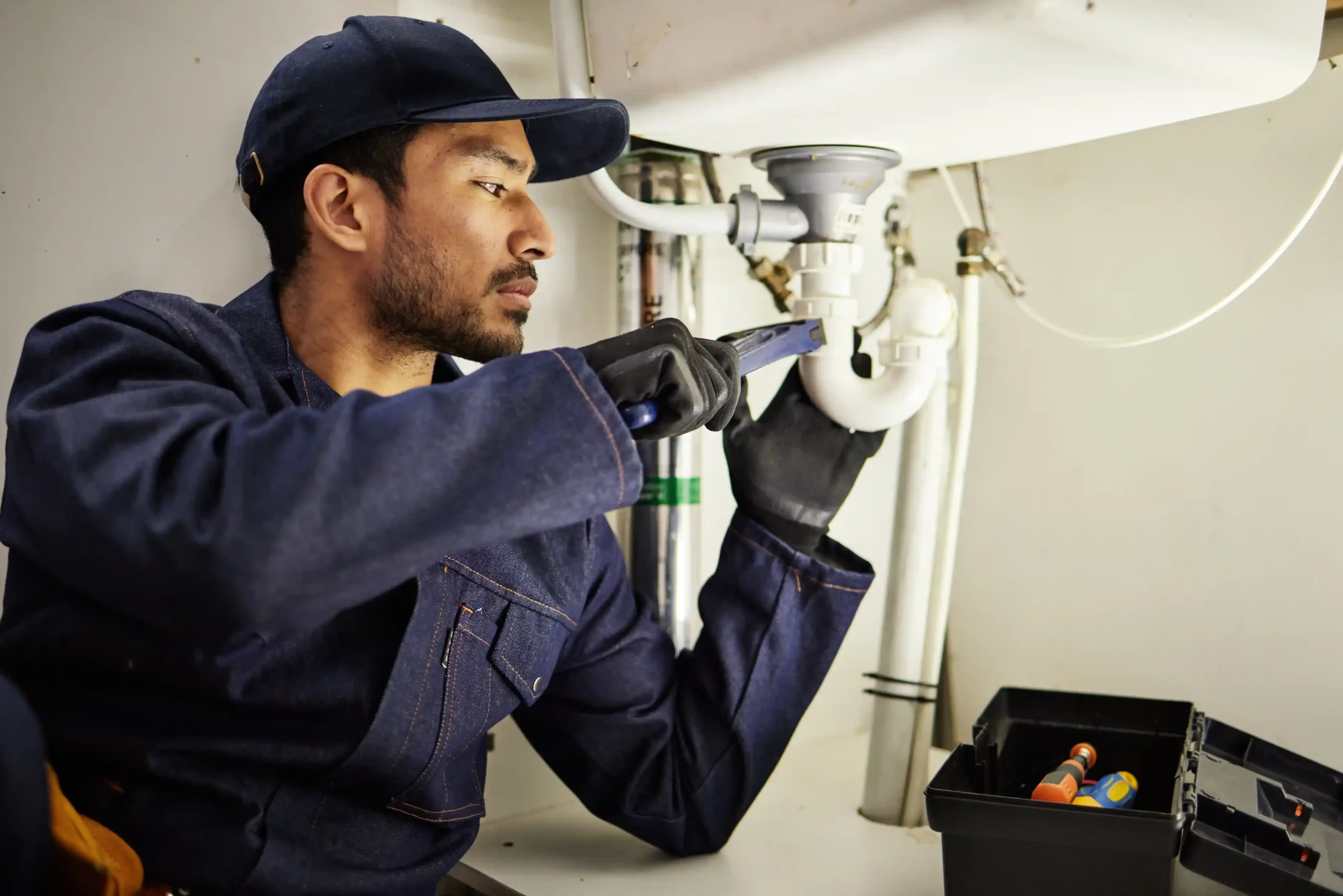
Maintaining commercial plumbing systems in Indooroopilly requires a strategic approach to ensure smooth operation and avoid costly repairs. As someone responsible for managing these systems, I’ve learned that regular maintenance and implementing best practices are essential for preventing issues and extending the lifespan of the plumbing infrastructure.
Regular inspections play a crucial role in identifying potential problems early. By routinely checking pipes, fixtures, and appliances, I can address minor issues before they turn into major disruptions. This proactive approach saves time and money in the long run.
Preventive maintenance is another vital aspect. Scheduled tasks like cleaning drains, servicing water heaters, and inspecting backflow preventers help keep the system in top shape. These tasks may seem small, but they collectively contribute to the overall health of the plumbing network.
Managing water efficiency is also a priority. Efficient water usage not only conserves resources but also reduces costs. By installing water-saving fixtures and monitoring water usage, I ensure the facility operates sustainably.
Training staff on best practices is indispensable. Educating everyone about proper disposal methods, timely reporting of issues, and routine maintenance tasks fosters a culture of responsibility and care. This team effort is critical for maintaining a reliable plumbing system in any commercial setting.
Through these methods, I make sure that the commercial plumbing systems in Indooroopilly are well-maintained and efficient, providing a seamless operation for all users.
Identifying the Type of Emergency
When a plumbing emergency strikes in my Kenmore home, the first step I take is to identify the type of emergency. This helps me understand the severity of the problem and what immediate actions are needed. Common plumbing emergencies can include burst pipes, overflowing toilets, severe blockages, and heavy leaks.
– Burst Pipes: Recognising a burst pipe is usually straightforward since it often results in significant water leakage. I look for visible signs of water damage on walls or floors.
– Overflowing Toilets: An overflowing toilet can cause a lot of mess and inconvenience. Identifying this type of emergency involves checking if the water level in the toilet bowl is rising and threatening to spill over.
– Severe Blockages: Blockages in sinks, toilets, or drains can cause water to back up and create unsanitary conditions. I notice a blockage emergency when water drainage is visibly impaired, or there’s a foul smell indicating trapped waste.
– Heavy Leaks: Leaks can sometimes be silent but equally damaging. I look for wet spots or water stains on walls, ceilings, and floors to identify a leak.
Understanding the specific type of emergency helps me decide the best course of action, making the next steps more effective.
Turning Off the Water Supply
Once I’ve identified the plumbing emergency, the next crucial step is turning off the water supply. This step helps prevent further water damage in my home. Knowing the location of the main shut-off valve is essential for all homeowners.
– Finding the Main Shut-Off Valve: In many homes, the main shut-off valve is usually located near the water meter or where the main water line enters the house. In Kenmore, it might be in the basement, garage, or an outdoor utility area.
– Turning Off the Valve: To turn off the valve, I twist it clockwise until it is fully closed. This stops the water flow and prevents additional flooding or leakage.
– Shutting Off Individual Fixtures: In some cases, turning off the water supply to a specific fixture may suffice. For instance, if a particular sink or toilet is causing the issue, shutting the valve located under the fixture can be a temporary fix.
By quickly turning off the water supply, I can manage the situation more effectively and reduce the extent of damage before a professional plumber arrives. This step is crucial in controlling a plumbing emergency and limiting its impact on my home.
Conducting Regular Inspections
Conducting regular inspections of my plumbing system is essential in preventing emergencies. By routinely checking for any signs of trouble, I can address issues before they escalate into full-blown disasters.
– Monthly Checks: Every month, I inspect visible pipes, faucets, and toilets for leaks or signs of wear and tear. I also make sure to check the water heater for any signs of corrosion or leakage.
– Annual Professional Inspections: Once a year, I schedule a comprehensive inspection with a professional plumber. They can use specialised tools to detect issues that might not be visible to me, such as hidden leaks or pipe blockages. This thorough check ensures the overall health of my plumbing system.
– Seasonal Maintenance: Preparing my plumbing for extreme weather conditions is crucial. Before winter, I make sure to insulate pipes to prevent freezing and bursting. In spring, I check for any damage caused by cold weather and make necessary repairs.
Regular inspections help me stay ahead of potential problems, ensuring my plumbing system functions smoothly and efficiently.
Implementing Preventive Maintenance
Preventive maintenance is a proactive approach to managing my home’s plumbing in Kenmore. By taking simple, regular actions, I can maintain the integrity of the plumbing system and avoid emergencies.
– Routine Drain Cleaning: Regularly cleaning drains prevents build-up that can lead to blockages. I use a mixture of baking soda and vinegar to clean sinks and shower drains every few months.
– Water Pressure Management: High water pressure can strain pipes and fixtures, leading to leaks. I install a pressure regulator to maintain safe water pressure levels and periodically check it to ensure it’s functioning correctly.
– Replacing Worn-Out Parts: Replacing old or worn-out parts like washers, seals, and hoses before they fail is essential. For instance, replacing washing machine hoses every five years can prevent unexpected bursts and flooding.
– Water Softening Systems: Hard water can cause mineral build-up in pipes and appliances. Using a water softening system can mitigate this issue, prolonging the life of the plumbing system and improving efficiency.
By implementing these preventive measures, I can extend the life of my plumbing system and reduce the likelihood of emergencies.
Conclusion
Taking proactive steps to handle plumbing emergencies in Kenmore has been essential in maintaining my home’s safety and comfort. From identifying the type of emergency to turning off the water supply and applying temporary fixes, each action helps manage the situation effectively. Regular inspections and preventive maintenance also play crucial roles in ensuring my plumbing system remains in top condition.
Understanding and following these steps has made a significant difference in how I deal with plumbing issues. No matter how prepared I am, it’s always vital to contact a professional plumber to resolve the problem thoroughly. For anyone facing similar situations, being informed and ready can make all the difference.
If you’re experiencing plumbing issues or want to prevent future problems, reach out to Asflow Plumbing for expert advice and reliable commercial plumbing services. Call us today to ensure your plumbing system is in excellent shape and ready to handle any emergency.