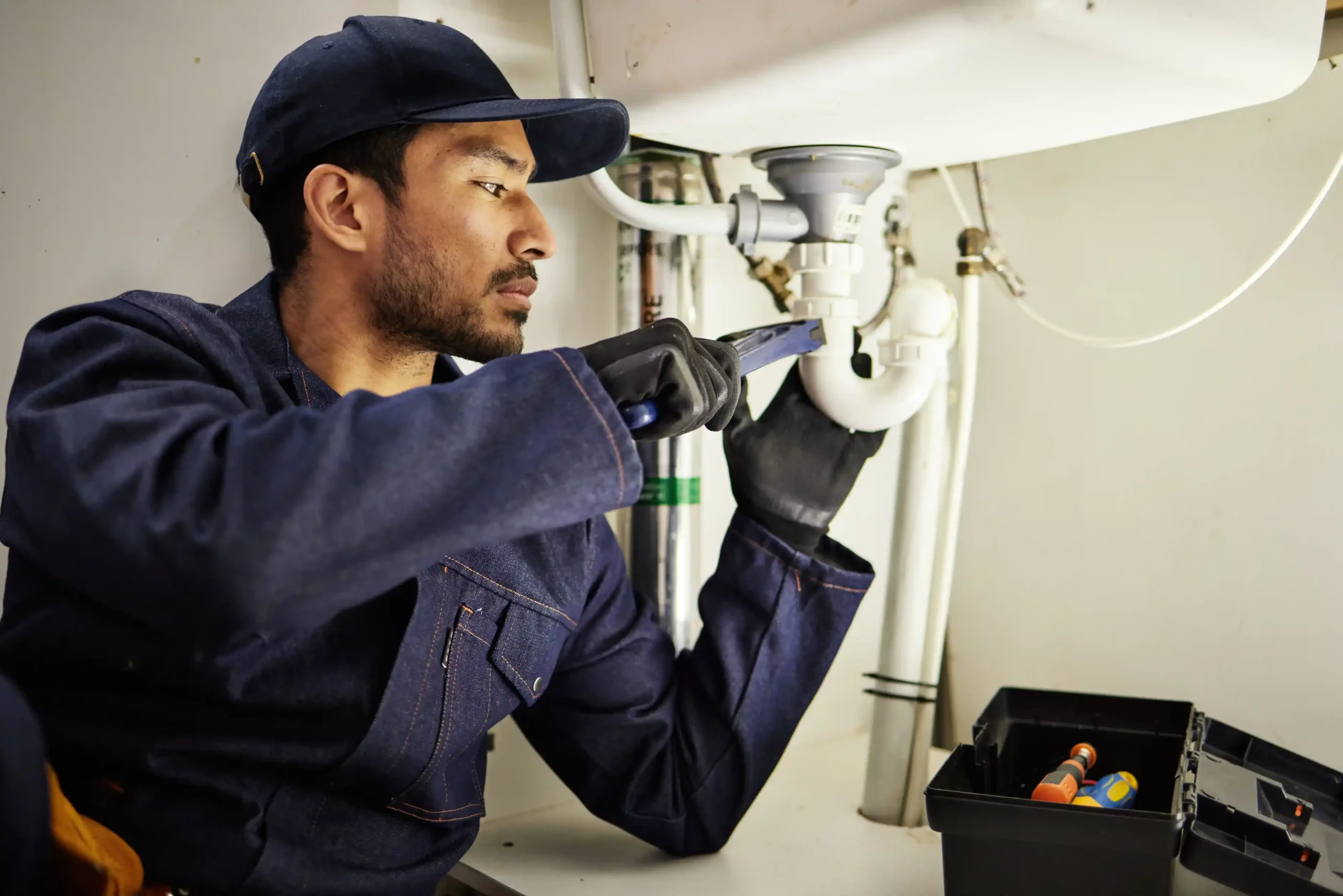
Hidden water leaks are one of the most common and costly problems faced by homeowners in Kenmore. What may begin as a small damp patch or a minor drip can quickly turn into damaged walls, mould growth, and unexpectedly high water bills. Many leaks develop silently behind walls, under floors, or inside ceilings, making them difficult to notice until the damage is already done.
This is why regular monitoring and professional attention are so important for maintaining safe and reliable residential plumbing in Kenmore. Leak detection specialists use modern tools and proven techniques to locate problems early, helping to prevent serious damage and keep your home protected.
Why Water Leaks Are a Hidden Hazard
Even the quietest drip can be a major headache. In Australia, water damage is one of the most common home insurance claims – 71% of those claims come from burst or leaking pipes. That’s why staying on top of your residential plumbing is more important than most homeowners realise. In Kenmore’s subtropical climate, extra humidity means any moisture can fuel mould and wood rot faster. Health experts warn that mould thrives on hidden dampness from leaks, triggering sneezing, coughs, or worse. Imagine dark splotches on ceilings, peeling wallpaper, or musty air; those are tell-tale signs of trouble.
Why does this matter for you? Because a small leak isn’t just annoying – it’s costly. For instance, a single dripping tap can waste over 9,000 litres of water a year. That’s like filling a backyard swimming pool with water you didn’t know you were losing! All that waste hikes your water bill and puts unnecessary pressure on your entire residential plumbing system. By the time a puddle shows, you might already have secret damage behind walls or under slabs.
- Hidden damage: Water can quietly seep through walls, floors, or concrete, weakening structures.
- Health risk: Persistent damp encourages mould that hurts breathing and aggravates asthma.
- High bills: Unseen leaks drive up water usage and costs, sometimes thousands of dollars in a year.
Without the right tools, even observant homeowners can miss these hidden issues. Regular home inspections and smart leak detection are key to stopping small problems from turning into disasters.
How Leak Detection Specialists Find Hidden Leaks
Leak detection specialists are the Sherlock Holmes of plumbing. They don’t just grab a wrench and hope – they use training and high-tech tools to target leaks quickly and precisely. When you call a licensed plumber for leak detection in your Kenmore home, here’s what happens:
- Non-invasive testing: Rather than tearing walls or floors, specialists often use non-destructive methods. They might pressurize pipes, turn off water, and watch the meter to confirm a leak. They may also use special cameras or smoke to trace the leak’s source.
- Thermal imaging: One common tool is a thermal camera that shows where water is cooling or heating the walls. Damp areas look different on the camera, pointing to hidden leaks (like magic vision for pipes).
- Acoustic sensors: Some pros use listening devices or sensors on pipes. Water escaping makes subtle sounds or vibrations the human ear can’t catch – but the sensors can. It’s like having a microphone on your walls that says “swoosh, swoosh, leak here.”
- Cameras and scopes: Small video cameras can snake through pipes to visually inspect lines, finding cracks or blockages without jackhammering concrete.
- Tracers or dyes: In tricky cases, they might introduce harmless dyes, smoke, or ultrasonic waves to trace water movement.
These methods let the specialist pinpoint the exact spot quickly. For example, they may find a pinhole crack beneath your slab’s concrete or a tiny hole behind a wall panel – without needing to tear up your floor until they know where to open it.
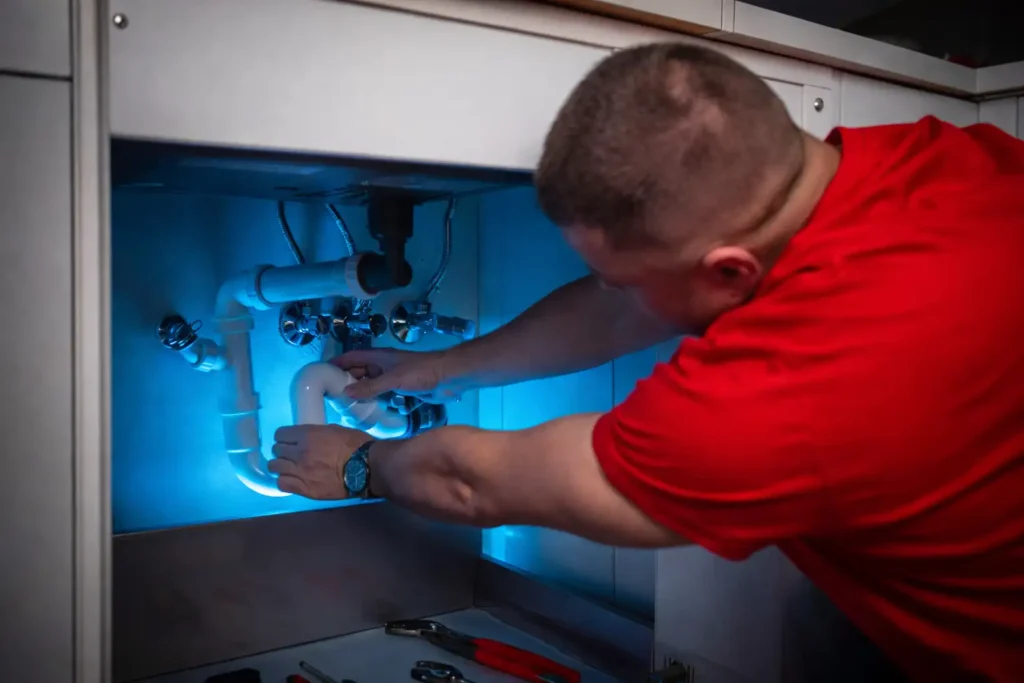
In Queensland, the law actually requires plumbing work to meet strict safety standards. The Plumbing and Drainage Act 2018, for instance, mandates that all plumbing jobs “reduce risks to public health and safety”. So when an expert pokes around your pipes, they’re not just fixing leaks – they’re ensuring your residential plumbing in Kenmore meets safety codes. Think of each technician as a home-protection pro, combining detective work with official know-how to keep your plumbing safe.
Advanced Techniques and Technologies
Leak detection has come a long way. Today’s specialists have gadgets that would stun any DIYer and help protect the long-term health of your residential plumbing. Here are some of the slick tricks they use:
- Infrared/Thermal Cameras: These highlight cold spots from leaking water, even behind walls or under floors. As one expert puts it, “Infrared leak detection can scan to find even unseen leaks.” The cool images make hidden wet spots pop out in colour.
- Electronic Leak Detectors: These are handheld devices that pick up on water flow or pipe vibrations. They can amplify the sound of water moving or dripping so well that the plumber can hear (through headphones) exactly where it’s coming from.
- Moisture Meters: Small probes or scanners that measure moisture content in materials such as walls, wood, and concrete. A spike in moisture reading is a sure sign of a leak behind that surface.
- Pressure Testing: By isolating and pressurising a pipe section, they see if the pressure drops. If it does, there’s a leak somewhere in that section.
- Smart Water Monitoring: Some specialists also install smart leak alarms or monitoring systems to safeguard your residential plumbing. These use sensors or flow meters to alert you instantly if water flow is off the charts, like if a pipe bursts while you’re away. It’s like having a 24/7 watchman on your plumbing.
These techniques are typically non-destructive, meaning they do not damage your home while investigating. The result? Leaks are found faster and cheaper with minimal fuss. You might only see a tile removed or a small hole drilled where absolutely needed, rather than a wrecked floor or wall.
Benefits of Professional Leak Detection for Your Home
Hiring a specialist is an investment that pays off in several ways:
- Early Detection Saves Big: Catching a leak before it floods your house means avoiding huge repair bills. A small timely fix might cost a few hundred dollars; ignoring it could mean tens of thousands in water damage and mold remediation. As the old saying goes, “A stitch in time saves nine” – or in this case, saves dollars and headaches.
- Water and Money Conservation: Detecting leaks early saves water. That tiny dripping tap from before – fixing it saves you roughly the water in a medium-sized pool per year. Over time, those savings recoup the cost of hiring a specialist, plus you help the environment.
- Peace of Mind: You can relax knowing an expert has thoroughly checked your system. No more guessing if that puddle means trouble or not. Professionals often guarantee their work, giving you added confidence.
- Protects Home Value: In places like Kenmore, homes with documented good plumbing history and no water damage issues usually sell better. A leak specialist’s report can be a selling point: “Certified leak-free.”
- Health Protection: Preventing leaks prevents mold. That means no unhealthy spores making you and your family sick. In fact, fixing leaks is one of the top recommended steps to prevent indoor mold growth.
- Compliant and Safe: Since specialists know local codes, you’re less likely to violate any plumbing regulations (which could hurt insurance coverage). For example, they ensure all repairs or installations follow the Queensland plumbing standards.
In short, professional leak detection turns a hidden problem into a straightforward fix. It’s like using a fine-tooth comb instead of bare hands – much more effective and fast.
DIY vs Professional Leak Detection
Not all leak fixes are equal. Here’s a quick comparison of doing-it-yourself versus hiring a professional specialist:
| Aspect | DIY Attempt | Professional Detection |
|---|---|---|
| Equipment | Basic tools (bucket, wrench, meter) | High-tech sensors, cameras, and meters |
| Accuracy | May miss hidden leaks | Pinpoints even tiny or buried leaks |
| Disruption | Often requires drilling/tearing | Mostly non-invasive; minimal drilling |
| Time & Effort | Time-consuming trial-and-error | Quick diagnosis by experts |
| Cost | Low upfront, risk of big repair costs | Paid upfront; can save on huge future costs |
| Insurance/Proof | No certification | Backed by licensed plumber report |
Table: DIY methods often sound cheaper (no service fee!), but pro equipment and expertise catch the sneaky leaks most DIY approaches miss. The right side’s bold efficiency can save you big in the long run.
While you can do simple tests at home (like meter checks), remember that concealed leaks – under concrete slabs or inside walls – are very hard to detect without experience. For peace of mind and thoroughness, specialists usually come out on top.
Smart Tips to Protect Your Home
No matter who fixes the leak, there are steps you can take to guard your residential plumbing in Kenmore:
- Check Your Water Meter Regularly: Write down your water meter reading, go do something else for a few hours (don’t use any water), then check again. If the numbers changed, you’ve got a leak. Brisbane’s urban utilities advise customers to monitor meter readings monthly or quarterly to catch leaks early. It’s a quick test you can do in minutes.
- Watch for Warning Signs: Keep an eye (and nose) out for the common indicators of leaks: unexpected damp patches, stains, warping wood, bubbles in paint or wallpaper, and musty smells. NRMA Insurance lists these as classic red flags. Also, a sudden unexplained jump in your water bill usually means you should investigate fast.
- Maintain Plumbing Appliances: Replace old flexible hoses on dishwashers and washing machines, and check faucets and toilets for drips. The NRMA report notes that worn hoses often burst and flood homes. A little upkeep can prevent a big leak.
- Install Leak Detectors or Smart Monitors: Consider buying a plug-in leak alarm (cheaper option) or a full smart home water sensor. Some models shut off water automatically when they detect a leak. They’re like smoke alarms – a great early warning.
- Know Who to Call: If you find a leak or suspect one, don’t ignore it. Call a licensed plumbing professional with leak detection expertise. Many experts offer free initial advice over the phone. Getting it fixed promptly will save time and money, even if the fix itself is minor.
By staying vigilant and acting quickly on any clues, you keep small drips from turning into home floods. It’s a team effort: you spot the clues, and the specialist solves the mystery.
Regulations and Codes Keep Your Plumbing Safe
In Queensland (and Australia generally), plumbing isn’t something you just wing. There are regulations in place to protect homes like yours and to ensure every part of your residential plumbing system is safe and reliable. For example:
- Homeowner Responsibility: According to Brisbane’s water authority, you are responsible for all plumbing on your side of the meter. That means it’s on you to fix leaks inside your property. The authority even offers financial relief if you pay for a “concealed leak” fix promptly (that’s their policy for hidden leaks), but notice they require proof you repaired it.
- Licensed Work: Residential Plumbing must comply with the Plumbing Code of Australia (national standards) and local codes. This ensures things are built and fixed safely. Hiring a licensed leak detection specialist means the work automatically meets these codes. If you or a buddy tried an unlicensed DIY fix that later causes damage, your insurance might not cover it.
- Safety First: The main point of these laws is safety. The Queensland Plumbing and Drainage Act 2018 explicitly says its purpose is to reduce risks to public health and safety. This might sound bureaucratic, but it means licensed plumbers are required to do their job so pipes don’t contaminate water or leak dangerously.
- Codes for Kenmore: Since Kenmore is in Brisbane, its plumbers follow both the National Construction Code (for plumbing) and the Queensland Plumbing Code. This can affect material choices, water-saving fixtures, and leak prevention standards that directly impact your residential plumbing. A pro will know all the latest rules, such as making sure rainwater tanks are plumbed safely.
- Insurance and Certification: Fixes done by a certified plumber may be necessary to keep your home insurance valid. If a plumber issues a compliance certificate after repairing a leak, that’s extra documentation to show your home is up to par.
In summary, there are strong support systems and clear obligations behind local water safety. Utilising a specialist not only improves your safety but also ensures you’re aligned with local standards, saving headaches with authorities or insurers down the line.
Conclusion
Your residential plumbing in Kenmore deserves the best defense against surprises. Leak detection specialists provide that by combining know-how, legal compliance, and cutting-edge tech. They turn mystery wet spots into simple fixes, saving you money and stress. Remember, a hidden leak now could mean a collapsed ceiling or mold problem later – or worse, a massive water bill. By staying alert (watch your meter, spot odd stains) and calling in the experts at the first hint of trouble, you’ll keep your Kenmore home safe and dry.
So next time you notice something off — a puddle that wasn’t there, a spike in your bill, or the sound of dripping in the wall — think of it as your home’s way of asking for help. A quick call to a leak detective could save you thousands in repairs and keep your home healthy. Don’t wait for a disaster: act proactively. Your house (and wallet) will thank you for protecting your residential plumbing in Kenmore.
Frequently Asked Questions
What is a leak detection specialist?
A plumber trained in locating hidden leaks using tools like cameras, sensors, and meters. They find and fix leaks that aren’t easily seen.
How do leak detectors find invisible leaks?
They use technology (thermal cameras, sound sensors, pressure tests) to pinpoint leaks without tearing up walls.
Can small leaks really be costly?
Yes. A tiny drip wastes thousands of litres a year. Over time, leaks can cause big water bills and damage.
How often should I check for leaks in my home?
At least once a month check your water meter (no water use for 10-15 min). Also monitor your bill for spikes.
Are leak detection services covered by insurance?
That varies. If a certified plumber fixes a leak and provides a compliance certificate, insurance may cover resulting damage. Always check your policy.
What should I do if I suspect a hidden leak?
First, turn off water using the main valve to prevent damage. Then contact a licensed leak detection specialist to diagnose and fix the issue.