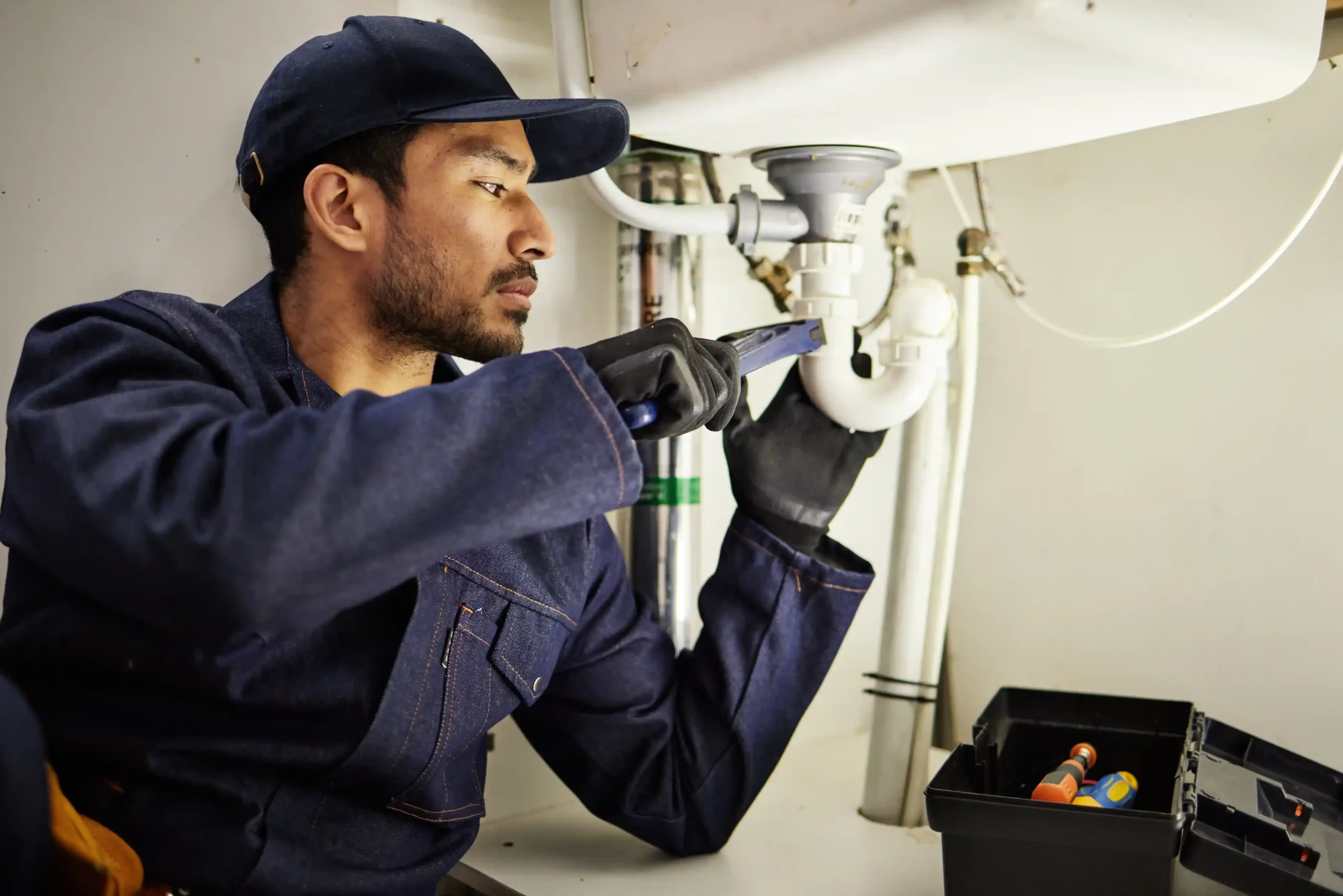
Blocked drains in Pinjarra Hills or Kenmore are no joke. When water lingers instead of rushing down, it feels like your sink is throwing a tantrum. That terrifying gurgle, the slow-draining sink, or even sewage backing up are clear signs of a Blocked Drain in Pinjarra Hills. Act fast – ignoring a clog can lead to nasty overflows, foul odours, and even structural damage. In fact, a blocked drain can let harmful bacteria and gases build up, posing health risks in your home.
And let’s be real—nobody in Kenmore or Pinjarra Hills has time to deal with knee-deep water on a weekday morning. Blockages have a sneaky way of showing up at the worst times: right before work, mid-dinner prep, or when guests are over. That’s why knowing a few fast, reliable methods to clear a clog can save your sanity (and your carpets). Whether it’s a kitchen sink rebellion or a bathroom drain staging a protest, having some tricks up your sleeve means you can get life flowing again in no time.
Recognising a Blocked Drain in Pinjarra Hills
You know the drill: laundry water pools at your feet, the shower takes ages to empty, or your toilet starts bubbling ominously. These clues mean a clog is hiding somewhere. Common causes include hair, soap scum, grease, food scraps, and foreign objects. In older Pinjarra Hills homes, tree roots can even invade pipes.
If you spot these symptoms – slow drainage, gurgling noises, or backups – it’s time to fix that blocked drain in Pinjarra Hills before it worsens. As one Brisbane plumber quipped, “Don’t wait for a flooded kitchen to call for help.” Quick action can often save a lot of hassle (and damage) down the track.
Quick DIY Solutions for a Blocked Drain in Pinjarra Hills
You don’t need to be a pro to tackle many clogs – everyday items often do the trick. Here are some fast, safe fixes you can try yourself:
- Plunge it out. The plunger is your best friend. Seal the opening (cover any overflow slots) and pump firmly for 20–30 seconds. That push of water and air can dislodge soaps and food. Many DIYers swear by plunging as the first step. If you have a double sink or slow drain, seal the other side with a wet cloth to get maximum pressure.
- Boiling water & dish soap. This old trick works wonders on grease and soap clogs. Squirt some dish detergent down the drain and follow with a kettle of boiling water. The grease melts and flows away. (Quick tip: If you have PVC pipes, let the water cool slightly to avoid any warping.)
- Baking soda and vinegar. Go green by pouring ½ cup of baking soda into the drain, then 1 cup of white vinegar. Cover it and wait 5–10 minutes as it fizzes. Finally, flush with hot water. This volcano effect can clear mild blockages naturally. It’s safe for pipes and the environment. Repeat if needed for stubborn clogs.
- Drain snake or auger. When plunging fails, a plumber’s snake (a flexible auger) can reach deeper clogs. Feed the snake down the drain until you feel resistance (the clog). Crank or push until the blockage breaks up, then pull it out and rinse. Be cautious: an auger can scratch porcelain or damage pipes if used too roughly.
- Clear the U-bend (trap). Many sink clogs live right under the basin. Place a bucket under the U-shaped pipe, unscrew the fittings, and clean out gunk by hand. You’d be surprised how often this solves the problem – one plumber joked that more than half the time, the clog never left the U-bend!.
- Avoid harsh chemicals. Chemical cleaners (Drain-O, lye, acid) promise instant fixes, but the risks outweigh the benefits. They’re highly toxic and can burn skin or eyes on splash. Plus, they corrode and weaken your pipes over time. Safe Work Australia highlights that exposure to hazardous chemicals can cause serious health risks. Stick to safe, mechanical methods above.
If these DIY methods don’t clear your blocked drain in Pinjarra Hills after a few tries, it might be time to call a professional. Persistent clogs, foul odours, or multiple blocked drains are beyond quick fixes.
Even outdoor stormwater drains can get blocked. Leaves or silt (especially after heavy rain in Pinjarra Hills) can clog gutter drains, sending water back under gutters. Keep grates clear to avoid backyard flooding.
Common Mistakes People Make When Fixing a Blocked Drain in Kenmore
Let’s be honest – when faced with a sink full of murky water or a toilet that won’t flush, panic often takes over. You might grab the first tool or chemical you find, but not all “solutions” are actually helpful. In fact, some quick fixes can make your blocked drain in Kenmore even worse. Here are some of the most common mistakes I see people making when they try to deal with drains on their own:
1. Pouring in harsh chemicals
It feels tempting: a bottle promises to “melt clogs instantly.” The problem? Harsh chemical cleaners don’t just attack the blockage – they also eat away at your pipes. Over time, this leads to leaks, cracks, and expensive repairs. They’re also dangerous if they splash on your skin or eyes.
2. Using the wrong plunger
Not all plungers are created equal. The classic cup plunger works best for sinks, but toilets need a flange plunger that creates a stronger seal. Using the wrong one wastes time and leaves you frustrated.
3. Forgetting to block overflow holes
Here’s a clever little tip: when plunging sinks or tubs, cover the overflow hole with a wet rag. If you don’t, air escapes through that opening instead of pushing the clog loose.
4. Pushing too hard with a snake or auger
It’s easy to get carried away when using a drain snake. Forcing it too hard can scratch porcelain, damage pipe walls, or get it hopelessly stuck. A gentle, controlled twist works far better.
5. Ignoring warning signs
That faint gurgle? The occasional slow drain? Many people shrug it off, only to face a full-blown flood later. By ignoring the early symptoms, you risk letting a minor problem turn into a plumbing emergency.
6. Treating outdoor drains as “out of sight, out of mind”
Stormwater drains and outdoor grates clog easily with leaves, dirt, and debris. If left unchecked, they can cause water to back up into your yard or even your home during heavy rain.

When to Call the Pros (and Advanced Tools)
Sometimes even our best DIY won’t do, and that’s okay. Professional plumbers have special gear to solve tough blockages fast. For example, hydro-jetting blasts high-pressure water through pipes to wash away deep-rooted grime. CCTV drain cameras can spot hidden tree roots or collapsed pipes without digging up your yard.
Local experts emphasize that if the water level stays high or multiple drains back up, call a plumber immediately. Also dial one if you notice sewage smells – it could signal a serious blockage and health hazard. After all, Brisbane’s Master Plumbers warn that sewage can carry dangerous bacteria and viruses, so any sign of overflow needs professional attention.
In short: if DIY fixes fail, or the blockage recurs, it’s wise (and often required by law) to get a licensed plumber to sort it out safely.
Preventing Future Blockages
Keeping your drains clear is mostly about good habits. Consider these tips to stop clogs before they start:
- Install drain strainers. A simple mesh strainer in sinks and tubs catches hair, food bits and debris. Empty it into the bin regularly.
- No grease down the sink. Let cooking oil or fat cool and toss it in the trash instead of washing it away. Even small amounts build up and trap food particles.
- Regular maintenance. Flush drains monthly with hot water and a little dish soap. Consider a professional pipe inspection or cleaning every couple of years if your home is older or heavily landscaped.
- Check water flow & pressure. Often, a suddenly slow drain is a warning sign. It’s smart to ensure your home’s water pressure adjustment is within the normal range (around 275–500 kPa). Proper water pressure ensures strong flow; if your taps are dribbling (low pressure), that may indicate clogs or leaks. Keeping pressure in the ideal range gives your drainage system the “power boost” it needs to flush debris more effectively.
Conclusion
A blocked drain in Pinjarra Hills (or Kenmore) can feel like a plumbing disaster, but most clogs are fixable with smart, fast DIY methods. Start with plunging and eco-friendly cleaners, check the U-bend, and only use harsher tools if needed. Always dodge chemical drain cleaners – they do more harm than good. And remember, if the water still won’t budge or if multiple drains are blocked, don’t hesitate to call in a licensed plumber. They have the experience and equipment (like CCTV cameras and hydro-jetters) to clear the blockage safely and quickly.
Stay proactive: install strainers, keep grease out of your pipes, and watch for slow drains. These steps will keep your pipes flowing clean in Pinjarra Hills for good. By tackling a clog early and using these expert tips, you’ll spend less time mopping up messes and more time enjoying peace of mind.
FAQs
How do I fix a blocked drain in Pinjarra Hills quickly?
Try plunging, pouring boiling water with dish soap, or using a baking soda/vinegar mix. If it doesn’t clear, check the U-bend or use a drain snake.
What commonly causes drains to block in Kenmore homes?
In Kenmore, hair, soap residue, and food scraps are the usual culprits. Large tree roots can also sneak into older pipes and cause recurring clogs.
Should I use chemical drain cleaners in Pinjarra Hills?
Best to avoid them. Harsh chemicals can corrode your pipes and pose health risks. Stick to natural solutions or call a plumber for safety.
When should I call a plumber for a blocked drain in Kenmore?
If DIY fixes fail, water is still standing, or multiple drains are blocked, it’s time to call a professional. Foul odours are also a warning sign.
How can I prevent future blocked drains in Kenmore and Pinjarra Hills?
Use sink strainers, avoid pouring grease down the drain, and flush pipes monthly with hot water. Outdoor drains should be cleared seasonally.