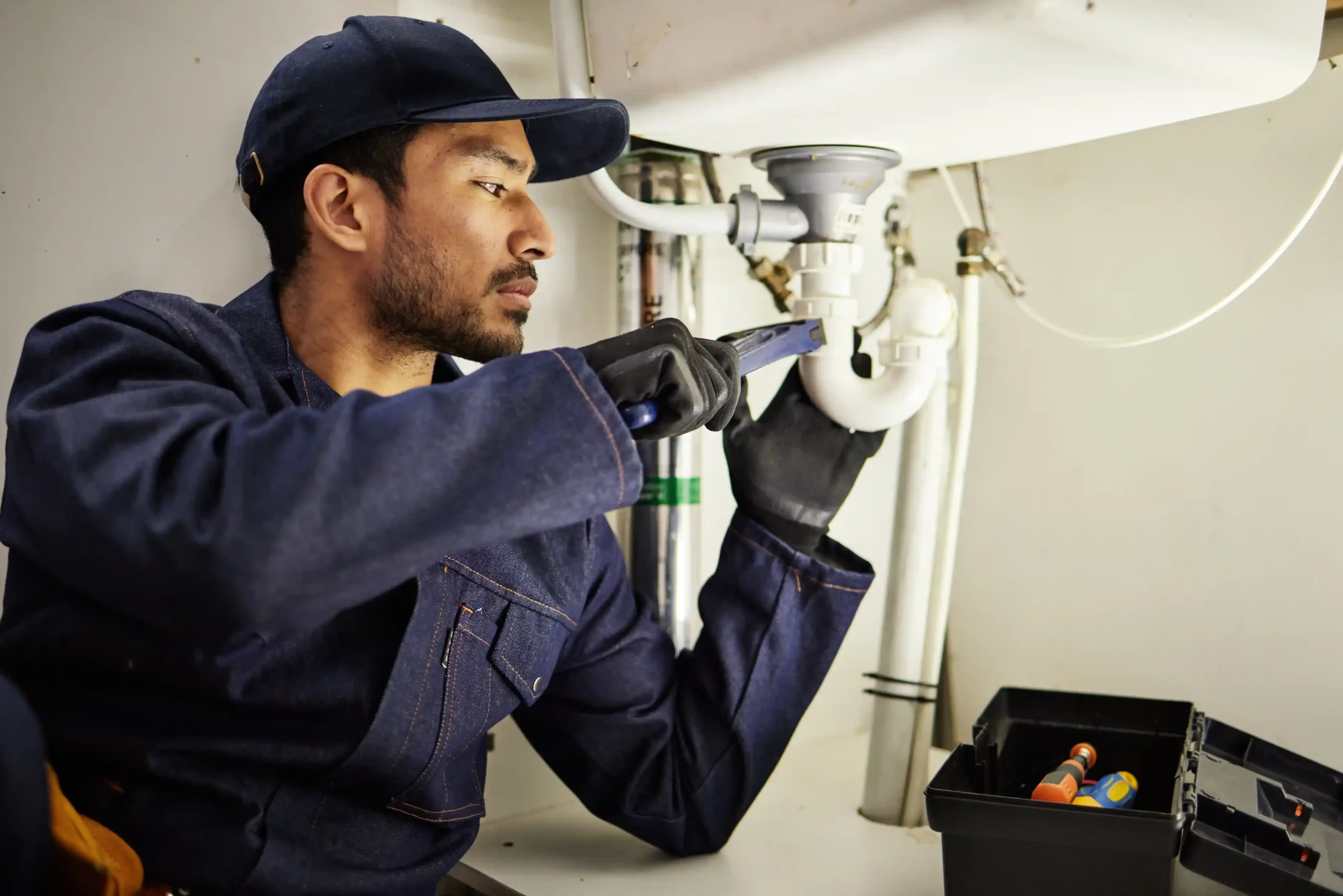
Stepping into a steamy shower on a chilly Brisbane morning is one of life’s small pleasures – especially after a sweaty summer footy game. But a reliable Hot Water System Installation in Kenmore doesn’t just happen on its own. As a Kenmore homeowner (I lived there myself!), I know choosing the right hot water setup is as important as picking a good surfboard for the waves – get it wrong and you’ll wipe out (or run out of hot water at dinner).
These top 10 tips will guide you through selecting and installing the perfect system for your Kenmore home. You’ll learn how to balance cost, size, energy use and safety so you can jump into a piping-hot shower with confidence!
Kenmore’s hilly streets and leafy homes often come with unique plumbing setups and water pressure quirks, so what works in central Brisbane might not suit your place. Whether you’re replacing a rusty old tank or building new, getting your system right from the start saves you money, stress, and cold showers down the track.
Tip 1: Size It Right – Match System Size to Your Needs
Every Aussie household is different. First, estimate your hot water demand. On average, each person uses about 50 litres of hot water per day. That means a family of four might need 200 litres each day. BreezyFlow Plumbing estimates a small household might get by with ~50 L, while a large one may need up to 250 L. If you’re planning to expand your family (or have uni kids moving back in), plan for future demand – hot water systems last around 10 years, so it pays to think ahead.
- One bathroom or small flat? A 50–80 L system might do the trick.
- Family of 3–4? Look at 160–200 L.
- Big household (5+ people)? Consider 250 L or more, or even multiple units.
- Peak usage matters: Evening showers, dishwasher and laundry all competing? Go bigger to avoid running cold.
Choosing the right size is like picking the right board at the surf shop – too small and you’re wobbling, too big and you’re dragging your feet. Get it right and everyone’s happy (and showered).
Tip 2: Fuel Type – Electric vs Gas (and Others)
Next, decide between electric, gas, solar or heat-pump systems. Each has pros and cons, so weigh them against your Kenmore lifestyle. Here’s a quick comparison:
| Feature | Electric Hot Water | Gas Hot Water |
| Upfront Cost | Lower installation cost (~$1,000–$2,000) | Higher installation (~$1,500–$3,000) |
| Running Cost | Higher (electricity is pricier), especially if no solar panels | Lower (natural gas/LPG is generally cheaper) |
| Energy Efficiency | Less efficient (storage losses), unless paired with solar | More efficient (instant heating, continuous flow) |
| Delivery | Might run out during peak (unless big tank or off-peak tank) | Continuous hot water – ideal for large families |
| Install Complexity | Easy – no venting needed, can go indoors | Complex – needs gas connection, ventilation, and safety checks |
| Best For | Small homes, areas without gas, solar-equipped homes | Large households, high-demand use, reliability during outages |
Electric systems are straightforward – they work anywhere there’s power, and installation is cheaper since no flues or gas lines are needed. However, running them can sting your wallet (and the planet) if you use a lot of hot water. They heat water slower and store it in a tank, so you might run out during a big shower blitz.
On the other hand, Gas systems heat water on demand and have a higher flow rate – great for Kenmore families who love long, hot showers. Gas is often cheaper per litre of heat, so your energy bills can be lower in the long run. The catch? Gas units and their venting gear cost more to install, and you need a safe, external position for the flue. They also run on natural gas or LPG bottles, which require a supply connection.
Don’t forget solar and heat-pumps, especially in sunny Queensland. Solar is the greenest choice, slashing energy bills (though with higher upfront costs). Heat-pumps use up to 70% less electricity than a standard unit. If you have space on the roof and enough sun, solar with an electric booster could be a brilliant fit.
Tip 3: Choose the Right Location
Where your system goes matters a lot. Ideally, keep it close to where hot water is needed (e.g. bathrooms/laundry) to reduce heat loss and waiting time. Indoor installations protect the unit from Brisbane’s weather (and hiding it in the garage saves the view), but some systems must stay outside. Gas and solar heaters often belong outdoors on a wall or roof, away from kids and pets.
Check clearance and ventilation requirements: gas units need vents far from windows, and tanks need space for maintenance. Make sure roof installations (common for solar) are on a sturdy, sunny spot facing north or northeast. If indoors, ensure there’s enough room for servicing and that leaks won’t drip onto the floor.
Fact: Installing an outdoor water heater in Kenmore’s hot, humid summers can be like parking your car in the sun – it heats up fast, so insulation and shade (or reflective paint) can actually help.
Tip 4: Budget Wisely and Get Multiple Quotes
Hot water installations in Brisbane typically range from about $800 to $4,000 depending on the system and installation complexity. For example, Canstar Blue suggests a new system runs $1,000–$7,000 nationally. To keep costs in check:
- Shop around: I grabbed three quotes before swapping my tank. Each plumber priced differently for labour and parts, so compare them.
- Ask what’s included: Does the quote cover both unit and plumbing, or just labour? Beware hidden fees.
- Consider long-term savings: A pricier efficient unit or solar system might pay off in lower bills. Remember, water heating can be up to 27% of a home’s power use, so a few extra bucks now could save heaps later.
- Look for deals: Sometimes suppliers run specials on certain brands or if you bundle with other services.
In short: don’t just pick the first cheap quote. Use it like shopping for a car or a house. This ensures you get quality work at a fair price.
Tip 5: Hire a Licensed Professional
Hot water systems involve electricity, gas, and plumbing – each requiring proper licencing. Never DIY a hot water install; it’s not just tricky, it’s also dangerous and against Australian Standards.
Pick a local Kenmore or Brisbane-licensed plumber (and gas fitter if needed) with good reviews. Check their licence numbers on the Plumbing Industry Council website. A licensed pro ensures your install meets all safety and efficiency regulations. Plus, they’ll handle important tasks like pressure testing, leak checks, and connecting an expansion valve.
Don’t risk it. A botched job can cause leaks, gas hazards or even burst tanks. One Kenmore homeowner learned this the hard way when attempting a weekend DIY – the water ended up everywhere but the shower! Trust an expert to do it right the first time.

Tip 6: Energy Efficiency Counts
With Queensland’s hot summers and rising energy costs, pick a system that won’t cost a fortune to run. Look for high star-ratings (appliance energy labels) and features like good insulation or off-peak timers.
- Insulation: A better-insulated tank keeps water hot longer, saving electricity.
- Timer switches: For electric systems, a timer can heat water overnight on off-peak power.
- Smart controls: Some modern systems let you adjust settings via an app.
- Solar pre-heating: In Kenmore’s sunny climate, using solar collectors even with gas/electric backup can drop bills drastically.
Remember that hot water can be a quarter of your power bill. Even small efficiency gains pay off quickly. In fact, the hipages advice hub reminds us that choosing an efficient model is more important than ever, given energy rates rising ~23% recently.
Tip 7: Plan for the Future
Think long-term like an Aussie footy coach planning next season. Your hot water needs might grow (a baby on the way, teenager moving in, pool parties, etc.), so factor in spare capacity. Also, consider any future home upgrades: are you going to add solar panels? If yes, an electric-compatible system might let you run it on sunshine later.
If gas isn’t currently connected but you may want it (or vice versa), ask your installer about hybrid setups. For example, some solar-boosted electric tanks have a gas booster. Or you might install the plumbing now and leave space for an extra tank later.
In Kenmore’s growing suburbs, renovation is common. A savvy neighbour converted their old electric tank into a heat-pump system down the line, saving money on bills.
Tip 8: Quality Brands and Good Warranties
Like picking a sturdy ute, go for reputable hot water brands. Well-known Australian brands like Rheem, Dux, Bosch and Rinnai have proven track records. They tend to last longer and have better support networks.
- Check warranties: Many tanks offer 5–10 year warranties on the heat exchanger and 1–5 years on parts. A longer warranty often means better quality.
- Reviews matter: Look up the model you’re considering. Kenmore locals often share opinions on local Facebook groups or community forums.
- Build quality: A thicker steel or stainless tank will outlast a cheap thin one. Some units have special anti-corrosion coatings.
A quality brand won’t give headaches down the track. Remember that your installer’s workmanship is critical too – as BreezyFlow emphasises, licensed Kenmore plumbers provide guaranteed, insured work. Ask if your installer guarantees their labor (e.g. 12 months warranty on installation).
Tip 9: Maintenance and Service
Once it’s installed, look after it and it will last. In Brisbane’s hard water, tanks can get mineral build-up. Yearly service is recommended. That includes flushing the tank, checking anodes (the sacrificial rods that prevent rust), and testing the pressure valve.
Keep the area tidy and ensure vents/panels aren’t blocked. If you have a gas unit, check the flue cap for debris every now and then. A well-maintained system can easily last 10–15 years.
And don’t ignore warning signs: noisy rumbling, rusty water, or frequent pilot light issues mean call a pro ASAP. A stitch in time saves nine – fixing little problems early (like a small leak or a worn sacrificial anode) can prevent a full tank replacement later.

Tip 10: Think Safety and Compliance
Safety is king. Ensure your installation follows all Australian Standards (e.g. AS/NZS 3500 for plumbing). Gas units should have a flashback arrestor and be carbon-monoxide safe. Electric units need a RCD/GFCI protection and correct earthing.
Also, temperature control: Set your tank to around 60°C and use anti-scald devices on taps or showers. This prevents legionella growth in the tank and avoids boiling your skin. In fact, health experts recommend 60–65°C in the tank with blending valves to deliver ~50°C at the tap.
Finally, get receipts and documentation. If your installer is licensed, you should receive a certificate of compliance (in case you ever sell the house). Keep warranty cards and manuals handy. These small steps ensure you and your family stay safe, and you can trust your hot water system to do its job day after day.
In the end, getting hot water right is a mix of head and heart. Use these tips to make an informed choice, but also trust your gut (and a qualified pro!) on the day of installation. A properly chosen and installed system will keep your family cosy with hot showers for years. Don’t wait for the cold snap – start planning today! Call a local Kenmore plumbing expert, compare a few quotes, and make sure you’re getting the best deal and service. Your future self (and your toes) will thank you.
FAQs
How much does it cost to install a hot water system in Kenmore?
It varies by type and size. On average, a new system in Australia runs from roughly $1,000 to $7,000. Simple electric systems (storage-type) might be at the low end (~$1,000–$2,000), while bigger gas, solar or heat-pump systems can hit several thousand. In Brisbane/Kenmore specifically, plumbers often quote $800–$4,000 inclusive, but you should get multiple quotes. Remember, the cheapest quote isn’t always best – factor in warranties and inclusions.
Electric vs. gas hot water – which is better?
There’s no one-size-fits-all. Electric systems are cheaper to buy and install and can go almost anywhere (no gas line needed). However, electric water heating typically costs more to run each month. Gas systems have higher upfront costs (and need safe venting), but generally heat water faster and are cheaper to operate on a per-litre basis. In Kenmore, if you have access to natural gas or LPG and a big household, gas can save money in the long run. If you have solar panels or only need a small system, electric may be more convenient. The “better” choice depends on your usage patterns, budget and home setup.
What size hot water system do I need for my home?
This depends on family size and hot-water habits. A rule-of-thumb is ~50 litres per person per day. For example, a couple might get by with ~100 L, while a family of five might need 200–250 L. Kenmore locals often report that single people or couples use a 50–80 L tank, whereas families of 4 or more go with 160–250 L. Also factor in peak usage (multiple showers, laundry and dishwasher at once), future needs, and whether you want a safety buffer to avoid running out of hot water. A plumber can calculate it more precisely by checking fittings and usage patterns in your home.