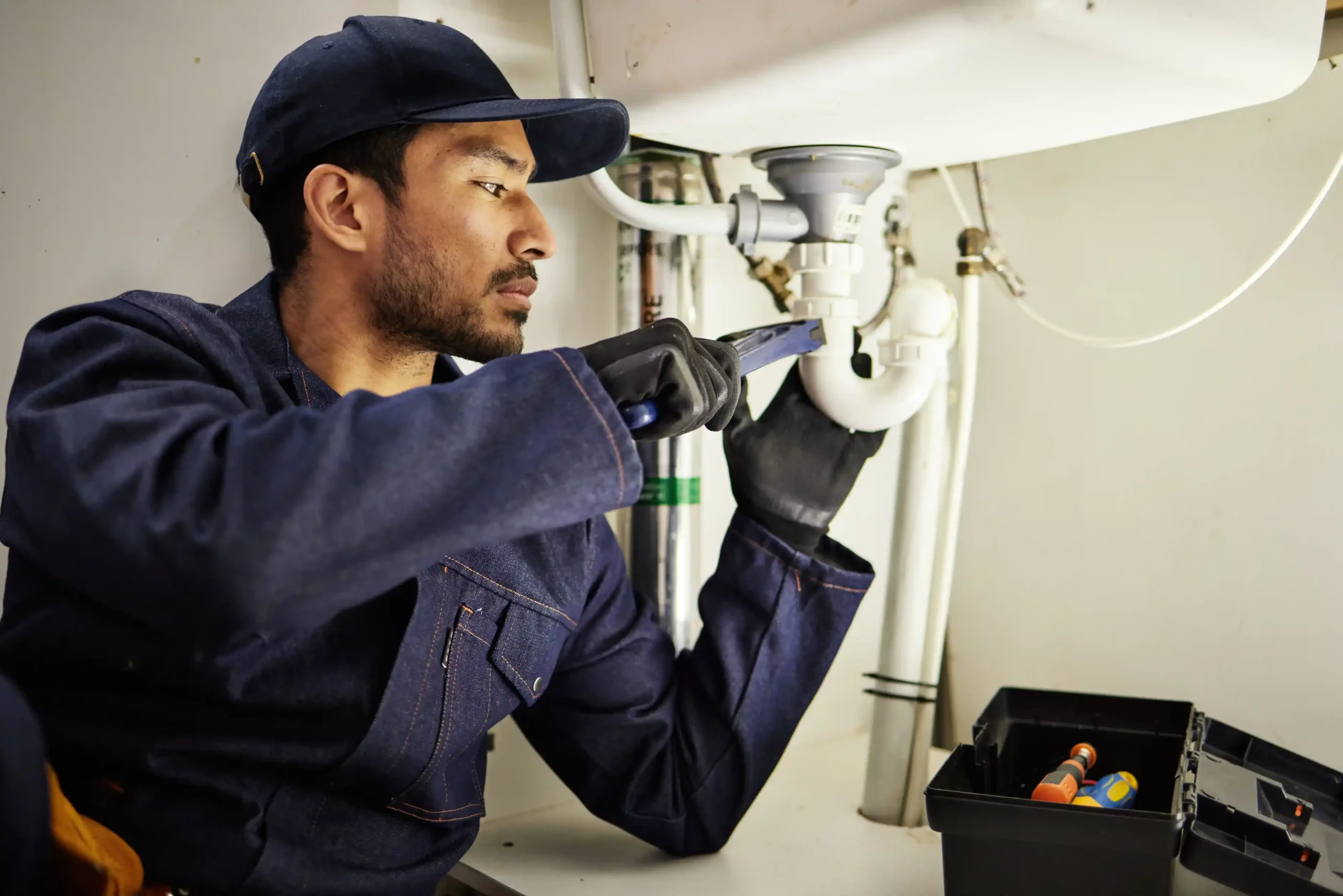
Kenmore’s showers should warm you up after a cool morning, not your energy bills. In fact, heating water can eat up around a quarter of a household’s energy, so choosing the right hot water system installation is one of the smartest ways to save. Living in sunny Brisbane suburbs like Kenmore means you can tap into natural advantages. With that in mind, this guide shares seven savvy tips based on Australian standards and rebates to keep your hot water costs down without sacrificing comfort. Let’s make sure your next hot water system (or hot water service installation) is cost-effective from Day One.
Whether you’re replacing an old tank or planning a new hot water unit installation, understanding how much energy water heating uses is eye-opening. Studies note roughly 21–25% of an Aussie home’s energy goes into heating water for showers, dishes and laundry. In Kenmore, with an average home using ~150 L of hot water daily, even small efficiency gains add up.
The good news? Many Kenmore families have boosted efficiency upgrading from drafty gas or old electric tanks to modern solar hot water or heat pump systems. These homes use our strong sunlight and government rebates (STCs and state grants) to cut power bills. By choosing the right system and planning your hot water system installation carefully, you can enjoy reliable hot water while keeping energy costs under control.
1. Choose an Energy-Efficient System
The first step in any hot water system installation is choosing a system that suits your household and climate. Kenmore’s balmy subtropical weather means solar collectors and heat-pump systems shine here. A solar hot water system uses rooftop panels to heat water (with an electric booster on cloudy days), while a heat-pump unit pulls ambient heat from the air.
Both hot water systems cost more up-front than a basic electric tank, but they can use far less electricity in the long run. In fact, heat pumps can slash running costs by up to 70% compared to standard electric heaters. As one government guide puts it, “Heat pump and solar hot water systems cost more to buy than other options but can be cheaper to run”.
For a quick comparison:
| System Type | Energy Source | Efficiency | Key Considerations |
| Electric storage tank | Electricity (grid) | Moderate (COP ~1) | Lowest purchase cost; high running costs; work well with off-peak tariffs or solar PV. |
| Gas (storage) | Natural gas/LPG | Moderate (COP ~0.8) | Faster recovery; needs venting; gas prices vary. Good for larger homes with high hot water demand. |
| Gas (instantaneous) | Natural gas/LPG | High (continuous flow) | Heats on demand (no tank); more efficient use of energy; may require gas line upgrades; endless hot water. |
| Heat pump (air-source) | Electricity (air) | Very high (COP ~3–5) | Works like reverse AC; very low running cost; higher purchase price; quiet outside unit; eligible for rebates. |
| Solar storage | Solar thermal + boost | Very high (when sunny) | Lowest running cost; requires good roof space/sunlight; electric booster for clouds; ideal for our sunny climate. |
Nearly half of Aussie homes once had plain electric tanks, but in Kenmore more families are switching to high-efficiency systems. If you’re unsure which to pick, experienced hot water system installers can assess your roof space, gas availability, and family size. For example, a 3–4 person home with decent roof sun might thrive on solar, while a smaller house with limited roof might prefer an instantaneous gas unit or heat pump.
Remember, pairing an electric system with rooftop solar panels (if you have them) is a powerful combo: it can drive power bills near zero. Whatever you choose, aim for a high-efficiency model that suits your property, whether you need residential hot water installation or commercial hot water system installation. That way, you cut both upfront bills (via STC rebates) and ongoing power costs.
2. Hire Qualified Installers and Follow Regulations
No DIY magic here Australian law requires licensed professionals to carry out hot water system installation safely and correctly. Hot water installations in Queensland must be done by licensed plumbers (and licensed gas fitters for gas units). If you’re fitting a solar or heat pump system, the installer also needs a special QBCC endorsement for solar/heat-pump work.
Why the fuss? Besides safety, compliance is key: in Brisbane-area projects like in Kenmore, a hot water system replacement is “notifiable work.” That means the certified plumber does the paperwork (Form 4 to the QBCC) and provides a Certificate of Compliance when done. In short: hiring an unlicensed handyman is illegal and can void warranties or even trigger fines.
Think of your hot water installation like brain surgery for your house. You wouldn’t cut corners on that! A certified hot water plumber will handle everything properly from leveling the tank to installing the mandatory Safety/Temperpressure Relief valves and a tempering (mixing) valve. By law, storage systems must heat water to 60°C to kill bacteria, but a tempering valve mixes it down so taps deliver no more than 50°C.
Licensed installers take care of all that (plus hooking up gas or power safely) and lodge the final compliance forms. The outcome? A dry, warm summer shower and no nasty surprises on your next home inspection. Always check credentials: ask, “Are you licensed and endorsed for this type of hot water system?”.
3. Tap into Rebates, Tariffs and Incentives
Time to lean on government help. Both federal and state incentives exist to cut the sticker price of a high-efficiency system. Under the federal Small-scale Technology Certificates (STC) scheme, eligible solar and heat-pump hot water systems earn certificates that installers can pass on as discounts. On top of that, Queensland has rebates for eligible homeowners, depending on the current scheme requirements.
Before choosing a system, it is worth reviewing the Australian Government’s guidance on hot water systems and available rebates to understand the different options, installation considerations and potential incentives. The combined effect of choosing an efficient system and checking available rebates can help reduce the overall cost of upgrading your hot water setup.
Many Kenmore families have already cashed in. In fact, Top Property data shows thousands of locals have moved to solar or heat pump hot water to chase those rebates. By syncing with your solar PV and using smart timers, you can make the system almost pay for itself. For example, homeowners report saving hundreds of dollars per year after switching from old electric or gas heaters to new efficient models.
If your 10-year-old gas or electric unit starts to falter, ask your plumber whether replacing it with a more efficient system could make your hot water system installation eligible for available incentives. It could turn a big replacement bill into a bargain. A little paperwork rebate can go a long way toward slashing costs.
4. Right-Size Your System and Insulate
Oversize = overspend. A common mistake is buying a giant tank “just in case.” A 400-litre monster will keep your family warm, but at the cost of heating water you don’t really use. Talk to your installer about the smallest size that meets your needs. For a typical 2–3 bedroom Kenmore home, an electric hot water system installation using a 250–315 L tank (or an equivalent gas or solar system) is often ample. Choosing the right system size is an important part of hot water system installation, as it prevents you from paying to keep more water hot than your household actually needs.
Similarly, proper positioning and insulation save money. If you can, place an outdoor tank in the shade to avoid reheating water heated by the sun (if that’s not your goal). Be sure the installer wraps the tank in thick insulation and uses UV-rated insulation on the pipes that keeps hot water hot between the heater and your taps. Good insulation can cut heat losses significantly (some studies say by up to 10–15%) over a year. The less extra electricity it takes to maintain temperature, the more you save. Think of it as adding a cosy jumper to your hot water tank in winter: it holds in warmth so you don’t have to reheat as often.
5. Maintain Your System and Monitor Usage
Even after a hot water system installation, your new unit isn’t a set-and-forget appliance. Regular maintenance, timely hot water system repair and smart usage go hand-in-hand with installation for long-term savings. Schedule an annual check-up with your plumber: they’ll flush out any sediment, check the anode rod, test safety valves, and nip small leaks in the bud.
Even minor drips are money down the drain: “Drips and leaks in your hot water system not only waste water, but energy too,” warns local plumbing experts. Fixing a leaky valve or seal often costs far less than the extra kilowatt-hours lost per day. Plus, well-maintained systems last longer, delaying the need for a costly hot water system replacement or upgrade.
Usage habits matter too. The temperature dial should be at a safe yet efficient setting: 60°C in the tank (to meet health regs) and no higher. You don’t need a furnace in your shower every extra degree wastes more electricity. In fact, plumbing pros note that dialing it beyond 60°C simply drives up your bills without improving comfort. Also, small behaviour changes add up: taking a shower just a few minutes shorter can noticeably reduce consumption. Short showers = less energy used. And don’t underestimate clothes laundry: modern detergents are formulated for cold water, so wash “light-coloured lucky socks” in the cold. Sometimes your clothes will thank you, and so will your wallet.
By combining the new system with these habits, you squeeze out every bit of efficiency. Even how you schedule heating can help (e.g. running the heater during off-peak electricity times, or using smart controls). These measures can help you get better long-term value from your hot water system installation while reducing unnecessary energy use.
6. Use smart controls and efficient habits:
When and how you use hot water affects your energy bill. Many electric tanks run on a controlled-load (off-peak) tariff, where power is cheaper at night; Your Home notes that off-peak electricity is billed at a lower rate to reduce the cost of hot water. Modern systems also have timers or smart controls so you can heat water when electricity is cheapest or when your solar PV is generating power.
Beyond technology, everyday habits matter too: fix dripping taps and leaks (especially on hot-water pipes) to avoid constant waste; take shorter showers or install a four-star (or better) WELS-rated showerhead to halve hot-water use; and avoid keeping the faucet in the mixed (half-hot) position when not needed. These practical steps combined with off-peak heating can shave energy use without affecting comfort.
7. Maintain and repair regularly:
A well-maintained system runs more efficiently and lasts longer, preventing costly emergencies. The QBCC stresses that regular servicing by a licensed plumber keeps heaters safe and efficient. Over time, sediment builds up in tanks and corrodes parts (like the sacrificial anode rod), reducing heat transfer and risking failure. Having a plumber flush the tank, replace the anode rod if needed, and check pressure-relief and safety valves can restore efficiency and avoid big repairs later. In short, treat your hot-water unit like any other appliance: a little preventive care now saves big replacement or repair bills down the track.
Conclusion
In Kenmore’s climate, a well-planned hot water system installation can help reduce household energy use while keeping your home comfortable. The key tips are: choose a system that fits your needs (leaning towards efficient heat pumps or solar options where feasible), hire licensed installers, and take full advantage of rebates. Right-sizing, insulation, and good maintenance keep ongoing costs low, while energy-saving habits (shorter showers, correct thermostat settings, quick leak repairs) multiply the savings.
Got an aging tank or planning a new home? Get in touch with ASFLOW Plumbing, Kenmore’s hot water experts. We’ll help you navigate the rules, pick the perfect system, and make sure it’s installed by the book so you can enjoy piping-hot showers and peace of mind. Reach out today and start saving tomorrow!
FAQs
What is the best type of hot water system for my Kenmore home?
The best option depends on your household size, hot water usage, roof space and existing energy setup, as well as the type of hot water system installation required. Solar and heat-pump systems can be highly efficient, while gas or electric systems may suit homes with different requirements.
Do I need a licensed plumber for hot water installation?
Yes. Hot water installation in Queensland must be carried out by appropriately licensed professionals, with additional requirements for gas, solar and heat-pump systems. A qualified plumber can also ensure the installation meets safety and compliance requirements.
What rebates or incentives can I claim on a new hot water system?
Eligible solar and heat-pump systems may qualify for government incentives, depending on current scheme rules and eligibility. Check the latest requirements before choosing your system, as rebates and eligibility can change.
How can I reduce my hot water heating costs at home?
Choose an efficient system, avoid unnecessary hot water use and keep the unit and pipework properly maintained and insulated. Fixing leaks early and using smart controls can also help reduce energy waste.
How long will my hot water system last before needing replacement?
The lifespan varies by system type, installation quality, usage and maintenance. If you notice poor heating, unusual noises, leaks or rust-coloured water, it may be time to have your system inspected.