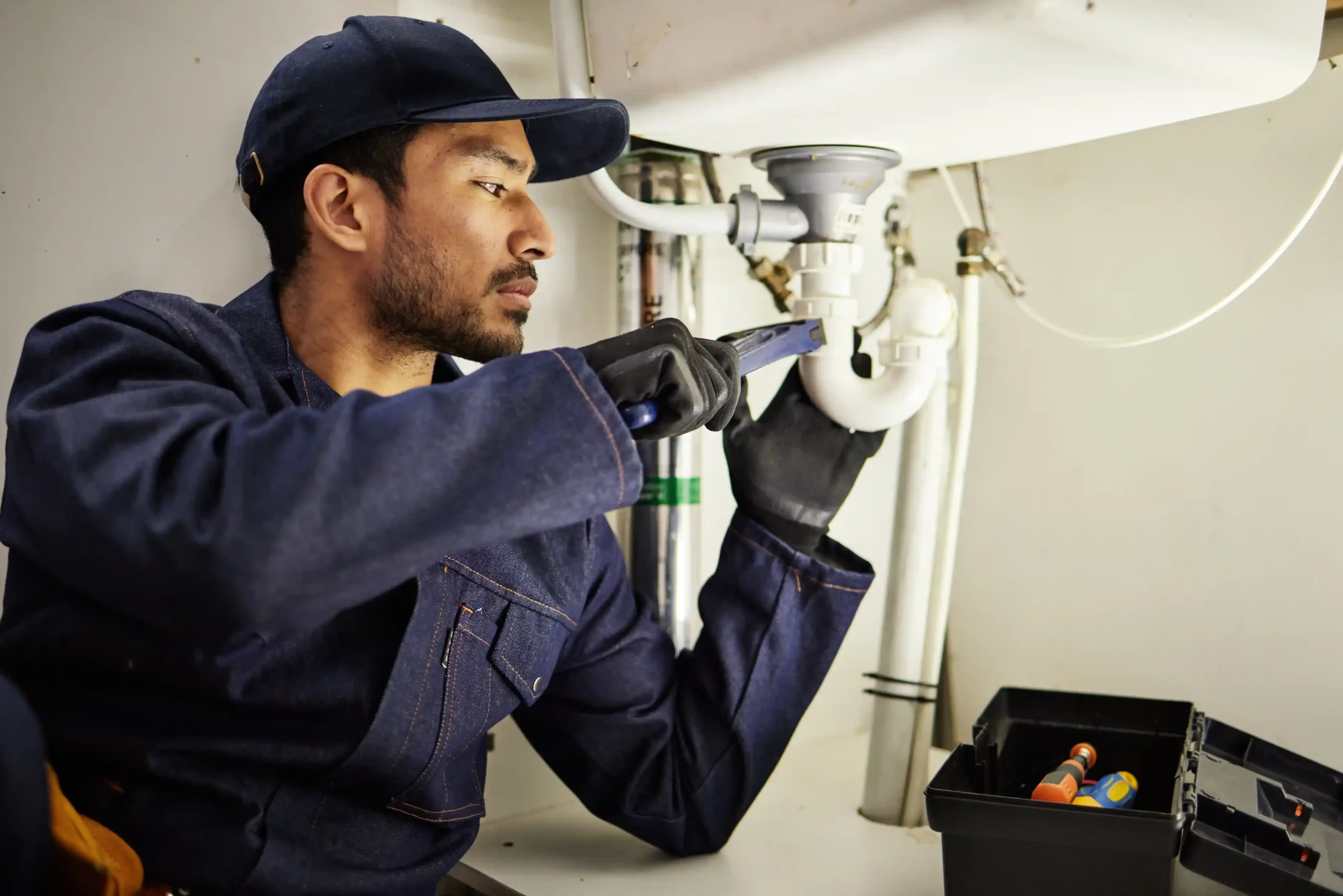
Living in Kenmore has its perks, but like any other place, homes here sometimes face plumbing issues. As someone who takes pride in maintaining my home, I’ve encountered and tackled various plumbing problems over the years. Handling these issues promptly not only saves money but also prevents more severe damage to the property.
One common problem is dealing with leaky faucets. It might seem like a minor nuisance, but even a slow drip can waste a significant amount of water over time. Another frequent issue is clogged drains and toilets, which can disrupt daily life and cause unsanitary conditions if not addressed quickly. Additionally, burst or leaking pipes can cause extensive damage if not repaired immediately. And let’s not forget the importance of maintaining the hot water system to ensure a consistent supply of hot water.
In this article, I’ll share how I tackle these common plumbing problems in my Kenmore home. These practical tips can help other homeowners manage their plumbing systems effectively and keep their homes comfortable. By taking a proactive approach to plumbing maintenance, we can all avoid unnecessary stress and keep our homes running smoothly.
Identifying and Fixing Leaky Faucets
Leaky faucets can be a common annoyance in Kenmore homes, but they are relatively easy to fix if approached correctly. The constant drips can waste water and increase your utility bills, so it’s essential to address them promptly.
– Identifying the Leak: The first step is to identify the source of the leak. Often, the problem is with the washer, O-ring, or valve seat. Turn off the water supply to the faucet before disassembling it. Carefully inspect each part to see if it is worn out or damaged. If the faucet is still leaking after replacing obvious parts, there may be issues deeper within the plumbing.
– Tools and Materials Needed: Basic tools such as a wrench, screwdriver, and pliers are usually enough to fix a leaky faucet. You’ll also need replacement parts, which you can find at any local hardware store. It’s a good idea to bring the old part along to ensure you get the correct replacement.
– Steps to Fix the Leak: Once you identify the faulty part, replace it with a new one. When you reassemble the faucet, make sure everything is tightened properly, but don’t overtighten, as this can cause further issues. Turn the water supply back on and check if the leak has stopped. If the problem persists, it may be worth consulting a professional plumber to avoid further complications.
Unclogging Drains and Toilets
Clogged drains and toilets are another common plumbing problem in Kenmore homes. They can create unpleasant conditions and disrupt daily routines if not resolved quickly. Fortunately, there are several effective methods to deal with these issues.
– Simple Solutions for Minor Clogs: For minor clogs in sinks and showers, a plunger can often do the trick. Fill the fixture with enough water to cover the plunger’s rubber part and give it a few firm pumps. If the water starts draining slowly, you’ve probably dislodged the clog.
– Using a Drain Snake: When a plunger isn’t effective, a drain snake can help. Insert the snake into the drain and twist it to catch and pull out the clog. This tool is particularly useful for deeper clogs that are out of reach.
– Natural Cleaners: For slower drains, a mixture of baking soda and vinegar can help break down the gunk. Pour half a cup of baking soda into the drain, followed by half a cup of vinegar. Let it sit for about 15 minutes and then flush with hot water. This method is gentler on pipes compared to harsh chemical cleaners.
– Preventive Measures: To prevent future clogs, avoid disposing of grease, hair, and food scraps down the drains. Regularly clean drain stoppers and strainers, and consider using a drain guard to catch debris before it enters the plumbing system.
By following these steps, I’ve managed to keep my home’s drains and toilets clear, ensuring everything flows smoothly. Regular maintenance and prompt action can help avoid the inconvenience and expense of serious clogs.
Repairing Burst or Leaking Pipes
Burst or leaking pipes can cause a lot of damage if not fixed promptly. I’ve found that quick action and the right techniques can prevent this problem from escalating.
– Identifying the Leak: The first sign of a burst or leaking pipe is usually a sudden drop in water pressure or visible water damage. If you suspect a leak, turn off the main water supply immediately. Then look for wet spots on walls, ceilings, or floors, as these can indicate the location of the leak.
– Temporary Fixes: For a temporary repair, I use pipe clamps or rubber patches. These can stop the leak until a permanent fix is possible. Wrapping the pipe with rubber and securing it with a clamp can hold back the water, but it’s essential to follow up with a more durable repair soon.
– Permanent Solutions: To permanently fix a burst pipe, you’ll need to replace the damaged section. Cut out the broken section using a pipe cutter, then measure and fit a new piece with appropriate connectors. Ensure all connections are secure and apply plumber’s tape to threaded fittings. Once completed, turn the water back on and check for leaks.
Repairing burst or leaking pipes quickly mitigates damage and prevents more complicated issues down the line. It’s always better to address these problems as soon as you spot them.
Maintaining the Hot Water System
A well-maintained hot water system is essential for any home. Regular maintenance ensures a consistent supply of hot water and extends the life of the unit.
– Regular Checks: I perform regular checks on my hot water system to avoid unexpected breakdowns. This includes inspecting the tank for any signs of rust or corrosion and ensuring that all connections are secure. Checking the pressure relief valve by lifting it and making sure it snaps back properly is also important.
– Flushing the Tank: Sediment build-up in the tank can reduce efficiency and lead to malfunctions. To prevent this, I flush the tank at least once a year. This involves turning off the power and water supply, connecting a hose to the drain valve, and letting the water flow out until it runs clear. This simple process removes sediment and maintains efficiency.
– Temperature Settings: I make sure the thermostat is set to an appropriate temperature, usually around 60°C. Setting it too high can cause scalding, while too low can encourage bacteria growth. Adjusting the temperature to a safe and effective level helps maintain the system’s health.
By taking these steps, I ensure that my hot water system is reliable and efficient. Regular maintenance prevents sudden failures and keeps hot water flowing smoothly throughout my home.
Final Thoughts
Managing common plumbing problems is crucial to maintaining a comfortable and efficient home in Kenmore. By taking proactive steps such as identifying and fixing leaky faucets, unclogging drains and toilets, repairing burst or leaking pipes, and maintaining the hot water system, I can prevent disruptions and costly repairs. These small yet effective efforts help keep my home’s plumbing in top shape, ensuring smooth operations and peace of mind.
If you’re experiencing any plumbing issues or looking for expert advice on maintaining your home’s plumbing system, contact Asflow Plumbing. Our professional team is here to help you with all your plumbing needs and ensure your home remains comfortable and problem-free. Call Asflow Plumbing today and experience top-notch plumbing services.