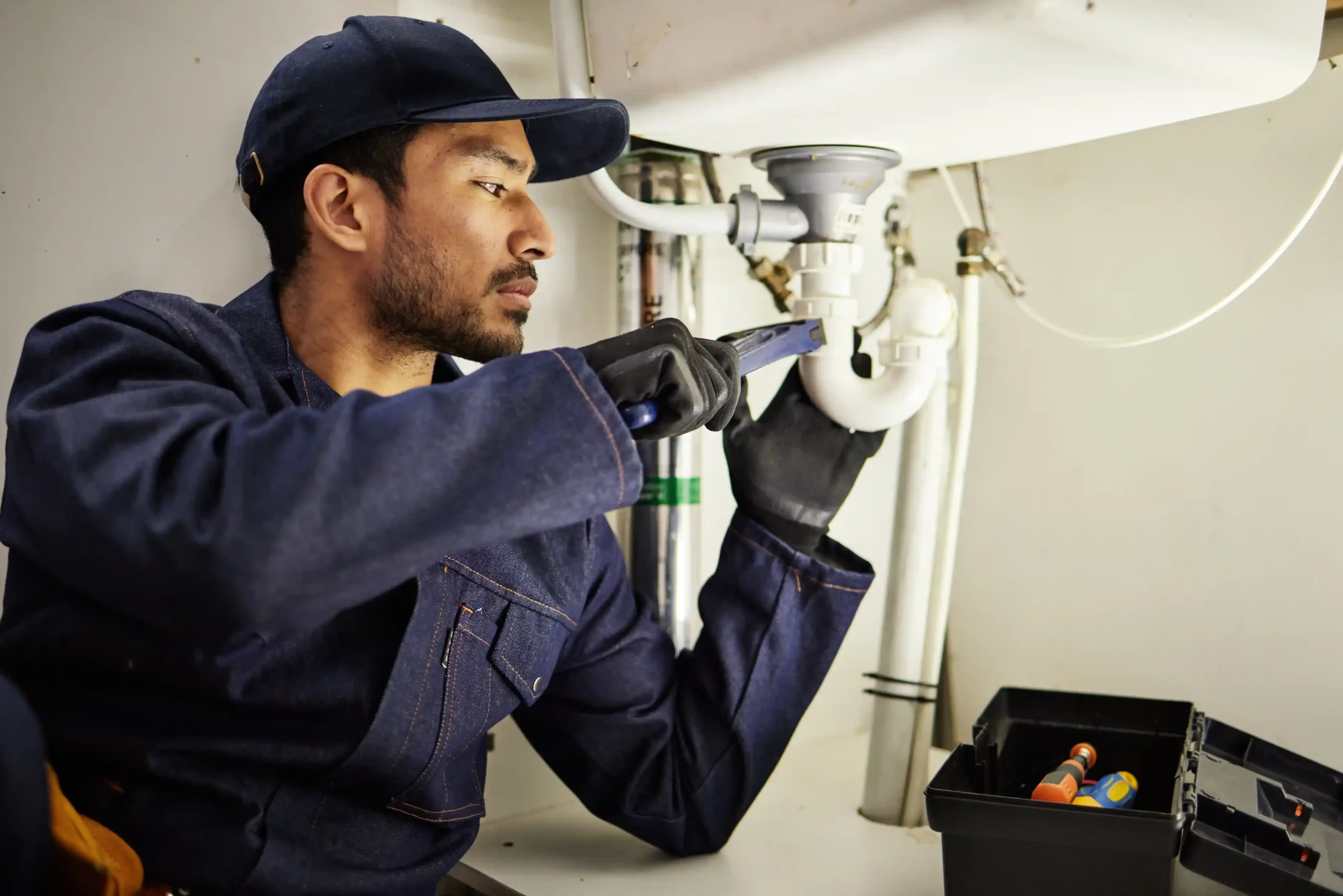
Blocked drains are one of the most common plumbing problems in Kenmore and Pinjarra Hills. Left untreated, they can quickly lead to water damage, bad odours, and costly repairs. That’s why contacting a Local Emergency Plumber Pinjarra Hills at the right time is so important. A qualified Local Emergency Plumber Pinjarra Hills has the tools, training, and local experience to diagnose the cause of the blockage and restore proper drainage safely and efficiently.
While minor clogs can sometimes be managed with simple methods like hot water or a plunger, more serious blockages require professional attention. In this guide, you’ll learn practical steps to manage blocked drains, understand when to call a 24 hour plumbing service, and see how an emergency plumbing service can protect your home from further damage.
Why You Can’t Ignore a Blocked Drain
A clogged drain might start as a small annoyance – water pooling in your shower or a slow-draining sink – but it can quickly escalate into a serious plumbing problem. What seems minor today can quickly become a costly repair tomorrow.
In Queensland’s climate, tree roots, debris, heavy rainfall, and greasy build-up are common causes of blocked drains. Homes in Kenmore and Pinjarra Hills are often surrounded by large gum trees and jacarandas, and their roots actively search for moisture. Even a small crack in an underground pipe can attract roots, which then grow inside and create major blockages.
Leaving a clog untreated only makes things worse. A slow drain can turn into multiple fixtures backing up, strong sewage odours, or even wastewater overflow. In fact, the Gold Coast council highlights that persistent slow drains, gurgling sounds, or overflowing toilets are clear warning signs of a sewer blockage that should not be ignored.
The longer a blockage sits, the more compact and stubborn it becomes — and the more difficult it is to clear. Acting early helps prevent structural pipe damage, protects your home, and reduces health risks.
DIY Quick Fixes to Try First
Before you dial up the Local Emergency Plumber Pinjarra Hills, there are some safe DIY tricks you can try. You might be surprised how often old-school methods work (and they save a plumbing bill!). Many Aussies swear by these home remedies – just make sure not to force anything or use harsh chemicals that could damage your pipes.
- Boiling Water: This might sound obvious, but pouring hot (not boiling if you have plastic pipes) water into the drain can melt away soap or grease clogs. In fact, a step-by-step guide recommends boiling water in cups and slowly pouring it into the drain to dissolve buildup. It’s especially good for kitchen sinks clogged by fat. Just be careful if your pipes are PVC or very old – too much heat can warp them.
- Baking Soda & Vinegar: This eco-friendly fizz works like a mini volcano down the drain. Try one cup of baking soda followed by a cup of white vinegar. The bubbling action can help break down soap scum and small clogs (common culprits in bathroom drains). Let it sit for 10–15 minutes, then flush with hot water. It’s a clever trick to reach spots boiling water alone might not dissolve.
- Plunger Power: Plungers aren’t just for comic effect. A good old plunger can clear many sink and toilet clogs. Ensure a tight seal and use firm, pumping motions. It creates suction that can yank out the blockage if it’s not too far down. This is usually the next step if water is still pooling after the hot water and vinegar treatments.
- Drain Snake / Auger: For tougher clogs, a drain snake (sometimes called a “plumber’s snake” or auger) can be a hero. You feed this coiled metal cable into the drain and crank it to hook or break up the blockage. Home hardware stores sell manual snakes – great for recurring clogs. If you’ve got a bigger blockage (or something deep in the pipes), a more powerful auger is the tool. Handle gently: push slowly and rotate to snag debris.
- Coat Hanger (Last Resort): Don’t laugh – in a pinch, straightening a wire coat hanger can help you fish out visible hair clogs near the drain. Just bend a small hook on one end and gently work it down. Caution: don’t jam it too deep or force it aggressively. It’s easy to push the blockage further or scratch the pipe. Use it only if nothing else is at hand and you see the clog.
These DIY methods are usually safe and can solve minor blockages. But avoid chemical drain cleaners – they’re harsh on pipes and don’t always work on serious clogs. If you try a couple of these tricks and water still won’t budge, it’s time to call in a Local Emergency Plumber Pinjarra Hills.

When to Call an Emergency Plumber Kenmore or Pinjarra Hills
So you’ve tried the DIY route and the drain is still blocked? Or maybe the situation was dire from the start (like sewage backing up or water flooding into your home). That’s when you reach for your phone and call a professional. But how do you know it’s really time? Here are some red flags and scenarios where you should pull the plug on DIY and get an emergency plumbing service on the job:
- Multiple Blocked Fixtures: If water is slow in more than one place (say your sink and shower or two different bathrooms), it suggests a main drain issue. This is beyond DIY – tree roots or a big sewer clog could be the culprit. One plumber blog warns that a clog in one area often affects the whole house’s drainage. That’s a sign to call a Local Emergency Plumber.
- Sewage Smell or Backflow: Any trace of sewage odour or, worse, wastewater backing up into your home is a clear sign of a serious drainage problem. Sewage overflow is a health risk and can contaminate floors, walls, and household surfaces very quickly. Plumbing safety guidelines in Australia state that sewage backflow requires immediate professional attention to prevent structural damage and reduce exposure to harmful bacteria. Acting quickly helps limit property damage and protects the health of everyone in the home
- Complete Drainage Stop: If a toilet won’t flush (and isn’t just broken) or a drain stays completely full no matter what you do, it’s often urgent. The local emergency plumber might send someone out even at night or on weekends. It prevents major water damage.
- Damage in Progress: Leaking or burst pipes that cause pooling water, or clogged drains that are already backing up onto floors or countertops, qualify as emergencies. As one expert notes, don’t let water pour everywhere; if needed, shut off your water main and ring the pros.
- After-Hours Situations: If it’s late at night, a holiday, or a weekend and you have a blocked drain that disrupts home life (like the only toilet not working), look for a 24/7 local plumber. A Local Emergency Plumber Pinjarra Hills typically offers round-the-clock service precisely for these moments. They promise quick response (often within an hour or two) and the right equipment to fix problems fast.
Checklist: Some quick “when to call” signs include gurgling sounds, persistent bad odors, slow drainage in multiple outlets, or any sign of overflow. The City of Gold Coast actually lists similar signs on its website – toilets not flushing, showers draining slowly, or gurgling in floor drains all mean it’s time for a plumber. Trust your gut: if a clog seems stubborn or is causing extra hassles, go local and go professional.
Benefits of Hiring a Local Emergency Plumber Pinjarra Hills
Why not just Google “plumber near me” and pick any number? Because a local specialist brings a lot of advantages. A Local Emergency Plumber Pinjarra Hills knows the area’s plumbing quirks, can get to you faster, and often comes highly recommended by neighbours. Here are some perks of hiring local professionals:
- Quick Arrival – Local guys (or gals) are near you. In an emergency, you want someone who can drive through Kenmore traffic or dart up Hinze Road in Pinjarra Hills without wasting time. Many 24-hour plumbing services advertise a 60- or 90-minute response. Choosing a plumber Pinjarra Hills (or nearby) means less wait and less water damage.
- Local Expertise – Every suburb has its plumbing DNA. In Pinjarra Hills and Kenmore, older homes might have cast-iron drains, and trees like jacarandas or pines send roots after moisture. A local plumber will have dealt with these issues before. They’ll know, for example, that heavy rains in this area can sometimes wash debris into stormwater drains or even carry greasy food from local eateries into residential pipes.
- 24/7 Service – When dealing with blocked drains, access to a 24 hour plumbing service can make a significant difference. Many plumbers in Pinjarra Hills and surrounding areas operate around the clock to manage urgent plumbing issues. Whether the problem occurs late at night, on a weekend, or during a public holiday, an emergency plumbing service ensures that serious drainage problems are addressed promptly. Immediate attention helps reduce the risk of property damage, prevents water contamination, and restores essential plumbing functions as quickly as possible.
- Trusted Reputation – Pinjarra Hills and Kenmore folks tend to share recommendations. Local plumbers often live in or near the community, so their reviews (online or word-of-mouth) matter. You’re less likely to get “wowed” by wild quotes; local plumbers may even offer transparent pricing. (For example, an emergency call-out might cost more, but some companies publish their emergency fees to avoid surprises.)
- Full-Service Solutions – A good local emergency plumber isn’t just about quick fixes. They bring the pro tools: CCTV drain cameras to pinpoint the blockage, high-pressure water jets to scour pipes clean, and professional drain snakes that cut through tree roots. According to plumbing experts, cameras and jetters are standard these days. You’re not just getting a snake-from-the-hardware-store job; you’re getting industrial-strength equipment.
- Compliance and Safety – Any plumber worth their salt will be licensed and insured. In Queensland, that means they work by code – e.g. the Queensland Plumbing and Drainage Act standards. A Local Emergency Plumber Pinjarra Hills should carry the proper licenses for gas and plumbing, so you know the repair is safe. This is the kind of trust that avoids future leaks or damage caused by inexperience. And importantly, if the blockage is in the city sewer main (yikes!) or a private pipe, a licensed plumber can handle the reimbursement process (as city rules often require) so you’re not hit with unexpected bills.
Local knowledge matters: Choosing a plumber with a proven local reputation and fast emergency response is important. A professional who understands the plumbing systems, soil conditions, and common drainage issues in Pinjarra Hills can diagnose problems more accurately and respond more efficiently. Local experience often means quicker arrival times and a better understanding of area-specific pipe and sewer challenges.
What to Expect from an Emergency Plumbing Service
So, you’ve decided to call. What happens next? A good emergency plumber will typically give you an honest upfront quote (even if it’s a ballpark), and arrive ready to work. Here’s a rough breakdown of what you might see:
- Rapid Assessment: Once on site, the plumber will check the clogged fixture and ask questions: “How long has this been happening? What did you try?” They may look at other fixtures to see if there are multiple issues. Because time is money (especially after hours), they’ll get right to diagnosing.
- Drain Camera Inspection: Many modern plumbers start with a CCTV camera inspection. They snake a waterproof camera down the line to find the exact location and cause of the blockage. This might feel a bit creepy (you’ll hear the camera beeps), but it’s quick and avoids unnecessary digging or guesswork. You might see the screen if they show you – sometimes you can even catch a live feed of the roots or debris causing the trouble!
- Clearing the Blockage: Depending on the clog, the plumber will choose a method:
- Hydro-Jetting: High-pressure water jets clear grease, sludge, and even tree roots from inside pipes. It works like pressure cleaning the inside of the drain. When done by a licensed plumber, hydro-jetting is an effective and safe method for restoring proper water flow in healthy pipes.
- Electric Eel (Power Auger): For thick roots or really tough gunk, a motorized snake (sometimes called an “eel”) drills through the clog.
- Manual Tools: Sometimes a basic plunger or auger does the job, especially for sink or toilet clogs.
- Plumbing Chemicals (with Caution): In rare cases, a professional-grade enzyme or bio-cleaner might be used, but plumbers prefer mechanical methods first.
- Hydro-Jetting: High-pressure water jets clear grease, sludge, and even tree roots from inside pipes. It works like pressure cleaning the inside of the drain. When done by a licensed plumber, hydro-jetting is an effective and safe method for restoring proper water flow in healthy pipes.
- Additional Repairs: If the drain is in bad shape (e.g. roots have cracked the pipe), the plumber might recommend follow-up work like pipe relining or replacement. This usually happens in a scheduled job later, not during the emergency call, unless it’s an absolute must.
- Pricing: Emergency calls cost more than normal hours. For reference, one price guide lists a typical “Drain Unblock” fee at $120–200, but an after-hours emergency could be $240–400. A blocked toilet might be $80–160 normally, but $190–320 on emergency call. The key is transparency: a trustworthy plumber will tell you their callout fee and hourly rate (or fixed price) up front. It helps to ask before they start: “What’s the call-out fee and the cost per hour?”
- Fix and Test: After unclogging, they’ll run water to make sure it drains clear and check other taps. They’ll likely give you tips on what caused the clog and how to prevent a repeat (see next section). Usually, the plumber will ask if everything else works fine before packing up.
- Guarantee: Many emergency plumbers offer a short warranty or guarantee on their work. For example, if the same clog returns within a week, they might come back at no extra charge. Be sure to ask about guarantees or follow-up.
Once the job is done, you’ll hopefully have free-flowing drains and peace of mind. If not, at least you know an expert took care of the nightmare!
| Plumbing Task | DIY Methods | Professional Service |
|---|---|---|
| Minor kitchen clog | Boiling water, baking soda & vinegar, plunger | Hydro-jetting or auger for stubborn grease |
| Bathroom sink clog | Plunger or hand-snake, enzyme cleaner | CCTV inspection + professional snake/jet |
| Main sewer line | None (too deep) | CCTV camera scan + hydro-jet + possible pipe relining |
| Organic clog (roots) | Not safe to attempt | Specialized root-cutting snakes or hydro-jet, often with insurance claims if city pipe is faulty |
Table: DIY vs Professional solutions for various blockages.
Preventing Future Blockages
Once the crisis is over, you can put some shields up to keep drains clear. Some prevention tips are surprisingly easy. These simple habits can save you from needing a Local Emergency Plumber Pinjarra Hills at the worst possible time.
- Watch What Goes Down: The golden rule from water authorities: only water, liquid detergent and soap should go down your kitchen sink. No more scrubbing pans and pouring grease or oil down the drain. The Sydney Water “Save Our Sinks” campaign points out that fats, oils and grease solidify in pipes and can cause “major blockages”. Let fat cool, wipe pans with paper towel, and bin it. Coffee grounds, although they seem harmless, clump together and don’t dissolve – use a sink strainer (and empty the grounds into compost or trash). And no baby wipes, sanitary products, cotton buds, etc., even if they claim to be “flushable”.
- Regular Hot Water Rinse: Once a week, flush your kitchen drain with a pot of hot water (not boiling) to wash away any accumulating grease. It’s an old plumber trick.
- Install Strainers and Screens: Tiny mesh filters in your sinks and shower drains catch hair and food bits. Make it a routine to empty them into the bin every few days. It’s simple, cheap insurance against clogs.
- Tree Root Barriers: If roots are a known issue on your block, ask a plumber about installing a root barrier or regularly jetting the pipes. Some homeowners even treat lawns with root inhibitor products where sewers run.
- Routine Plumbing Check-up: Consider a yearly inspection by a licensed plumber, especially if you have an older home. They might do a quick camera scan or high-pressure clean to ensure everything is clear. It’s cheaper to do a preventive flush than a full emergency rescue. Regular maintenance also reduces the chances of calling a Local Emergency Plumber Pinjarra Hills for unexpected after-hours issues.
- Mind the Kids (and Guests): Make sure everyone in the house knows what not to flush – a simple “no wipes, no paper towels, no toys” sign near a bathroom can save a lot of trouble.
Plumbers often recommend these simple habits to reduce the risk of emergency plumbing issues. Industry guidelines also highlight the importance of homeowner awareness and routine preventive maintenance in preventing future blockages. Taking small preventive steps is one of the most effective ways to protect your plumbing system and avoid unexpected late-night drainage problems.
Conclusion
Blocked drains can ruin your day (or night), but you’re now armed with the know-how to handle them. You tried boiling water? Great. You gave vinegar and baking soda a go? Perfect. If the water still isn’t budging, don’t panic. The Local Emergency Plumber Pinjarra Hills community is on standby, ready with cameras, augers and smiles to clear out that clog. They’re professionals, after all – trained to tackle these messes without the guesswork (and to spare you the chemical stink).
When you finally flush, and the water whooshes away smoothly, remember: you turned a plumbing crisis into a triumph. Maybe even reward yourself with a cup of coffee that goes into your bin, not your sink, this time! And keep our tips handy, because the next time a drain acts up, you’ll know exactly what to do – or who to call.
Ready to clear that drain? Don’t let a clog slow you down: if DIY fails, trust a Local Emergency Plumber Pinjarra Hills. They’re on call 24/7 to get Pinjarra Hills and Kenmore homes back to normal.
Frequently Asked Questions
How do I know if my blocked drain is an emergency?
If water won’t drain from multiple fixtures, if you smell sewage, or if water is overflowing inside, treat it as an emergency. Single slow sinks can be DIY, but anything worse – call local emergency plumber.
Can I fix a blocked drain myself?
You can try home remedies like boiling water, baking soda & vinegar, or a plunger first. But if those don’t work in a few minutes, or if multiple drains are affected, it’s time to call a pro.
What does a 24 hour plumbing service cost?
Emergency services cost more. For example, clearing a drain might be $120–$200 normally, but $240–$400 for an after-hours call. Always ask about the callout fee and rates before they start.
Why hire a local plumber in Pinjarra Hills?
Local plumbers in Pinjarra Hills and Kenmore know the area’s plumbing issues and can arrive quickly. They offer faster 24/7 response and often have a trusted reputation in the community.
How can I prevent blocked drains?
Never pour grease, oils, food scraps, or coffee grounds down the sink. Use sink strainers, flush pipes with hot water regularly, and avoid flushing wipes or sanitary items. Regular maintenance inspections by a plumber also help prevent surprises.