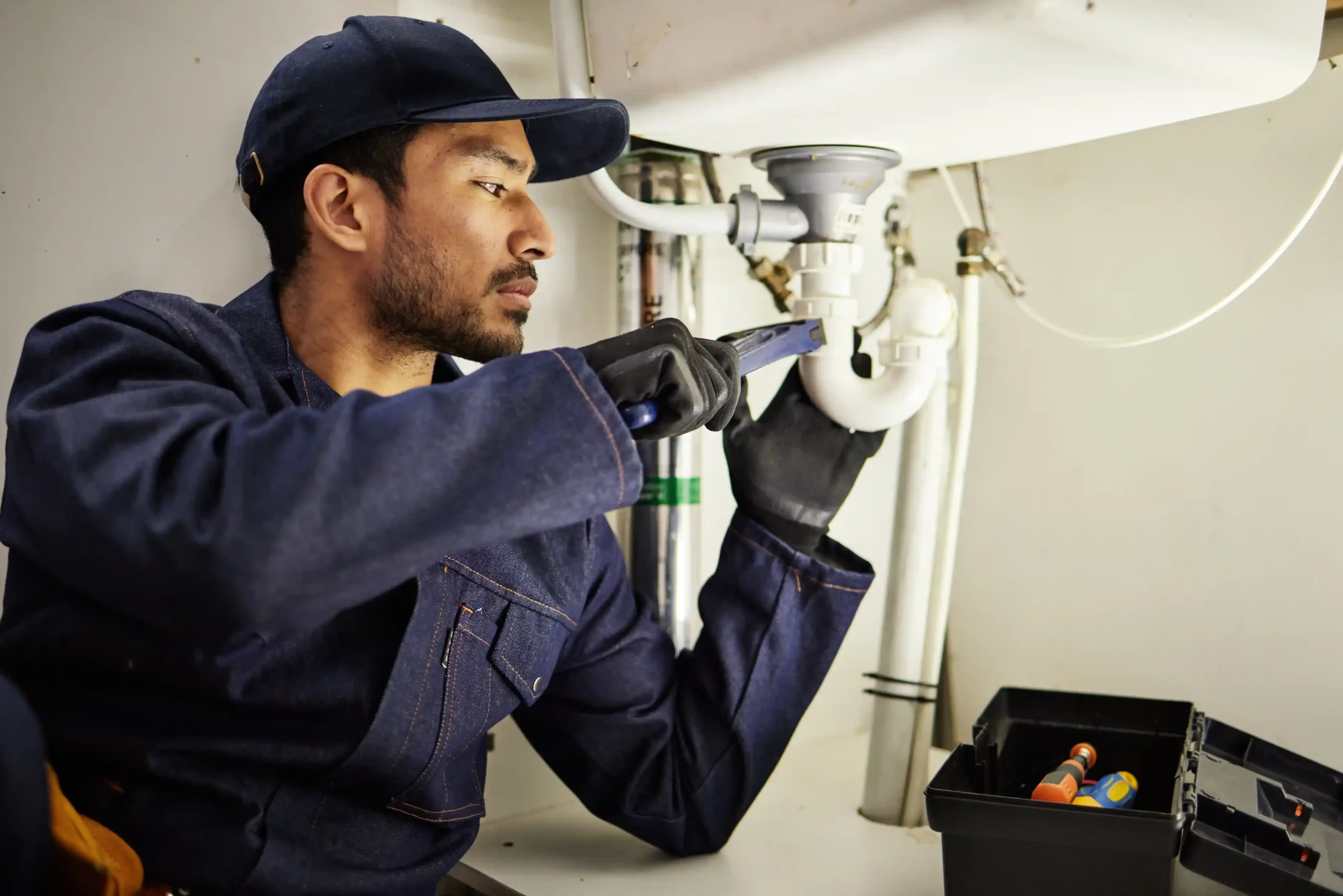
Your kitchen sink starts bubbling ominously. Suddenly water is creeping onto the floor. It’s the middle of the night in Kenmore – and you’re knee-deep in trouble. Cue the emergency plumbing repairs. When major drains clog, an emergency plumber swoops in with high-tech gear and years of know-how, clearing the mess far faster (and cleaner) than any household trick. In this guide, we’ll walk you through why blockages happen, how pros tackle them, and how to get help fast – whether you’re in Kenmore or Pinjarra Hills.
Imagine this: you’re cooking dinner and you notice the sink drains slower than usual. You shrug and use a plunger. Five minutes later you realize it’s worse – water is backing up. Before long, your kitchen is a small lake. That’s when an Emergency Plumbing Repairs team gets called. These pros arrive with snaking machines, high-pressure jets and even tiny cameras on cables. They diagnose the issue in minutes and clear that clog – often within an hour – so your home can dry out before dawn.
Modern drains look simple, but when blocked by grease or roots, they become emergencies. Emergency plumbing repairs jump into action with the tools and expertise needed to break up tough clogs and flush your pipes clean.
What Causes Major Blockages?
Drains clog for lots of reasons, but a major blocked drain usually has a big culprit. Common causes include:
- Grease and Fat: Pouring cooking oil down the sink is asking for trouble. Grease cools and solidifies, catching hair and debris. Over weeks it can form a concrete-like clog.
- Tree Roots: In suburban yards like Pinjarra Hills, roots from trees sometimes invade sewer lines. They wedge into tiny cracks and act like a net, trapping everything flushed down the pipes.
- Foreign Objects: Kids’ toys, sanitary products, or even too much toilet paper can jam a drain. Once stuck, they create a dam that slows or stops all wastewater.
- Collapsed or Damaged Pipes: Old or poor-quality pipes can crack or collapse underground. When that happens, the pipe’s function fails completely, leading to severe backups.
Often, multiple sinks or showers gurgling at once means the blockage is deep in the system. On the other hand, if only one drain is slow, it might just need a plunger. But never ignore the warning signs. As Victoria’s Better Health Channel warns, “sewage contains harmful microorganisms such as bacteria, viruses and protozoa”. A plugged-up sewer isn’t just an inconvenience – it’s a health hazard. When things escalate to that level, Emergency Plumbing Repairs become essential to protect your home and your health. If contaminated wastewater starts bubbling up in your home, call for emergency plumbing help immediately.
Table: Common Blockage Causes & Solutions
| Blockage Cause | How Plumbers Clear It | Prevention Tip |
|---|---|---|
| Grease/Soap Build-up | Professional hydro-jetting blasts away grease on pipe walls | Avoid pouring oil down drains; use sink strainers |
| Tree Roots | Mechanical cutting (rotating saw attachments) to slice roots | Inspect/seal sewer joints; remove nearby trees |
| Foreign Objects | Plumbing snake/auger to fish out or break up debris | Flush only human waste and toilet paper |
| Cracked/Collapsed Pipe | Trenchless relining (lining old pipes with resin) | Regular inspections; replace old pipes proactively |
Recognizing a Plumbing Emergency
Not every slow drain needs an ambulance, but some symptoms mean emergency plumber, stat. Watch out for:
- Overflowing Toilets or Sinks: If water or sewage is rising above the bowl or rim, you need help now.
- Water Backing Up in Multiple Fixtures: If your shower, toilet, and sink all gurgle together, the main drain is blocked.
- Loud Gurgling Noises: Strange bubbling or gurgling means air is trapped by a clog somewhere deep in the pipes.
- Foul Sewage Smells: A bad stench often indicates sewage is pooling or leaking. As the experts say, “avoid direct contact with sewage,” because it can cause gastroenteritis and other illnesses.
- No Water Flow: If water won’t flush or drain at all, you might be literally swimming in plumbing trouble.
When these warning signs appear, time is of the essence. Standing sewage or floodwater can damage floors and walls, or even encourage pests. This is exactly when Emergency Plumbing Repairs step in to stop the chaos before it turns into structural damage.
A quick response by an emergency plumbing service can prevent expensive water damage. Many plumbers in Brisbane operate a 24 hour plumbing service, meaning someone can come fix it at 2am if needed. Keep the number of a trusted local emergency plumber (or an emergency plumbing service) on speed dial for exactly these moments.
DIY Quick Fixes – When They Work (And When They Don’t)
Before calling in the cavalry, you might try some quick home fixes. For small clogs these can help:
- Hot Water Flush: Boil a kettle and carefully pour boiling water into the drain. Hot water can melt away minor grease build-up in your kitchen sink.
- Baking Soda & Vinegar: Mix half a cup of baking soda, followed by half a cup of vinegar down the drain. Wait 30 minutes, then flush with hot water. This fizzing mix can loosen up organic gunk (but isn’t miracle-working on heavy clogs).
- Plunger: A good old plunger can create enough pressure to clear soap clogs or plunge an airlock in a toilet. Make sure there’s water covering the plunger bell for a tight seal. Tip: Block any secondary overflow holes or nearby drains with a wet cloth to focus the pressure.
These methods can fix minor issues, but they have limits. If water is already bubbling back or the clog is severe, plunging might make the mess worse. Never pour harsh chemical drain cleaners (like Drano) down a clogged pipe – they can erode your pipes and harm the environment. Also, mixing bleach and ammonia (common in cleaning products) produces toxic gas – definitely not worth a quick fix.
If DIY doesn’t clear it in 10–15 minutes, or if you’re dealing with sewage backup or multiple fixtures, it’s time to call a professional. That’s when Emergency Plumbing Repairs become the smarter (and safer) move. In fact, Queensland law mandates that emergency plumbing work must be done by a licensed plumber (as outlined by the Queensland Government). It’s illegal and unsafe to have an unqualified person fiddle with your sewer lines. A licensed emergency plumber has special training and tools to fix the problem without causing more damage.
When your DIY efforts fail, a licensed emergency plumber arrives armed for battle. They carry snake augers, heavy-duty jetters, and cameras to diagnose the mess. In Kenmore or Pinjarra Hills, these local pros (often offering a 24 hour plumbing service) deliver fast, reliable Emergency Plumbing Repairs that restore your drains before the damage spreads.

How Emergency Plumbers Fix Blockages
Once the pros get there, the first step is usually diagnosis. Many plumbers use a CCTV drain camera – a waterproof snake with a video camera on the end – to look inside your pipes. This shows exactly where the blockage is and what caused it (tree roots, collapsed pipe, grease, etc.). No more guesswork or blind poking around.
After identifying the culprit, plumbers deploy heavy-duty clearing methods. Here are the main techniques:
- High-Pressure Water Jetting: This is a favorite weapon. A special machine shoots super-pressurized water (up to thousands of PSI) through the pipe. The force blasts apart grease, sludge and even chops through tree roots. Unlike a household snake that only hits one spot, the jet stream cleans the entire pipe wall.
- Mechanical Drain Snake (Auger): For tough clogs, plumbers use an electric snake with big rotating blades. It physically cuts or pulls out obstructions. This is great for rips and deeper blockages that a plunger can’t reach.
- Trenchless Pipe Relining: If inspection reveals a cracked or corroded pipe is the issue, plumbers can “reline” it without digging. They insert a flexible, resin-coated liner into the old pipe and inflate it. Once hardened, it creates a new pipe inside the old one – fixing cracks and leaks with minimal yard damage.
- Pipe Repair/Replacement: In rare cases of severe damage, parts of the pipe might be replaced. Localised digging opens a short section to swap old pipe for new. Professionals do this carefully to rebuild anything damaged by the blockage.
A handy way to compare methods is in a table:
| Professional Technique | What It Does |
|---|---|
| CCTV Drain Camera | Pinpoints the clog’s location and cause (roots, cracks, debris). |
| High-Pressure Water Jetting | Blasts away grease, sludge and roots with powerful water jets. |
| Electric Drain Auger (Snake) | Cuts through or pulls out stubborn obstructions deep in pipes. |
| Pipe Relining | Inserts a new inner pipe (resin liner) to seal cracks, no-dig needed. |
These methods work together to clear major blockages fast. For example, a plumber might first camera-inspect your sewer line to see tangled roots, then set up a high-pressure jetter to clear those roots out. The job can often be done in a couple of hours or less, depending on severity. In contrast, if you had only used store-bought drain chemicals, you might still be stuck staring at a slow drain by midnight!
Finding the Right Emergency Plumbing Service
Dealing with a blocked drain can feel frantic. You want a licensed plumber now – preferably someone local. In suburbs like Kenmore and Pinjarra Hills, search terms like “emergency plumber Kenmore” or “plumber Pinjarra Hills” will find nearby pros. A local emergency plumber is ideal because they’re already in the area, familiar with Brisbane’s pipes, and can often arrive quicker. When you’re facing a serious blockage, fast Emergency Plumbing Repairs can make all the difference between a quick fix and major property damage.
Many plumbing companies advertise a 24 hour plumbing service. That means they promise to answer calls at any time and dispatch someone right away. It’s worth checking reviews and licenses: make sure the plumber is insured and accredited (e.g. Master Plumbers Association of Queensland). You’re not just paying for skills – you’re paying for peace of mind that the job is done safely and up to code.
When the plumber arrives, ask them to explain the problem and their solution. A trustworthy emergency plumbing service will show you the CCTV footage and clearly outline costs before work begins. Don’t be pressured into unnecessary upsells; a good plumber fixes the immediate issue and then warns you of any other concerns (like old pipes or repeated clogs). Clear communication is part of professional Emergency Plumbing Repairs, and it builds trust from the start.
Finally, remember that some blockages (like those in the mains or stormwater lines) might involve your council or water utility. In Brisbane, Urban Utilities can help if the blockage is beyond your property boundary. (Fun fact: they have a 24/7 helpline at 13 23 64 for sewer overflows!) But typically, if it’s inside your home’s pipes, it’s on you (and your plumber) to fix it.
Preventing Future Blockages
After the emergency is over, you’ll want to avoid a repeat. Here are smart habits that keep drains clear:
- No Grease Down the Drain: Wipe cookware with paper towel (into the bin!) before washing up. Grease poured down the sink solidifies into gunk.
- Use Drain Strainers: Place mesh filters over sink and shower drains. These catch hair, food scraps and debris before they go down the pipe. Empty them regularly.
- Only Flush the Three P’s: Pee, poop, and (toilet) paper. Flush nothing else. Even “flushable” wipes and sanitary products should go in the bin. As one pro tip says, “disposing of wipes and sanitary items in the bin” prevents many clogs.
- Regular Maintenance: Schedule a plumber to do a drain cleaning check-up every year or two. This can catch minor build-ups before they become emergencies.
- Tree Management: If you have big trees near your sewer line, consider having the line relined or inspected periodically for root intrusion.
By following these habits, you dramatically cut the risk of blocked drains. And remember, even with precautions, sometimes clogs happen. At least then you’ll know exactly who to call.
Conclusion
A major blocked drain can turn a comfy home into a crisis zone quickly. But armed with the right info and a good plumber’s number, you can be back to dry floors in no time. Emergency plumbing repairs use cutting-edge tools – from video cameras to hydro-jetters – to fix problems safely and fast. If you’re in the suburbs of Brisbane like Kenmore or Pinjarra Hills, look up a 24-hour plumbing service or local emergency plumber ahead of time. Then if disaster strikes, you’ll already have a trusted, licensed professional lined up. Remember: never gamble with a clogged sewer – call the experts and stay safe.
Stay vigilant for the warning signs, keep those drains grease-free, and your home will stay happy and dry. After all, when the plumbing goes wrong, the last thing you need is a groggy you calling everyone you know at 3 am. Instead, be that cool-headed person who already knows help is on the way – with powerful snakes and jets, no clog stands a chance.
Ready to handle your next plumbing emergency? Keep the contact of a reliable local emergency plumbing service on hand, and you’ll be prepared. Whether it’s Kenmore, Pinjarra Hills or anywhere in between, the right emergency plumbing repairs team will have your drains flowing again before you wake up.
FAQs
When should I treat a clogged drain as an emergency?
If water is overflowing or backing up into your sinks, tubs or toilet, it’s an emergency. Foul sewage smells or gurgling sounds also mean call a plumber fast.
Can I clear a major blocked drain myself?
For minor clogs, you can try plunging or a baking soda/vinegar mix. But for full blockages (especially sewage backups), a professional emergency plumbing service is safer and more effective.
What tools do emergency plumbers use?
Pros use high-pressure water jetters, electric augers (snakes), and even CCTV cameras to diagnose and clear blockages quickly and thoroughly.
Do emergency plumbers work 24/7?
Yes, many offer 24-hour plumbing service. If you search for an emergency plumber Kenmore or plumber Pinjarra Hills, you’ll likely find someone on call day and night.
How can I avoid future blockages?
Don’t pour grease down the sink and use strainers to catch hair/food. Flush only toilet paper. Regularly maintain drains (plumbers can do a yearly check-up) to catch trouble early.