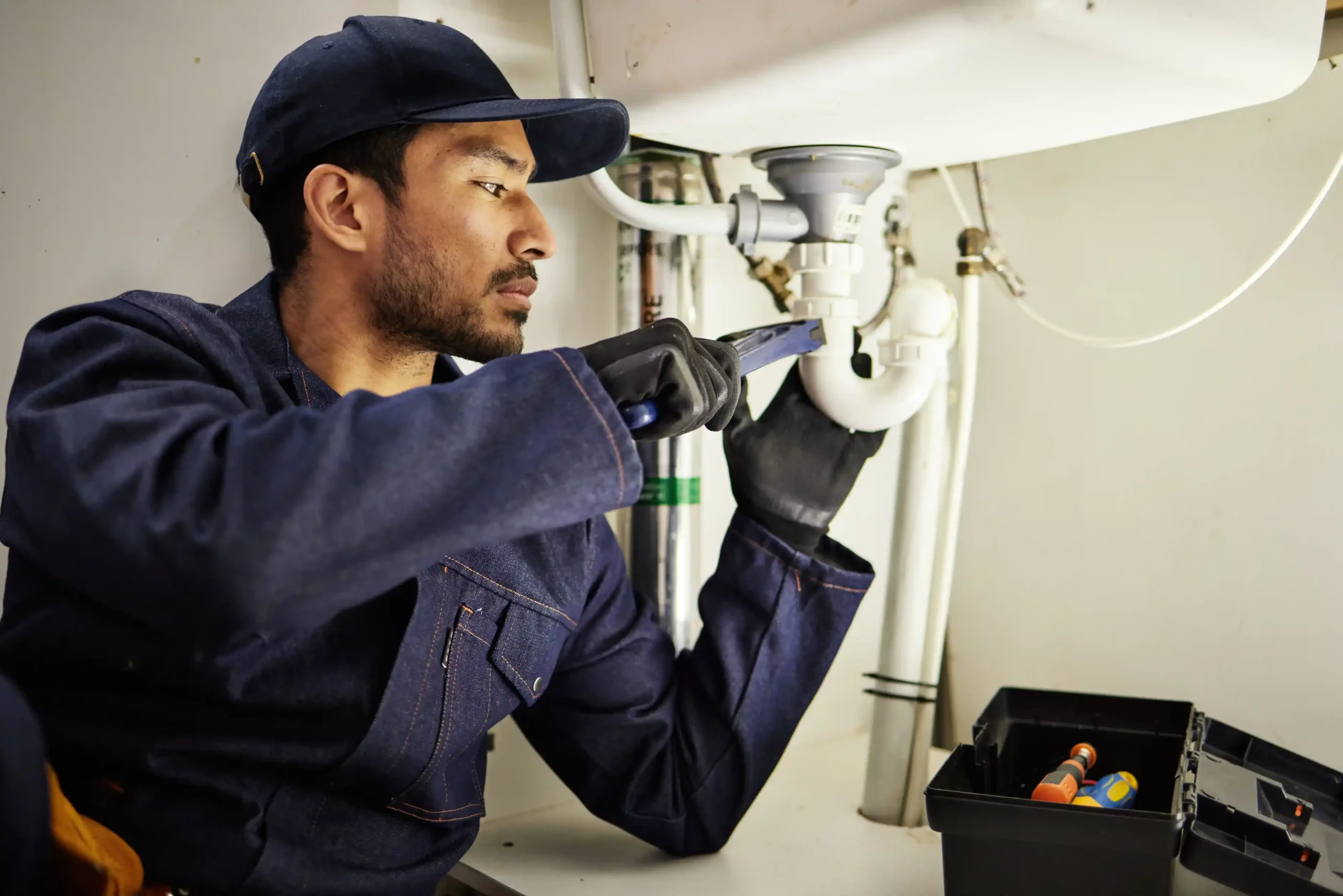
A slow drain is easy to ignore when everything else around the house is working normally. You notice the water taking longer to disappear from the sink or hear a strange gurgling sound, but it may not seem urgent. The problem is that a small blockage can become a much bigger plumbing issue if it is left alone.
Good drain unblocking starts with understanding why the blockage happened in the first place. Hair, grease, food scraps, soap residue, wet wipes, tree roots and damaged pipes can all interfere with normal water flow. In some cases, the blockage is close to the drain opening. In others, it may be deeper in the pipe or underground.
If you are dealing with a recurring blockage, professional blocked drain services can help identify the cause rather than simply clearing the symptoms.
What Is Drain Unblocking?
Drain unblocking is the process of removing material that is stopping wastewater from moving freely through a drainage pipe. The right approach depends on the location and severity of the blockage.
A minor obstruction may respond to basic cleaning, while a stubborn blockage may require specialised equipment. Professional plumbers may use CCTV cameras to inspect the inside of a pipe, locate the obstruction and understand what caused it. High-pressure water cleaning can then be used to remove built-up material from the pipe.
This is different from simply pouring a chemical cleaner down a drain and hoping the water starts flowing again. Chemical products may provide temporary relief in some situations, but they do not necessarily address damaged pipes, tree roots or recurring build-up.
Common Signs You Need Drain Unblocking
Not every drainage problem starts with a completely blocked sink. Often, your plumbing system gives you warning signs first.
Look out for:
- Water draining more slowly than usual
- Gurgling sounds from sinks, toilets or floor drains
- Bad smells coming from a drain
- Water backing up into a shower or sink
- More than one drain becoming slow at the same time
- Toilets that struggle to flush properly
- Wet areas around outdoor drains
- Repeated blockages in the same location
If several fixtures are affected at once, the problem could be further down the drainage system rather than inside one individual fixture. That is when professional drain unblocking becomes particularly useful.
What Causes Blocked Drains?
There is no single cause of a blocked drain. The material entering the pipe, the age of the plumbing system and the surrounding environment can all make a difference.
Hair, Soap and Everyday Waste
Bathroom drains commonly collect hair, soap residue and other material over time. Individually, these items may not cause much trouble. The problem develops when they combine and form a dense mass inside the pipe.
Grease and Food Waste
Kitchen sinks are another common trouble spot. Fat, oil and grease can stick to the inside of pipes. Food scraps can then become trapped against the build-up, gradually reducing the available space for water to pass.
Tree Roots
Tree roots can enter small cracks or joints in underground pipes while searching for moisture. Once inside, they can continue growing and create significant obstructions.
This type of problem is difficult to solve with basic DIY methods. Proper inspection is usually needed to determine whether roots have entered the pipe.
Damaged or Collapsed Pipes
Older or damaged plumbing can develop cracks, breaks or collapsed sections. In these situations, drain unblocking alone may only provide temporary relief because the underlying pipe problem remains.
Wet Wipes and Other Non-Flushable Items
Items that do not break down easily can accumulate inside drainage systems. Even products marketed as flushable can contribute to problems when large quantities enter a plumbing system.
How Professionals Approach Drain Unblocking
A professional does not always start by digging up the garden or replacing a pipe. The first step is usually to understand what is happening.
A typical process may involve:
- Initial assessment – The plumber asks about the symptoms, affected fixtures and how often the problem occurs.
- Inspection – Where necessary, equipment such as a CCTV drain camera is used to inspect the inside of the pipe.
- Locating the blockage – The inspection helps determine where the obstruction is and whether another issue is contributing to it.
- Cleaning the pipe – High-pressure water equipment can remove grease, debris, roots and other build-up.
- Checking the result – The drainage system is checked to confirm that water is flowing properly.
- Identifying future risks – If the blockage was caused by damaged pipes, roots or another recurring issue, further work may be recommended.
This approach can make drain unblocking more accurate because the plumber is working from evidence rather than guessing.
Drain Unblocking Methods Explained
Different blockages require different solutions. There is no single method that suits every drainage system.
| Drain Unblocking Method | Best Used For | Main Benefit | When It May Be Needed |
|---|---|---|---|
| Manual clearing | Small, accessible blockages | Quick and simple | Localised surface blockages |
| Drain snake/auger | Local pipe obstructions | Breaks through stubborn material | Deeper internal blockages |
| High-pressure water cleaning | Grease, debris and build-up | Thorough pipe cleaning | Heavy or recurring blockages |
| CCTV inspection | Hidden or recurring problems | Shows the condition inside pipes | Unexplained or repeated issues |
| Root removal | Tree-root intrusion | Clears root growth | Outdoor and underground drains |
| Pipe repair | Damaged or collapsed pipes | Addresses the underlying fault | Structural pipe problems |
| Excavation | Severe underground damage | Allows access to buried pipes | Major repairs or replacement |
High-pressure cleaning is particularly useful where ordinary clearing methods cannot remove accumulated material. Professional blocked-drain services use this type of equipment to clean stubborn obstructions and help restore normal flow.
When DIY Drain Unblocking Is Worth Trying
Not every slow drain requires a plumber immediately. If the problem is minor and isolated, you can try a few basic steps.
Remove visible debris from the drain opening and clean the plug or grate. For a kitchen sink, avoid sending more grease and food waste down the pipe while you monitor the flow.
You should be more cautious if the water is backing up, several drains are affected or the same blockage keeps returning. Repeatedly using chemical products without knowing what is causing the problem can make it harder to identify the real issue.
If you have already tried basic cleaning and the problem remains, it may be time to call a professional.
Why Recurring Blockages Should Not Be Ignored
A drain that blocks every few weeks is telling you something. The issue may not simply be a collection of hair or food waste.
Recurring problems can point to:
- Tree-root intrusion
- Poor pipe installation
- Cracked or damaged pipes
- Heavy grease accumulation
- Incorrect drainage fall
- Underground pipe movement
- A larger drainage system problem
This is where plumbing leak detection and CCTV inspection can be useful alongside drain unblocking. Finding the actual source of the problem can save you from paying for the same temporary fix repeatedly.
How Drainage Repairs Can Solve the Bigger Problem
Sometimes clearing the obstruction is only the first step. If the pipe itself is damaged, drainage repairs may be required.
Professional drainage repair services can address problems such as broken sections, damaged connections and other faults affecting the drainage network. In more serious cases, excavation may be necessary to reach underground pipes safely.
This is one reason excavation services can form part of a broader plumbing project. Digging should not be the first option when a blockage can be located and cleared without disturbing the property. Modern inspection methods can help determine whether excavation is actually necessary.
How to Prevent Future Blockages
The easiest blockage to deal with is often the one that never happens.
A few habits can make a noticeable difference:
- Keep cooking oil and grease out of household drains.
- Use drain strainers in kitchen and bathroom sinks.
- Remove hair from shower drains regularly.
- Do not flush wipes, sanitary products or other unsuitable materials.
- Pay attention to slow drainage instead of waiting for a complete blockage.
- Arrange inspections if a drain repeatedly causes problems.
- Keep outdoor drainage areas clear of leaves and debris.
- Address damaged pipes before they become a major failure.
Regular pipe cleaning solution and maintenance can also be useful for properties where grease, sediment or other material regularly builds up.
When Drain Unblocking Becomes an Emergency
A blocked drain is not always a crisis, but some situations need quick attention.
For example, sewage backing up into a home, wastewater overflowing, flooding caused by a drainage failure or a blockage affecting multiple fixtures can quickly create a much bigger problem.
In these circumstances, emergency plumbing repairs may be required rather than waiting for a standard appointment. A local emergency plumber can assess the problem and determine what needs to be done first.
For serious situations, an emergency plumber Brisbane service may also be able to respond outside normal business hours. Similarly, people searching for emergency plumbers near me should check whether the plumber provides genuine 24/7 assistance rather than assuming every listing does.
A 24 hour plumbing service can be particularly useful when a drainage problem occurs overnight, during a weekend or when wastewater is threatening to enter the property.
Other Plumbing Problems That Can Affect Drainage
Drainage issues do not always exist on their own. A property may also have problems with water pressure, leaks or pipe damage.
For example, water pressure adjustment may be required when water flow is unusually weak or inconsistent. Water leak detection can help identify hidden leaks that are not immediately visible.
If a pipe has burst, Emergency Burst Pipes Repair may be necessary to stop water loss and prevent property damage. Likewise, repairing burst pipes requires more than simply clearing a nearby drain.
A complete plumbing assessment can sometimes uncover several related problems before they become expensive repairs.
Drain Unblocking and Other Plumbing Services
A blocked drain may be connected to a wider plumbing or drainage issue, particularly in older properties.
A qualified plumber unblock drain service can deal with the immediate obstruction, while a wider assessment may identify problems requiring blocked drain repair, drainage repairs or other plumbing work.
For homes, domestic plumbers can assist with everyday plumbing problems, including bathroom and kitchen drainage. Commercial properties may require commercial plumbing services because they often have larger and more complex drainage networks.
Other services that may be required depending on the property include gas fitting, water filtration system installation, hot water work and underground service locating.
For properties undergoing construction or major repair work, excavation services can also be used to access underground plumbing safely.
Why Professional Drain Unblocking Can Be Worth It
Trying to clear a drain yourself can be tempting, especially when the blockage seems minor. The difficulty is knowing what is actually happening inside the pipe.
A professional inspection can show whether the problem is caused by ordinary debris, grease, roots or structural damage. CCTV technology can locate problems without immediately resorting to unnecessary digging, while high-pressure cleaning can remove material that basic household methods cannot reach.
Professional fast drain unblocking can therefore be about more than getting water moving again. It is also about reducing the chance that the same problem returns.
Protecting Your Plumbing System
Good drainage maintenance is part of looking after the property as a whole. A blocked drain can affect bathrooms, kitchens, outdoor areas and even surrounding structures if wastewater is allowed to overflow.
Water and plumbing problems should also be treated with care from a health perspective. The Australian Government notes that sewage and wastewater can contribute to water-quality problems, while proper maintenance of plumbing systems forms part of good environmental health practice.
Final Thoughts
A slow drain is often the first warning that something is happening inside your plumbing system. Acting early can prevent a minor obstruction from becoming an overflowing drain, damaged pipe or expensive repair.
Whether the problem involves grease, tree roots, debris or a damaged underground pipe, the right drain unblocking method depends on finding the cause first. Professional inspection, CCTV drainage cameras and high-pressure cleaning can make the process more targeted and reduce unnecessary disruption.
If you need help with blocked drains, drainage problems, burst pipes, gas fitting, hot water systems or other plumbing issues, Asflow Plumbing provides professional plumbing solutions and 24/7 emergency assistance across Brisbane and surrounding areas.
FAQs
1. What are the most common causes of blocked drains?
Blocked drains are commonly caused by hair, grease, food scraps, soap residue, foreign objects and the build-up of dirt and debris. Tree roots can also enter underground pipes and cause more serious blockages.
2. How can I clear a blocked drain at home?
For minor blockages, you can try removing visible debris, using a plunger or flushing the drain with hot water. If the blockage does not clear or keeps returning, professional drain unblocking may be needed.
3. How do I know if a blocked drain needs professional help?
Slow drainage, recurring blockages, unpleasant smells, gurgling sounds and water backing up can indicate a more serious problem. If basic DIY methods do not solve the issue, it is best to have the drain inspected by a professional.
4. How can I prevent my drains from becoming blocked?
Avoid putting grease, oil, food scraps and other unsuitable materials down your drains. Using drain strainers, cleaning drains regularly and being careful about what goes down the sink can help reduce the risk of blockages.
5. Can blocked drains cause damage to my property?
Yes. A blocked drain that is left untreated can lead to overflowing water, unpleasant odours, pipe damage and water damage around your property. Getting the blockage addressed early can help prevent more costly problems.