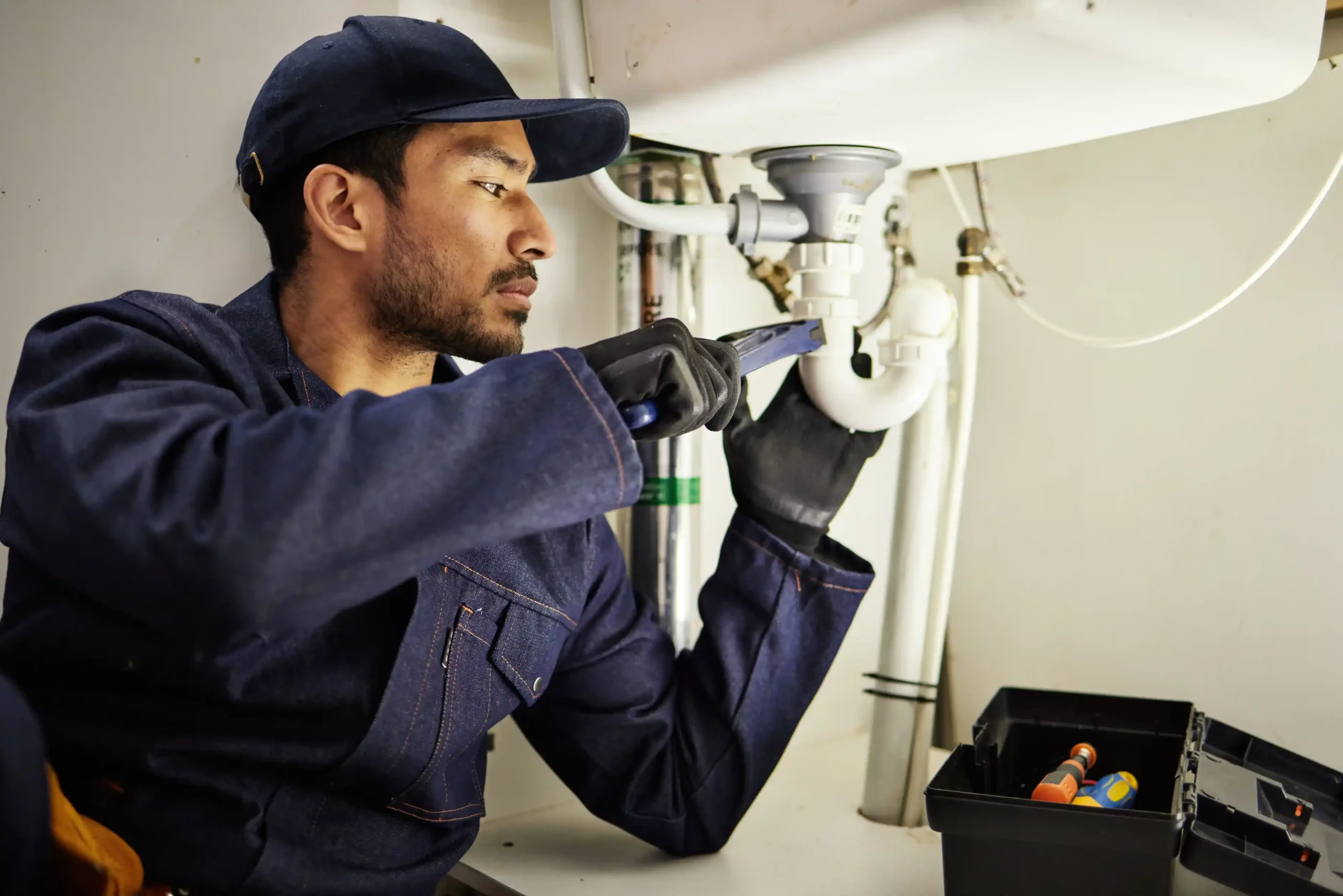
Hidden plumbing issues in commercial buildings are more common—and more damaging—than most people realise. Leaks, blockages, and faulty pipes often develop out of sight: behind walls, under concrete slabs, or above ceiling panels. These concealed problems can quietly lead to major water damage, increased utility bills, structural deterioration, and potential health hazards due to mould or mildew.
In Kenmore, where many businesses operate from ageing infrastructure or repurposed properties, hidden plumbing faults are especially prevalent. That’s why engaging a reliable Commercial Plumbing Service in Kenmore is crucial. These professionals use specialised technology and techniques to detect, diagnose, and fix hidden issues with minimal disruption.
In this article, we’ll explore the most common types of hidden plumbing problems, how commercial plumbers identify and solve them, and what preventative steps businesses can take to avoid costly future repairs. Whether you manage a retail store, a restaurant, or an office block in Kenmore, understanding these issues will help you protect your property, your budget, and your peace of mind.
What Are “Hidden” Plumbing Issues?
Hidden plumbing problems are exactly that – unseen water leaks, drain faults or worn fittings that don’t announce themselves until the damage is done. Think of slow seepage behind a wall or under a floor slab, a tiny crack in an office bathroom pipe, or a blocked drain hidden beneath landscaping. By the time signs show up (like a spike in water bills or a surprise water stain), the issue has been stealthily escalating.
In fact, the Queensland Government defines a concealed leak as “a leak from the customer’s plumbing that is hidden from view”. These leaks can be notoriously tricky to spot, but if left unchecked they can flood a space, foster mould, or warp building materials. In subtropical Brisbane, even a small drip can fuel mold growth, turning a dry wall into a green health hazard.
Why businesses care: Unlike a residential drip, a leak in a commercial building can quickly become a legal or safety issue. Under Queensland rules, blocked or malfunctioning toilets or pipes in an office or restaurant must be dealt with immediately – or risk shutting down the business for health reasons. Plus, commercial systems usually carry more water volume and are more complex (think multiple floors, kitchens, public restrooms). That’s why a reliable commercial plumbing service in Kenmore is essential – they’re trained for big systems and urgent fixes.
Spotting the Clues: Signs of Hidden Plumbing Problems
You might not see the leak, but your senses and bills can tip you off. Experienced plumbers and property managers watch for these red flags:
- Mystery water bill spikes: An unexplained jump in usage often screams “leak!” to a trained eye. For example, experts note a 20% increase in your water bill or roughly 10,000 litres extra per month is a classic sign of a hidden leak.
- Damp or discolored spots: Sudden wet patches on walls, ceilings or floors – especially away from sinks and toilets – can betray a leaking pipe inside or below the slab. Think “moisture halo” on ceiling tiles or a dark ring spreading on drywall.
- Musty smells or mold: Unexplained mildew or a musty odor in cabinets, ceilings or basements often means water’s been sitting undetected. In humid Kenmore, mould can explode from a tiny leak, so sniff tests are smart.
- Odd sounds: If you hear water running, dripping or hissing when everything’s off, it’s not your imagination. Hidden leaks (even minute ones) often betray themselves by sound – plumbers use listening devices for exactly that.
- Low pressure or weak flow: A gradual loss of pressure, especially in just one area or over time, can signal a crack or blockage somewhere upstream.
If you spot any of the above, don’t ignore it. Get it looked at sooner rather than later – early intervention can save you from a full-blown flood (and a massive repair bill).
Cool Gadgets: How Plumbers Detect Hidden Leaks
Today’s plumbers have James-Bond-level gadgets for sniffing out leaks without jackhammers. Rather than tearing up walls, they use non-invasive detection tools.
For example, Sydney Water’s specialty plumbers will “use specialised equipment such as pipe location devices and acoustic listening devices, and techniques such as filling pipes with a safe gas” to pinpoint concealed leaks. You can learn more about how Sydney Water approaches concealed leak detection in their official WaterFix Concealed Leaks guidelines here In practice this means:
- Acoustic Sensors (“Listening sticks”): These amplify the tiniest drips or pipeflow noises. A technician presses a stethoscope-like sensor on the wall or floor, “listening” for sound changes that reveal exactly where water is escaping.
- Thermal Imaging Cameras: Infrared cameras scan walls and floors for temperature changes. Since leaking water is often cooler or warmer than its surroundings, the camera highlights wet spots. A subtle cold streak on a wall or floor can reveal a hidden pipe breach – all without a single breakage. (It’s basically turning the building into a giant night-vision scene.)
- Smart Leak Sensors: These IoT gadgets sit under sinks or behind appliances, constantly monitoring moisture, flow and pressure. The moment they sense abnormal water, they ping an alert – sometimes even automatically shutting off the water. It’s like having a tiny sentry that knows your normal usage pattern and flags any anomaly.
- Video Pipe Inspection: Think of a tiny waterproof CCTV camera on a snake-like cable. Plumbers feed it down drains or pipes to live-stream the interior. They can see cracks, clogs or root ingrowth in real time, then mark the problem spot. This avoids any guesswork about where the blockage is.
To put it simply, modern leak detection is all about precision. As one industry consultant puts it, these tools let plumbers identify leaks “with minimal mess” – no surprise holes in your wall or concrete when you least expect it.
Tool benefits at a glance: We can summarize the main leak-detecting tech in a quick table:
| Technology | What it Does | Benefit |
|---|---|---|
| Acoustic Listening | “Listens” for water flow noises | Finds hidden leaks precisely without digging. |
| Thermal Imaging | Spot temperature changes (wet areas) | Reveals leaks behind walls/floors non-invasively. |
| Smart Leak Sensors | Monitors flow/pressure, sends alerts | Alerts you in real-time (even shuts off water) if something’s amiss. |
| CCTV Inspection Camera | Streams video inside pipes/drains | Pinpoints cracks or blockages without excavation. |
Commercial plumbers in Kenmore often combine these high-tech tools. For instance, Mitchell Plumbing in Brisbane cites using “acoustic sensors, thermal imaging cameras, and pressure testing tools” for quick, accurate detection. Meanwhile, Aqua Analytics (water loss experts in Australia) notes that active leak detection usually involves a suite of methods: visual checks, acoustic listening, pressure testing, thermal scanning and even advanced correlating loggers. In short, the tech is thorough.
Fixing the Leaks: Smart Repair Techniques
Once the culprit is located, a commercial plumbing crew swings into action with fixes that are often just as clever as the detection. Depending on the issue, solutions may include:
- Spot repairs: For a small pipe crack or joint leak, the plumber might cut out the damaged section and slip in a new pipe piece or clamp. Modern solutions include leak-sealing epoxy resins or wrap kits that harden to plug tiny holes.
- Pipe Relining (Trenchless repair): This is a no-dig hero move. A resin-coated liner is fed into the old pipe and expanded, forming a new smooth pipe inside the old one (also called CIPP). It’s like giving your old pipe a new skin. Reputable plumbers report that relined pipes can last 50+ years, so it’s a very durable fix for drains or sewer lines without upheaving floors.
- Hydro-jetting and Snaking: Blocked drains (think grease buildup or tree roots) get blasted with high-pressure water jets or cleared with power snakes. This clears obstructions that could otherwise cause major backups. (Regular drain cleaning is a good preventive too.)
- Valve and Component Replacement: Sometimes the fix is simpler – installing a new shutoff valve, pressure regulator, backflow preventer or tap. For commercial kitchens or labs, replacing corroded fittings can eliminate hidden drips.
- Re-piping: In the case of severely corroded or undermined piping (e.g. slab pipes corroded by acidic soil), the crew may recommend repiping the entire run. It’s more work, but for old buildings it’s sometimes the safest long-term bet.
The key is that experienced commercial plumbing services in Kenmore will pick the least disruptive method that still gets the job done. Thanks to technology, in many cases they can fix a concealed leak with minimal demolition. And wherever practical, they follow up with testing: running pressure tests or cameras again to ensure the repair is rock-solid. Sydney Water’s case studies emphasize this end-to-end care: their crews locate, repair, then test to make sure no drips remain.
Cost vs Benefit: Yes, employing these pros and high-tech fixes costs something up front. But it beats the alternative of a surprise flood cleanup (or mold remediation) later. Early detection and timely repair save money by avoiding major damage. Mitchell Plumbing highlights that regular leak inspections can prevent thousands in repair bills and cut your water waste. Plus, fixing leaks conserves water – something Queenslanders care about.
Remember, in 2023 the QLD Government even set up a bulk-water relief scheme to help people pay for fixing hidden leaks. Proactively calling a commercial plumber can keep you out of those legislative waters altogether!
Commercial vs Residential Plumbing: Why Expertise Matters
You might wonder, “Can’t any plumber do this?” The short answer: not really. Commercial plumbing systems are a different beast than your home plumbing. They handle higher volumes, have more fixtures (public toilets, kitchens, labs, cool rooms) and often involve different materials and codes. As industry experts explain, commercial systems must accommodate many simultaneous users and meet strict safety tests (like backflow prevention and waste treatment).
That means in Kenmore, you want a plumber who knows commercial standards. They’ll be familiar with local regulations (even industry-specific ones, like trade-waste requirements or QLD commercial plumbing codes). They also work faster: if a restaurant sink backs up, the crew must clear it immediately or the business grinds to a halt. Time is money for businesses, and the right commercial service understands that urgency.
In short: hiring a specialized commercial plumbing service in Kenmore ensures the job is done correctly and efficiently. They won’t try a one-size-fits-all approach. Plus, many provide 24/7 emergency help – because hidden leaks don’t wait for office hours.
Preventing the Next Mystery Leak
The best trick is to stop hidden issues before they start. Here are some proactive tips (and image suggestions) from plumbing pros:
- Regular inspections: Schedule an annual or bi-annual plumbing check-up for your building. A qualified commercial plumber can run pressure tests and camera scans on key lines, catching tiny leaks or worn parts early. (In older buildings or water-intensive businesses, quarterly checks might be wise.)
- Monitor your water meter: Keep an eye on usage patterns. Even without high-tech sensors, a simple test works: turn off all taps and appliances for an hour, then see if the meter has moved. If it has, you likely have a leak.
- Use leak alarms: Invest in stand-alone leak detectors or smart meters for high-risk areas (near boilers, kitchens, plant rooms). These inexpensive gadgets alert you the moment water appears where it shouldn’t.
- Maintain drains and gutters: Clogged or overflowing drains can hide leaks. Regularly clean grease traps, biofilters and gutters.
- Know your shut-offs: Make sure building managers know how to isolate water zones. Quick shutoff can limit damage in an emergency.
- Stay aware of changes: After heavy rain or nearby construction (which can shift soil), re-test the plumbing. Sudden shifts underground can stress buried pipes.

By catching issues early and following good maintenance routines, many hidden problems can be nipped in the bud. It’s kind of like giving your building a “plumbing MOT” – regular tune-ups keep surprise breakdowns away.
Conclusion
Hidden plumbing issues may be sneaky, but armed with the right knowledge and experts, you won’t be caught off guard. We’ve seen how commercial plumbing services in Kenmore use sophisticated gear – from listening stethoscopes to thermal cameras – to unmask leaks lurking out of sight. Once found, they apply smart fixes (trenchless relining, pressure stops, spot repairs) that restore your system without wrecking walls. The payoff is huge: lower water bills, no nasty surprises, and a healthy, dry building.
Next time you notice a plumbing oddity – be it a mysterious drip or rising bill – you’ll know it pays to act fast. Think of it as protecting your business’s foundation and cash flow. If in doubt, call in the commercial plumbing pros: they’re ready 24/7 to track down and solve hidden leaks.
Ready to talk to a professional? Share your thoughts or questions below! And for more on dealing with plumbing mysteries, check the Queensland Government’s guidance on concealed leaks.
FAQs:
What are common signs of hidden plumbing issues?
Abnormally high water bills, unexplained damp spots or stains, musty smells, sound of running water with taps off, or sudden low pressure can all signal a concealed leak.
How do commercial plumbers detect hidden leaks?
They use advanced tools – acoustic “listening” devices, infrared thermal cameras, pipe inspection cameras, and smart moisture sensors – to pinpoint leaks behind walls or under floors without digging.
Can hidden leaks affect my business operations?
Absolutely. A slow leak can cause mold, structural damage or equipment damage over time. In a commercial setting, even a minor issue can force shutdowns (e.g. if restrooms back up) or violate health standards.
Why should I hire a commercial plumbing service in Kenmore for hidden issues?
Commercial systems are complex and regulated. A specialist service understands local codes (like QLD backflow rules) and has the expertise to fix big systems quickly. They also offer 24/7 emergency response, minimizing downtime for your business.
Is professional leak detection expensive?
There’s a cost, but it often pays for itself. Early detection prevents major repairs and high water waste. Plus, in Queensland you may be eligible for relief on hidden leak charges under the state’s remission scheme. Regular maintenance can save thousands in the long run.