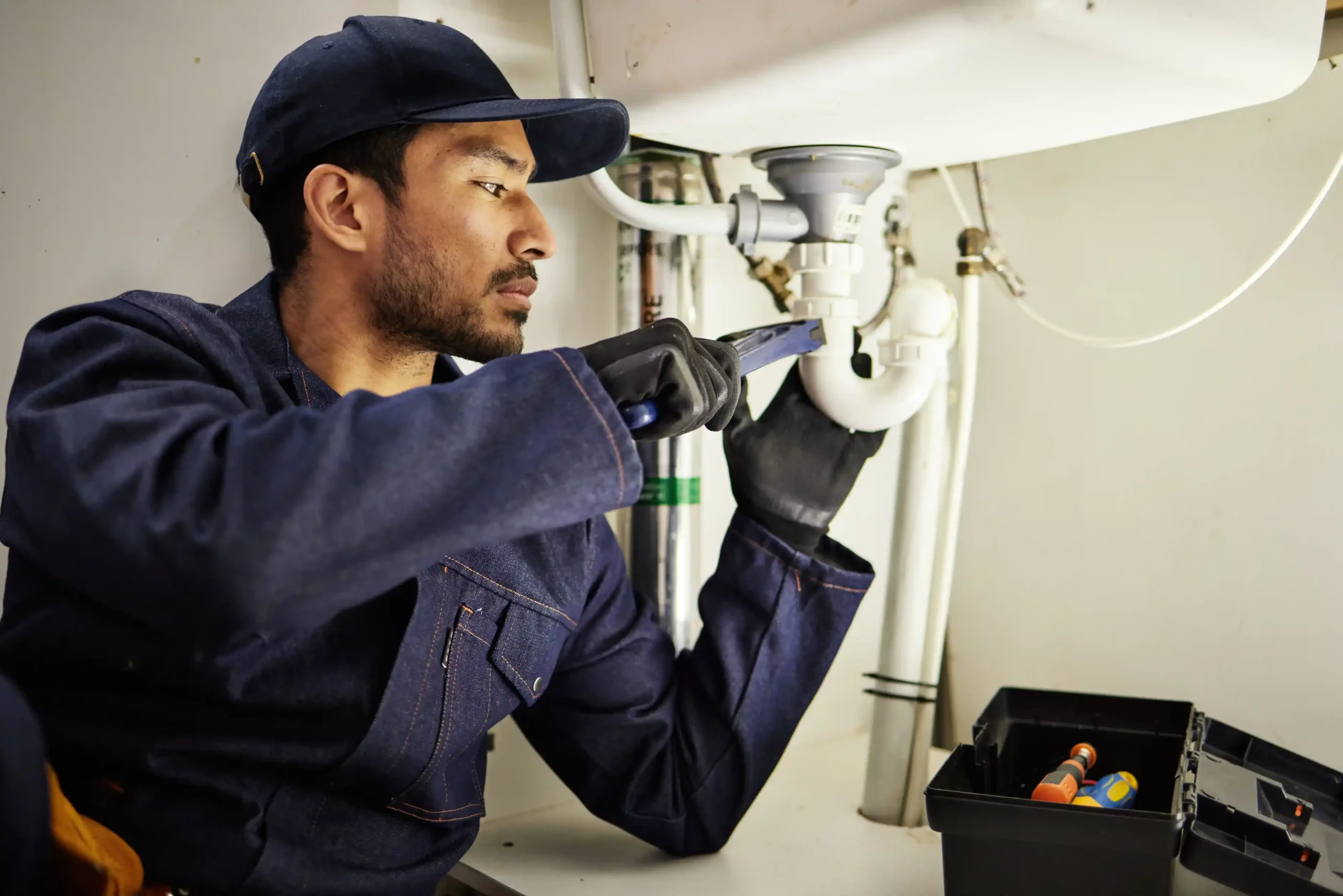
Ever found a mysterious puddle in your laundry or noticed your water bill suddenly spike? In Kenmore, a hidden leak can silently inflate costs and damage walls before you even realize it. I’m a local plumber here in Brisbane’s western suburbs, and I’ve seen how even tiny drips can wreak havoc over time.
The good news is that modern Leak Detection Specialists use advanced technology, including acoustic sensors and infrared cameras, to locate leaks early.But how do you choose the right Leak Detection Specialists for the job? In this guide, I’ll walk you through what to look for from licensing and experience to cutting-edge equipment so you can confidently choose a leak detective you trust.
For example, ASFLOW Plumbing is one name you’ll hear in Kenmore advertising leak detection services, but it pays to know what any reputable company should offer. Hidden leaks in Aussie homes are no small matter: one plumbing report notes insurance claims for water damage often hit $10,000–$20,000. By the time a damp stain appears on the ceiling, the repairs might already be sky-high.
So even before cracks appear, get educated on leak detection. Keep an eye on your water meter each month; a silent leak often shows up first as a jump in usage. The Queensland Government even advises that if your simple meter test suggests a concealed leak, you should contact a licensed plumber to find and fix it. In other words: don’t wait for a flood.
Thankfully, choosing the right Leak Detection Specialists can make all the difference. In the sections below, I’ll share my insider tips on spotting leaks early, the advanced methods plumbers use (no jackhammers required!), and the red flags to watch for when selecting a leak detection professional. With the right expert on the job, you’ll save money and stress and keep your Kenmore home safe and dry.
Why Hire Professional Leak Detection Services?
Hidden water leaks can be difficult to notice and expensive if they are left untreated. In Kenmore’s climate (with hot summers and occasional heavy rains), old pipes can crack or shift under pressure. A licensed leak detection plumber has the training and experience to spot clues you might miss. For instance, a sudden spike in your water bill (even 20% more use) is often the first sign. Professionals know this quick check: shut off every tap and appliance, note the meter, then check again in an hour or two. If the number has budged, they’ll take it from there.
Licensed plumbers (like members of the Master Plumbers Association) will always carry insurance, guarantees, and proper certifications. They can legally do plumbing work and follow the Queensland plumbing code, something a handyman or DIY fix won’t have. Remember, the QLD government explicitly tells homeowners to call a qualified plumber if a meter check hints at a leak. That’s because professional leak detection uses non-invasive technology to locate leaks without unnecessarily damaging your home. The wrong person might poke a hole in your ceiling looking for leaks; the right specialist will use listening sticks, cameras and sensors to zero in on the problem precisely.
Also, leaving a hidden leak means more than wasted water (bill shock!). Over time, dampness can cause mould, rot and even structural issues in older Queensland homes. By contrast, experienced Leak Detection Specialists can get to the root of the problem quickly, helping to minimise further damage. You might pay a bit more upfront for a specialist, but compared to $10–20K in insurance claims for water damage (expenses you’d likely end up covering yourself if it was your own insurance), it’s a smart investment. Think of them as water-sleuths: they’ll track the drip, fix it fast, and leave your home better off.
How to Spot Hidden Water Leaks
Sometimes you can tell when to call in help. Listen: in a quiet house, do you hear any soft hissing or dripping from the walls at night? Hidden water leaks can sometimes produce subtle sounds, such as soft hissing or dripping behind walls. Visually, check for yellow or brown stains creeping on walls or ceilings, peeling paint, or sagging drywall. Even warped floorboards or spongy tiles can hint at moisture below. Outside, watch for patches of unnaturally lush grass or pooling water on the lawn after sprinklers have run.
Don’t ignore your water bill either. If your usage suddenly jumps well above your usual 150–300 L/person/day, don’t just chalk it up to company, it could be a silent leak. An easy home test is the overnight meter check: turn everything off, note the meter reading, wait an hour, then check it again. If it’s moved, you likely have a leak on your property. Rather than digging around yourself, it’s wise to contact a professional for help detecting hidden leaks. The Queensland Government’s guidance on checking for water leaks recommends contacting a licensed plumber if your meter test indicates a leak.
High-Tech Leak Detection Methods
Today’s water leak specialists are like plumbing detectives, using specialised equipment to locate difficult leaks.Modern leak detection is mostly non-invasive meaning plumbers don’t have to break through walls or concrete randomly. Here are some top tools pros use:
Acoustic Listening Devices: These use sensitive microphones (sometimes inserted into hydrants or touching pipes) to hear water escaping under pressure. Even tiny leaks make noise: leak experts simply listen for irregular sounds along pipes. In fact, acoustic sensors can “pinpoint the exact location of the leak” by analyzing those sound frequencies. This lets the plumber narrow down the leak without drilling holes.
Thermal Imaging Cameras: Infrared cameras (think FLIR) detect tiny temperature differences on surfaces. When water leaks into walls or floors, it often cools (or sometimes warms) an area. A thermal imager will show that moisture as a cold spot on the wall. This way, technicians can visually identify the leak’s location without any digging. It’s fast and paint-ball-free. Just point the camera and scan.
Tracer Gas Detection: For underground leak detection, plumbers may introduce a safe tracer gas (often a hydrogen/nitrogen mix) into the pipe system. The gas escapes wherever the pipe is cracked, and a gas sniffer above ground finds the exact point where the gas rises. This method is great for long outdoor lines. (Aussie pipeline experts even use hydrogen because it finds leaks faster than helium.)
Pipe Camera Inspections: A small waterproof CCTV camera can be used for pipe leak detection, allowing plumbers to inspect the inside of sewer or water pipes. This is especially useful if you suspect the leak is inside the pipe itself or hard to reach. The camera transmits video so plumbers can literally see cracks or corrosion spots.
Moisture Meters and Chemical Dyes: Sometimes simple tools help too. A moisture meter can confirm dampness behind plaster. Or plumbers might use fluorescent dye in a water system to make leaks glow under special light.
All these methods aim to avoid unnecessary destruction. Advanced technologies such as acoustic listening and infrared imaging can help identify leaks more accurately and efficiently. The right specialist can choose the most suitable method for the location and type of leak, helping to minimise unnecessary drilling or excavation.
| Detection Method | How It Works | Best For |
| Acoustic Listening | Electronic microphones hear water escaping under pressure. | Underground and in-wall pipe leaks |
| Thermal Imaging | Infrared camera highlights cold/wet spots caused by leaks. | Slab leaks, wall and ceiling leaks |
| Tracer Gas (Hydrogen) | Harmless gas in pipes is detected above ground where it escapes. | Long buried pipelines |
| CCTV Camera Inspection | The video camera crawls through pipes to visually find cracks. | Sewer/drain lines and plumbing lines |
| Moisture Meter & Dyes | Handheld meter confirms dampness, dyes highlight leak paths. | Verifying leaks in walls or joints |
Each leak detection service may combine several of these methods depending on the location and type of leak. The key is choosing Leak Detection Specialists who know which method is most suitable for your specific leak.
What to Look For in a Leak Detection Specialist
With all that technology in mind, how do you choose the best leak detection plumber in Kenmore? Here’s the checklist I recommend when interviewing a provider:
Qualified, Licensed Professionals. Ensure the company’s plumbers are fully licensed to carry out plumbing and leak detection services in Queensland (not just handy workers). Check if they belong to a reputable trade association or have special leak-detection training. A real pro will carry licenses, insurance and stand by their work. (After all, the Queensland Government suggests contacting a licensed plumber if a leak is suspected.)
Advanced Equipment. Confirm they use modern, non-destructive tools for professional leak detection, such as acoustic equipment, infrared cameras and pipe inspection cameras for example acoustic leak detection, infrared thermography, and camera inspections. They should not be planning to tear up your yard or walls as a first step. IIn fact, experienced Leak Detection Specialists often use non-invasive methods to locate leaks precisely.
Local Experience. A plumber who knows Kenmore and Brisbane may have insight into common local issues (like old house foundations, gum tree root intrusion, or hard Brisbane water affecting pipes). Look for a company experienced in both residential leak detection and commercial leak detection, depending on the type of property you own. Residential plumbing often involves under-slab and wall leaks, whereas commercial properties can involve big water mains or industrial piping systems.
24/7 Emergency Service. Leaks don’t always happen Monday to Friday! Especially check if they offer emergency leak detection and repairs around the clock. Many local services advertise 24-hour callouts for emergency leak detection when a leak requires immediate attention. The right specialist will come quickly if a burst pipe strikes, preventing even more water loss and damage.
Transparency and Guarantees. Beware of hidden costs. A trustworthy company provides clear, written estimates and explains what they’re doing at each step. Ask about guarantees: for example, do they warranty their leak detection work or any pipe repairs? Also, see if they give written reports (some will show you photos or readings from their inspection).
Good Reviews and Communication. Read customer reviews for clues. Did previous Kenmore clients praise their punctuality, politeness, and problem-solving? Do they explain things in plain language (no jargon)? You want leak detection experts who answer your questions patiently and keep you informed throughout the process.
Friendly Service. Last but not least, it helps if the plumber is approachable. You’ll be dealing with them potentially in your home during a stressful leak situation. Choose someone who makes you feel comfortable after all, most of us want to support local Australian businesses.
By ticking these boxes, you’ll be in a better position to choose reliable Leak Detection Specialists for your home or business. For example, a good sign is if they offer a commercial and residential leak detection breakdown, meaning they handle one-off home leaks as well as multi-story building systems.
Emergency and Commercial Leak Detection
Sometimes a leak can quickly turn into an emergency, making emergency leak detection essential. If water is gushing or flooding a room, call an emergency plumber immediately (they’ll usually instruct you to shut off the main water line first). Even then, a Leak Detection Specialist will need to accurately locate the source once you’re safe. Many Kenmore providers advertise no extra out-of-hours fees for urgent leaks, something very handy in a crisis.
For commercial clients, such as shops, offices or Body Corporate properties, commercial leak detection often involves larger and more complex plumbing systems. The principles are the same, but the systems are bigger: think multi-floor buildings, fire-protection lines or industrial-grade pipes.
Commercial leak detection might involve specialist permits and larger-scale equipment (for example, they might use pressure transient analysis or fiber-optic sensors on big installations). If you have a business property, ask for plumbing leak specialists with experience working on commercial-grade systems. Good commercial plumbers often have cameras and listening tools specially rated for heavy-duty lines.
No matter if it’s an after-hours burst or a complex office plumbing issue, emergency leak detection is about speed and expertise. In Queensland, there’s even a government scheme to help with the fallout of hidden leaks: if an undetected leak causes a massive water bill, you might qualify for a rebate on your excess charges. Of course, it’s better to avoid that scenario altogether. Having a trusted 24/7 leak detection service on call can literally save your bottom line and prevent you from having to file insurance or fee claims.
| Aspect | Residential | Commercial/Industrial |
| System Size | Homes or units (slabs, yard pipes, interior) | Large buildings or facilities (mains, fire lines) |
| Techniques | Similar tools (acoustic, thermal, camera) | Same tech + specialized (pressure sensors, GPR) |
| Regulations | Queensland plumbing code compliance | May need additional permits or certifications |
| Typical Issues | Slab leaks, leaking taps/fixtures, hidden roof leaks | Water mains, sprinkler system faults, big pumps |
| Availability | Often 24/7 for emergencies; quick response times | Around-the-clock often required; backup plans |
Conclusion
Hidden water leaks in Kenmore can be a quiet menace, but experienced Leak Detection Specialists can identify their source before they cause more serious problems.In summary: look for experienced Leak Detection Specialists who are fully licensed and use advanced equipment (acoustic listening, infrared imaging, etc.) to pinpoint problems without needless damage.
Check reviews, ensure they offer residential and commercial services if needed, and don’t be shy about calling their references or asking for proof of past work. Remember that an unexplained bill spike or mysterious wet patch is worth investigating, it’s far cheaper to get an early fix than pay for decades of damage.
Our Leak Detection Specialists are experienced in identifying and locating difficult plumbing leaks. We’re proud to offer 24/7 emergency leak detection, transparent quotes, and all the high-tech gear needed to catch even the sneakiest pipe leaks. Don’t waste water or money wondering “who to call?” Contact our Leak Detection Specialists for professional advice and assistance. We’ll treat your home like it’s our own, track down that leak, and keep Kenmore homes flowing safely. Save your sanity and your savings: reach out today for expert advice and a free inspection.
FAQs
How do leak detection specialists find hidden water leaks?
Leak Detection Specialists use a combination of experience and specialised tools. They may check your water meter first, then use acoustic devices to hear escaping water or thermal cameras to spot temperature changes. For difficult leaks, tracer gas or pipe cameras can help pinpoint the source without unnecessary damage.
What should I do if I suspect a leak?
Turn off unnecessary water use and check whether your water meter is still moving. Damp patches, unexplained water usage or hissing sounds are also warning signs. If you suspect a concealed leak, Queensland Government guidance recommends contacting a licensed plumber.
Can leaks be detected without digging?
Yes. Modern water leak detection often uses non-invasive methods such as acoustic listening and thermal imaging. These techniques can narrow down the leak location before any drilling or excavation is considered.
What makes a good leak detection plumber?
Look for Leak Detection Specialists with relevant experience, modern equipment, clear communication and good local reviews. A reliable specialist should explain what they found and how they plan to locate or repair the leak.
Is professional leak detection worth it?
Absolutely. Finding a leak early can help prevent water wastage and further damage to walls, floors or foundations. Professional leak detection gives you a clearer answer instead of relying on guesswork.