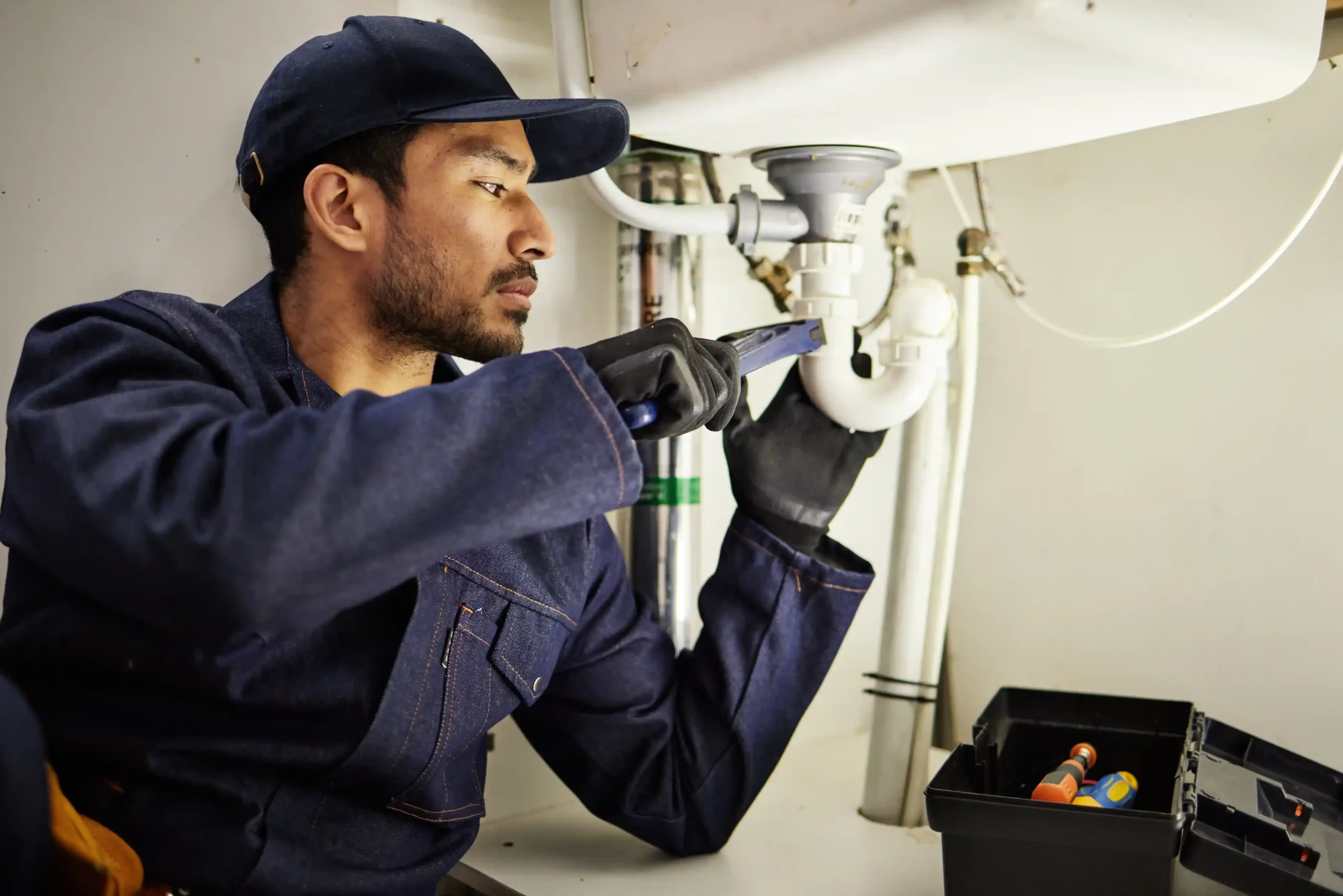
Backflow prevention is a crucial aspect of maintaining a safe water supply for businesses in Indooroopilly. Without proper precautions, contaminated water can flow back into clean water lines, posing serious health risks. This is especially important in commercial settings where a lapse in water quality could affect many people, from employees to customers.
Ensuring effective backflow prevention safeguards both the business and the community. It’s about more than compliance with regulations; it’s about commitment to safety and quality. Each business has unique needs, and understanding how backflow occurs helps tailor the right solution to prevent any issues.
By implementing appropriate backflow devices and systems, businesses can maintain a clean and safe water supply. Whether you run a café, an office, or a larger commercial enterprise, investing in backflow prevention is a proactive step towards protecting your operations and those you serve.
Understanding What Backflow Is and How It Occurs
Backflow is a plumbing problem that involves unwanted water flow reversal in your pipes. This can cause non-potable water to enter your clean water supply, posing risks to health and safety. Understanding how backflow occurs is crucial for preventing it in your Kenmore home.
Backflow happens mainly due to two reasons: back pressure and back siphonage. Back pressure is when the pressure in your plumbing system exceeds the pressure in your water supply lines, pushing water back into the main supply. This often occurs if you have a closed water system with a pump that increases the pressure inside.
Back siphonage, on the other hand, happens when there is a significant drop in the water pressure from your supply source. Situations like a burst pipe or a significant water demand such as from fire hydrant use can create this pressure drop, allowing contaminated water to be sucked back into the clean water supply.
Several common scenarios can increase the risk of backflow in a home:
– Connection between drinking water and a garden hose submerged in a pool or tub.
– Faulty valves in appliances, like dishwashers, that might allow contaminated water to flow back into the main line.
– Improper installation of irrigation systems that connect directly to the main water supply.
Understanding these potential causes and recognising signs of backflow can help homeowners take preventative measures to safeguard their water supply from contamination.
Risks of Neglecting Backflow Prevention
Neglecting backflow prevention poses serious risks that can impact health, property, and overall safety. Ensuring proper backflow prevention can safeguard against these dangers and maintain a hygienic water supply in your Kenmore home.
One of the most significant risks is water contamination. If chemicals or other pollutants make their way into the drinking water system, they can cause illness or other health complications. For example, fertilisers from gardens or cleaning agents from household jobs can return through poorly managed systems, affecting the health quality of drinking water.
Structural damage to homes is another consequence of inadequate backflow prevention. When contaminated water flows backwards, it can cause corrosion and pipe damage. This compromise can lead to leaks and potential water damage to your property, resulting in costly repairs and maintenance.
Finally, there’s the legal and compliance risk. Many areas, including Kenmore, have regulations mandating backflow prevention devices in certain plumbing setups. Non-compliance could result in penalties or might void insurance claims related to water damage or health-related issues.
By understanding these risks, homeowners can appreciate the importance of regular maintenance checks and consider installing suitable backflow prevention devices to protect against contamination and structural damage, ensuring a safe and compliant water system.
Key Benefits of Implementing Backflow Devices
Installing backflow prevention devices offers a range of benefits beyond just safeguarding your water supply. In Kenmore, ensuring clean and safe water starts with being proactive against backflow issues. Here are some key advantages homeowners can enjoy:
1. Health Protection: Backflow devices prevent contaminants from entering your drinking water. This means keeping harmful substances like pesticides, dirt, and bacteria out of your water system, reducing health risks.
2. Property Safety: By blocking reverse water flow, these devices help prevent potential damage to pipes and plumbing fixtures. This protection reduces the risk of costly repairs that can arise from corrosion or water damage.
3. Compliance with Regulations: Many local regulations require certain properties to have backflow prevention systems installed. Complying with these laws protects you from fines and helps maintain property value.
4. Peace of Mind: Knowing that a backflow device is in place provides reassurance. You can have confidence that your home’s water supply remains clean and that your plumbing system is safe from contamination.
5. Environmental Benefits: Proper installations ensure that untreated water does not return to the local water supply, supporting broader community health and safety efforts.
By implementing backflow prevention devices, homeowners safeguard their family’s health, comply with regulations, and contribute to environmental protection, all while ensuring their property remains in good condition.
Steps to Ensure Proper Backflow Prevention Systems
To set up effective backflow prevention, there are several important steps to follow. Making the right choices ensures your Kenmore home stays protected from water contamination. Here’s a straightforward guide to help:
1. Assessment of Needs: Begin by identifying areas where backflow could occur. Check connections like garden hoses, irrigation systems, and places where appliances link to the water supply. Note features that require protection from contamination.
2. Selecting Appropriate Devices: Once the risk areas are identified, select the right types of backflow prevention devices. Popular options include double-check valve assemblies and reduced pressure zone assemblies. Choosing the right device depends on the specific potential hazards in your plumbing system.
3. Professional Installation: Engage licensed professionals to install the chosen devices. Proper installation ensures the system will function correctly and comply with any regulatory requirements. Professional assessment also identifies optimal placement for maximum efficiency.
4. Regular Testing and Maintenance: Backflow devices require periodic testing to ensure they remain effective. Schedule regular inspections to catch any wear or malfunctions. Maintenance checks help in timely repair or replacement, ensuring long-term reliability.
Taking these steps helps homeowners establish a reliable backflow prevention system. By being thorough and proactive, you ensure a safe water supply and avoid complications from contamination.
Conclusion
Backflow prevention is vital in maintaining a clean and safe water supply for homes in Kenmore. Understanding what backflow is, recognising its risks, and implementing proper devices bring an array of benefits, from health protection to property safety. Installing and maintaining a backflow prevention system doesn’t just comply with legal standards; it also reassures homeowners of a hygienic and efficient water system.
For residents looking to ensure their backflow systems are up-to-date, reaching out to professionals can offer peace of mind. If you’re in Kenmore, contact Asflow Plumbing for expert advice and residential plumbing service. Our team is ready to help you with all your backflow prevention needs, ensuring your home remains safe and compliant.