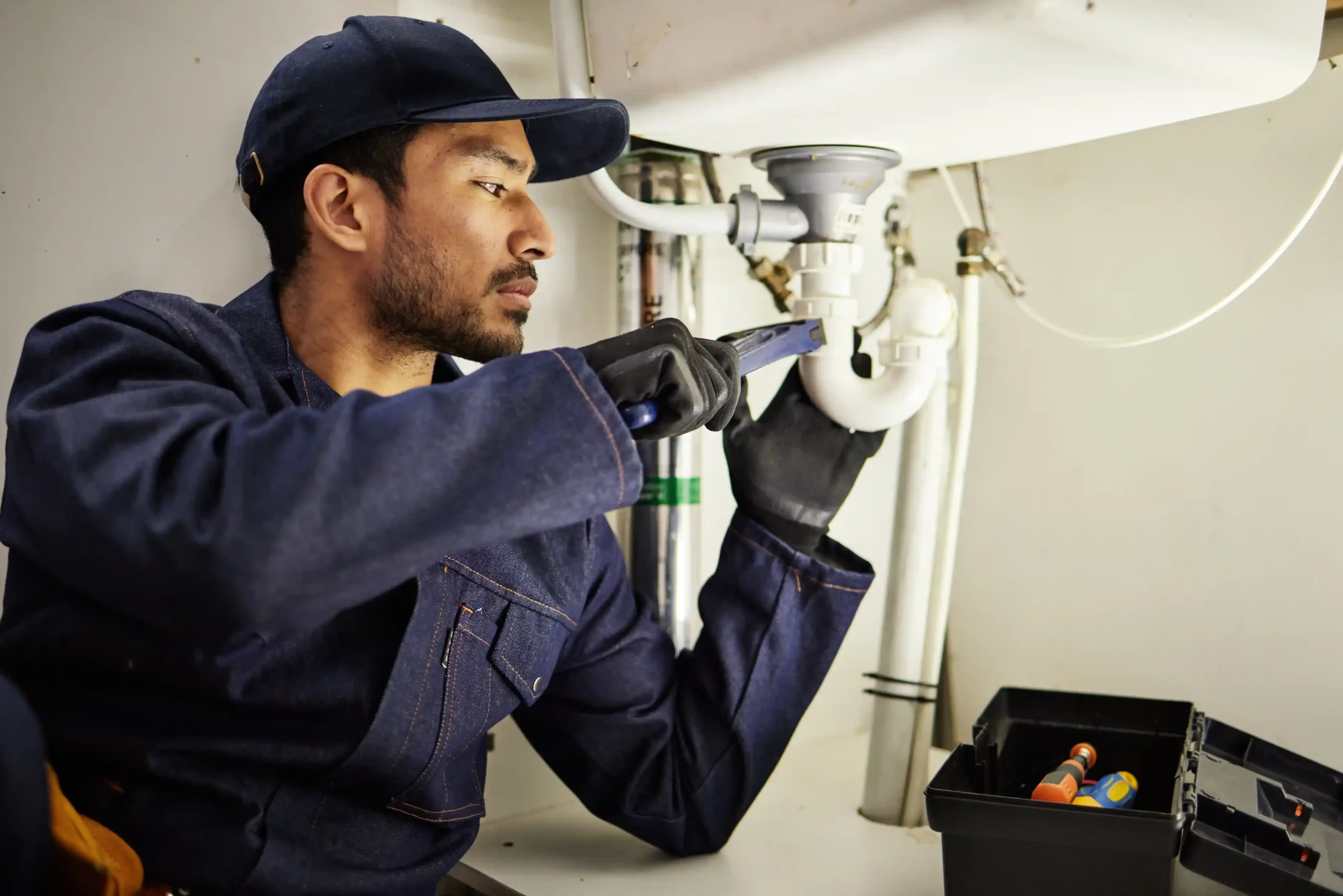
A blocked drain can quickly escalate from a minor inconvenience to a serious plumbing emergency. Whether it’s slow drainage, foul odors, or water backing up, dealing with a clogged drain can be frustrating. Fortunately, many blockages can be cleared with simple DIY methods before calling a professional.
At ASLFOW PLUMBING, we specialize in blocked drain solutions for homes and businesses across Brisbane. In this guide, we’ll walk you through the most effective ways to clear a blocked drain and when to seek professional help.
📞 Need a Plumber Fast? Call ASLFOW PLUMBING for Immediate Assistance!
Signs You Have a Blocked Drain
Blocked drains often give early warning signs before they become major issues. Ignoring them can lead to extensive property damage and costly repairs. Here’s what to watch for:
1. Unpleasant Odors
A strong, sewage-like smell coming from your drains is often the first sign of trouble. This happens when food, grease, hair, or debris decomposes inside your pipes.
2. Slow Drainage
If your sink, shower, or bathtub is draining slower than usual, you likely have a blockage forming. Over time, this will worsen and completely clog the pipe if left untreated.
3. Gurgling Sounds
Hearing gurgling noises from your pipes when using water? This is a sign that air is trapped due to a blockage. These sounds often indicate partial blockages that could soon worsen.
4. Water Backing Up or Overflowing
Seeing water rising instead of draining is a clear sign of a severe blockage. This can occur in sinks, toilets, or even floor drains and needs immediate attention.
🚨 Blocked Drain Emergency? Contact ASLFOW PLUMBING Now!
What Causes Blocked Drains?
Understanding what causes drain blockages can help prevent them from happening in the future. Here are the most common culprits:
1. Tree Root Intrusion 🌳
Tree roots naturally seek out moisture, making underground pipes a prime target. Once inside, they grow and create major obstructions.
2. Cooking Grease & Oils 🍳
Pouring oils, fats, and grease down the sink is one of the leading causes of clogged kitchen drains. These substances solidify inside pipes, restricting water flow.
3. Hair & Soap Scum 🛀
Bathroom drains frequently become blocked due to hair buildup and soap residue. Over time, this mixture forms thick clogs that require removal.
4. Foreign Objects 🎾
Kids often flush toys, wipes, and household items down toilets, leading to serious blockages. Only toilet paper should ever be flushed!
5. Food Scraps & Coffee Grounds ☕
Even if you have a garbage disposal, food waste (especially coffee grounds, rice, and pasta) can accumulate in pipes, leading to clogs.
6. Mineral Buildup (Hard Water) 💧
In areas with hard water, calcium and magnesium deposits can form inside pipes, restricting water flow and increasing the risk of blockages.
7. Cat Litter 🐱
Cat litter expands when wet, creating dense clogs in pipes. Never dispose of it in your toilet or sink.
8. Toiletries & Hygiene Products 🚽
Items like wet wipes, nappies, sanitary products, and cotton swabs do not break down like toilet paper and can quickly cause serious blockages.
9. Natural Debris (Leaves & Dirt) 🍂
Outdoor drains often get blocked with leaves, twigs, and mud, particularly during storms or heavy rain.
How to Clear a Blocked Drain – 10 Proven Methods
Depending on the cause and severity of your blockage, there are several methods you can try before calling a professional plumber.
1. Boiling Water – A Simple First Step ♨️
For minor blockages caused by grease, conditioner, or soap residue, pouring boiling water down the drain can help break them up.
✅ How to Do It:
- Boil a full kettle of water.
- Pour it directly down the drain in stages.
- Wait a few minutes and test the water flow.
⚠️ Caution: Do not use boiling water on PVC pipes, as it can soften or damage them.
2. Baking Soda & Vinegar – Natural Cleaner 🥤
A chemical reaction between baking soda and vinegar helps break down organic clogs.
✅ How to Do It:
- Pour 1 cup of baking soda down the drain.
- Follow with 1 cup of vinegar.
- Let it fizz for 10-15 minutes, then flush with hot water.
3. Plunger – A Reliable Manual Method 🛠️
A plunger creates suction to dislodge clogs.
✅ How to Do It:
- Fill the sink or bathtub with enough water to cover the plunger head.
- Create a tight seal and plunge vigorously for 30 seconds.
- Repeat until the water drains freely.
4. DIY Drain Snake – For Hair Clogs 🏗️
A simple wire coat hanger can help remove hair and debris.
✅ How to Do It:
- Straighten a metal hanger and create a small hook at one end.
- Insert it into the drain and pull out any trapped hair.
5. Caustic Drain Cleaner – For Tough Grease Clogs 🧪
Chemical drain cleaners dissolve grease, oil, and soap scum, but should be used sparingly.
✅ How to Do It:
- Follow the instructions carefully on the product label.
- Ventilate the area and wear gloves & eye protection.
⚠️ Caution: Overuse can damage pipes, so only use this method occasionally.
6. Wet & Dry Vacuum – Powerful Suction 💨
If you have a wet/dry vacuum, you can use it to suck out blockages.
7. Professional Drain Snake – Deep Blockage Removal 🌀
A plumber’s motorised drain snake reaches deep into pipes to break up stubborn blockages.
8. CCTV Drain Camera Inspection – Locate the Problem 📹
For persistent clogs, CCTV drain inspections help pinpoint the exact cause before taking action.
9. Hydro Jetting – High-Pressure Cleaning 🚀
Hydro jetting blasts away grease, roots, and mineral deposits using high-pressure water jets.
10. Pipe Relining – Permanent Fix for Damaged Pipes 🏗️
If a blockage has caused pipe damage, pipe relining restores the pipe without full replacement