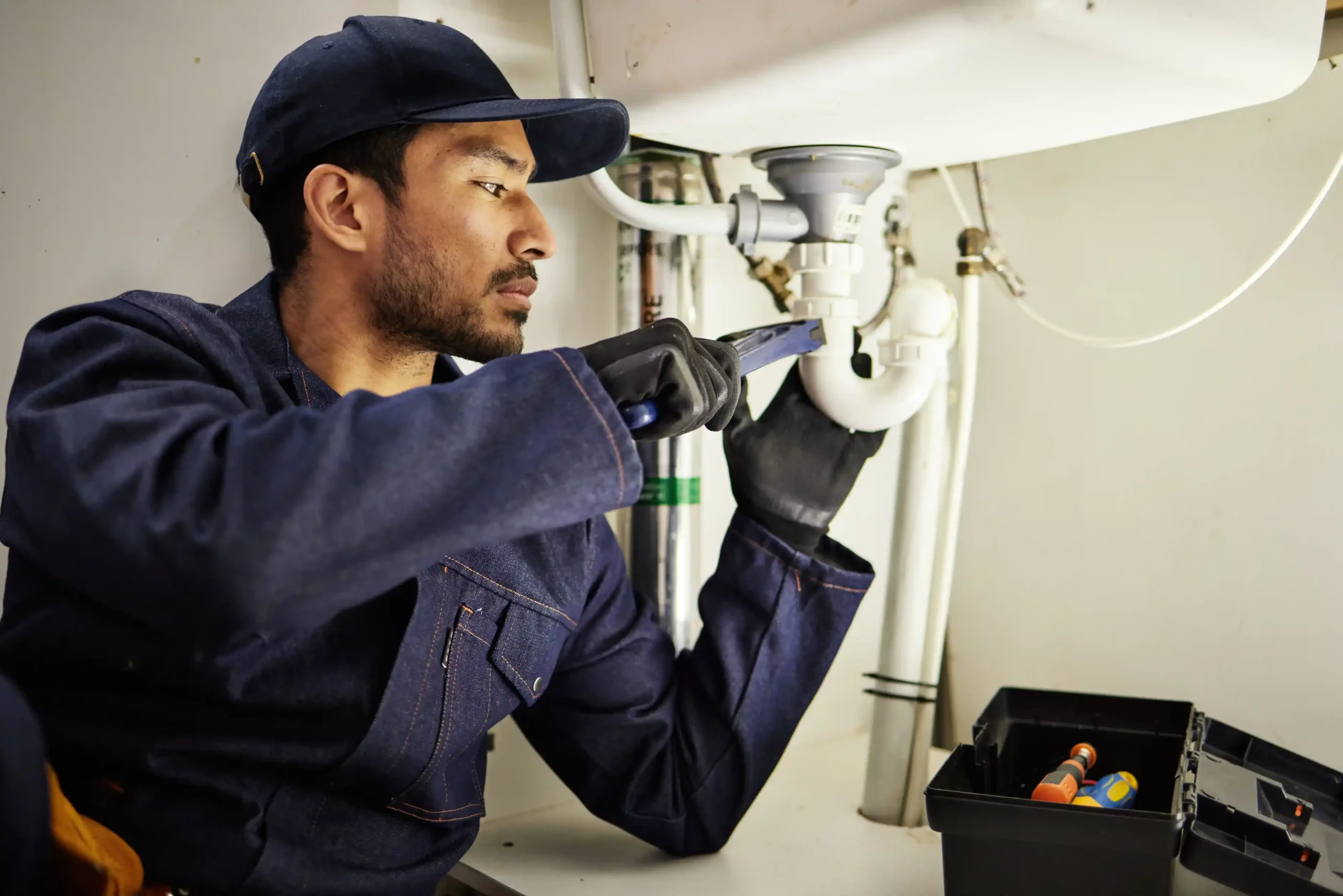
Behind the Scenes of Water Leak Detection
Water leaks are one of the most common — and costly — issues facing homeowners and businesses across Kenmore and Pinjarra Hills. While they might seem like minor annoyances at first, even a small hidden leak can lead to extensive structural damage, inflated water bills, and health hazards like mould. In Queensland’s climate, where dry spells alternate with storms, detecting leaks early is more important than ever.
Water Leak Detection in Kenmore and Water Leak Detection in Pinjarra Hills has evolved dramatically thanks to cutting-edge technology and specialised plumbing techniques. Gone are the days of blindly tearing down walls in search of a pipe crack. Today’s detection is precise, efficient, and non-invasive — using tools like thermal imaging, acoustic sensors, tracer gases, and smart meters to find leaks without disruption.
In this article, we’ll explore how these technologies work behind the scenes, why local factors matter in leak detection, and how licensed plumbers bring science and strategy together to protect your home from water damage. Whether you’re living in an older Kenmore Queenslander or a modern acreage property in Pinjarra Hills, this guide will help you understand how leak detection really works — and why it pays to act fast.
Why Early Water Leak Detection Matters in Kenmore & Pinjarra Hills
Hidden leaks can do a lot of damage before you notice them. They soak timbers, weaken walls, and feed mold – not exactly the morning view you hoped for. On top of that, every dribble adds to your water bill. In Brisbane’s leafy western suburbs like Kenmore, rising land and old plumbing can hide leaks in slab foundations. In rural Pinjarra Hills, many homes run on rainwater tanks and pumps, so a burst tank line can quietly drain your supply.
Finding leaks early prevents major repairs. Brisbane’s water authority (Urban Utilities) supplies our taps and even advises: if a leak is inside your property, call a licensed plumber right away. That’s because qualified technicians have the tools to accurately pinpoint leaks without turning your home upside down. Catching a leak fast saves water, avoids property damage, and keeps your plumbing healthy for years.
Traditional vs. Modern Leak Detection Methods
In the past, finding a leak was mostly guesswork. A plumber might start with a flashlight and look for water stains, peeling paint or mold on walls. Or they’d listen at pipe junctions with a stethoscope or a simple microphone, hoping to hear that tell-tale drip or hiss. These old-school methods can work if a leak is big and obvious, but tiny drips or underground leaks often stay hidden until it’s too late.
| Approach | Traditional | Modern |
|---|---|---|
| Detection Tools | Flashlights, visual checks, manual pressure tests | Electronic microphones, thermal cameras, IoT sensors |
| Accuracy | Guesswork, only finds leaks causing visible damage | Pinpoint accuracy: finds even tiny leaks exactly |
| Invasiveness | Often requires removing tiles or cutting walls | Non-invasive: no destruction – uses sound or thermal scans |
| Speed | Slow, on-site inspection takes time | Faster: real-time sensor alerts and quick scans |
| Cost Impact | Low tech but can lead to expensive repairs | Saves money long-term by preventing damage |
The advantages of modern methods are clear. As Wizard Leak Detection notes, acoustic and infrared tools give “pinpoint accuracy”, finding the exact crack without tearing up the house. They’re non-invasive, quick, and ultimately more cost-effective. In practice, a plumber in Kenmore might walk around the yard with a sound meter or scan a wall with a heat camera – you’ll hardly notice, but the leak will show up as a sound spike or hot/cold patch on the display.
Acoustic Leak Detection – Hearing the Drip
You probably know that water makes sound when it escapes. Modern acoustic leak detectors use this fact with high-tech gear. A plumber presses sensitive microphones (or correlators) to your pipes and listens for the unique gurgle or drip of a leak. These devices filter out ambient noise and can even triangulate the sound to a precise spot. In hidden leak detection, this is gold: technicians can find a leak under concrete or deep inside a wall without lifting a finger.
Today’s acoustic tools are much better than the old stethoscope. They capture the faintest noises – even the soft burble of water seeping through a tiny crack. As Pathfinder Plumbing describes, experts “employ cutting-edge technology, including acoustic and infrared methods, to detect leaks accurately”. In Kenmore’s quiet streets, an acoustic leak detector might narrow down a bathroom leak in minutes. Even for Pinjarra Hills’ rural homes, where pumps might hum in the background, experienced techs can isolate the leak sound from other noise.
To the untrained ear, a pipe leak might be inaudible. But with specialized listening devices, plumbers can hear the sound when water under pressure escapes through a fissure. They might also use correlators – two sensors placed apart on the pipe – and measure the time difference of the sound reaching each sensor, triangulating the leak’s location. The result? When you have water leak detection in Kenmore, the team often finds the exact spot without guesswork. You don’t need to cut open all your walls; the leak is uncovered by “listening”.
Thermal Imaging & Moisture Scanning – Seeing the Leak
Not all detection is by ear. Leaks change the temperature of the surrounding area, and infrared cameras can see that. For example, water often cools down or warms up the wall or floor around a leak. A thermal imaging camera turns those heat differences into a visual map. Plumbers sweep the camera over suspect areas and suddenly a hidden wet spot lights up in a different color (often red or blue).
Thermal imaging is fast and non-invasive. It lets technicians find leaks behind tiles or under floors without drilling. As Brisbane Leak Detection explains, their infrared scanners “detect temperature changes caused by water escaping from pipes”, making leaks visible on the camera screen. Once a plumber sees that “hot spot,” they know exactly where to dig or cut if needed.
Moisture meters and infrared go hand-in-hand. The camera finds a suspect area, and a moisture meter (like a pin or a little blower) then confirms if there’s dampness. In our Kenmore homes, this combo is especially handy for shower or wall leaks, which often leave a cooler or damper patch on the surface. And even in Pinjarra’s homes or sheds, an infrared scan can reveal a leaking tank line or underground pipe by subtle heat shifts.

Modern thermal cameras are very sensitive. They pick up the tiniest temperature change – even a leaking shower might make one corner of the bathroom wall a fraction cooler or warmer. Then the plumber hits that spot with a small probe to verify moisture. These thermal tools are invaluable: they work day or night, even through concrete. As one leak-detection pro puts it, thermal cameras allow us to “pinpoint leaks with precision” without disturbing your home.
Ultrasonic & Pressure Monitoring – Waves and Flow
Another trick uses ultrasonic technology. Here, plumbers send inaudible high-frequency sound waves into your pipes and listen for odd echoes. A crack or hole will reflect sound differently, revealing its location. This method, often combined with acoustic equipment, is excellent for long or buried pipes. It’s like sonar for your plumbing – a “ping” goes in, and the return tells us where the leak is. Like Wizard Leak Detection notes, ultrasonic devices “can detect even the smallest leaks that might otherwise go unnoticed”, which is great news for avoiding water loss.
Pressure testing is a simpler method: the plumber isolates part of the pipe, fills it with water or air, and sees if the pressure drops. If it drops, there’s definitely a leak somewhere – you just have to find it. While pressure tests only confirm a leak rather than locate it, they’re a fast first check. In Kenmore, a pressure drop might hint at a joint leak under the house, prompting an acoustic scan next.
The latest game-changer is the smart water meter. For example, Landis+Gyr’s W350 meter (now in use by some Australian utilities) has an integrated leak sensor. It uses its ultrasonic meter plus a gas (like hydrogen) sensor to spot leaks up to 80 meters away. On a suburban street, this means the water company might detect a small underground leak before the homeowner does. In your home, smart sensors can similarly track unusual flow and send alerts. The future is meters that don’t just measure usage, but actively flag leaks.
Tracer Gas & Dye Testing – The Specialist’s Tools
For really stubborn cases (think buried mains or inaccessible slabs), plumbers sometimes use tracer gas or dye. In tracer gas testing, they inject a harmless gas (like hydrogen or nitrogen) into the pipe system. Gas escapes through the leak and rises to the surface, where a special gas detector sniffing above the ground can “smell” the leak. It’s a bit like letting gas bubbles out to mark a leak location from below. Wizard Leak Detection describes this method as “highly effective for detecting leaks in underground pipes or hard-to-reach areas”.
Color dye is simpler: if a shower or toilet leaks slowly, a non-staining dye can be added to the tank. Within minutes you can spot if dyed water appears outside the expected area. These tricks aren’t needed often, but they’re invaluable when other methods can’t reach.
Smart Sensors & IoT – The Home Guardian
Homeowners are getting in on the action with smart leak detectors. Small devices (some as cheap as $100) attach near water lines or sit in vulnerable spots. They constantly monitor humidity or flow, and ping your phone at the first sign of trouble. Some can even automatically shut off the water if a big leak starts – like having a mini-plumber watching 24/7. According to Brisbane professionals, such smart systems “continuously monitor water usage” and alert you to abnormal flows. This is perfect for Pinjarra Hills if you have a rainwater tank: a sensor can warn you when the tank’s pump is struggling due to a hidden leak, saving your pump and water supply.
On a larger scale, utility companies are rolling out IoT solutions. For instance, South East Water (Vic) is using networked ultrasonic meters to catch leaks across entire suburbs. Back home in Queensland, this trend means that Water Leak Detection in Kenmore and across Brisbane may soon leverage city-wide data. For now, consider a smart meter or an under-sink sensor for peace of mind. They don’t replace a pro, but they do give you an early warning so you can call one before the damage piles up.
Putting It All Together: Kenmore & Pinjarra Hills
When it comes to understanding how everything works in real-world situations, here’s what actually happens during Water Leak Detection across Kenmore and Pinjarra Hills:
Here’s the simple breakdown of what to do if you suspect a leak:
- Listen for unusual water sounds during quiet hours.
- Check your water bill for sudden unexplained increases.
- Inspect visible areas like sinks, pumps, and tank lines.
- Call a licensed plumber equipped with modern leak-detection tools.
How a plumber usually handles the process (step-by-step):
- Identify the general leak zone using pressure tests or smart meter data.
- Use acoustic listening tools to narrow down the exact point.
- Scan with thermal or moisture devices to confirm hidden leaks.
- Expose only the precise location using non-invasive cutting or minimal access.
Why this matters:
- No more tearing up floors and walls unnecessarily.
- Technology like infrared, sound waves, and moisture sensors makes detection accurate.
- Faster detection helps protect your home from rising water damage risks.
Modern Water Leak Detection in Kenmore and Pinjarra Hills is a blend of science, precision and smart tools—all designed to save water, protect your property and reduce repair costs.
In short, hidden leaks might be silent troublemakers, but today’s licensed plumbers are part-detective, part-engineer. With the right tech, they can track leaks long before they become expensive disasters.
Conclusion
Water leak detection has come a long way. Instead of gut-feeling and jackhammers, experts now use precision tools. Water Leak Detection in Kenmore and Water Leak Detection in Pinjarra Hills often relies on acoustic microphones, infrared cameras, smart sensors, or even networked meters to catch leaks early. These modern methods are fast, non-invasive, and pinpoint-accurate. For homeowners, that means fewer surprises and lower bills.
If you ever notice odd damp spots or an unexplained water bill jump, don’t wait for visible damage – act. Call a professional who uses modern leak-detection technology. They’ll save you time and money. And if you’re tech-savvy, consider installing your own smart leak sensor under sinks or near the water meter – it might alert you to a silent leak before it becomes a flood.
Ready to Protect Your Home?
Share your own leak-detection stories or questions below! If you’re in Kenmore or Pinjarra Hills and need help, contact a licensed plumber with leak-detection tools today. Your home (and bank account) will thank you.
FAQs
How can I tell if I have a hidden leak?
If your water bill spikes for no reason, or you see unexplained mold or damp patches, you may have a hidden leak. You can also listen for a steady drip or use a leak detection app to monitor usage.
What tools do plumbers use for hidden leaks?
Plumbers use acoustic listening devices, infrared thermal cameras, moisture meters, and pressure tests. For tough cases, they may use tracer gas or dyes.
Do I need special equipment at home?
Some homeowners buy smart leak detectors (wireless sensors or shutoff valves) for early alerts. These are not required but provide peace of mind by monitoring flow and humidity continuously.
Is water leak detection expensive?
Costs vary, but finding a leak early generally saves money. Modern methods reduce labor and damage, which cuts overall repair costs.
Why call a plumber?
Because hidden leaks need skilled gear. As Brisbane Council notes, you should hire a licensed plumber for on-site leaks. They have the experience and tech to diagnose and fix the problem safely.
What about DIY checks?
You can check under sinks, listen for running water, and watch your meter with no water use. But precise water leak detection in Kenmore homes usually requires the professional equipment and know-how.