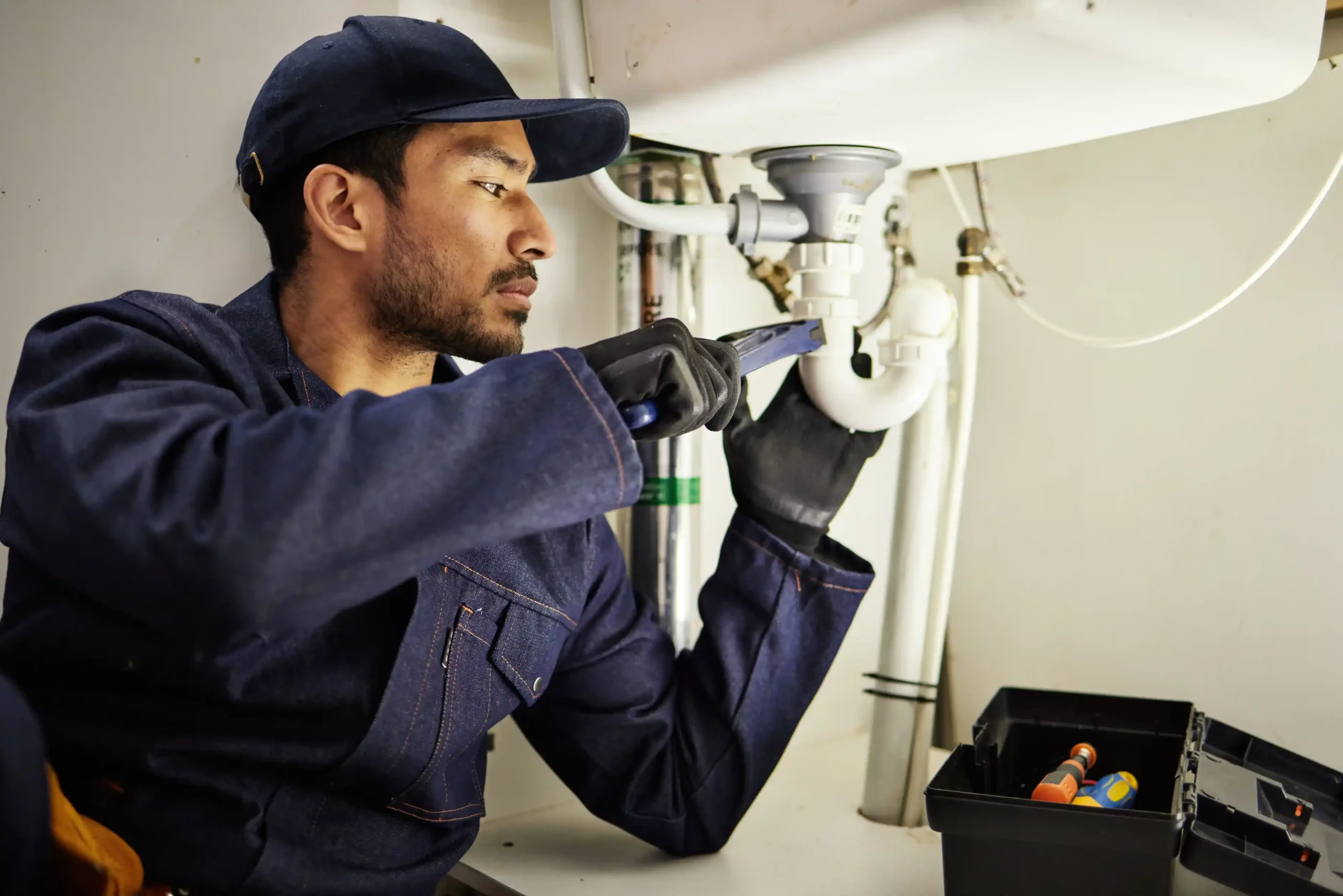
You’re enjoying your morning coffee in Kenmore when you notice an odd sound – a steady drip you can’t ignore. It’s not just breaking the silence; it could be a hidden leak quietly wasting water (and money) behind your walls. These small issues often go unnoticed until they turn into costly repairs, which is why Plumbing Leak Detection in Kenmore has become so important for modern homes.
In this article, we’ll explore how Plumbing Leak Detection in Kenmore uncovers sneaky leaks and the smart solutions you can use to stop them early. You’ll learn how to spot warning signs, understand the tools professionals use, and pick up simple habits to prevent leaks before they start. By the end, you’ll feel more in control of your home – and your water bill.
Why Leak Detection Matters in Kenmore
Water is precious in Australia, and even a small drip adds up fast. A single dripping tap can waste 10,000–12,000+ litres a year – enough to fill a kid’s swimming pool! A leaking toilet can dump tens of thousands of litres annually. In Kenmore, just like anywhere in SE Queensland, leaks quietly inflate your water bill and can wreak havoc on your home if left unchecked.
Here’s the hard truth: you pay for every drop recorded on your meter. If your usage suddenly spikes without explanation, a leak is likely to blame. You might see wet patches on floors, fresh mold in ceilings, or hear water running behind walls. Sometimes nothing shows – you just get a nasty surprise when the bill arrives.
Plumbing Leak Detection in Kenmore is about catching these gremlins early. Licensed plumbers use smart tech to track down leaks before they burst, protecting your property and wallet. In fact, local councils in Queensland urge residents to check meters regularly; one city reminds us that “leaks can happen for lots of reasons” and high usage should trigger checks.
- Listen to your bill and meter: If your water bill jumps or the meter spins with no taps on, suspect a leak.
- Look for clues: Dripping sounds, damp spots on walls/floors, or the lawn being unusually green might signal a hidden burst pipe or irrigation leak.
- Check common culprits: Toilets and taps often betray leaks. A stuck cistern or worn washer can quietly waste litres.
How Professionals Track Leaks
Gone are the days of breaking holes in walls at random (“search and destroy”). Modern leak detection is non-invasive and high-tech, and Plumbing Leak Detection now relies on precise tools instead of guesswork. Plumbers and leak specialists in Kenmore tap into advanced tools to pinpoint problems without tearing up your home. Here are some key methods:
- Water meter tests: The simplest check. Turn off everything and watch the meter. If it ticks after an hour, there’s a leak.
- Acoustic listening: Devices like electronic “stethoscopes” or ground microphones pick up the telltale sound of running water in hidden pipes. This is great for underground mains or behind walls.
- Thermal imaging (infrared cameras): Leaking water can be a different temperature than surroundings. Thermal cameras let technicians “see” leaks through walls or under floors by detecting heat changes.
- CCTV drain cameras: For blocked drains or sewer pipes, small cameras snake through the pipe to spot cracks, roots or clogs. A blocked drain may look like a leak if sewage backs up.
- Pressure decay tests: Sections of plumbing are isolated and pressurized; any drop in pressure over time means a leak.
- Tracer gas or dye tests: In tough cases, harmless gas or dye is flushed through the line, then cameras or detectors find where it escapes.
- Smart flow/pressure sensors: Some plumbers attach meters or sensors to detect abnormal flow and trace leaks remotely.
A hidden wall leak, revealed by thermal imaging, can be detected without busting tiles, which shows how effective modern Plumbing Leak Detection methods have become.
Each method has its place. For example, acoustic devices excel at pinpointing small in-wall leaks, while CCTV cameras are top for drain blockages. (See table below for more detail.)
| Method | How It Works | Best For | Pros & Cons |
|---|---|---|---|
| Water Meter Test | Turn off all water; watch meter for movement. | Preliminary leak check | DIY-friendly; quick. Doesn’t locate source. |
| Acoustic Detection | Microphones/hearing devices pick up water noise | Concealed pipes, floors | Highly accurate; professional use, no damage. |
| Thermal Imaging | Infrared camera spots temperature differences | Hidden leaks (walls, ceilings) | Non-invasive; may miss slow leaks if cool diff. |
| CCTV Camera (Snake) | Small camera crawls through drains | Blocked drains, sewer lines | Visually confirms blockage; requires access. |
| Pressure Decay Test | Isolate a section, pressurize, watch for drop | Entire supply lines, sections | Definitive if leak present; requires sealing off pipe. |
| Tracer Gas/Dye | Inject gas/dye to trace leaks in pipes or pools | Underground leaks, slab leaks | Very accurate; must flush system, pro only. |
No single method is perfect on its own. Often plumbers will combine tools – for example, using acoustic sensors then a thermal camera to double-check an area. The goal: find that hidden leak fast, with zero guesswork.
Smart Home and IoT Leak Solutions
Kenmore homes are getting smarter, and so is plumbing. Today’s smart leak detectors bring leak detection into your home network, working alongside modern Plumbing Leak Detection methods to improve accuracy and response time. These little gadgets attach to pipes or meters and track flow in real time. If they spot an unusual surge (or even a slow trickle that shouldn’t be there), they zap an alert to your phone or even shut off the water automatically.
Imagine getting a ping on your smartphone that says, “Hey, your laundry tap is still dripping!” before it floods the floor. Some models connect to your home Wi-Fi or use IoT (Internet of Things) networks, meaning you can monitor your water usage on the go. In fact, the next big thing is already here: digital (ultrasonic) water meters with built-in leak sensors. Utilities across Australia use such tech to catch leaks across entire suburbs.

For Kenmore residents, that means you can install an in-home leak alarm cheaply. Even regular automatic sprinkler systems have smart controllers that detect pipe leaks. These smart solutions complement professional leak detection: they won’t replace a plumber, but they warn you early. When paired with expert Plumbing Leak Detection, they significantly reduce the risk of costly water damage.
Large buildings and councils are also jumping on board. For example, Queensland utilities have used AI-driven analytics on meter data to find network leaks. Unitywater (who serve Brisbane’s region) famously slashed water waste by six to seven billion litres using smart leak-detection software. In short, whether you’re a homeowner or a city planner, “smart” leak tech is about stopping waste before it floods out of control.
Preventing Leaks (Before They Happen)
A stitch in time saves nine – or in plumbing terms, a quick fix saves thousands of litres. Prevention is part of the game, and even basic awareness of Plumbing Leak Detection can help you stay one step ahead. Here are a few pro tips Kenmore folks can use:
- Gentle taps: Don’t slam faucets shut. Turning off gently extends washer life and avoids water-hammer that can crack pipes.
- Tree caution: Avoid planting large tree roots over water service lines. Roots love to creep into tiny pipe cracks.
- Regular maintenance: Have a licensed plumber inspect aging pipes or disturb foundations (e.g. renovations). Only licensed professionals should work on mains and underground pipes.
- Monitor appliances: Check hoses on washing machines, dishwashers and the hot water system each season for cracks or drips.
- Upgrade fixtures: Consider water-efficient taps and dual-flush toilets. Less flow means less chance of hidden leak waste.
- Know remission rules: In Queensland, if you fix an underground (concealed) leak quickly with a licensed plumber, you may be eligible for a bill credit under the concealed leak remission scheme. Acting fast not only saves water — it can also reduce your overall costs. Learn more about checking for leaks and saving water (Queensland Government guide).
By staying vigilant and using tech wisely, Kenmore households can turn the tide on leaks. A little effort – reading the meter each month or catching a drip early – pays off immediately in water saved and headaches avoided.
Conclusion & Next Steps
Hidden leaks are like squatters in your plumbing – unnoticed until they cause trouble. But armed with meter tests, an ear to the ground, and smart gadgets, you’re well-equipped to evict them. Remember: Plumbing Leak Detection in Kenmore isn’t just about fixing problems, it’s about preventing wasted water, protecting your home and saving money.
If you suspect a leak, don’t panic. Start simple (check meters, look for wet spots). If the problem is hidden, contact a licensed plumber Kenmore – a leak detection specialist. Many local plumbing service companies offer emergency plumbing service and 24 hour plumbing support, so help is just a call away.
Take action early: a quick repair now is far cheaper than a flood repair later. Enjoy peace of mind knowing you’ve got the lowdown on leaks. And don’t keep it to yourself – share these tips with your Kenmore neighbours. Together, we’ll keep our homes dry and our water bills low. After all, in Brisbane’s west we might get rain, but no one wants it dripping into the walls!
FAQs
1. What are the signs of a hidden leak?
A sudden spike in your water bill or a running meter with no usage often signals trouble. Damp patches, mould, or musty smells are also red flags. Plumbing Leak Detection in Kenmore helps confirm hidden issues early before damage spreads.
2. How does Plumbing Leak Detection in Kenmore find leaks without damage?
Modern Plumbing Leak Detection in Kenmore uses non-invasive tools like thermal cameras, acoustic sensors, and CCTV pipe inspections. These methods locate leaks behind walls or underground without tearing your home apart.
3. Can I detect leaks myself before calling a professional?
Yes, you can try a simple meter test by turning off all water and checking for movement. Still, for hidden issues, Plumbing Leak Detection in Kenmore provides accurate results using advanced tools that go beyond DIY methods.
4. What should I do during a sudden water leak emergency?
Turn off your main water supply immediately to stop further damage. Then arrange urgent help. In critical cases, Plumbing Leak Detection in Kenmore plays a key role in quickly locating and fixing the source of the leak.
5. Are leaks connected to blocked drains?
Sometimes, yes. Pressure build-up from blockages can lead to cracks or leaks. Combining blocked drain solutions in Kenmore with Plumbing Leak Detection in Kenmore ensures both the cause and damage are properly addressed.