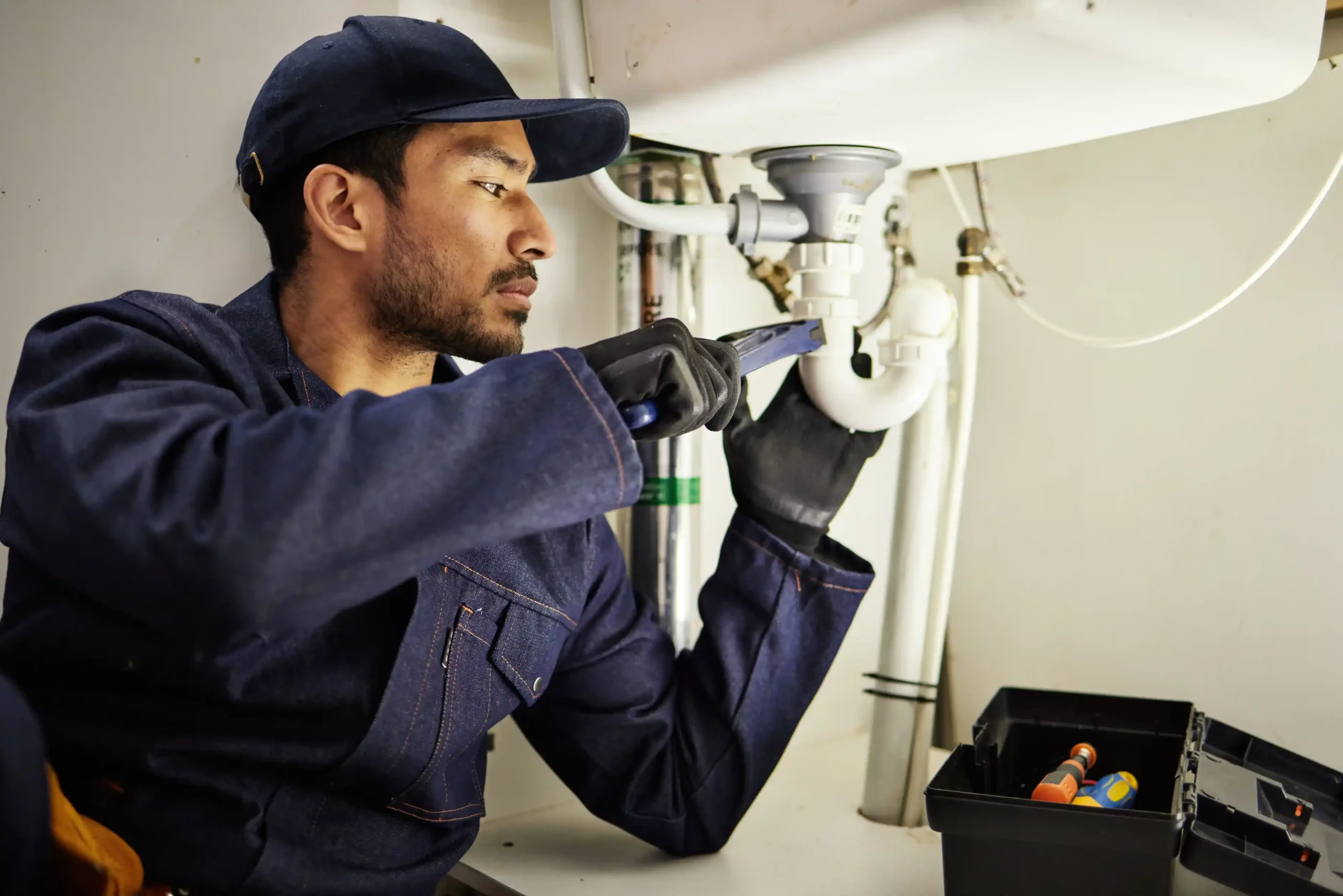
Water leaks might look small, but they can cause serious damage to your home and wallet if ignored. From higher water bills to hidden structural issues, leaks are problems that need fast attention. That’s where Leak Detection Specialists in Kenmore come in. With advanced tools and experience, they can locate even the hardest-to-find leaks, helping you avoid costly repairs and keep your plumbing system safe.
Why Call Leak Detection Specialists in Kenmore?
First off, what are leak detection specialists? Think of them as plumbing detectives. They don’t just patch obvious drips – they hunt down hidden leaks that lurk behind walls, under slabs, or in your yard. Trust me, these experts have gadgets that make Sherlock Holmes jealous. They use acoustic sensors, thermal cameras, and other high-tech tools to pinpoint leaks without tearing up your whole house.
Why go pro instead of doing a quick DIY fix? One reason: costly surprises. As one guide bluntly warns, “water leaks… waste water, increase your bills, and can cause severe damage to walls, floors, and ceilings”. Imagine finding a burst pipe after your new hardwood floors are ruined. Specialists can stop that nightmare. Plus, hiring a professional can save time and money in the long run. They find the leak fast and fix it right, so you don’t play costly guessing games.
- Expertise and Equipment: These pros literally train to track water. They use acoustic detectors that “pick up the acoustic signal emitted by water leaks underground”, infrared cameras to spot moisture, and even tracer gas when needed.
- Non-Invasive: Instead of jackhammering walls, they often find leaks with minimal disruption. (Your cat will thank you.)
- Peace of Mind: Knowing a licensed Kenmore professional is on the job means no more lying awake wondering, “Is that drip getting worse?”
All this means faster fixes and lower bills. Remember, don’t procrastinate: even a tiny drip can waste big. The water authorities note that “a leaking tap can waste up to 10,000 litres a year” – that’s like flushing 5,000 toilets! The clock’s ticking on those unseen drips, so keep alert.
Spotting Hidden Leaks: Common Signs
You don’t need fancy gear to catch leaks early – your senses and a few basic checks go a long way. Here are red flags that say “call a Kenmore leak expert”:
- Skyrocketing Water Bills. One of the dead giveaways is unexplained high water bills. As one report notes, “one of the most telltale signs of a water leak is a sudden and unexplained spike in your water bills”. If your usage hasn’t changed but the numbers on your bill have, you’re probably paying for water that’s disappearing somewhere else.
- Damp or Discolored Patches. Check walls, ceilings, and floors for damp spots, peeling paint, or warped wood. These could be spots where water has seeped out. Hidden leaks often start behind the scenes (literally), but they leave traces on surfaces. Even bubbling paint or unexpected mold rings are screaming, “Leak here!”.
- Mold and Mildew. Persistent mold or mildew in odd places (like a musty smell in a cupboard) usually means water is trapped somewhere it shouldn’t be. Think of mold as the leak’s ugly sidekick. Moisture from leaks provides the perfect breeding ground for fungi, which in turn can trigger allergies.
- Sound of Running Water. Oddly, one big clue can be your ears. If you hear water running or dripping when everything should be off, trust your instincts. Late-night drip-drip sounds or a faint gurgle might mean a hidden pipe issue. It’s not your imagination. (I once insisted my neighbor come over because I swore I heard a tap running – turned out to be a tiny kitchen leak I hadn’t noticed!)
- Constantly Moving Water Meter. Here’s a simple DIY test: turn off every tap and appliance that uses water (garden hoses, dishwasher, etc.). Check the red numbers on your water meter, then wait an hour (while no one uses water). If the meter clicks anyway, water’s leaking somewhere. This little test is gold: as the Water Corporation advises, “your water meter is one of the most reliable tools for detecting leaks” (Queensland Government guide).
If you notice one or two of these, don’t shrug it off. In Kenmore’s humid climate, a leak can hide under boards or behind drywalls, quietly growing. The longer it goes, the worse it gets. Once there’s visible water or damage, the repair bill jumps. Remember: “Even a slow drip can waste litres of water each day, adding unnecessary costs to your bill”. That’s why catching leaks early is crucial.
Common Causes of Home Leaks in Kenmore
Now, you might wonder why leaks happen so often. The culprits vary, but in Kenmore (and Brisbane overall) there are a few common issues:
- Old or Corroded Pipes. Many Kenmore homes have older plumbing. Over time (10–20 years or more), pipes can degrade. Gold Coast plumbing experts note that “ageing or corroded pipes are one of the primary culprits” of underground leaks. Metal slowly rusts or plastic cracks. In other words, pipes get tired.
- Ground Movement & Tree Roots. Brisbane rain and shifting soil can move buried pipes. Tree roots grow relentlessly, and one day they might crack a water line. Gold Coast experts explain that “movement in the ground from tree roots… can stress buried lines and cause splits”. In Kenmore’s leafy suburbs, root damage is a genuine hazard.
- Extreme Weather. Kenmore gets heavy rain and occasional heat, both of which stress plumbing. Heavy rain can flood yards and corrode underground pipes. Heat can make pipes expand and joints loosen. After a big storm, check for soft ground or new puddles in your yard.
- DIY Installations or Damage. Hey, I’ve certainly tried a plumbing fix myself, only to realize I’m not an expert. Poor do-it-yourself repairs or accidental damage (say, hammering a nail through a wall) can start tiny leaks. Those sneaky drips can then grow over time.
- Fixture Wear and Tear. Faucets, showerheads, and toilet parts have rubber seals that wear out. It could be a worn washer or a loose joint. This is why plumbing leak detection often includes testing fixtures. A common cause: a leaky toilet. A quick test (food coloring in the tank, wait 10 minutes) can reveal it.
Knowing causes helps prevent leaks. For example, if your yard suddenly seems soggy on dry days, it might be an underground leak from roots or corroded pipe. Keep an eye on your garden drains too – blocked drains can overflow or back up when a leak weakens pipes.
Advanced Tools & Techniques Used by Specialists
If you’ve spotted a leak or even just suspect one, never underestimate what the pros can do. Modern leak detection is a bit like plumbing science fiction. Here’s a peek at their toolbox:
- Acoustic Detectors. These are like super-sensitive microphones for plumbing. They detect the sound of water escaping. The pro runs a device along pipes or taps on walls – and the device amplifies the gurgles and drips even underground. It’s how they can pinpoint an almost silent leak far under your patio.
- Thermal Imaging Cameras. Ever wanted X-ray vision? Infrared cameras let specialists “see” moisture by capturing temperature differences. Leaking water cools or warms the surroundings slightly; the camera shows these as hot or cold spots. It’s a quick way to scan walls or floors. As one guide notes, infrared imaging is “one of the most sophisticated techniques used to detect… leaks”. In practice: they wave the camera around and suddenly see a warm patch where a cold leak is behind drywall. Magic!
- Tracer Gas or Dye Testing. For some complex cases (especially gas or sewer lines), they might use safe tracer gases or inject colored dye into the system. The gas escapes where the leak is and is detected above ground. For a toilet, a dash of food coloring can show a leak if color seeps from tank to bowl. These methods make invisible leaks visible.
- Electronic Moisture Meters. These pin-like gadgets measure moisture inside walls or floors. By poking or scanning surfaces, they confirm dampness behind the surface. It’s a low-impact way to map out the wet area.
- CCTV Camera Inspections. For sewer lines or big pipes, they push a tiny waterproof camera down the pipe. It sends live video of any cracks or holes. This way, specialists don’t have to dig up an entire yard to find a break – they just “swim” the camera through.
After detecting the leak, repair methods vary: sometimes it’s a simple fix like tightening a joint or replacing a section of pipe. Other times, it might involve relining or (worst case) trenching a short section. A good specialist will explain the fix in plain English, not plumber-speak.
| Method | How It Works | Best For… |
|---|---|---|
| Acoustic Listening | Hears underground leak sounds with sensitive mics | Locating water main or pipe leaks buried below. |
| Thermal Imaging | Detects temperature differences from leaks | Finding leaks in walls, floors, or under slabs. |
| Tracer Gas/Dye Test | Introduces a detectable gas or dye into the plumbing system | Confirming hidden leaks in specific fixtures or pipes. |
| Moisture Meter | Measures dampness through surfaces using electrical resistance | Mapping moisture behind walls or in floors. |
| CCTV Camera | Sends video through the inside of pipes | Locating cracks or blockages in drains and sewer lines. |
Table: Comparison of Common Leak Detection Techniques.
DIY Leak Checks vs Professional Help
I know what you’re thinking: “Can’t I just Google some tips and fix it myself?” Sure, there are a few home tricks to try first, but know when to stop and call the pros. Here’s a quick rundown:
- DIY Checks (When to Try Them):
- Check your water meter (as described above). This is free and easy. If your meter is moving with everything off, you likely have a leak.
- Do a visual inspection. Look under sinks, around toilets, and in the yard for puddles or drips. Tighten any loose faucet fittings or hose connections. Replace old rubber washers (they cost about $2 and you can do it yourself).
- Use simple tests. For toilets, drop some food coloring in the tank and wait (don’t flush). If color seeps into the bowl, you have a leak in the flush valve. YouTube has tons of guides on these quick fixes.
- Listen carefully at night. Sometimes putting your ear to a wall or pipe line in a quiet house can reveal dripping.
- Check your water meter (as described above). This is free and easy. If your meter is moving with everything off, you likely have a leak.
- These DIY steps are good first-aid. But they have limits. If the leak is hidden inside walls or under floors, or if your initial checks don’t turn up anything, you’ll need professional help. And remember, the clock is ticking when your meter is moving.
- Professional Leak Detection (When to Call an Expert):
- When you suspect a hidden leak but can’t find it. These guys will find it.
- If there’s an underground or slab leak. Unless you have a magic wand, you’ll want pros with trenchless tools.
- When you need fast, reliable results. A specialist will pinpoint the leak precisely. They’ll often guarantee finding it, so you’re not paying to poke blind in the dark.
- When you suspect a hidden leak but can’t find it. These guys will find it.
To make it clear, here’s a quick comparison:
| Feature | DIY Approach | Professional Leak Detection |
|---|---|---|
| Tools | Water meter, wrenches, dye tablets | Acoustic sensors, thermal cameras, CCTV scopes |
| Accuracy | Basic checks, may miss hidden leaks | High – pinpoints hidden or underground leaks |
| Disruption | Minimal (low) | Minimal – non-invasive tech vs. actual digging if needed |
| Typical Cost | Very low (DIY parts only) | Moderate (service fee for expertise) |
| Best Used | Initial detection of obvious leaks | After signs of leak; to prevent costly damage |
If you’re handy and just want to rule out simple issues, knock out the DIY list above. But once we’re talking about pipes under the slab, in the walls, or in the yard, call in the experts. You’ll save headaches (and possibly thousands in repairs).
Choosing the Right Leak Detection Specialists in Kenmore
Not all plumbers are equal when it comes to finding leaks. Here’s how to pick the Sherlock Holmes of plumbing:
- Licensing and Insurance: Always check that any plumber or leak specialist is licensed for Queensland. A licensed professional not only knows plumbing codes, but carries insurance in case anything goes wrong. No license? That’s a red flag.
- Experience and Reputation: Look for someone who actually specializes in leak detection, not just general repairs. Ask neighbors or check online reviews for local “leak detection Kenmore” or “Kenmore plumbing” services. Reviews and word-of-mouth can tell you if they actually found hidden leaks (or just patched things and sent you away).
- Up-to-Date Technology: A great leak detective uses the latest tools. Ask if they use acoustic gear, thermal imaging, moisture meters, etc. Some old-school plumbers might rely on more invasive methods first. Make sure your specialist at least offers the non-destructive tech.
- Response Time: A lot of leaks turn into emergencies quickly (especially if a roof or pipe burst). Choose a service that offers prompt response. Many plumbers have 24/7 emergency lines; find out what the turnaround is for Kenmore calls.
- Transparent Pricing: Honest pros give a clear quote. They might charge a fixed fee to locate a leak or an hourly rate. Beware of anyone who dials up a huge charge out of the blue. Get a written estimate if possible.
For example, a good professional will say something like, “We’ll check your meter and use our listening equipment. If we find a leak, we’ll show you exactly where and explain the fix before we do any work.” Many local specialists even offer a “no leak, no fee” policy on detection – you only pay when they succeed.
And remember the basics: do a quick Google for “Leak Detection Specialists in Kenmore” and see who comes up. (Spoiler: if you search that, you might just find this article!) Seriously though, local directories or government lists (e.g. Master Plumbers Assoc QLD) can help. One expert guide recommends checking online reviews and certifications to be sure you pick a company with a proven track record.

Preventing Leaks and Promoting Water Safety
Once the leak is found and fixed, let’s keep it from happening again. Here are some prevention tips tailored for Kenmore homes:
- Regular Maintenance: Schedule an annual plumbing check with a local Kenmore plumber. They can inspect vulnerable spots (washing machine hoses, outdoor taps, hot water system) before small issues snowball.
- Smart Water Habits: Be waterwise. We Aussies love our gardens, but don’t let your irrigation drown your pipes. Fix drippy taps promptly (even small drips add up). Use water-saving fixtures – it saves money and stress on your plumbing.
- Protect Your Property: Know where your main shut-off valve is (usually near the meter). If a disaster strikes (say a pipe bursts), you’ll want to cut water fast.
- Monitor Your Meter: Keep checking your water bill and meter regularly. If you get into the habit of glancing at the meter (maybe monthly), you’ll catch leaks early. The Queensland government even suggests checking it monthly or quarterly.
- Insulate Pipes: Kenmore doesn’t freeze much, but pipes under houses can get chilly. Insulating exposed pipes in winter can prevent cracks.
- Landscaping Caution: If you’re planting new trees or doing groundwork, be mindful of buried pipes. Mark your lines before digging.
In short, stay alert. Small prevention now beats big repair bills later. A word from one guide: Timely leak detection also promotes water conservation and saves on bills. Every drop you save is a dollar you keep.
Conclusion
Hidden leaks are like that unruly houseguest – you know they’re there, but sometimes it takes a trained eye (or ear) to find them. By watching for signs (unexpected bills, damp spots, mysterious sounds) and doing simple checks yourself, you can spot trouble early. But when the clues point to something hidden, it’s time to call the Leak Detection Specialists in Kenmore. These experts blend high-tech tools with plumbing know-how to find leaks fast, saving you from huge water waste and damage.
At the end of the day, investing in professional leak detection is investing in peace of mind. You’ll keep your Kenmore home safe, avoid skyrocketing bills, and do your part for water conservation. So don’t wait for the next storm or season change – if you suspect a leak, pick up the phone. Your friendly local emergency plumber or leak detective will appreciate it (and your floor will too).
Ready to protect your home? Reach out to licensed leak detection professionals in Kenmore today and stop leaks before they start!
Frequently Asked Questions (FAQs)
What does a leak detection specialist do?
They use advanced tools (acoustic sensors, thermal cameras, moisture meters) to precisely locate leaks in pipes or walls. Specialists can find hidden leaks that are hard to detect yourself, preventing damage and saving on bills. Think of them as plumbing detectives who find the source without wrecking your house.
Should I try to find a leak myself or call a professional?
You can do initial checks (like watching your meter or testing toilets), but beyond that, it’s wise to call an expert. DIY methods only go so far. If you’ve spotted signs (mold, high bills) but can’t pinpoint the leak, a licensed professional will locate it quickly and accurately.
When should I call an emergency plumber for a leak?
Call immediately if you have a major leak (flooding, burst pipe, or water gushing out). For slow or hidden leaks, you can wait a short while to gather info (meter test or visual checks), but if your house is getting wet or your bills are rising fast, get on the phone. In Kenmore we recommend calling an emergency plumber if it’s a full-on leak emergency – otherwise contact a leak detection specialist ASAP.
How do I choose the right leak detection specialists in Kenmore?
Look for licensed local plumbers with good reviews who specialize in leak detection. Check that they use modern equipment (like acoustic and thermal tools). Ask for a clear quote, and make sure they’re insured. Good specialists will offer written findings and a plan before they start any repair.