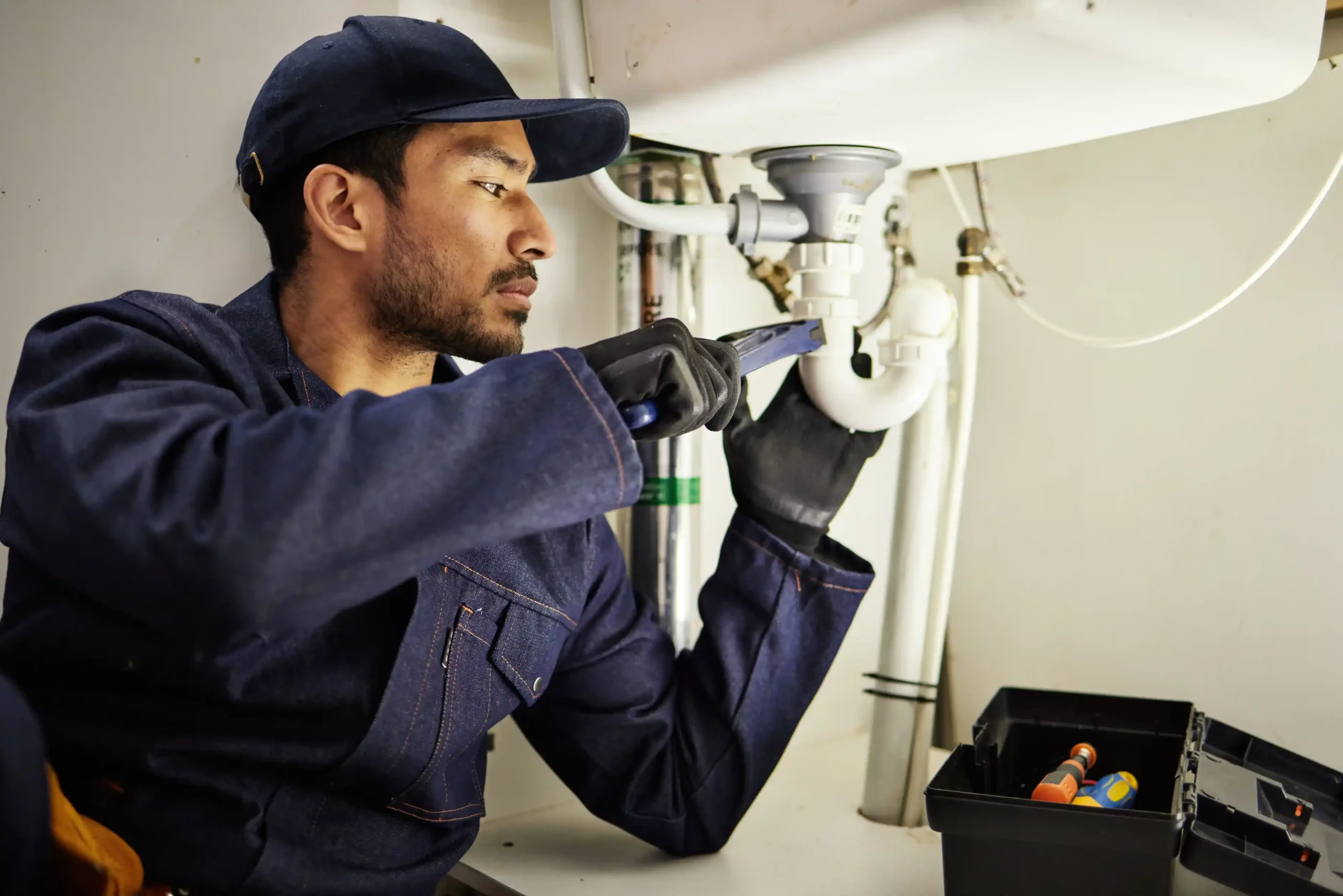
Plumbing problems can turn your day upside-down – think burst pipes, leaks behind walls or a flooding bathroom. Often the culprit is something you don’t see: water pressure that’s too high or too low. In Kenmore (Brisbane), where homes can sit at different elevations, it’s common to experience wild pressure swings.
High-pressure water may feel like a refreshing shower, but it literally strains your pipes. I once woke up to a faucet gushing like a fire hydrant – a scary (and very wet) surprise! The good news is, a simple water pressure adjustment can stop these nightmares before they start. By keeping pressure at a safe level, you can protect your plumbing, save on repairs, and even cut down your water bill.
Understanding Water Pressure and Why Adjustment Matters
Water pressure is the force that pushes water through your pipes. In Brisbane-area homes, typical pressure is about 300–500 kPa (around 40–70 psi). Regulations (AS/NZS 3500) actually limit indoor pressure to 500 kPa (≈72 psi). When pressure gets too high, pipes and fixtures start to wear out — and that’s exactly where Water Pressure Adjustment steps in as a silent hero.
Imagine turning off an old shower tap – if the valve has to fight against very high pressure, it will seize up or drip. In one Kenmore home, a resident complained they couldn’t turn off their washing machine valves due to 850 kPa pressure – far above the code! That single issue could have been prevented with timely Water Pressure Adjustment before the damage began.
High pressure acts like a workout for your plumbing (and not in a good way). It forces every joint, seal, and appliance to hold back more water. This extra stress can lead to pinhole leaks and even pipe bursts. As one plumbing guide warns, “tiny pinhole leaks are the most common effect of high water pressure,” which can quickly cause major water damage and mould if left unchecked. High pressure can also make pipes bang (water hammer) and make valves 60% harder to shut (think 800 kPa vs 500 kPa) – so things fail much faster under stress.
By contrast, too-low pressure (below about 200 kPa) makes chores slow and frustrating – half-emptying a bucket under a trickle. In Brisbane’s hilly suburbs like Kenmore, some homes are built high up where pressure is lower, so they install pumps. But most commonly, the risk is too high pressure from the mains, especially at the bottom of a hill.
That’s where water regulators and pressure gauges come in. Performing a Water Pressure Adjustment means using a valve or regulator to dial the flow up or down, keeping it in the sweet spot. This simple tweak prevents damage and keeps your showers refreshing without turning your home into a mini-flood.
Typical Pressure Ranges and Risks
Getting a handle on numbers helps. The local water supply aims to give at least 220 kPa at every meter connection, but will reduce pressure in high-pressure zones to avoid problems. In fact, Gold Coast Water says they keep mains pressure below 900 kPa to “reduce leakage, pipe bursts and damage to private plumbing”. Inside the house, building codes cap pressure at 500 kPa.
Below is a quick guide:
| Pressure Range (kPa) | Condition | Possible Issues |
|---|---|---|
| <200 kPa | Low | Weak taps, slow showers, complaints about flow |
| 200–500 kPa | Optimal | Safe range – strong showers without damaging pipes |
| 500–900 kPa | High | Pipes and valves stressed, leaks likely, noisy pipes |
| >900 kPa | Very High | Almost guaranteed bursts, rapid wear on plumbing |
Many Kenmore homes sit in the 300–500 kPa range, which is generally fine. If your water pressure creeps over 500 kPa, it’s time to adjust it.
Signs Your Water Pressure Needs Adjustment
How can you tell if pressure is causing trouble? Here are some red flags:
- Dripping Faucets & Leaks: Even when off, water may trickle from taps or showerheads. Small, almost-pinpoint leaks (at joints or fixtures) are often the first sign of too much pressure.
- Water Hammer: Ever heard loud banging or thumping in your pipes when a tap is turned off? That water hammer indicates pressure surges, which jolts pipes and can break joints.
- Spitting Taps: If the sink spits or sputters when first turned on, that’s high pressure bursting into the room.
- Worn Appliances: Frequent leaks or repairs on washing machines, dishwashers or hot water units often stem from high pressure straining their hoses and seals.
- High Bills: A sudden jump in your water bill without using more water? High pressure means more flow through every tap. You literally pay for gallons you don’t need.
In short, if you’re tightening connections constantly or your water fixtures are aging prematurely, check the pressure. A pressure gauge (inexpensive to buy or borrow) can confirm it: screw it on a garden tap, and ideal home pressure is roughly 300–500 kPa (40–70 psi). Any higher for long periods risks damage. One plumbing expert notes: even a good shower head can “turn from a relaxing flow to a firehose” in seconds if unregulated.
How Water Pressure Adjustment Prevents Damage
So how does adjusting pressure save the day? It’s simple physics: less pressure means less force on your pipes. Installing or tweaking a pressure reducing valve (PRV) or regulator limits the flow into your home to a safe level. This one device can prevent a cascade of headaches, and that’s exactly what Water Pressure Adjustment is designed to do — protect your plumbing from unnecessary strain.
According to plumbing specialists, “excessively high water pressure can strain and weaken your pipes over time, leading to leaks, bursts, and costly repairs,” whereas a regulator “keeps the pressure at a safe level” to protect your plumbing.
Lower pressure also means using less water – more savings. Burns Plumbing (Sydney) explains that high pressure causes you to use more water than necessary, “inflating your utility bills.” A regulator cuts flow and waste, trimming your bill. Over months and years, those savings add up.
In practice, Water Pressure Adjustment often solves big problems. For example, a plumber in Adelaide found a customer’s washing machine hoses kept leaking no matter how tight they made them. The culprit was 850 kPa incoming pressure – well over the 500 kPa limit. After fitting a pressure reducing valve (essentially a regulator), the pressure stayed below 500 kPa and the leaks stopped.
The owner went from flood chaos to peace of mind with one simple adjustment. In homes built since 2003, Australian standards may even require a PRV on the supply line for this reason.
Adjusting Your Home’s Water Pressure
If you suspect your pressure is off, here’s what to do:
- Test the Pressure: Use a gauge on an outdoor tap (near the meter). Readings between 40–70 psi (300–500 kPa) are ideal. Higher? It’s time to act.
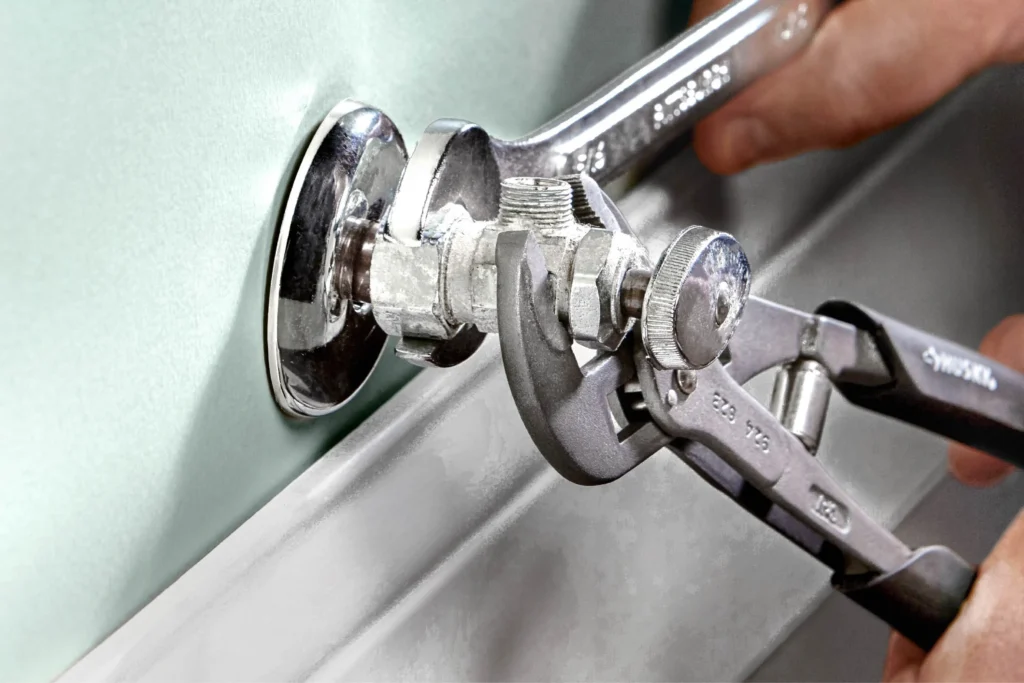
- Find the Regulator: Most houses have a brass regulator (pressure reducing valve) on the main water line, often near the water meter or just inside the home. It looks like a fat cylinder with an adjustment screw on top (see image above).
- Shut Off the Main: Turn off the main water supply before fiddling with the valve. This prevents sudden bursts or a mini-flood while you work.
- Adjust the Screw: Remove the regulator’s plastic cap to expose the screw. Turning it clockwise raises pressure; anticlockwise lowers pressure. Make tiny turns – even a quarter-turn can change pressure significantly.
- Re-Test: After each adjustment, turn the water back on and re-check with the gauge. Aim for the safe range (often around 50–60 psi for many Aussie homes, or as required by local code). Stop when it’s stable there.
- Check for Leaks: Once adjusted, watch all connections for any drips. Tighten fittings if needed.
For routine maintenance, it’s wise to periodically check your pressure – maybe once a year or whenever appliances act up. If you have a high-quality regulator with a filter, clean it occasionally so debris doesn’t jam it. And if you’re uncomfortable doing this yourself, call a licensed plumber.
They have the tools and expertise to dial it in perfectly. In fact, local guidelines note that if pressure is off, “a licensed plumber will be needed to repair or adjust a pressure reduction valve”. Though it’s a small job, it’s far cheaper than fixing burst pipes later.
Australian Standards and Local Tips
Kenmore homeowners can take comfort in Australia’s plumbing regulations. The National Plumbing Code (AS/NZS 3500) specifies that no building should have water pressure over 500 kPa. Since the mid-2000s, many houses are built with a PRV to ensure this.
The Gold Coast City Council (neighboring Brisbane) explicitly recommends keeping supply pressure below 900 kPa to avoid leaks and bursts. Their water services page explains that pressures above 900 kPa dramatically increase leakage from joints and valves, and advises contacting a licensed plumber to install or adjust a pressure reduction valve if needed.
If you live in a taller or newer Kenmore home, note that council water supply pressure can be high – sometimes up to 800+ kPa at the meter. Many modern homes compensate by installing an internal PRV right after the meter.
This could be why some residents hardly ever check pressure – the system self-regulates. But if you feel constant banging in pipes (especially early morning when demand spikes) or if the code-mandated valve was never set properly, it pays to have a pro calibrate it.
In short, Water Pressure Adjustment isn’t just “plumber talk” – it’s a crucial part of home maintenance that most Aussie building codes acknowledge. Keeping pressure in check helps your home comply with safety codes and ensures you’re not unknowingly breaking the 500 kPa rule.
Conclusion
Don’t let your plumbing play high-pressure roulette. A quick water pressure adjustment – typically by installing or tweaking a regulator – is a simple fix that prevents a cascade of costly issues. By dialing down excessive water pressure, you stop leaks, pipe bursts, and appliance damage before they happen.
That means fewer emergency calls, fewer ruined floors, and smaller water bills. As someone living in Kenmore (or anywhere), you can check your pressure gauge next weekend and take action. If needed, call a licensed local plumber. They’ll ensure your home’s water pressure is balanced and code-compliant.
Remember: an ounce of prevention is worth a pound of cure. Adjust your water pressure today, and you’ll thank yourself (and your wallet) tomorrow!
FAQs about Water Pressure Adjustment
What is normal home water pressure?
Generally around 300–500 kPa (40–70 psi). Brisbane-area homes often sit in this range. Consistent readings above ~500 kPa mean it’s too high.
How do I know if I need a pressure adjustment?
Look for drips, banging pipes or appliances wearing out. If taps spit water or you hear constant hammering, your pressure’s probably too high.
Can I adjust the water pressure myself?
Yes – if you have a gauge and a regulator. Shut off the main, attach a gauge to an outdoor tap, then turn the PRV’s adjustment screw by tiny increments. Otherwise, call a plumber to be safe.
Why does water pressure adjustment save money?
High pressure wastes water and stresses plumbing. Lowering it with a regulator cuts your water use and prevents expensive leaks/bursts.
What is a water pressure regulator?
It’s a valve on your main supply that keeps incoming pressure in a safe range. Adjusting this regulator is the key step in water pressure adjustment to protect your home’s plumbing.