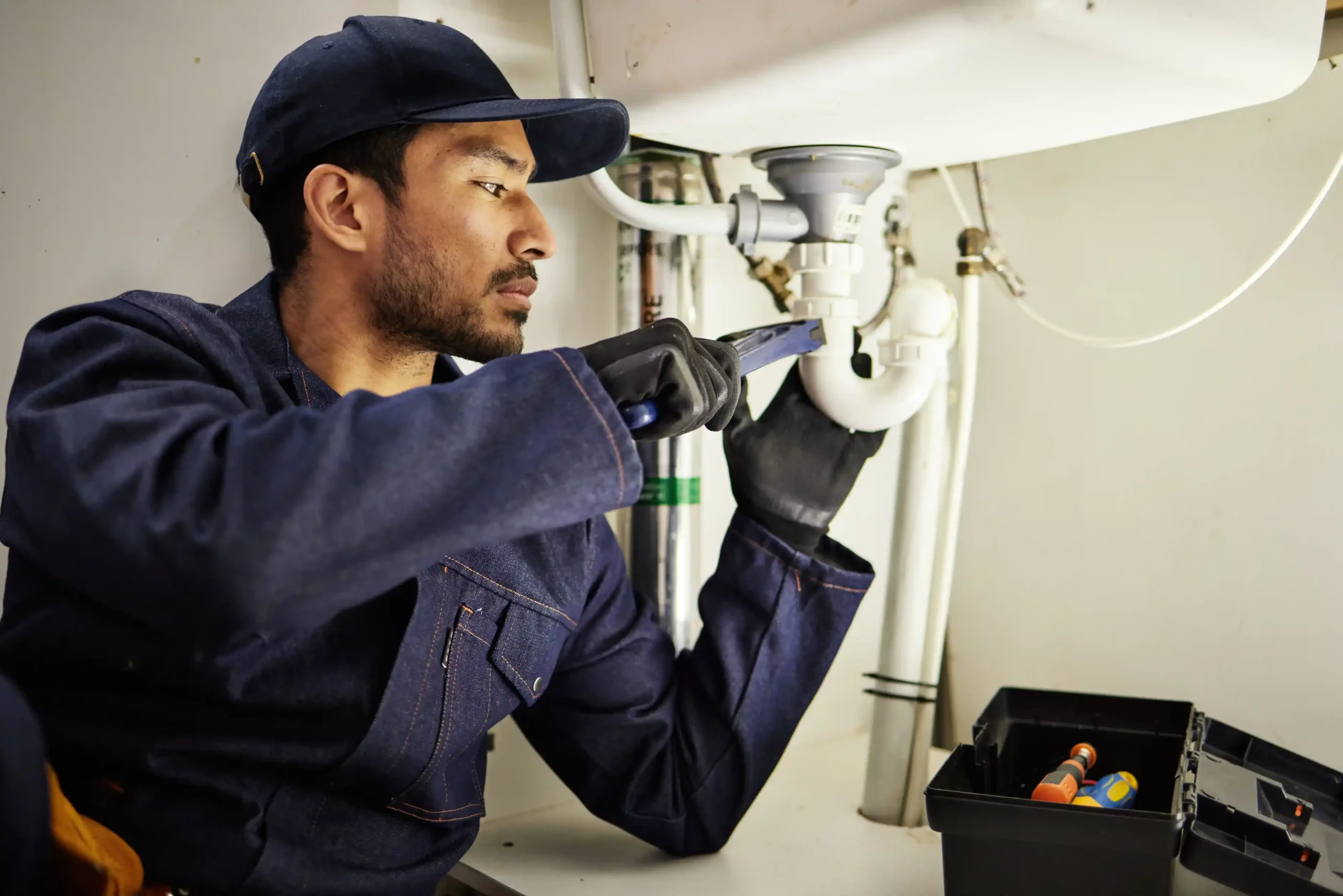
We don’t often think about our plumbing until something goes wrong – and when it does, it tends to happen fast. A slow drip turns into a stream, a blocked drain backs up in the middle of dinner prep, or a burst pipe soaks the carpets before you even realise there’s a problem.
In Kenmore, where weather and older homes can both test your pipes, it’s always handy to know who to call when water starts going where it shouldn’t. Local Plumber Kenmore professionals are more than just tradies with a wrench – they’re problem-solvers, equipped with clever tech and years of experience.
They know how to track a leak hiding behind a tiled wall, tame a drain stuffed with grease and roots, or repair a pipe that’s decided to give up mid-shower. Their approach blends precision with practicality, making sure the fix is thorough without leaving your place looking like a job site.
In this guide, I’ll break down exactly how Kenmore’s plumbing pros get the job done. We’ll explore how they detect sneaky leaks, what they do when a pipe bursts unexpectedly, and how they clear drains that just won’t budge. Whether you’re facing a full-blown plumbing drama or just want to be ready when one shows up, this article’s got your back.
How to Spot a Leak or Burst Pipe Early
Before the waterworks start, your home usually whispers warnings. Plumber Kenmore pros know these clues well.
- Mysterious Water Marks: Watch for damp patches or peeling paint on walls/ceilings. A tiny wet stain can hide a pipe spewing gallons behind the plaster.
- Strange Noises: Hissing, gurgling or clanging inside walls or under the floor? That’s likely water where it shouldn’t be. A sudden drop in water pressure or taps that sputter can also hint at a burst joint.
- Unexplained Flooding: Even small puddles under sinks, toilets or hot water systems shouldn’t be ignored. It could be a burst pipe, as Roto-Rooter explains.
- Rising Bills: Got a high water bill with no extra use? Hidden leaks and drips can silently guzzle litres of water. Checking your meter with all taps off is a DIY trick: if it moves, you’ve got a leak.
If any of these sound familiar, it’s time to act. Early detection can mean the difference between a quick fix and a full-blown waterlogged disaster. Kenmore plumbers often recommend regular checks – think of it like servicing a car, but for your home’s plumbing.
A keen eye (or a plumber’s tech) can spot tell-tale signs of leaks or pipe damage before the flood. Art by MET DP700384, Wikimedia Commons.
Tools of the Trade: How Pros Find Hidden Leaks
When a leak hides behind tiles or underground, you need a Plumber Kenmore detective with gadgets. Aussie plumbers increasingly use advanced leak-detection tech to pinpoint trouble without tearing up walls. Here are the tricks of the trade:
- Thermal Imaging: A thermal camera can “see” temperature differences – cooler spots often reveal water behind walls or floors. It’s like vision goggles for pipes, making hidden leaks glow on the screen.
- Acoustic and Ultrasonic Sensors: Tiny microphones detect the unique sound of water escaping under pressure. Even a small pinhole leak makes a telltale hiss or whoosh that these sensors pick up, letting plumbers zero in from above ground.
- Video Pipe Inspection: For blocked drains or sewer lines, plumbers send a waterproof CCTV camera down the pipes. The live video feed shows any cracks, tree roots or the exact spot of a clog. It’s high-tech but it saves a lot of digging.
- Ground-Penetrating Radar (GPR) and LiDAR: In fancy cases, GPR can sense soil changes from leaks, and drones/LiDAR can spot thermal anomalies across a yard. Imagine a drone hovering over your roof, scanning for heat leaks – that’s real!
All of the above adds precision. But plumbers also rely on tried-and-true basics: listening carefully, pressure-testing sections of pipe, and sometimes just poking around with a spanner and flashlight. As one Kenmore local told me, “Our plumber had this device that looks like a big tuning fork – he tapped the pipes and listened for the hollow spots. Clever stuff!”
A quick table to sum up common methods:
| Method | Best For | Pro Tip |
|---|---|---|
| Thermal Camera | Hidden leaks behind walls | Great after a rain or running water to spot leaks. |
| Acoustic/Ultrasonic | Underfloor/wall leaks | Use in quiet night hours – reduces background noise. |
| Video Camera | Drains and sewer lines | Scopes can snake deep – up to 50m on a good cable. |
| Moisture Meters | Wall/floor dampness | Indicates moisture level in plaster or wood. |
| Traditional Inspection | Simple drips, visible leaks | Look for dripping or collect water at fittings. |
Fixing a Leak or Burst Pipe: Step-by-Step
Once the source is found, the Plumber Kenmore crew springs into action. Here’s a typical fix timeline:
- Stop the Flow: Every plumber’s first move is the same: shut off the main water supply. As Roto-Rooter advises, “Shut off your main water supply immediately if you suspect a burst pipe.” It’s plumber rule #1 to prevent further flooding.
- Relieve Pressure: Open nearby taps and drainage points to let out any remaining water. This avoids squirting yourself when cutting pipes.
- Locate and Isolate: Confirm exact location of the break. If it’s under slab or behind a finished wall, they might cut a small access hole or use non-invasive methods. Block off that section – for example, using pipe-clamp with rubber gasket – to prevent more leakage.
- Replace or Repair: For a burst pipe, usually the damaged segment is cut out. Copper pipes are cut cleanly and often re-joined with soldered fittings or compression joints. For PVC or PEX, plumbers may use push-fit couplings or glue.
Even a short patch can do the trick if bursting was in one spot. The key is a watertight seal, so these pros are picky about cleaning and soldering (and yes, they do use a torch for copper repairs if needed!). They might also use a short-term fix like epoxy wrap in an emergency, but only a licensed plumber Kenmore would trust a tap that’s truly “fixed.” - Clean Up & Test: After the repair, they’ll check pressure by slowly turning water back on. A licensed plumber will also inspect for any other weak spots or hidden drips – nothing says “peace of mind” like a plumber double-checking their own work. You can learn more about plumbing standards and licensing from the Queensland Building and Construction Commission (QBCC)
Throughout, safety is crucial. Wear gloves, goggles, and watch for electrical hazards (shutting breakers if needed). One Kenmore resident quipped: “Our plumber arrived in his van, looked like Batman’s sidekick with all the shiny tools. He shut off the water in seconds and had that leak patched before I could even finish my coffee.” Smooth operator!
Quick DIY Tip: Is it Worth a Try Yourself?
If you’re handy, you might attempt a very minor fix – like replacing a leaking faucet washer or tightening a joint. But remember: as one Aussie guide warns, improper cuts or bad soldering can make it worse. If in doubt, don’t mess around – call in a pro. It might cost more than a DIY hack, but it saves mouldy walls and sky-high bills in the long run.
Clearing Clogged Drains & Blockages
Now, what about that sneaky blockage stopping your shower or sink? Plumber Kenmore specialists treat clogged drains like puzzles. Here’s how they break them down:
- Mechanical Snaking: The classic drain-rod or motorised auger is often first choice for kitchen or bathroom sinks. A long flexible cable with a corkscrew tip busts through hair, grease and soap scum. Plumbers in Kenmore often use electric snakes for serious blockages – they can reach deep and dislodge gnarly clogs quickly.
- Hydro Jetting: For tough or recurring clogs (or long sewer lines), many plumbers now employ hydro-jetting – think of it as a suped-up pressure washer for pipes. This Aussie method blasts high-pressure water (often 3,000+ psi) through the pipe, scouring the walls and flushing debris out. It’s especially great if tree roots have infiltrated or grease has caked on. A table compares common methods:
| Method | Good for | Pros | Cons |
|---|---|---|---|
| Drain Snake (Auger) | Hair, soap clogs, small kitchen blockages | Inexpensive, DIY-friendly | May not remove all buildup |
| Hydro Jetting | Grease, sludge, tree roots | Thorough clean, stops regrowth | Requires pro equipment |
| Enzyme/Chemicals | Minor organic clogs | Low cost, no equipment needed | Slow, often ineffective |
| Plunger (Cup) | Simple sink/toilet clogs | Quick DIY fix for light jams | Useless on big blockages |
Video Inspections: If a blockage is elusive (say, a sewer line partially collapsed), the plumber drops a camera into the drain. You’d see the kink or root invasion on screen, and the plumber can target the exact problem. It beats guessing and digging up half the yard!- Cleaning and Maintenance: Once unclogged, pros often suggest preventive steps: traps for grease, enzyme cleaners (the natural “plumber’s yeast” that eats buildup), and periodic checks.
After clearing, plumbers test by running water at full bore to ensure free flow. They might even flush with vinegar or hot water to rinse away any slippery grease. Finally, they replace any broken trap or cap, and show you how to avoid recurrences (like using drain guards).
Preventing Future Plumbing Nightmares
The smartest move? Stop the problem before it starts. Plumber Kenmore specialists often recommend these handy steps:
- Regular Inspections: Just like an annual car service, ask a plumber to peek at your pipes every couple of years (especially in older Kenmore homes). Catching corroded pipes or loose joints early avoids future bursts.
- Mind What Goes Down the Drain: Don’t treat sinks or toilets like trash bins. No fat, grease or heavy oils in kitchen drains – they solidify later. Install hair traps/shower screens to block long hair. Flush only waste and toilet paper.
- Winter Prep (Rothwell Homes, QLD): While Kenmore rarely sees snow, sudden frosts or very cool snaps can stress uninsulated pipes. Outdoor hoses and taps should be shut off or insulated in cold snaps. Even if it never freezes solid, each cool cycle can create micro-cracks.
- Watch Water Pressure: High pressure is a pipe-buster. Many plumbers recommend fitting a regulator if your pressure exceeds 60 psi, protecting all pipes.
- Catch Leaks Early: Some homeowners invest in smart leak detectors – little gadgets that clamp on pipes and alert your phone if they sense moisture. It’s trendy tech, but it could save your floorboards.
Kenmore locals tip: trim back tree roots near sewer lines (trees love sneaking into cracks), and replace old rubber hoses on washing machines or dishwashers every few years. Remember, a drip today can be tomorrow’s flood.

What to Do in a Plumbing Emergency
Despite best efforts, sometimes disaster strikes. Here’s your emergency survival plan:
- Shut Off Water: As soon as flooding starts, kill the main supply. There will likely be a valve near your meter or where the main line enters your home. Keep everyone out of flooded areas (electricity hazard!).
- Call Your Local Plumber Kenmore: A qualified plumber can handle the rest. In Kenmore, 24/7 emergency plumbing services exist – they live for this drama, ready to ride out at any hour. A fast response stops damage and mould.
- Document Damage: Snap photos of any flooding or leaks for insurance. But save the actual repairs to the pros; even if you did use a tarp or bucket, professional fix is a must.
Remember, pipe bursts and drain floods can escalate (mould, ruined floors, walls). Getting help immediately is not just advice – it’s the law of practical living in Queensland homes.
Conclusion
Pipes can be mysterious beasts, but a top-notch Plumber Kenmore is your best mate when they roar to life. We’ve seen the tell-tale signs of leaks, learned about the high-tech wizardry used to find them, and walked through how these heroes shut off taps, cut out busted sections, solder or patch new pieces, and flush out blocked drains.
It’s no exaggeration: a reliable Kenmore plumbing expert can save you from sleepless nights, soggy carpets, and surprise bills. Keep an eye on moisture spots, don’t leave clogs fester, and when in doubt, pick up the phone.
If a leak or burst pipe is wrecking your day, call a licensed plumber Kenmore – they’ll fix it fast, and help you sleep easy. After all, peace of mind starts with a sturdy pipe!
FAQs (Kenmore Plumbing Edition)
What immediate steps should I take if a pipe bursts?
Shut off your main water supply right away, open taps to relieve pressure, then call a qualified plumber.
How can I tell if I have a hidden water leak?
Unexplained high water bills, wet spots on walls/floors, mold or hissing sounds often indicate a hidden leak.
Can I clear a blocked drain myself, or do I need a plumber?
Small clogs can sometimes be removed with a plunger or drain snake, but stubborn blockages and sewer issues usually need a professional’s tools (like hydro-jetting).
Why did my pipes suddenly burst?
In QLD, extreme cold is rare, but burst pipes often result from high pressure, corrosion, or a sudden shock like water hammer. An old pipe can fail even without freezing.
How do plumbers check underground or hidden pipes for leaks?
They use technologies like thermal imaging, acoustic sensors, or drain cameras to pinpoint leaks without major digging.