The Science Behind Baking Soda and Vinegar for Cleaning Drains: A Comprehensive Guide
Clogged drains are among the most common plumbing challenges faced by homeowners. While chemical-based cleaners are readily available, many people turn to natural alternatives like baking soda and vinegar for a safer, eco-friendly, and cost-effective solution. But how do these household staples clean your drains, and why are they so effective? In this guide, we’ll delve into the science behind baking soda and vinegar, provide step-by-step instructions for using them, and share tips for preventing future clogs.
Why Baking Soda and Vinegar Work Together to Clean Drains
At first glance, baking soda and vinegar might seem like an unlikely cleaning duo. However, their chemical properties make them highly effective for dissolving grime, grease, and buildup inside your plumbing.
The Science Explained

Baking soda, scientifically known as sodium bicarbonate, is a base. Vinegar, on the other hand, contains acetic acid, making it an acid. When combined, these two substances create a chemical reaction that releases carbon dioxide gas in the form of fizzy bubbles. This reaction is not only satisfying to watch but also works to loosen dirt, debris, and minor blockages.
- Sodium Bicarbonate’s Role:
Baking soda is mildly abrasive, which makes it excellent for scrubbing surfaces. When it reacts with acids, it releases carbon dioxide gas and water. In drain cleaning, this reaction helps dislodge grime that adheres to the walls of pipes. - Acetic Acid in Vinegar:
The acidity of vinegar helps dissolve mineral deposits, grease, and soap scum. It also neutralizes foul odors, leaving your drains smelling fresher. - The Reaction in Action:
When poured into a clogged drain, the foaming action created by the reaction between baking soda and vinegar can break apart softer clogs or loosen debris stuck inside the pipes.
How to Use Baking Soda and Vinegar to Clean Drains
Cleaning your drains with baking soda and vinegar is simple, affordable, and safe for most plumbing systems. Here’s how to do it step-by-step:
Step 1: Gather Your Supplies
Before you begin, make sure you have the following items:
- 1 cup of baking soda
- 1 cup of vinegar
- Boiling water (approximately 2-3 cups)
- A funnel (optional but helpful)
- A drain plug or cloth
Step 2: Prep Your Drain
- Remove any visible debris or hair from the drain opening.
- If your sink has a strainer or stopper, take it out to allow easier access.
Step 3: Add Baking Soda
Pour 1 cup of baking soda directly into the drain. A funnel can help ensure the baking soda goes into the pipe and doesn’t sit around the opening.
Step 4: Add Vinegar
Pour 1 cup of vinegar into the drain immediately after the baking soda. You’ll notice the mixture start to fizz and bubble as the reaction takes place.
Step 5: Cover the Drain
Plug the drain with a stopper or cloth to contain the reaction inside the pipe. This will help direct the cleaning action downward into the plumbing.
Step 6: Wait
Let the mixture sit for at least 15-20 minutes. During this time, the fizzing reaction works to break apart grease, soap scum, and other debris.
Step 7: Flush with Boiling Water
Carefully pour 2-3 cups of boiling water down the drain to flush out any loosened material. The hot water helps dissolve remaining grease and ensures the pipe is clear.
When to Use Baking Soda and Vinegar for Drain Cleaning
While baking soda and vinegar are effective for minor clogs and routine maintenance, they may not be suitable for all situations. Here’s when to use this method:
Best for Minor Clogs or Slow Drains
This natural solution is excellent for clearing drains that are partially clogged with grease, soap scum, or hair.
Routine Maintenance
Regular use of baking soda and vinegar (e.g., once a month) can help prevent future clogs by keeping pipes clean and free from buildup.
Not Effective for Severe Blockages
If your drain is completely clogged or blocked by large objects, baking soda and vinegar may not be enough. In such cases, you may need to use a plunger, a plumbing snake, or consult a professional plumber.
Tips for Preventing Clogged Drains
Prevention is always better than cure. By following these tips, you can minimize the chances of clogged drains in your home:
1. Avoid Pouring Grease Down the Drain
Grease and oil solidify as they cool, creating stubborn clogs inside pipes. Instead, collect grease in a container and dispose of it in the trash.
2. Use Drain Strainers
Install strainers in sinks and tubs to catch hair, food particles, and other debris before they go down the drain.
3. Flush Drains with Hot Water
Once a week, pour boiling water down your drains to help dissolve grease and flush out minor buildup.
4. Limit Use of Chemical Drain Cleaners
Harsh chemical cleaners can damage your pipes over time and harm the environment. Opt for natural alternatives like baking soda and vinegar whenever possible.
5. Dispose of Food Properly
Use your garbage disposal responsibly and scrape plates into the trash before rinsing them in the sink.
The Benefits of Using Baking Soda and Vinegar
There are several reasons to choose this natural method over chemical drain cleaners:
1. Environmentally Friendly
Baking soda and vinegar are biodegradable and non-toxic, making them safe for the environment.
2. Safe for Most Pipes
Unlike harsh chemicals, this method won’t corrode your pipes or damage septic systems.
3. Cost-Effective
Both baking soda and vinegar are inexpensive and readily available in most households.
4. Odor Elimination
This combination not only cleans your pipes but also neutralizes unpleasant odors, leaving your drains fresh and clean.
What to Do If Baking Soda and Vinegar Don’t Work
If you’ve tried the baking soda and vinegar method and your drain is still clogged, here are some additional steps you can take:
1. Use a Plunger
A plunger can create enough pressure to dislodge stubborn clogs. Be sure to use one designed for sinks or tubs.
2. Try a Plumbing Snake
A drain auger or plumbing snake can help remove hair, food particles, and other debris lodged deep within your pipes.
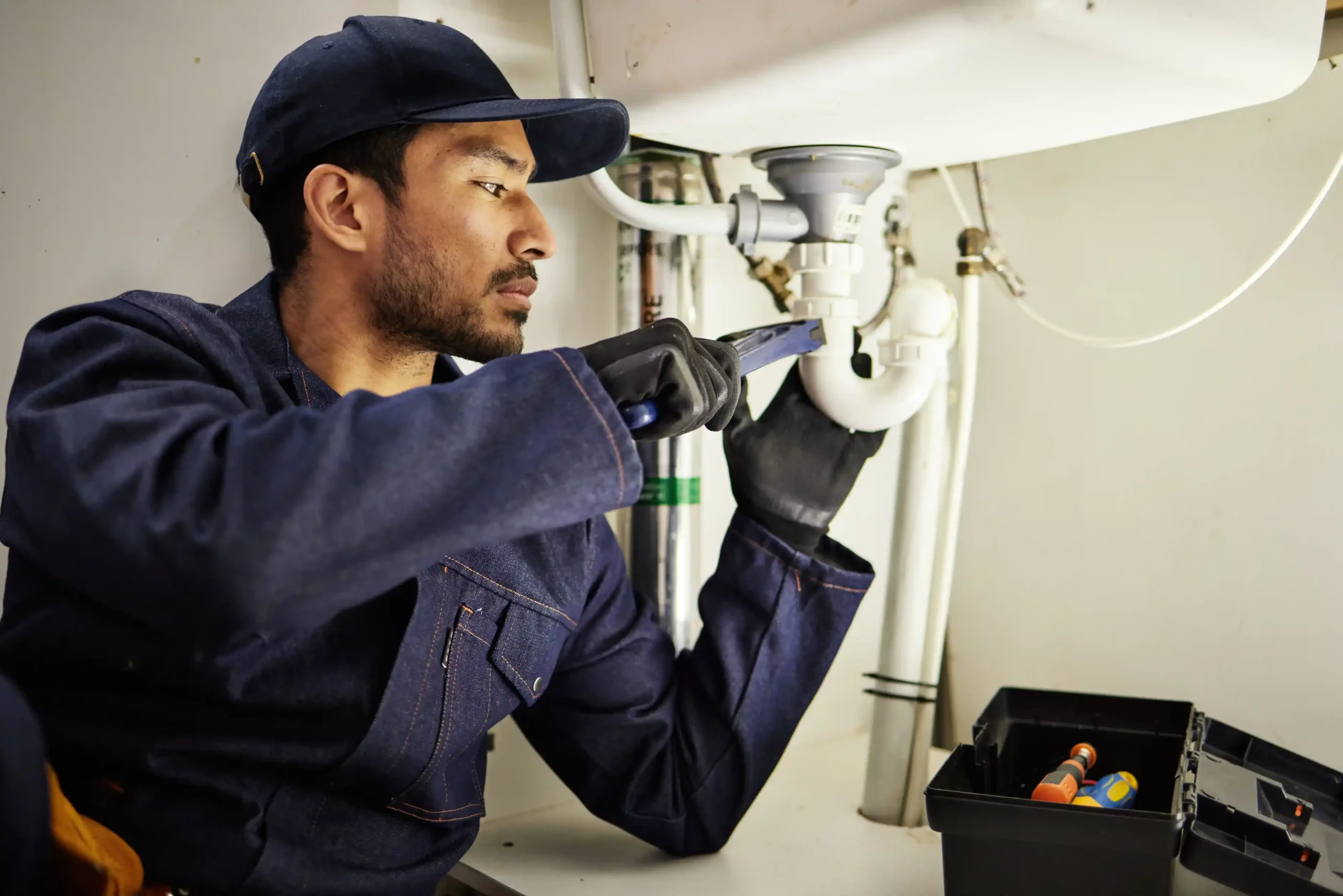
3. Call a Professional
https://asflow.com.au/For severe blockages, it’s best to consult a licensed plumber. They have the tools and expertise to diagnose and fix the problem without causing further damage.
Final Thoughts
Baking soda and vinegar are a powerful, natural combination for keeping your drains clean and free-flowing. While they’re not a cure-all for every plumbing issue, they provide an effective and eco-friendly solution for minor clogs and routine maintenance. By incorporating these simple steps into your cleaning routine and adopting preventative measures, you can save time, money, and frustration while maintaining a healthier plumbing system.
So, next time your drain runs slow, skip the harsh chemicals and reach for the baking soda and vinegar—you might just be surprised by the results