Trench excavation is more than muscle and dirt – it’s the precise art of keeping your underground pipes safe and sound. A properly dug trench is the unsung hero of every sturdy plumbing system.
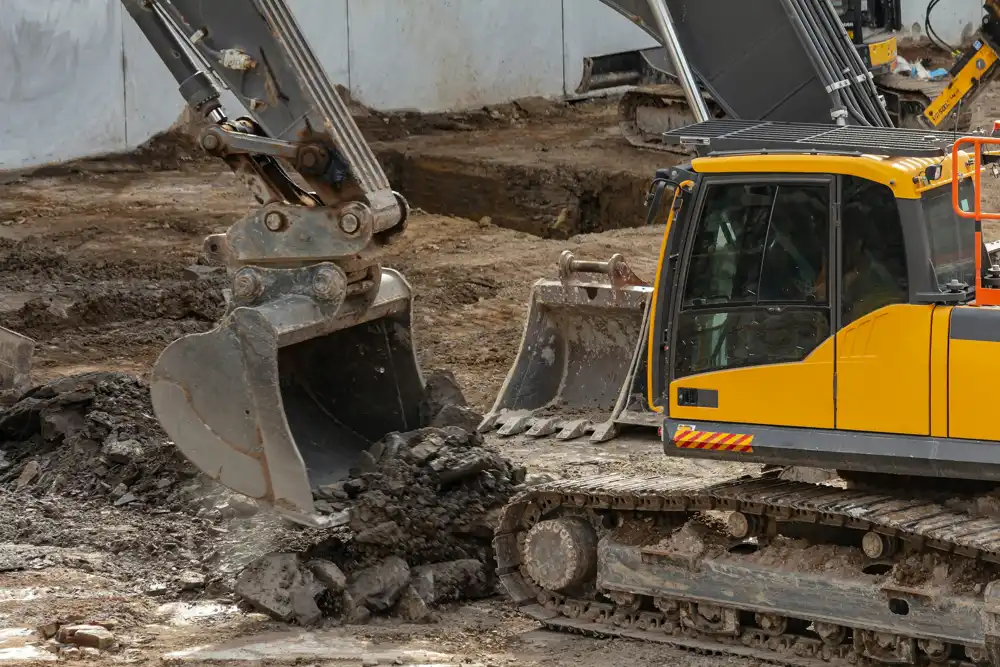
In fact, Excavation Services in Kenmore are the team that transforms a plumbing blueprint into a leak-free reality. An excavator carves a pathway for plumbing that meets Australian standards (no guesswork here).
In Kenmore’s lush suburbs, proper digging prevents backyard floods and huge repair bills. Forget burying pipes haphazardly; trust me, I once saw a single misdig will invite trouble: misaligned pipes, leaks, and a sprinkler system acting like a fountain in the living room.
Why Excavation Services in Kenmore Matter
Kenmore is a leafy, hilly suburb of Brisbane prone to heavy rain and dense clay soil. Underground plumbing here needs extra care, and that’s where excavation services in Kenmore come in. These pros do more than just dig – they plan and execute every step to avoid problems later. They handle site surveys and permits, coordinate with plumbers, and bring the right gear to prepare the ground perfectly.
- Trenching for New Pipes: Excavation teams dig narrow trenches for water mains, sewer lines and stormwater drains. A precisely dug trench ensures pipes sit at the correct angle (slope), avoiding future blockages.
- Repairs and Replacements: When an existing buried pipe fails, crews carefully excavate around it. They often use vacuum or hydro excavation (a high-pressure water/vacuum system) to expose a broken pipe without damaging nearby utilities. Then they remove the old line and install a new one.
- Professional Expertise: Hiring excavation services in Kenmore means experienced crews handle site surveys, permits and compliance. They ensure trenches meet Australian codes (the right depth and bedding) and coordinate with plumbers to make sure every joint aligns properly.
- Backfill & Cleanup: After pipes are laid, crews compact the soil and restore the surface (replanting grass, relaying pavers, etc.). This prevents the trench from sinking later and keeps your yard looking as good as before.
In short, these teams bring big equipment and local know-how to Kenmore jobsites, saving you the headache of settling soil or surprise leaks.
Digging Safely: Regulations and Best Practices
Digging a random hole might seem simple, but trenching is actually considered high-risk work. Safe Work Australia warns that “excavation is dangerous work. Collapses can happen quickly, making it hard for workers and others to escape” (see Model Code of Practice – Excavation Work). Licensed excavation services in Kenmore follow the same strict rules: they call Dial Before Dig, organize test holes and shore up trenches – all before a shovel hits dirt.
Here are key safety steps excavation pros always take:
- Check for Hidden Lines: Always start with a utility survey. Services like Dial Before You Dig (DBYD) tell you where known cables and pipes run underground. Even then, cautious workers dig small test holes (potholing) or use vacuum trucks around those spots to confirm exact locations.
- Support the Trench: Once digging begins, crews shore up the walls. They use trench shields or benching techniques to prevent the soil from caving in. If you tried to dig a deep trench without these supports, it could collapse in minutes.
- Secure the Site: Teams set up exclusion zones with fencing and warning signs around open trenches. In Kenmore’s streets, that means traffic cones and barricades to keep cars and pedestrians well away.
- Regulatory Compliance: Excavation crews obtain the necessary permits and follow Safe Work Australia’s codes of practice. This includes rules for trench depth, emergency exits, and even water management. In flood-prone or steep areas, they might install sediment fences or diversion drains to prevent erosion, and even schedule work outside the wet season.
By planning carefully and following safety checks, excavation services in Kenmore minimize hazards for everyone – you, your home, and the workers.
High-Tech Tools for Precision
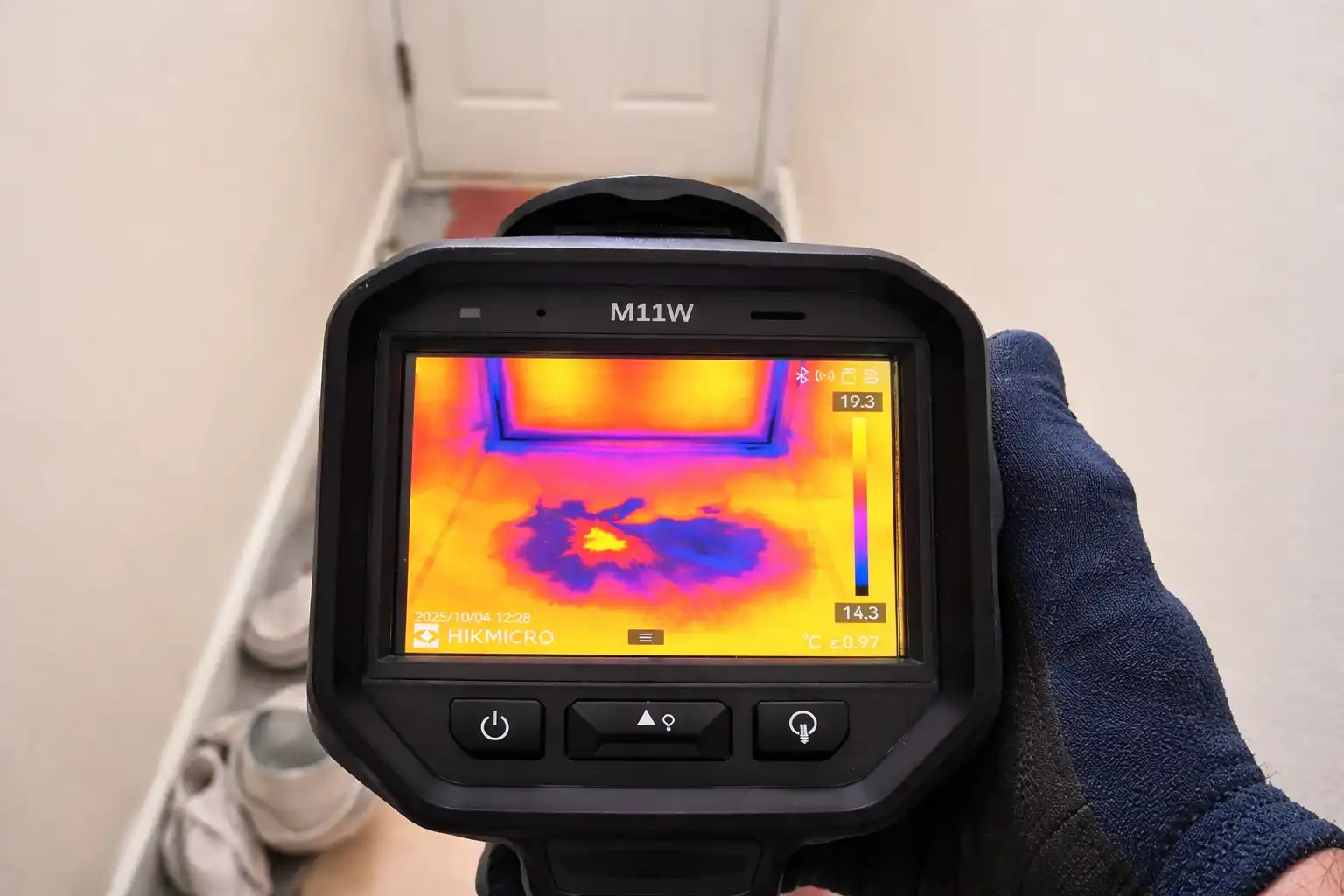
These days, digging isn’t done with blind strikes. Modern excavation teams use technology to avoid surprises. They might employ ground-penetrating radar or electromagnetic locators (think of them as X-rays for the earth) to find hidden utilities before digging.
Many crews also use non-destructive digging methods. Instead of swinging a shovel or backhoe everywhere, they blast water (hydrovac) to loosen soil and vacuum it up. It’s like giving your lawn a quick clean-up with a super-powered vacuum.
This approach minimizes disruption – sidewalks, driveways and yards stay intact, and the risk of nicking cables or pipes drops significantly. For example, if Kenmore Council asks you to install a pipe under a paved road, contractors might use hydro-vac to avoid tearing up the concrete.
Excavators also use GPS or laser-guided systems to keep trench lines straight and at the correct grade. This means one smooth trench, fewer do-overs, and a faster backyard cleanup. Precision digs save time and help ensure every pipe is laid exactly as planned.
Working with Kenmore’s Soil and Climate
Kenmore’s charm (leafy hills and gardens) comes with challenges. Properties can be steep, and the soil often has heavy clay layers or hidden rock. That means trenches can collapse or fill with water if not handled right. Skilled crews adapt their methods: they might dig benches into slopes or widen trenches to match the terrain. If the soil is unstable or saturated, they’ll add extra support like shoring or braces.
Rainfall is another factor. Southeast Queensland can dump heavy rain, and Kenmore isn’t immune. Professional excavators plan around weather – they might set up temporary drainage or diversion channels to keep rainwater out of the trench. They avoid digging in saturated ground, scheduling major works in drier months if possible. These steps prevent trenches from turning into mud pits or sliding.
The local soil can also shrink and swell after rain. In Kenmore’s clay soils, crews often add a “bedding” layer under pipes and compact it firmly. Think of it like placing a pipe on a bed of gravel. This keeps the line level and avoids that awful sinkhole sound of soil settling around a pipe years later.

The Hidden Connection Between Excavation and Long-Term Plumbing Health
Here’s something most homeowners never think about: the way a trench is dug today can determine how your plumbing behaves ten years from now. Sounds dramatic, but it’s true. Excavation Services in Kenmore don’t just dig holes—they create the underground environment your pipes will live in for decades.
A poorly excavated site can mean shifting soil, cracked pipes, or uneven water flow later. It’s a bit like laying the wrong foundation for a house—everything built on top suffers.
Professional excavation teams understand that every centimetre matters. They shape the trench base to support pipes evenly, add gravel or sand bedding to cushion against pressure, and compact the backfill so soil doesn’t settle unevenly over time.
In Kenmore’s hilly landscapes, proper grading is especially crucial. Without it, rainwater can pool and increase the hydrostatic pressure on buried lines, eventually causing leaks or bursts.
Another overlooked aspect? Drainage management during and after excavation. Skilled contractors plan for water runoff and ensure that groundwater won’t erode the trench or undermine your plumbing system later.
These little details, though invisible once the job’s done, are exactly what separate a rushed dig from professional-grade Excavation Services in Kenmore. Think of it as underground craftsmanship — quiet, unseen, but essential for keeping your plumbing running smoothly for years.
Excavation vs. DIY Digging: A Quick Comparison
Here’s a table comparing a do-it-yourself approach versus hiring professionals:
| Approach | DIY Digging (Homeowner) | Professional Excavation Services |
|---|---|---|
| Equipment | Shovels, pickaxe, maybe a rented jackhammer – limited reach | Excavators, backhoes, laser levels, compaction gear |
| Safety Measures | Often none (high risk of collapse or utility strike) | Shoring, barriers, utility locators, PPE |
| Utility Detection | Little to none (blind digging) | Pre-dig scans, 1100/DBYD checks, test holes |
| Accuracy | Uneven trenches, wrong slope likely | GPS/CAD precision, consistent grade |
| Speed | Very slow (manual labor) | Much faster (machine power) |
| Upfront Cost | Low (tools only) – but only works if perfect | Higher (equipment & labor), but worth it |
| Long-Term Outcome | High risk of leaks, breaks, fines | Proper alignment, meets codes, peace of mind |
As you can see, hiring excavation services brings expertise that a DIY dig can’t match. Sure, digging yourself is cheaper up front—until a pipe breaks or a trench collapses. It’s usually worth paying a bit more now to avoid major repairs (and stress) later.
Safe Plumbing Starts with Smart Excavation
Bottom line: in Kenmore (and everywhere), safe underground plumbing starts at the digging stage. Professional excavation services in Kenmore protect your pipes – and your wallet. They handle the permits, hazard checks and safety protocols so you don’t have to. They use technology to avoid utility strikes and smart techniques to keep work sites tidy.
So next time you plan any underground plumbing – maybe a new septic line or drainage upgrade – remember: you’re not just digging dirt, you’re digging for safety and stability. Call the pros (or ask a local plumbing contractor for a referral) and rest easy knowing your home’s hidden plumbing will be built on solid, secure ground.
Frequently Asked Questions
What exactly do excavation services for plumbing include?
They involve professional trenching and digging to install or repair underground water, sewer, and drainage pipes. This includes site clearing, trench shoring, and aligning pipes safely underground.
Why is excavation important for underground plumbing?
Proper excavation ensures pipes are at the right depth and slope, and that the trench is stable. In short, it prevents misaligned pipes or collapses that could happen if pipes were buried without care.
How do excavators find existing utilities?
Before digging, crews use services like Dial Before You Dig (DBYD) and tools like ground-penetrating radar. They may dig small test holes (potholing) to confirm locations. This way, hidden power cables or water lines aren’t accidentally cut.
What safety regulations cover excavation in Australia?
Australia has strict rules. For example, Safe Work Australia’s excavation code mandates planning, shoring of trenches, and utility checks before work starts. Licensed contractors follow these standards by default.
Can excavation services in Kenmore damage my yard?
Skilled teams minimize surface impact. They often use non-destructive techniques (like hydro-vacuum digging) for sensitive areas. Afterward, they restore driveways and lawns. The goal is a neat trench and a quick, clean recovery.