Ever notice a mysterious damp spot on your wall or an unexplained hike in your water bill? Hidden leaks can be like tiny underwater ninjas, quietly draining thousands of litres of water without anyone noticing – until they wreak havoc on your home and wallet. You might not see them, but Leak Detection Specialists in Kenmore have the training, gadgets, and know-how to sniff out these sneaky drips. In this post I’ll share how these plumbing detectives work, why the average DIY approach often falls short, and how finding a hidden leak early can save you a fortune.
Imagine this: after a storm, you spot a patch of soggy grass on your front lawn. You’re perplexed, because you turned off the sprinklers. Or maybe your tap dripped so slowly you didn’t even notice, yet your monthly bill shot up. I’ve been there – those little drip sounds at night drove me nuts.
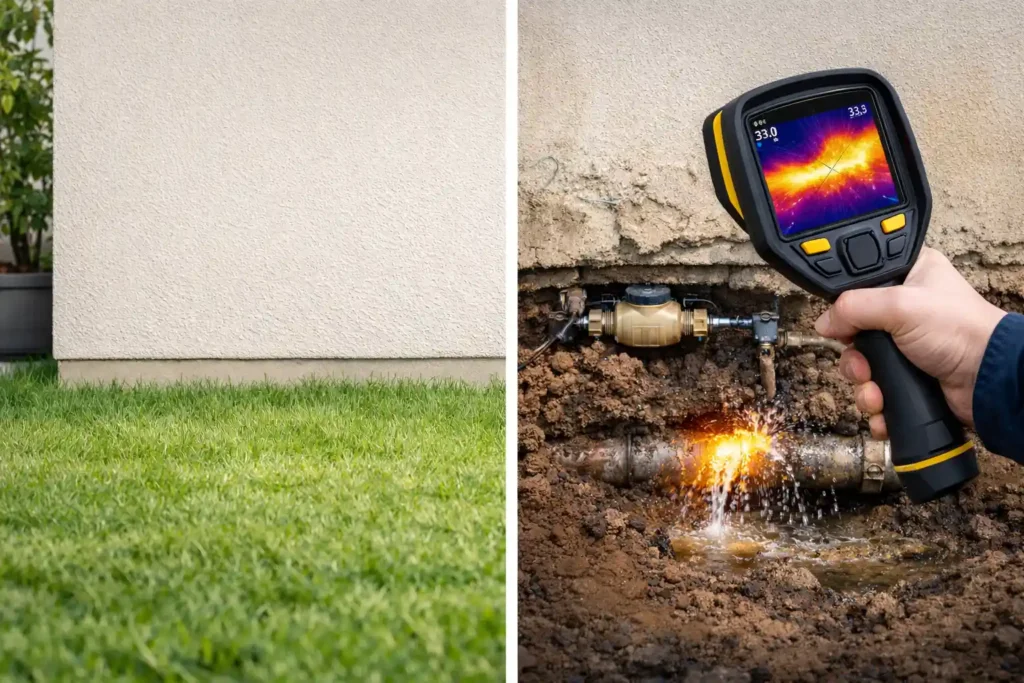
I poked and prodded everything I could, but the leak was hidden in a pipe under the concrete slab! It took a seasoned Leak Detection Specialist in Kenmore to uncover it with a thermal camera and acoustic listening gear. By the end, we were all laughing about how I thought a bit of tape could fix it. (It couldn’t – you really do need proper tools!)
Why Hidden Leaks Are Such Sneaky Drainage Menaces
Hidden leaks are tricky because they hide in plain sight (or rather, in places you can’t see). A slow-dripping tap might go unnoticed, or a leak deep under the floor or behind a wall will only pop up as a mysterious stain or spike in water usage. This is where Leak Detection Specialists often step in, because what looks minor on the surface can be a serious issue underground. According to official water authorities, even a small drip can waste huge amounts of water: for example, a tap that drips once per second wastes about 33 litres a day – that’s over 12,000 litres a year just from a single tap.
Worse, leaks underground or under your slab can waste thousands of litres daily without any visible sign. In short, hidden leaks are like financial and structural saboteurs: they quietly inflate your water bill, weaken building materials with damp, and even invite mould. I remember a neighbour whose floorboards started buckling because an underground pipe was leaking – only Leak Detection Specialists using a ground microphone caught it early, before the damage spread.
Signs of a hidden leak: You might catch them if you watch out for clues. Look for unexpectedly lush patches of grass in the lawn (suggesting water where it shouldn’t be), unexplained damp or mould on walls or ceilings, or a sudden jump in your water meter even when no one’s using taps.
Councils recommend the simple “overnight meter test”: shut off all water, check your meter now, then again in the morning. If it’s moved, you’ve likely got a concealed leak on your hands. Local Queensland councils also urge regular meter checks because they help flag usage spikes and alert homeowners to possible hidden leaks early.
And don’t forget toilets: if you see bubbles in the bowl or a running cistern, you could be pouring away thousands of litres per day through an overflow. Sydney Water points out that even a constantly running toilet — the kind you might not hear — can waste thousands of litres each day. That’s money straight down the drain and pipes slowly wearing away.
Why Regular Checks Often Miss Hidden Leaks
You’ve probably tried the obvious: you check faucets, tighten things, maybe patch a little hole. But hidden leaks laugh in the face of duct tape and elbow grease.
- Hard-to-reach locations: Many leaks lurk under concrete slabs, behind walls, or in ceilings. You can’t see those with a flashlight or hear them over daily noise. A tiny crack in an underground service line may only show up as a barely greener lawn patch – easily missed if you’re not looking for it.
- Slow drips and big traps: A tap dripping a few times a minute is easy to notice (or hear drip, drip, drip!). But if the drip is ultra-slow or the leak is in the sewer side, even a bathroom flood from a broken pipe under the floor might be mistaken for a toilet or shower issue.
- Lack of specialized tools: Most DIYers don’t have thermal imaging cameras, acoustic leak detectors, or pressure-testing equipment. Without these, you’re basically wandering in the dark. It’s like trying to be a detective without a magnifying glass – possible for big clues, but you’ll miss the subtle evidence.
- Invisible signs: Sometimes you might ignore a wet patch because it seems minor (water dries, and life goes on). But a Leak Detection Specialist in Kenmore knows those “minor” clues often signal a major underlying problem. They’re trained to connect the dots: a small stain could mean a big cavity of water growth behind it.
In short, most people catch only the obvious stuff (dripping faucets, leaking toilets). The hidden leaks stay hidden until they cause a big problem.
How Leak Detection Specialists in Kenmore Work Their Magic
This is where the pros step in, armed with gadgets that wouldn’t look out of place in a sci-fi movie. These specialists blend detective work with high-tech tools to pinpoint leaks without unnecessary destruction of your home:
- Acoustic listening devices: Think of these like super-sensitive microphones. The specialist taps them against your pipes or holds them near a wall. The devices pick up the faint sound of water hissing or dripping inside a pipe. Even behind cement or drywall, they can amplify that whisper and find the exact location.
- Thermal imaging cameras: These are infrared cameras that show temperature differences on surfaces. A leaking pipe carries cool or warm water that changes the wall/floor temperature just enough for the camera to spot a pattern. The specialist scans floors and walls for the “hot spot” or “cool spot” indicating moisture, even if it looks bone-dry to you. This way they trace the path of the pipe leak behind the scenes.
- Leak noise correlators: For underground or slab leaks, they sometimes use two sensors placed along the pipe run. The device measures the time difference of the leak noise reaching each sensor. By crunching those signals, it “calculates” where exactly between them the leak is – often pinpointing the spot within centimeters. Government projects highlight that specialists use these correlators (and ground microphones) to precisely find leaks in water mains.
- Gas tracing: In some tricky cases, a non-toxic gas (like helium) is pumped into the pipes. It will escape through the leak and seep up through the ground, where a gas detector can sniff it out. Imagine trying to find a gas trail to a hole under your feet – that’s what specialists do!
- Video camera inspections: Many pros have tiny waterproof cameras on cables. They send these “plumbing crawlers” down sewer and drainage lines to see exactly where a crack or blockage is. You can watch the footage too – like CSI for pipes.
- Pressure testing and smart sensors: They might cap a line and fill it with water to see if pressure drops (indicating a leak). Or install a temporary sensor that alerts them the moment water flows.
All of these tools mean minimal digging or breaking. The specialists only cut or open where they know the leak is, thanks to their tech, so your home stays intact.
Pro Tip: Modern leak detection tech is so advanced that local councils use it, too. For example, a 2024 NSW Government project used “cutting-edge equipment including leak noise loggers, electronic listening sticks, [and] ground microphones…” to find underground leaks in water mains. If it works on big water networks, it’s gold for your house plumbing.
Why Expertise Matters: Results and Savings
Hiring a Leak Detection Specialist in Kenmore isn’t just about having fancy gadgets – it’s also about experience. They’ve seen 100s of leak scenarios and know the tell-tale signs. That intuition cuts down on guesswork. Think of it as the difference between a treasure hunter who’s been in the field for years versus someone following a vague map.
Because of this expertise, specialists often find leaks much quicker and more accurately than general plumbers or DIY attempts. This saves you money in two ways:
- Lower repair costs: The technician zeroes in on the leak, so you avoid unnecessary demolition (like tearing up an entire wall or floor). Less labor, less mess, fewer new parts needed. You pay for one precise fix, not multiple guesses.
- Less wasted water: The sooner a leak is found and repaired, the less water is wasted (and the less your bill runs sky-high). Considering that a tiny drip can waste $60+ per year in water alone – and even small leaks can add hundreds of dollars over months – catching leaks early is smart budget-wise. (In fact, hidden leaks in homes can waste hundreds of litres daily, which could cost you $200–$300 a year or more, according to Sydney water guidelines.)
Beyond the wallet, finding hidden leaks early protects your home. Damp foundations lead to cracks, indoor leaks grow mould (bad for your health), and chronic leaks can ruin insulation or finishings. Specialists don’t just find the leak – they often advise on prevention, like fixing weak pipe sections, improving insulation, or installing water hammer arrestors to avoid future pipe bursts.
Here’s a quick view of the difference between a DIY vs professional approach:
| Situation | DIY Signs/Action | Specialist Approach |
|---|---|---|
| Leaky Tap | Replace washer if dripping. | Finds worn parts or hidden cracks quickly. |
| Phantom Water Usage | Check meter yourself, look for obvious drips. | Uses meter tests and electronic sensors to pinpoint concealed leaks. |
| Wet Wall or Floor | Visual inspection, maybe knock out drywall. | Applies thermal or acoustic scanning to pinpoint leak under surface. |
| Underground Pipe Leak | Notice soggy spots on lawn. | Uses ground microphones or gas tracer to locate buried leaks without digging all over. |
| Slab Leak (under foundation) | Guess-and-check (often with little success). | Employs corrosion detectors and pressure testing to locate slab leaks precisely. |
(Sources: Douglas Shire Council, Sydney Water, industry guides)
Tips for Kenmore Homeowners
If you suspect a hidden leak in your Kenmore home, here’s what you can do right now:
- Check the meter – Turn off all water, note the meter, then check after an hour. Movement means trouble.Listen and look – At night or early morning, be quiet and listen for dripping. Walk the house and yard for unfamiliar sounds or soggy patches.
- Inspect appliances – Look under sinks, behind the toilet, around the hot water heater, and in laundry for any wet spots. Even a little bead of water can mean a big leak behind it.
- Call an expert – If you have any doubt, it’s better to get a professional opinion. A Leak Detection Specialist in Kenmore can often do a quick non-invasive check. Many firms even offer to detect leaks with minimal fuss and give you a report.
Remember, in Queensland (as in most of Australia), licensed plumbers are required to fix plumbing leaks. So when engaging an expert, make sure they’re qualified. Often these specialists have extra endorsements or training in leak detection.
Hidden leaks might be crafty, but with the right know-how on your side you can outsmart them. Leak Detection Specialists in Kenmore have helped hundreds of locals save water, avoid damage, and sleep easier (no one wants to wake up to a flooded floor!). The technology and training they bring to the table is the secret sauce – combining age-old plumbing wisdom with lasers-and-drones-level gadgetry (okay, maybe not drones, but close!).
Conclusion
By now you know that hidden leaks are like stealthy enemies – tough to catch without the right weapons. That’s exactly why Leak Detection Specialists in Kenmore matter. These experts come armed with thermal imagers, acoustic meters, tracer gases, and most importantly, years of hands-on experience. They consistently uncover leaks that ordinary inspections simply can’t see.
Finding these leaks quickly saves water (our precious Aussie resource), saves you money on ongoing bills and repairs, and keeps your home healthier and safer in the long run. Don’t wait until a small drip turns into a full-blown burst pipe disaster.
Take action today: do a quick meter check, keep an eye (and ear) out for clues, and if something feels off, let experienced Leak Detection Specialists take a proper look. Your future self (and your garden!) will thank you.
Stay Leak-Aware: Got a story about a sneaky leak or a clever way you caught one early? Share it in the comments and help other Kenmore locals stay one step ahead.
FAQs
How can I tell if there’s a leak inside my walls?
Look for unexpected damp patches, mould, or musty smells on walls/ceilings. You might also notice slight paint bubbling or wallpaper lifting. Another clue: if shutting off all taps still shows water usage on your meter, that’s a strong sign of a hidden leak.
What equipment do leak specialists use?
Pros use tools like acoustic listening devices (microphones for pipes), thermal cameras (to spot cool/wet spots behind surfaces), tracer gas systems, and electronic correlation devices. These let them locate leaks precisely without gutting your walls.
Are leak detection services expensive?
It varies, but consider the cost an investment. Fixing a small leak early (often within a couple of hundred dollars) can avoid thousands in water damage repairs. Many specialists offer fixed-rate detections or meter checks that actually pay back via water savings.
How quickly should I act on a suspected leak?
As soon as possible. Even a slow leak can escalate over weeks, soaking timbers or foundations. Early action stops damage and big bills. If in doubt, turn off your water at the meter until a pro can evaluate the leak.
Do hidden leaks increase mould risk?
Absolutely. Leaks under floors or in walls create moist conditions ideal for mold and mildew. These can trigger allergies or structural rot. That’s another reason not to ignore small signs of a hidden leak.
Where can I learn more about saving water at home?
Government resources like the Australian Government’s Your Home guide and local utilities (like Sydney Water’s leak guides) have tips on detecting and fixing leaks. For example, Sydney Water’s site explains how even tiny drips add up and how to claim relief on hidden leak costs if needed.