Excavation is the silent hero behind any new plumbing system. Whether you’re adding a bathroom or rerouting sewer lines, Excavation Services in Kenmore first swoop in to sculpt the earth. They strip away grass and topsoil, double-check for buried utilities (via Before You Dig), and carve precise trenches on your property. This groundwork sets the stage for pipes to be laid safely and efficiently.
Think of it like preparing a cake pan before baking: if the base isn’t smooth, your cake (or in this case, your plumbing) will be lumpy or even collapse. Kenmore’s mix of clayey hills and sandy valley soils means local diggers know to adapt: they might use shovels and laser levels on a tight suburban yard, or employ a mini-excavator when access is tricky. In every case, the goal is the same – a clean, level trench bed that meets Australian construction standards for stability.
Why Ground Prep Matters for Plumbing
Before any pipe is fitted, the ground must be rock-solid. Loose roots or hidden debris beneath a new sewer line can cause sinking, cracks, or messy pipe failures down the track. This is where Excavation Services play a quiet but critical role. Australian building codes make it clear: footing excavations—and the same logic applies to plumbing trenches—must be free of loose soil, tree roots, and organic matter. They also require trench bottoms to be level, or gently sloped, so water drains the right way.
In practical terms, Excavation Services in Kenmore ensure the trench is dug flat and compact, almost like preparing a perfectly smooth dance floor for your plumbing. Crews remove organic topsoil—the soft stuff packed with grass and roots—to expose firmer subsoil, exactly as the Building Code expects.
This solid base keeps pipes stable and reduces the risk of future collapse. Proper grading matters just as much. The National Construction Code insists that finished surfaces slope away from buildings, so once backfilling is done, rainwater flows off naturally instead of pooling around pipes, foundations, or drains.
Planning and Safety – Step by Step
Every trenching project starts with homework. Before any soil is touched, Excavation Services rely on Before You Dig Australia (BYDA)—formerly Dial Before You Dig. This government-backed service provides maps of underground power, gas, and water lines, helping you avoid hitting something expensive (or dangerous). It’s mandatory, free, and honestly a lifesaver.
Next comes the site check. Crews walk the block, noting slopes, drainage paths, access points, and soil type. Kenmore blocks can be a mixed bag—some hilly, some rocky, some clay-heavy. Local environmental studies around Moggill Creek even point out a blend of shallow rocky soils and deeper clays in the area. Once utilities are marked and permits are in place, the real work begins.
- Site Clearance: Trees, grass turf, roots, and loose debris are cleared first. The National Construction Code (NCC) requires organic topsoil to be removed beneath footings, and Excavation Services apply the same rule to plumbing trenches. Soft soil has no place under pipes—it shifts, settles, and causes trouble later.
- Trench Marking and Safety: The pipe route is pegged out with precision. Safety zones follow. Barriers and warning signs go up to keep neighbours, kids, and curious pets away. For deeper trenches, shoring or trench shields may be installed. Safe Work Australia is blunt about this: trench collapses can happen fast and leave no time to escape. That’s why safety planning is never rushed.
- Digging: Using an excavator, backhoe, or a mini-digger for tight Kenmore yards, soil is removed to the correct depth. Australian standards recommend buried pipes have around 300 mm of cover, so trenches are dug to meet or exceed that requirement—deeper for larger sewer lines. The code also states trenches should be clean cut with vertical sides wherever possible, which is why experienced operators aim for straight, tidy walls rather than rough, uneven cuts.
Soil Conditions and Local Climate
Kenmore’s variable soils mean dig teams must adapt on the fly. A heavy clay spot might require wetting and careful compaction, while sandy loam might need sloped trench walls to prevent collapse. The table below outlines common soil types and tips that excavation experts use:
| Soil Type | Excavation Concern | Professional Tip |
|---|---|---|
| Heavy Clay | Hard to dig; holds water (swells) | Dig when slightly damp; compact in thin layers to avoid voids. Use shoring on tall walls. |
| Sandy/Loamy | Collapsible (walls can cave in) | Batter (angle) trench sides; avoid water; compact immediately to stabilize. |
| Rocky/Shallow | Equipment may hit rock; uneven base | Start with rock breaker or smaller machine; clear large stones by hand for stable bedding. |
| Organic Topsoil | Soft, unstable base (grass roots) | Strip off completely, exposing firm subsoil for trench bottom. |
Table: Kenmore soils and excavation considerations.
After digging, the excavation crew in Kenmore lays a bedding layer. They often use clean sand or fine gravel to create a cushioning bed for the pipe. This layer is leveled and compacted just as the code prescribes for fill under slabs: sand is compacted in ≤300 mm lifts, clay in ≤150 mm lifts if used. Each trench then receives the plumbing pipes (PVC or metal), with connectors installed by the plumber.
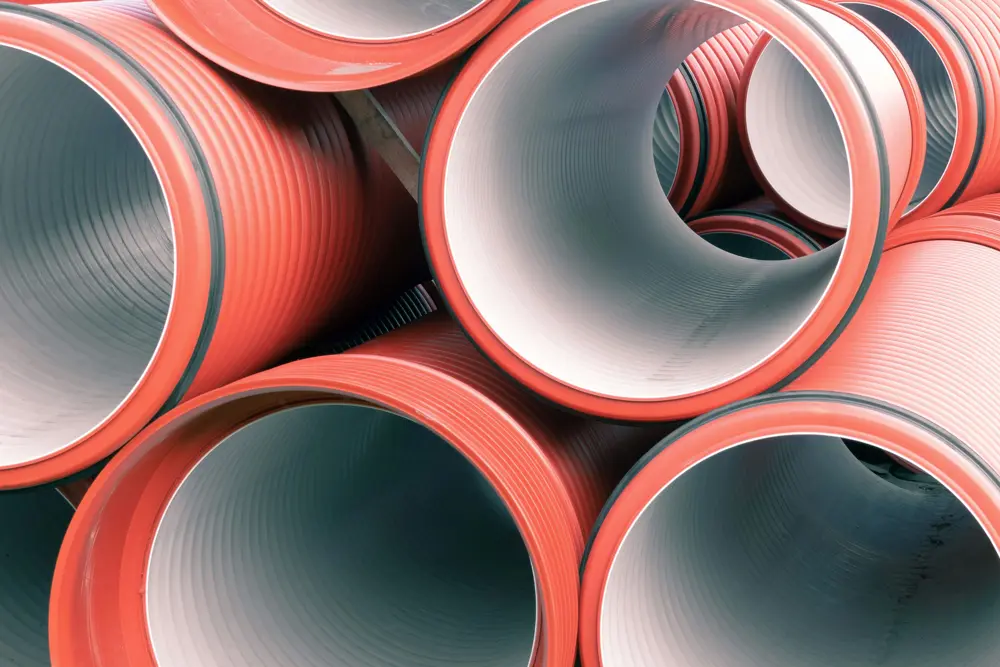
Once pipes are in place, backfilling begins. Soil (often the excavated material if it’s good, otherwise engineered fill) is added in layers around and over the pipe. Every layer (usually 150–300 mm thick) is compacted – sometimes with a plate or hand-tamper.
In fact, Australian standards are very specific: “Sand used in controlled fill must not contain any gravel and achieve a blow count of 7 per 300mm” when tested. This ensures no future settling that could stress the pipes. Note, termite protection is also considered (the NCC typically requires a sand or stone barrier under slabs), though for utility trenches, the focus is on stable fill and erosion control.
Throughout the process, inspections happen regularly. Experienced contractors will measure trench depths and check support bracing as they go. The NCC even highlights slope requirements for surfaces: around slabs, the ground must drop 25–50 mm per metre away from the building, so final grading is tested with a level. A final walkthrough ensures trenches are backfilled to spec, with no voids or open hazards.
Equipment of the Trade
What machines make this work possible? Excavation experts rely on a toolkit of heavy gear (and sometimes manual tools) to handle all scenarios:
- Excavators/Backhoes: The workhorses for digging trenches in most soils. Powerful arms reach down to set the final depth.
- Mini-Excavators: Compact diggers for tight yards or delicate landscaping. Kenmore’s hilly blocks often need nimble machines that fit between fences.
- Trenchers: Hand- or machine-operated trenchers cut uniform trenches quickly, ideal for straight sewer or stormwater runs.
- Skid Steers/Bobcats: For moving spoil and fine grading. They can load trucks or fluff up fill.
- Laser/Optical Levels: Precision tools ensure the trench bottom has the correct slope and depth before pipes go in.
- Shovels, Tampers, Rakes: Even in the age of machines, good old hand tools are used for final trench cleaning and for compacting soil around sensitive pipe joints.
- Safety Gear: Hard hats, high-vis vests, and barriers are non-negotiable. A trained operator and spotters are critical – as one case study shows, even a 600mm trench can collapse if walls aren’t battered back or shored. (Kenmore crews always plan for safety with measures like trench shields, sloping walls, and working in teams.)
In fact, excavation services often advertise precisely these capabilities. For example, industry leaders note that trench excavation services include “site preparation and compliance, safety precautions, equipment and materials, [and the] trench excavation process, inspections and quality control, [and] project completion” – essentially handling every step from planning to paperwork.
Compliance and Expertise
Working in Kenmore means complying with Queensland’s regulations and Australian standards. Registered plumbers or licensed earthmoving contractors do this work under building permits. Standards like AS/NZS 3500 (Plumbing and Drainage) set requirements for how deep pipes must go and how they are bedded, and codes of practice (like Safe Work’s excavation code) enforce worker safety.
For example, those codes explicitly cover “trenches, shafts and tunnels” under excavation work, reminding us that trenching is a high-hazard activity demanding expertise. Local contractors also know Brisbane’s weather: if heavy rain is forecast, they won’t leave open trenches overnight (water can flood them) and will ensure erosion controls (like sediment fences) are in place.
In short, hiring excavation services in Kenmore isn’t just about big machines; it’s about experience. A skilled crew understands local soils, follows rigorous steps (land surveys, BYDA checks, planned digging, compaction, inspections), and guarantees your new pipes will sit on rock-solid ground. It’s a blend of science, regulations, and old-fashioned know-how – all wrapped up in a friendly Aussie chat as your garden gets cut open and reborn.
Conclusion
Good plumbing starts long before the first pipe is laid – it starts with the trench. In Kenmore, that means calling on excavation services to sculpt, measure, and perfect the ground. When done right, you get leak-free drains, stable foundations, and peace of mind (and can get back to sipping that morning cuppa).
If you’re planning new plumbing work, chat with a local excavator or civil contractor to review your site. They’ll walk you through Before You Dig checks, demonstrate their trenching plan, and ensure no surprise bumps (or roots!) disrupt the project. After all, the smoothest piping is born underground – and Kenmore’s pros know the way to dig it.
Frequently Asked Questions:
Why are excavation services needed for plumbing projects?
Because plumbing pipes must be buried in precisely graded trenches. Excavators remove unsuitable soil, dig the trench to code depth, and create a firm, level base so pipes sit correctly and flow well.
What does a typical excavation for plumbing include?
Services cover site inspection, “before you dig” utility locates, trenching, pipe bedding (sand/gravel base), and backfilling in compacted layers. Contractors ensure safety and compliance at each step.
How does Kenmore’s soil affect excavation?
Kenmore has clayey, rocky hills and loamy flats. Crews adjust by sloping trench walls in loose sand, or using shoring in heavy clay. They may remove rocks by hand and compact wet clay in thin lifts (per standards).
What safety measures are used during trenching?
Teams use shoring or wall battering for deep trenches, barriers to block off sites, and always call Before You Dig. They follow codes that warn of collapse risks, so work is done in stages (dig, stop machine, then inspect).
Do I need permits for excavation in Kenmore?
Yes. Even minor trenching usually needs council approval or a building permit if it’s part of new plumbing or foundation work. It must comply with local codes (e.g. Queensland plumbing standards) and safety regulations. Authorities rely on plans that show trenches and plumbing layout.
How deep should a plumbing trench be?
Depth depends on pipe size and frost (freezing isn’t an issue here). Stormwater and sewer pipes often need at least ~300mm of cover. Excavators in Kenmore typically dig trenches around that depth or as specified by engineers. Soil grade and any surface paving plans also affect final depth.