Ever turned on the tap and felt like your shower’s lost its mojo? In Pinjarra Hills—where homes on gentle slopes and rainwater tanks are common—wonky water pressure can be a daily headache. But Water Pressure Adjustment doesn’t have to break the bank—especially in a place like Pinjarra Hills. With a few DIY tweaks and keen-eyed inspections, you can often boost flow without hauling out your wallet. In this post, I’ll walk you through simple low-cost fixes, share pro tips, and point out when it’s time to call in reinforcements – so you can reclaim that satisfying gush of water.
Water pressure is measured in kilopascals (kPa), and in Australia the ideal range for home supply is about 300–500 kPa. (Below ~300 kPa is generally considered low pressure.) On the flip side, pressures above 500 kPa can actually damage pipes and appliances. In Pinjarra Hills, where some houses sit high on hills and many have rainwater tanks and pumps, maintaining the right pressure can be tricky. But don’t panic: let’s dive into why pressure matters here and what simple steps you can take to fix it.
Why Water Pressure Matters in Pinjarra Hills
Water pressure isn’t just a plumbing buzzword – it shapes your daily life. Low pressure means limp showers, slow-filling sinks, and inefficient sprinkler systems. High pressure can rattle your pipes and even cause leaks or bursts. In Pinjarra Hills, ageing homes and rolling terrain add to the challenge. Some houses on higher ground or far from mains lines often see weaker pressure than those lower down by the river. Plus, many locals supplement mains supply with rainwater tanks and pumps, which introduces its own quirks (pump settings, filter clogs, tank levels, etc.).
Water Pressure Symptoms vs. What They Might Mean
| Symptom | Possible Cause |
|---|---|
| Weak shower flow | Clogged faucet/aerator, partially closed valve, or low supply |
| Loud banging pipes (“water hammer”) | Excessively high pressure (no arrester or failed PRV) |
| Uneven flow / sputtering | Airlocks in pipes or a partial blockage (especially in hot water) |
| Little or no water in one fixture | Closed shut-off valve or debris in that branch |
Aging brass and rubber fittings in older Pinjarra Hills homes can corrode and choke off flow over time. Even leaves or rust in an outdoor hose screen can trickle down to slow your bathtub. Conversely, running just one tap when you expected a deluge? Bad seals or a malfunctioning pressure reducing valve (PRV) could be throttling your supply.
Local lore aside, the plumbing code agrees that anything under ~300 kPa feels weak, and above 500 kPa is too much stress on the system. Whether you suspect a blockage, leak, or just wonky pressure, the table above helps translate household symptoms into likely culprits.
Water Pressure Adjustment: DIY Fixes That Save You Money
Before dialing for backup, try these wallet-friendly tweaks. Many “low pressure” problems are simple DIY wins:
- Clean tap aerators and showerheads. Mineral deposits and grit build up in those little screens, choking flow. Unscrew the faucet tip or showerhead, soak it in white vinegar for 30+ minutes, then scrub and rinse. You’ll be amazed how much oomph comes back. (This trick helped me fix our kitchen tap in minutes!)
- Check all valves are fully open. Go to your main shut-off and sub-mains valves. Sometimes contractors half-close them by accident or a fussy kid fiddles the kitchen tap valve. Make sure mains and branch valves are 100% open.
- Inspect the PRV (Pressure Reducing Valve). Many Brisbane homes have a PRV near the street meter. If it’s adjustable, it may have crept down or been set too low. Carefully turning the adjustment nut can bump pressure up – but be cautious. Cranking a PRV too high can stress your plumbing and may void warranties. If you’re unsure, skip this and call a pro.
- Listen and look for visible issues. Sometimes the culprit is obvious: a leaking fitting, a pinhole in a pipe, or even a bent faucet stem. Fixing a drip or crack often restores pressure. I once thought my whole house pressure tank was shot – turned out a garden hose end was bent closed and giving a lot of back-pressure.
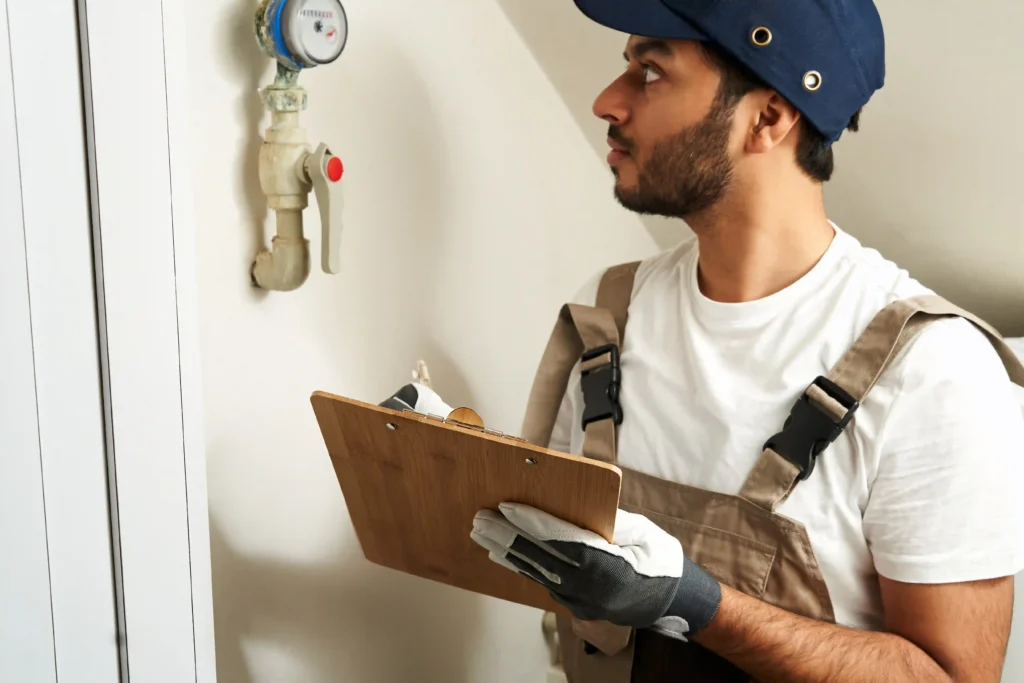
In short, take a tour of your fixtures and pipes. Give faucets a twist, run all taps one at a time to compare flow, and pop off filters/aerators to check for blockages. These quick fixes cost almost nothing (often just vinegar and elbow grease) but can significantly improve pressure. If you’re armed with a cheap pressure gauge (available from hardware stores) you can even measure the before/after at an outdoor tap to see how much you’ve gained.
Budget-Friendly Tools for Homeowners
If DIY alone doesn’t fix things, a few inexpensive tools can help diagnose or boost pressure:
- Hose-end pressure gauge (~$15–$25). Screws onto your garden tap to measure supply pressure. Great for testing (e.g. “Is it 200 kPa or 350 kPa?”).
- Adjustable tap aerator or flow restrictor (~$5–$15). Some hardware stores sell variable aerators – you set the flow rate, effectively capping it. It sounds backwards, but by smoothing water output these can actually stabilise pressure at fixtures. Handy on very high-pressure lines.
- Inline pressure booster pump (for rainwater). If you use tank water and shower pressure is gutter-dripping, a small pump (often under $200) can amp up pressure. Only install these when needed, as they use power.
- Ball valve or gate valve (cheap plumbing spare). Installing or replacing a valve can regulate flow. A faulty old valve that’s barely cracked can lose lots of pressure – swapping it out is usually a quick $20 fix.
| Tool/Measure | Approx. Cost | Usefulness |
|---|---|---|
| Garden hose pressure gauge | ~$20 | Diagnoses actual supply pressure (kPa/psi). |
| Faucet aerator/flow restrictor | $5–$15 | Controls or reduces flow to stabilise pressure. |
| Small inline booster pump | $150–$300 | Increases pressure for rainwater or remote taps. |
| Replacement shut-off valve | $5–$20 | Fixes leaks; ensures full flow if old valve was stuck. |
These tools don’t replace plumbing expertise, but they often do the trick for average Pinjarra homes. For example, slipping a pressure gauge onto your outside tap takes a minute and tells you if the mains is strong (300+ kPa) or if “low pressure” is really a problem on the street vs. just your home’s pipes. Swapping a seized-up ball valve or adding a filter screen might cost under $10.
Pro tip: even under-consumption can drop pressure. If you have a rainwater tank, emptying it at night (for horticultural watering) means a pump cycling on-off frequently and pressure dips. Keeping the tank above ~20% and maintaining the pump will keep showers happy. Proper rainwater pump maintenance—cleaning filters, checking impellers—ensures adequate pressure and cleaner water.
When to Call in the Pros (Without Emptying Your Wallet)
Sometimes you’ve run out of time or tools and need an expert touch. In Pinjarra Hills and nearby suburbs (think Kenmore, Brookfield, Pullenvale, etc.), there are reliable plumbing services that balance cost and quality. A standard Brisbane plumber call-out fee is in the ballpark of $175–$295 during business hours. Evening or emergency call-outs can be higher. That might sound steep, but remember you’re paying for fast, guarantee-backed fix. Often that fee covers the first hour or so of work. (A savvy homeowner can make the most of it by noting other odd jobs to address, like dripping taps or a check of the hot water system.)
Here’s how to get value :
- Compare local plumbers. In Pinjarra Hills you might find contractors from Kenmore or Moggill (like Kenmore Plumbing) who offer free quotes. Also look for specialties like leak detection specialists if you suspect an unseen leak, or hot water system installation experts if your hot water is part of the problem (pressure issues can be related to faulty expansion valves on hot water units).
- Ask about pricing upfront. Good plumbers (check for QBCC licensure) will give you a rough quote or range before work starts. You can verify a plumber’s credentials via the QBCC License Register, and licensed pros should provide detailed quotes for any new work—so you won’t get lumbered with nasty surprises.
- Bundle work during the visit. If you’re paying a call-out fee anyway, ask them to inspect related issues. For instance, a pro can test your water pressure with a gauge and suggest fixes on the spot. They can also inspect the roof tank pump, pipe fittings, gutters, etc. Salmon Plumbing notes that doing a few extra tasks during one visit (while the plumber is onsite) prevents future call-outs and wasted fees. For example, tighten a leaky tap washer or clean the rainwater pump strainer while the plumber’s under the house.
Emergency calls are sometimes unavoidable – sudden burst pipes (from an undetected leak or high pressure) do happen. Brisbane-area plumbing companies often advertise 24-hour plumbing service and emergency response teams. If you need a midnight fix, ask around for a local plumber with emergency coverage (many note if they cover Pinjarra Hills). Just be aware these calls can double or triple the normal rate.
Finally, many local plumbing outfits also offer excavation services for big jobs (tree roots in sewer lines, main-water breaks, etc.). That’s usually outside the “low cost” scope, but it’s good to know which companies have heavy gear if, say, a hidden sewer blockage is killing your pressure. For everyday issues though, a vetting checklist helps: check online reviews, confirm they list services like rainwater pump repair, leak detection, or hot water service. A well-rounded plumber will handle water pressure adjustment and the appliance or system checks that come with it.
Pressure Problems Unique to Pinjarra Hills
Pinjarra Hills has its own plumbing quirks, which often require more tailored water pressure adjustment strategies:
- Hilly terrain and gravity – Some homes perch uphill, relying partly on gravity-fed supply from tanks. At night or during fires, mains pressure can drop. This means even a small leak or closed valve can cause big pressure swings and may need careful adjustment to stabilise flow.
- Rainwater tanks everywhere – During dry spells, many locals switch to tank water. Tank pumps have an “on-pressure/off-pressure” switch. If not set correctly, you might find your shower watering your plants instead of you! Tank issues like clogged filters or failing floats often masquerade as low pressure. Proper maintenance and regular water pressure adjustment can help avoid these surprises.
- Aging infrastructure – Some properties date back decades. Old cast iron or thin copper pipes can corrode or kink. Tree roots in rural yards often infiltrate sewer lines. A small leak underground or an old cracked pipe can quietly drop your pressure without a dramatic flood (until it snaps). Fixes may require pipe replacement or fine-tuning your system’s pressure output.
Veteran plumber Dave in Pinjarra told me: “Out here, your tank position matters. If the pump’s on the ground, upstairs taps suffer. Sometimes we add a small pressure tank or move the pump higher.” That anecdote is worth keeping in mind – sometimes raising the rainwater pump or installing a pressure vessel can smooth out flow and improve your water pressure adjustment outcomes.
In short, consider your whole system: rain tanks, pumps, pipe age, and even local council supply conditions. In hot summers or after bushfire-weather shutdowns, water authorities sometimes run lines slower to conserve supply, which could explain a sudden lull in pressure. In those cases, the issue is community-wide – check with neighbours or local social media (yes, even our suburbs have community groups mentioning “still no water pressure after the shut off” reports).
Outdoor Systems & Irrigation: Low-Cost Pressure Balancing
Got a sloshing rain garden, leaky sprinkler, or cranky hose reel? Outdoor watering systems often need their own pressure solutions:
- Use low-pressure irrigation heads. Many sprinkler nozzles and drip emitters are designed for low-pressure use. Replacing high-pressure pop-ups with drip or micro-spray heads can dramatically improve coverage and water efficiency.
- Install a pressure regulator on the hose. Some hose-end valves come with built-in regulators. These cap the pressure for sprinklers or hoses. Think of it as a DIY mini-PRV for your garden.
- Filter screens and pre-filters. In our area’s rural settings, fine sand or leaves can clog outdoor filters. A blocked filter just before the sprinkler manifold can cut pressure without you realizing it. Clean or replace those tiny screens in your tap/adaptor regularly. A cheap inline filter on the water feed can save headaches.
- Timed and phased watering. Instead of blasting all sprinklers at once, use a timer to water different zones in sequence. This ensures each station gets full pressure (your pump or mains doesn’t have to feed all zones at once).
Finally, check rainwater tanks and pumps that supply outdoor taps. If the pump cycles too fast (because it’s on a tiny budget tank), you get bursts of pressure. Adjusting the pump’s pressure switch or adding a larger pressure tank can give a steadier flow. These fixes keep lawns green without buying a jet pump – often they’re just software (or a $10 pressure switch) changes.
Mistakes to Avoid While Adjusting Water Pressure
When tackling water pressure adjustment on your own, watch out for these common pitfalls:
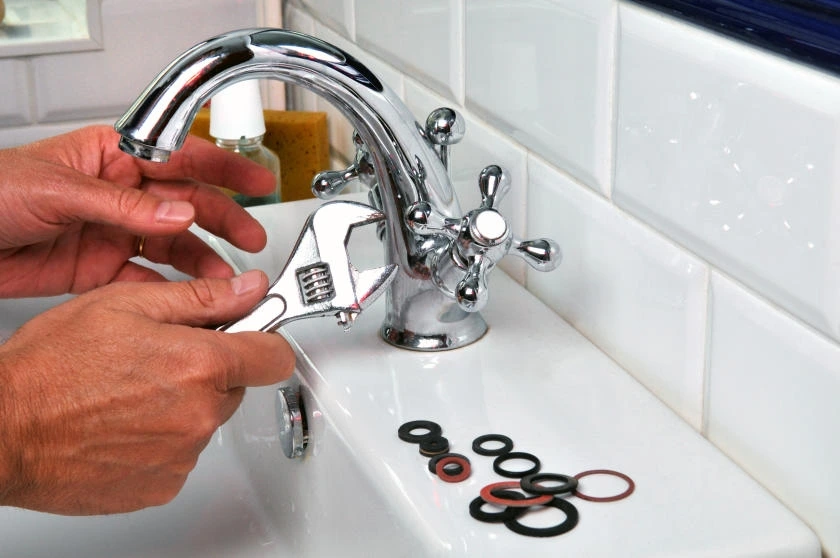
- Don’t over-tighten valves or fittings. A stripped or cracked valve can become permanently stuck. Use gentle force and the right tools.
- Avoid cranking the PRV too high. Plumbing codes exist for a reason. If the PRV is set above code (500 kPa in QLD), it can blow out fixtures or void warranties on appliances. Adjust gradually and re-test pressure.
- Never ignore small leaks. A pinhole leak might seem minor, but it can gobble up pressure. Before blaming your pump or mains, do a leak detection check. Listen for drips, look for damp spots, and use the water meter trick (turn off all taps; if the meter moves, there’s a leak). A local water provider suggests doing a quick bucket test and pressure check to determine if the issue is internal or with the mains supply. Sometimes leak detection specialists are worth a call.
- Don’t mix up hot vs. cold issues. If only cold or only hot water is weak, the problem could be isolated (e.g. a faulty mixer valve, a scaled-up water heater, or an air lock in the hot line). Fixing the wrong side won’t help. Isolate by testing taps with just cold or just hot.
- Seasonal shifts. After very hot or cold spells, re-check everything. Heat can make seals expand and drip; cold can constrict pipes. A quick seasonal check (at least twice a year) catches many issues early. As one Pinjarra Hills plumber warned: “Winter winds and storms often trip breaker switches on pumps; summer heat bakes those pipes.”
In my own home (not in Pinjarra, but similar climate), I once opened a pump setup after a long winter and found the pressure tank had lost charge. The pump kept short-cycling and I had almost no water pressure. A simple re-charge of the tank’s air (and cleaning its rusted air valve) restored things. The moral: even small checks – and not just big fixes – save time and dollars.
Smart Home Tech for Pressure Monitoring
We live in the age of smart gadgets, so why not hook one up to your water system? Wi-Fi water pressure sensors and flow meters are becoming more affordable. For under $100, you can install a sensor at the mains or tank pump and get live pressure readings on your phone. This kind of smart tech takes the guesswork out of water pressure adjustment.
Here’s what it can do for you:
- If pressure dips (pump failure, full tank, leak), you get an alert.
- After running the sprinkler or heater, you can see how much pressure is being drawn.
- You can graph your pressure over weeks, spotting trends like “Ah, every Tuesday at 5 pm it dips – must be peak irrigation time.”
Smart devices can even integrate with home assistants (Alexa/Google Home) and notify you: “Hey, your rainwater pump has run dry again.”
For farmers or landlords in Pinjarra Hills and the rural fringes, these systems eliminate trial-and-error. When installing one, look for compatibility with both mains and rainwater systems. Some models come with tank-level sensors too, so you can correlate tank levels with pressure. In a dual-occupancy or holiday-home scenario, this is gold – you’ll know if the tenant turned off the wrong valve before arriving.
Final Checklist: Pressure Problem or Something Bigger?
Before throwing in the towel or booking an excavator, run through this mini self-diagnosis:
- Whole house or single tap? If all taps are trickling, suspect the main supply (Valves, pump, or PRV). If only one room is weak, it’s likely a local clog or valve.
- Hot vs. cold? Check if the issue is only on the hot or cold side. A failing water heater (or solar heat exchanger) can masquerade as low pressure by delivering tepid flow.
- Neighbors’ experience: Did anyone else on your street or in Kenmore mention low water flow? If yes, it’s likely a mains issue out of your control (and out of your wallet).
- Rainwater tank check: If you rely on tank water, make sure the pump’s running and the tank isn’t empty. Sometimes the pump’s pressure switch just needs a little adjustment or bleed.
- Obvious leaks or breaks: A large leak or broken pipe usually shows in a water bill or moisture. But the tiniest leak can also suck pressure. Trust your ears: a hidden drip can equal lost kPa.
If this checklist doesn’t solve it, consider whether a pipe blockage or buried fault is to blame. A serious blockage might need excavation services and special equipment. Before that step, however, we’ve seen many Pinjarra Hills residents fix the problem at the valve or aerator level – so exhaust the simple fixes first.
FAQs
What causes low water pressure in Pinjarra Hills homes?
Common causes include clogged aerators or pipes (especially in older homes), partly closed valves, or pump issues with rainwater tanks. High-elevation houses may have weaker mains feed. Faulty PRVs and leaks can also drop pressure. In Pinjarra’s hilly, older properties, any of these can be at fault.
Can I fix water pressure issues myself without calling a plumber?
Often you can. Simple DIY fixes like cleaning tap aerators, checking the main valve, or installing a garden hose pressure gauge can solve many low-pressure woes. For example, flushing debris from a showerhead or checking the PRV may restore flow. More complex problems (buried leaks, faulty pumps) usually require a pro.
How often should I check my water pressure?
It’s wise to test your water pressure at least twice a year (e.g. spring and fall) or after major weather events or plumbing work. Also check if you notice signs like weak flow or loud pipes. Regular checks (using a pressure gauge on an outside tap) help catch issues early, preventing bigger headaches.
These answers should help you troubleshoot or decide when to ring the experts. For more in-depth guides or local advice, don’t hesitate to reach out to a licensed plumber in Pinjarra Hills or nearby Kenmore – they’re just a call away.
Reclaim Your Flow
Water pressure problems don’t have to drain your wallet or your patience. In Pinjarra Hills (and surrounding areas like Kenmore or rural Brookfield), a lot of pressure issues are rooted in simple, fixable causes: dirty aerators, a closed valve, or a quirky rainwater pump. With a little know-how and the right tools—often nothing more exotic than vinegar, a wrench, or a $20 gauge—you can give your plumbing a real boost.
If you’ve tried our DIY tips and the pressure is still paltry, it might be time to call in a trusted local pro. Licensed plumbers in Brisbane’s southwest (many of whom cover Pinjarra Hills and Kenmore) can test your system, adjust PRVs, and fix tricky leaks quickly. Don’t forget, asking about an affordable plumbing service or a 24 hour plumbing service for emergencies can save you money in the long run.
Take action today: tighten a loose tap, clean that showerhead, or explore simple water pressure adjustment techniques to restore balance. And if needed, phone a reputable plumber. Pinjarra Hills residents deserve great water flow without a heavy price tag. By mixing smart DIY with professional help when needed, you’ll be back to enjoying a strong, steady stream in no time.