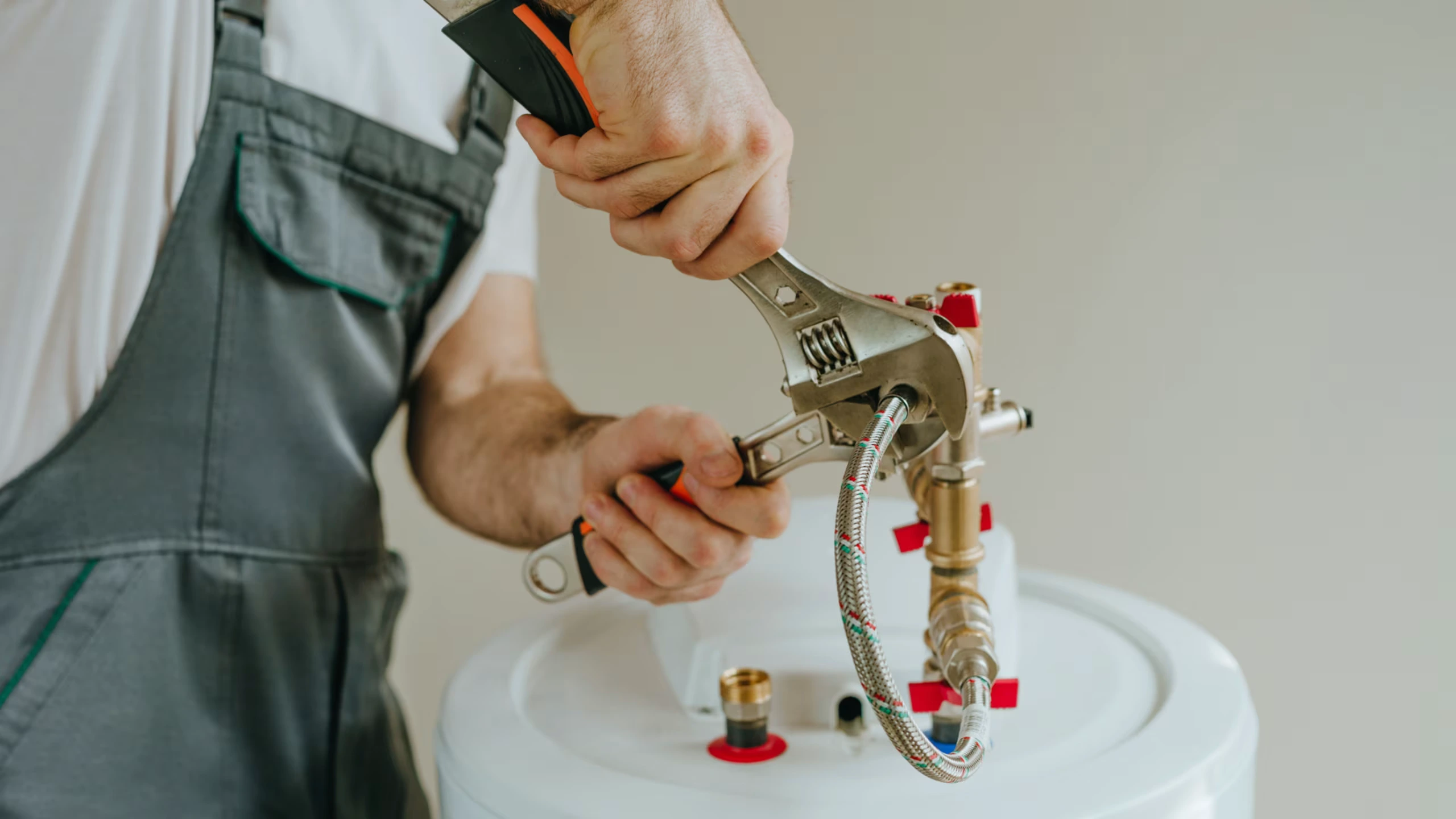
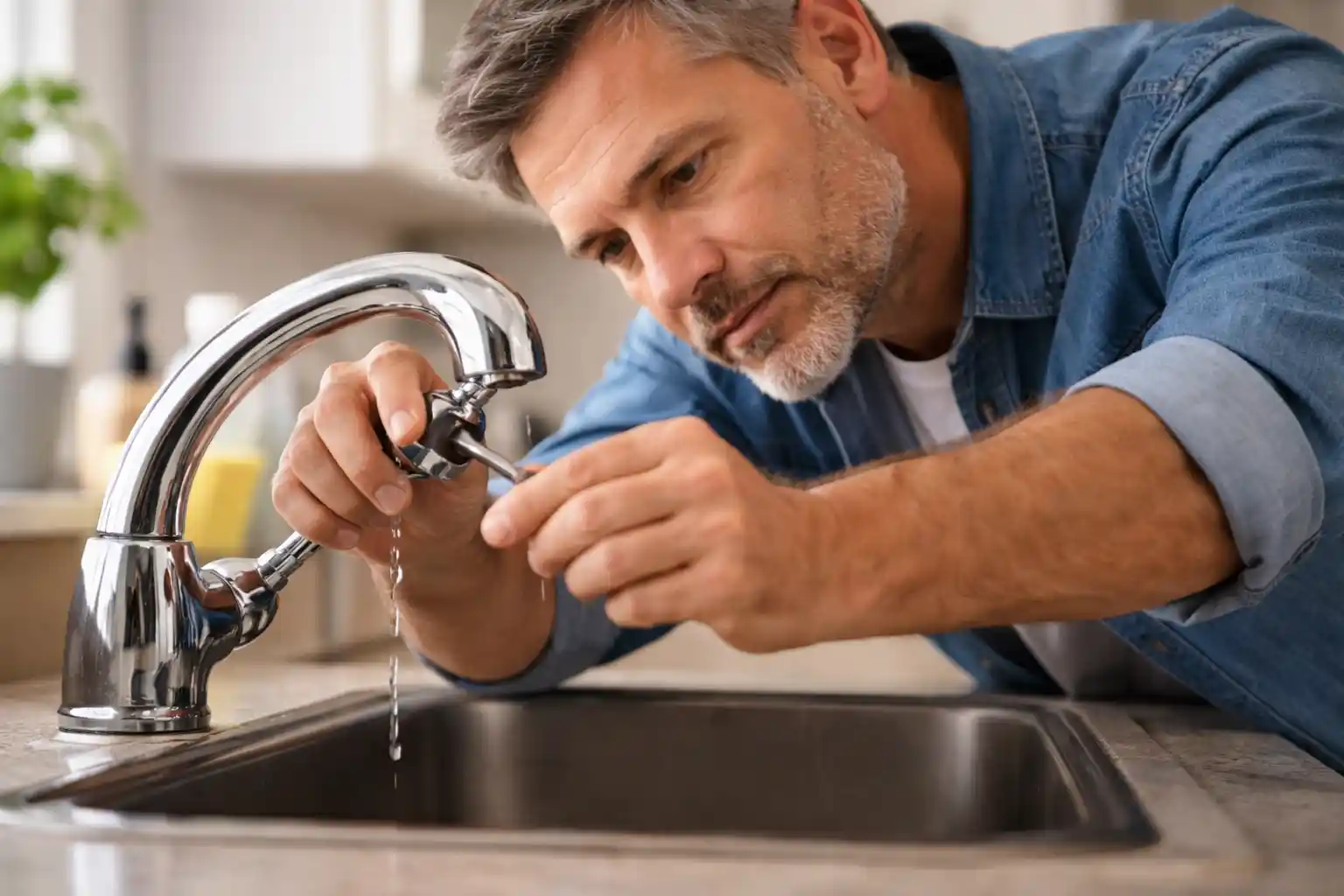
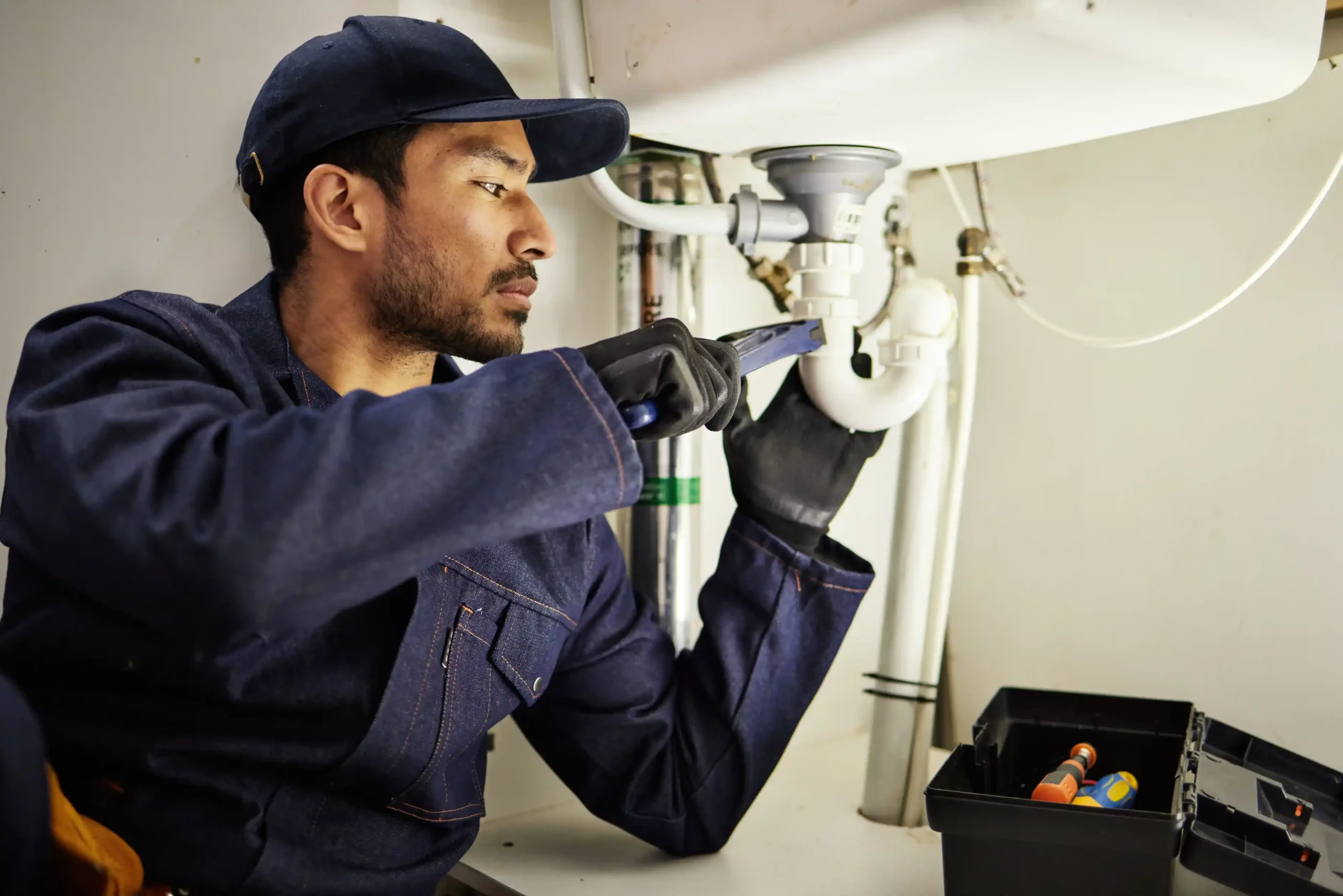
Ever been blasted by a shower so powerful it felt like a fire hose? Or, on the flip side, turned on your tap only to watch a pathetic dribble? You’re not alone – in Kenmore we love a strong shower, but too much water pressure can actually wear out your pipes and appliances without you even realising. Conversely, low pressure makes your morning routine a slog, hinting at hidden clogs or a failing regulator. In short, balance is key. Think of water pressure adjustment like tuning your stereo’s volume knob: you want it “just right” for the best performance.
Here’s the deal: Australian plumbing rules cap inside pressure at 500 kPa to prevent damage, and experts say most homes should sit comfortably around 300–500 kPa (about 45–72 psi). In other words, ideal shower pressure is 40–60 psi – high enough to enjoy a solid spray but not so high your taps start leaking. This Water Pressure Adjustment guide will walk you through why that matters and how to check or tweak your pressure so you avoid floods, drips, and wallet-denting repairs. You’ll learn simple DIY tips (and when to call a plumber), plus how proper adjustment keeps your water bill in check.
Understanding Water Pressure Adjustment (and Why Adjustment Matters)
Water pressure is literally the force that pushes water through your pipes, faucets, and showerheads. Think of it like the strength of a stream: too strong and it strains everything it touches, too weak and it barely trickles. In practical terms, Australians measure this in kilopascals (kPa) or psi. For example, many plumbers agree the sweet spot is about 275–415 kPa (40–60 psi) for everyday use. If the pressure gauge on your garden tap reads around here, you’ve hit the Goldilocks zone – not too high, not too low. This is exactly where Water Pressure Adjustment comes in, helping you keep flow levels safe and consistent.
Why does this matter? Because every fixture, appliance, and pipe in your home is built for a certain pressure range. Run it outside that range, and problems crop up.
In fact, plumbing codes (AS/NZS 3500.1 in Australia) require that the static pressure at any tap inside a house not exceed 500 kPa. That’s because pressures above this (about 72 psi) can start causing water hammer (the loud bangs in your pipes), leaks, and worn-out fittings. Even your hot water heater and washing machine have pressure limits – exceed them and their warranties might void out. SA Water explains more about pressure limits here
A quick Pressure Range Table helps summarise this:
| Pressure Level | Range | What It Means |
|---|---|---|
| Too Low | < 275 kPa (< 40 psi) | Weak flow – dribbling taps, slow showers, appliance delays. May indicate clogs or leaks. |
| Ideal/Normal | 275–500 kPa (40–72 psi) | Safe range – strong showers and efficient appliances without stressing your pipes. |
| Too High | > 500 kPa (> 72 psi) | Danger zone – risk of bursts, leaks, and water hammer. |
Keep that table handy – it’s your quick reference. Adjusting your water pressure is all about hitting that middle band. Now, let’s look at what can go wrong when you miss the mark.
The Risks of High Water Pressure
When you crank up the flow and stay above that 500 kPa limit, your plumbing pays the price. Excessive pressure puts relentless stress on joints, seals, and appliances. Over time, you’ll see:
- Leaky Pipes and Fittings: High force can pry apart seals and joints, creating hidden leaks behind walls or under floors. It’s the sneaky drip that turns into a costly flood.
- Premature Appliance Failure: Dishwashers, washing machines, hot water systems – all have a pressure tolerance. Sustained high pressure can fry their valves and gaskets, leading to breakdowns (and bigger repair bills).
- Noisy Plumbing (“Water Hammer”): Hear banging or rattling when you turn off taps? That’s water hammer, a dead giveaway of excessive pressure. Sharp pressure spikes cause pipes to bang, which can even crack them over time.
- Wasted Water & Big Bills: Ironically, more pressure means more water flowing out. That extra gush isn’t needed for daily tasks – it’s just pouring down the drain. The result? Steeper water (and heating) bills every month.
- Voided Warranties: Many plumbing products specify a max pressure (often 500 kPa). Skip a regulator or ignore it, and you might void your tap, appliance, and heater warranties. Suddenly, that splashy shower cost you money in lost coverage.
Queensland plumbers have seen too-high pressure silently ruin plumbing systems. For instance, S&J Plumbing notes that although 500 kPa is the legal cap, many suburbs on hills or far from reservoirs experience higher feed. If you fall into the “high-pressure club”, it’s worth acting fast. A licensed plumber can adjust or install a pressure limiting valve (PLV) at the mains to shave off excess pressure.
In short: anything consistently above that safe range can wear out your pipes and appliances. On a positive note, most issues caused by high pressure are preventable with simple adjustment or a new PRV (Pressure Reducing Valve). Keep an eye (and ear) out for these warning signs – they’re your cue to adjust the pressure before a small leak turns into a renovation nightmare.
The Frustrations of Low Water Pressure
On the other end, too little pressure is its own headache. Low pressure isn’t dangerous, but it sure is annoying, and it often signals trouble. You might notice:
- Weak Flow Everywhere: Showers that barely dribble, taps that take ages to fill a bucket, and sprinklers that spit out drops instead of jets. It turns mundane tasks (like washing dishes or showering) into slow-motion chores.
- Appliances Struggle: Dishwashers and washing machines rely on a steady flow. With low pressure, cycles can run longer (or fail to clean properly) because not enough water is coming in. You might be standing there pounding on the machine door wondering why it’s not spinning.
- Uneven Supply: If your pressure is sagging, you might not be able to run the washing machine and shower at the same time. It’s like turning on two taps and watching each get weaker – the classic sign of low pressure.
- Possible Leaks or Clogs: Suddenly dropping pressure can mean something is blocking the flow. Maybe a hidden leak, pipe corrosion, or sediment buildup is choking your line. It could even be a partially closed main valve.
Diagnosing low pressure often starts with simple checks. First, make sure any stop-cocks or valves (under sinks, at the meter, etc.) are fully open. Next, if the drop is sudden, look for leaks in visible pipes or listen for running water in the walls. Sometimes, the culprit is a clogged aerator or showerhead – try cleaning those first.
Also, if your home is uphill or far from the supply reservoir, the mains pressure may naturally be lower. In that case, you can boost it by installing a pump or asking the council if it’s a widespread issue.
However, a very common cause is a failing or mis-set pressure regulator. If you have a pressure-reducing valve and it’s cranked down too low, your pressure will suffer. Checking or adjusting that valve (explained below) often restores the flow. In any case, slow flow is a sign: don’t ignore it, because plumbing experts warn it could mean bigger problems lurking.
How to Check and Measure Your Water Pressure
Ready to find out if you’re in the green zone? Grab a water pressure gauge (available at Bunnings or any hardware store) – this little tool screws onto a threaded tap and gives an instant psi/kPa reading. Measuring is straightforward:
- Choose a Test Tap: Outdoor garden taps or hose bibs are perfect since they’re easy to access. Ideally use a tap closest to where the supply enters your house (often an outdoor tap).
- Turn Everything Off: Make sure all indoor taps, appliances, and sprinklers are off so no water is running during the test.
- Attach the Gauge: Screw the gauge onto the selected tap spout. Make sure it’s snug so it won’t leak.
- Open the Valve: Slowly turn on the tap fully and let water flow through the gauge. Watch the needle settle – that’s your static pressure reading.
- Record and Compare: Note the reading (in kPa or psi). Then do the same on a couple other taps (bathroom, kitchen) to see if it’s consistent throughout your home.
- Interpret the Results: Ideally you’ll see something in the ballpark of 275–415 kPa (40–60 psi). If it’s consistently below about 275 kPa (<40 psi), you’ve got low-pressure symptoms. Above 500 kPa (>72 psi), you’re in the high-pressure danger zone.
Regularly checking pressure (say, once a year or if problems crop up) is wise. It only takes minutes, but can alert you to leaks or a drifting regulator before they become an emergency. Think of it as a mini health-checkup for your pipes.
Pressure Regulators and How to Adjust Them
Inside the PRV is a spring-loaded diaphragm controlled by a screw on top. In layman’s terms, turning the screw adjusts how much pressure gets through. If you peek under the lid on a typical PRV, you’ll find a locking nut and an adjustment screw. By loosening the nut and turning the screw, you increase pressure; turn it the other way to decrease.
However, a quick word of caution: only tweak it a little at a time. Even a quarter-turn can make a big difference. (If you’re not comfortable doing this yourself, grab a plumber, because they’ve got the right gauge and know the safe limits for Water Pressure Adjustment.)
If you don’t have a PRV (some older homes might not), pressure could be coming straight in from the street. In that case, you’ll want a licensed plumber to install a PRV/PLV to cap it. Queensland building standards literally expect you to keep internal pressure under 500 kPa, and plumbers often fix high-pressure complaints simply by adding a PLV before the water meter.
On the flip side, if your pressure is too low, first check that very valve isn’t set too low. Sometimes a well-meaning tradie or homeowner fiddles with it and forgets to turn it back up. Also ensure the main shut-off under the house is fully open.
In summary: Water Pressure Adjustment means finding that PRV or PLV, unlocking the adjustment screw, and tweaking until your gauge reads in the green range. It’s the plumbing equivalent of tuning your TV antenna – a little adjustment goes a long way. If you’re adding multiple fixtures or have specific needs (like a home gym shower or irrigation), a plumber can also swap in a different valve that allows a higher (but still safe) setting.
Prevention & Maintenance Tips
Think of maintaining water pressure as part of your home-care routine. Here are some quick pointers to keep problems at bay:
- Regular Checks: Test your pressure annually or whenever something feels off. Catching a slow drift (either up or down) can prevent full-blown issues.
- Inspect the PRV: Pressure regulators wear out. Experts recommend having your PRV inspected every 3–5 years. If it’s leaking or stuck, replace it.
- Wash or Replace Aerators: Sometimes low pressure is just dirty faucet screens. Unscrew faucet aerators and showerheads, clean out any sediment, or replace them for a faster flow.
- Watch for Leaks: A sudden jump in pressure readings might actually be water hammer, which can come from air in the lines or a waterlogged expansion tank (if you have one on your hot water system). Conversely, a sudden drop usually means a leak. Keep an eye on your water meter overnight (with all taps off) to catch sneaky leaks.
- Balance Pressure: If your pressure tends to climb high, installing a whole-house pressure regulator with a gauge can automate the job. Some households even install an extra gauge downstream so everyone can see that happy “in-range” reading.
- Save Water (and Money): Proper pressure adjustment is not just about protection – it’s green too. Using only the pressure you need avoids waste. According to plumbing pros, controlling your pressure can trim water usage and energy costs (heating less water) over time. Small tweaks, big savings.
By being proactive, you avoid the costly consequences of neglect. A little water pressure tuning now means fewer leaks, clogs, and shock therapy fixes later.
Conclusion
Getting your water pressure just right is one of the smartest (and cheapest) plumbing fixes around. Too high, and you silently break things; too low, and life’s a trickle. By testing with a gauge and using proper Water Pressure Adjustment through your pressure-reducing valve, you’re in the driver’s seat.
As we’ve seen, Australian homes have guidelines (500 kPa max and roughly 275–415 kPa ideal), and hitting that target means smooth showers, efficient appliances, and no surprise floods. So next time you flip on a tap, remember: it’s your chance to fine-tune the flow.
Stay curious, stay proactive, and you’ll keep plumbing problems – and their bills – out of the picture. If you ever feel out of depth, a qualified plumber can help with professional testing and adjustment. But armed with this guide, you’ve got the know-how to catch most issues early. After all, the only thing you should be showering with is hot water and good karma – not regret about avoidable leaks!
Ready to take control of your pipes? Grab that pressure gauge, practice smart Water Pressure Adjustment, and live (and shower) worry-free. Your home – and wallet – will thank you.
Frequently Asked Questions
What is the ideal water pressure in a home?
In most Australian homes it’s about 300–500 kPa (43–72 psi). This keeps showers strong and appliances efficient without stressing the plumbing.
How can I measure my water pressure?
Use a screw-on pressure gauge on an outdoor tap. Open it fully and note the reading. Repeat on different outlets. Aim for 275–415 kPa (40–60 psi).
Can I adjust water pressure myself?
Yes – if you have a pressure-reducing valve. You can turn the adjustment screw on the PRV (usually under a brass cap) to raise or lower pressure. Just do it in small steps. When in doubt, call a plumber to avoid misadjustment.
Why is my water pressure low all of a sudden?
Sudden drops often mean a leak or blocked pipe. Check that main valves are open and fixtures (like aerators) aren’t clogged. A failing pressure regulator or municipal supply issue can also cause it.
What problems can high water pressure cause?
Excess pressure (>500 kPa) can burst hoses, crack joints, wear out appliance valves, and even cause loud water hammer shocks. It also wastes water, hiking your bills.