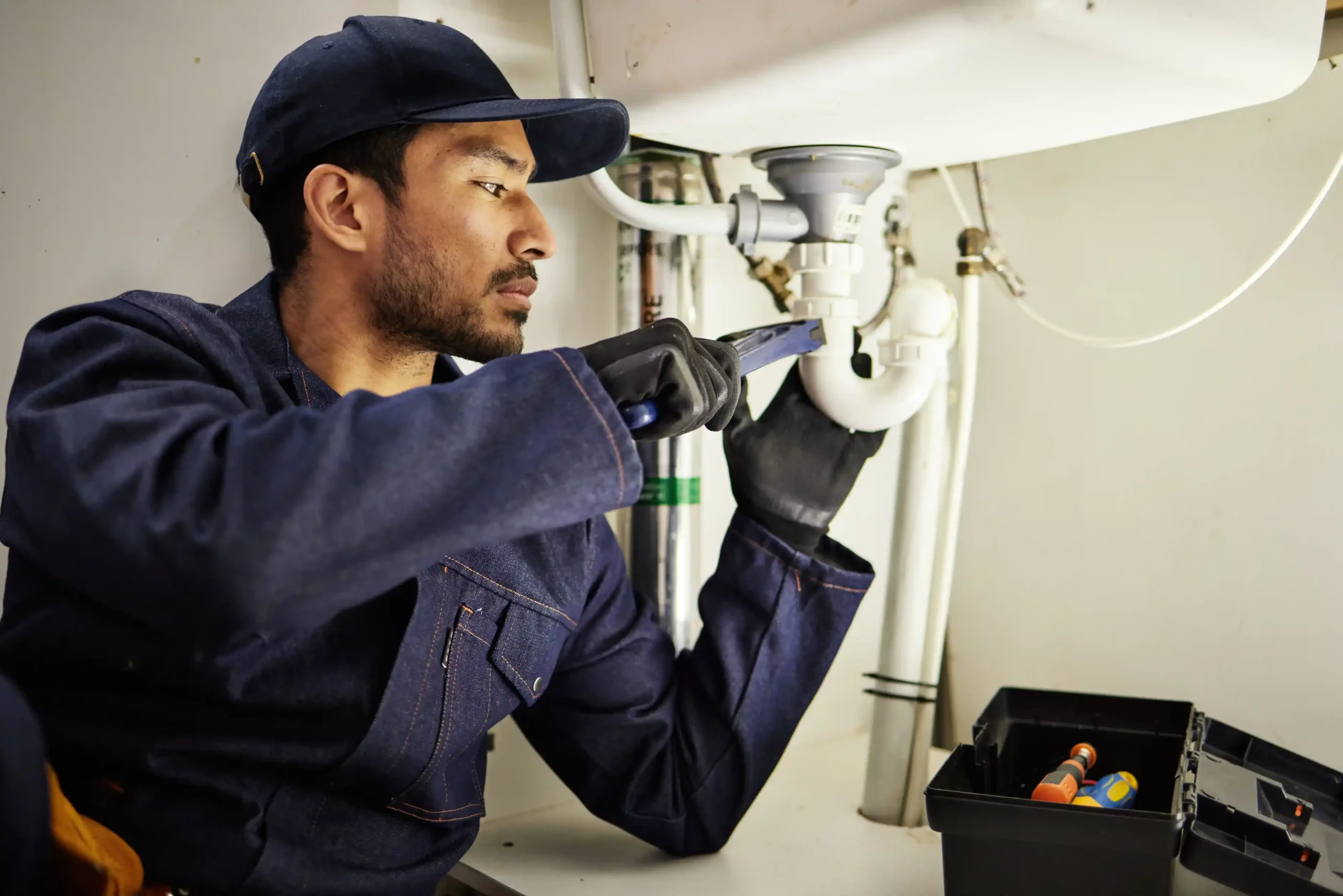
Ever flushed a toilet at home and barely gave it a thought? Now imagine you’re in a bustling office block or a busy cafe – those tiny drips and clogs suddenly become big headaches. In Kenmore or Pinjarra Hills, where shops, restaurants and offices pump water through miles of pipes every day, commercial plumbing is a whole different beast. You’ve got dozens of sinks, multiple toilets, and tankfuls of water heaters to look after – not just one kitchen tap.
Commercial plumbing in Kenmore and Pinjarra Hills involves large multi-floor buildings and heavy usage, so it needs tough materials, careful planning and strict compliance. In a nutshell: what works under your home’s floors isn’t enough when a whole business or school depends on it.
Commercial plumbing isn’t just home plumbing on steroids – it’s more like plumbing on an industrial scale.In a typical house you might have a few sinks and one water heater. But a Kenmore office block or a Pinjarra Hills hotel can have hundreds of taps, showers and toilets across many floors. All that extra piping and fixtures means the system must handle far higher water volumes and pressure.
Builders use heavy-duty pipes and valves to withstand constant use – think metal instead of cheap plastics. Everything is bigger and tougher. Commercial plumbing systems often have separate zones (kitchens, restrooms, laundry, etc.) and even entire water main extensions. By contrast, home plumbing is simpler – shorter pipe runs, fewer fixtures, and mostly standard 15–20mm pipes.
| Feature / Need | Commercial Plumbing | Residential Plumbing |
|---|---|---|
| Scale of System | Multi-floor buildings (offices, shops); dozens of fixtures | Single-family homes or small units; few fixtures |
| Usage Frequency | Very high – hundreds/thousands of people use it daily | Moderate – family members only |
| Materials & Fixtures | Industrial-grade (reinforced pipes, big tanks); stainless steel sinks, grease traps | Standard home-grade (PVC, copper); porcelain fixtures |
| Maintenance Needs | Frequent inspection and cleaning; scheduled maintenance to avoid downtime | Occasional check-ups; fix clogs or leaks as they appear |
| Regulations | Strict codes (health, energy, fire); permits & inspections required | Standard building codes; mostly DIY or minimal permits |
| Water Heating | Large boilers or high-capacity tanks (often >250 gal) | Small tank or point-of-use heaters (≤100 gal) |
Modern commercial kitchens, hospitals and labs also demand extra hygiene measures. For instance, restaurants in Kenmore must follow health department rules (like grease traps and easy-drain fixtures) that a home kitchen doesn’t. Schools and hospitals have more sinks and often special sterilization equipment, so the plumbing must accommodate larger flows and stronger disinfection requirements. Leak detection is another example: with hundreds of pipes hidden in ceilings or under floors, you often need leak detection specialists armed with cameras to sniff out trouble early, something you’d rarely call in for a simple home leak.
All this scale means huge demand on the system. Commercial plumbing handles a nonstop torrent of water – imagine dozens of staff using toilets and taps at once. The piping, pumps and drains must be over-engineered so they don’t collapse under pressure. Home plumbing is designed for smaller peaks (a family showering in the morning), but businesses need ultra-durable pipes and efficient fixtures (dual-flush toilets, sensor faucets) built for thousands of uses. Clogs and leaks are more costly; a backup in a Pinjarra Hills apartment building could affect dozens of homes, whereas a clogged pipe at your house mostly stays contained.
Regulations and Paperwork
Commercial jobs also come with layers of paperwork. Unlike a home renovation that might need a simple council permit, a Kenmore cafe or office retrofit requires detailed plans and approvals. Plumbers must review floor plans, structural drawings and even soil reports to understand the entire plumbing layout. You’ll often need council permits, environmental approvals and certificates (for example, an energy efficiency report or a QLeave levy form for big builds) before work starts. Everything must meet tight building codes and health regulations (especially for food service or medical sites).
In Queensland, the Plumbing Code of Australia (part of the National Construction Code) and the Plumbing and Drainage Act 2018 govern how every pipe is installed and protected. This means licensed plumbers, often those with commercial training, must do the work. In fact, the Queensland Building & Construction Commission notes that most plumbing work (especially on large projects) requires a QBCC-licensed plumber or drainer. In short, there’s no “winging it” on a job of this size – strict rules ensure safety and sanitation, and skipping steps can shut down an entire project.
Water Heating & Specialized Equipment
Heating water for dozens of users at once is another headache. Homes might have a 100-gallon tank (or tankless heater) for a family’s needs, but commercial buildings need giant boilers or multiple high-capacity heaters. For example, a Kenmore motel or restaurant may use a 250+ gallon boiler or an industrial tankless system to supply all showers, sinks and appliances. These systems are expensive, require precise calculations (flow rates, recovery times) and regular servicing.
Commercial projects also often install backflow prevention devices, water softeners, and large pressure regulators – none of which you’d typically see in a standard home. The skills to design and maintain such equipment are specialized; plumbers may use pipe-beveling machines, power flaring tools, and industrial vacuums just for installation.
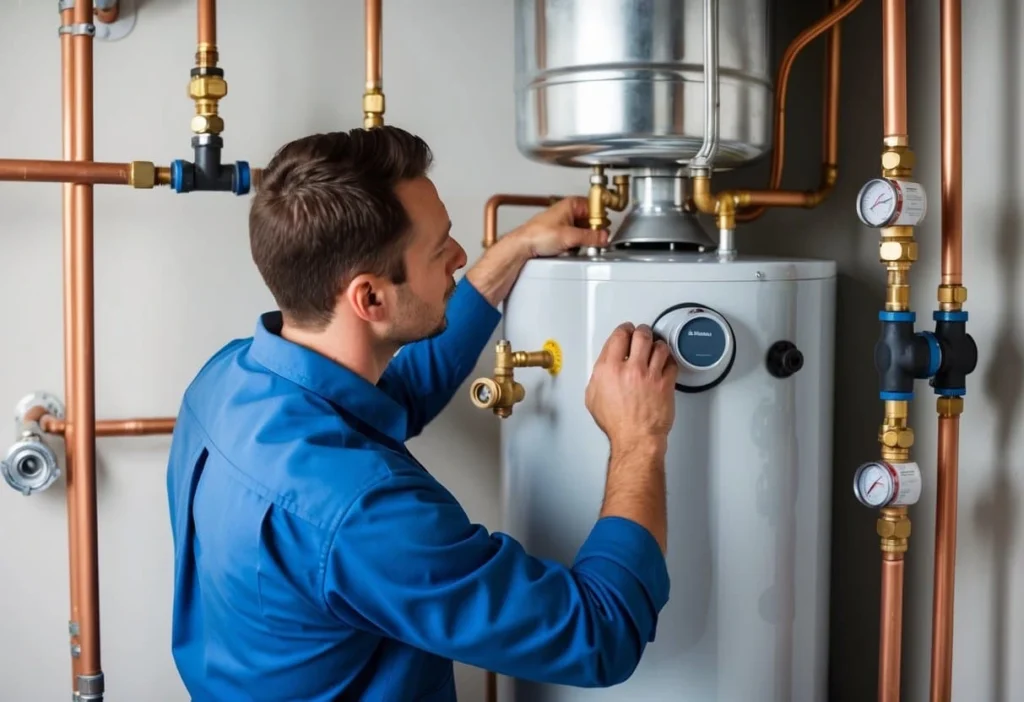
The electrical, gas, or fuel requirements are bigger too. Tankless setups might need new gas lines, and boilers often connect to building management systems. All this gear adds complexity (and cost) that household plumbing simply doesn’t have.
Maintenance, Scheduling, and Emergency Services
When plumbing fails in a commercial building, things get serious—fast. Here’s why maintenance and emergencies work very differently from a home setup:
Why Commercial Maintenance Is More Intensive
- Higher risk, higher impact: One burst pipe in a school or office can flood multiple floors and shut down operations.
- Regular scheduled checks: Commercial systems usually need inspections every 6–12 months, not “when something feels wrong.”
- Advanced tools required:
- CCTV drain inspections
- Backflow valve testing
- Thermal imaging for hidden leaks
- CCTV drain inspections
- No DIY shortcuts: While you might clear a home drain yourself, large sites rely on a full plumbing services company to handle scale safely.
- Downtime prevention: Proactive maintenance helps avoid mould, structural damage, and lost business hours.
Why Emergency Plumbing Is a Bigger Deal
- 24/7 response is essential: Plumbing doesn’t wait for business hours—and neither do commercial plumbers.
- After-hours work is common: Repairs often happen at night or on weekends to avoid disrupting staff or customers.
- Larger repair operations:
- Multiple plumbers on-site
- High-capacity pumps and equipment
- Temporary water shut-offs or bypass systems
- Multiple plumbers on-site
- More planning involved: Fixing one issue may require isolating entire sections of the building, not just tightening a joint.
In short, commercial emergency plumbing repairs demand speed, coordination, and serious equipment—far beyond a typical home call-out.
Conclusion
Commercial plumbing isn’t just a bigger version of what you have at home. It’s an entirely different system with higher pressure, heavier use, stricter rules, and far less room for error. In places like Kenmore and Pinjarra Hills, where offices, schools, cafés, and retail spaces run all day, plumbing has to perform without excuses. One small fault can affect dozens of people, not just one household.
That’s why Commercial Plumbing in Kenmore & Commercial Plumbing in Pinjarra Hills demands more planning, stronger materials, regular maintenance, and faster emergency response. From large-scale water heaters to complex drainage layouts and compliance checks, everything is designed to handle constant demand. Home plumbing can be forgiving. Commercial plumbing is not.
If you’re responsible for a commercial space, understanding these differences helps you make smarter decisions before problems appear. When plumbing is treated as essential infrastructure rather than a background system, businesses stay open, people stay safe, and costly surprises are far less likely. In the end, reliable plumbing isn’t just about water—it’s about keeping everything else running smoothly.
Frequently Asked Questions
What is the main difference between commercial and home plumbing?
Commercial plumbing serves large systems (like office blocks or malls), so it uses bigger pipes, boilers and strict codes, making it far more complex than a typical home’s plumbing.
Do I need a special plumber in Kenmore for commercial work?
Yes. Commercial jobs often require plumbers with extra qualifications and experience. Look for a licensed commercial plumber Kenmore who handles big projects safely and meets all regulations.
Why would I call leak detection specialists for a business?
Big buildings hide a lot of pipes. Leak detection specialists use cameras and sensors to find hidden leaks early. This saves money and prevents damage in a commercial system’s extensive pipe networks.
Do businesses need emergency plumbing service?
Absolutely. A burst pipe can shut down operations fast. Kenmore and Pinjarra Hills businesses often rely on 24/7 emergency plumbing repairs to fix leaks or breaks immediately, minimizing downtime.
How often should commercial plumbing be maintained?
Commercial plumbing should be checked more often than home systems – typically every 6–12 months. A professional plumbing services company will inspect drains, pumps and heaters regularly to avoid crises.