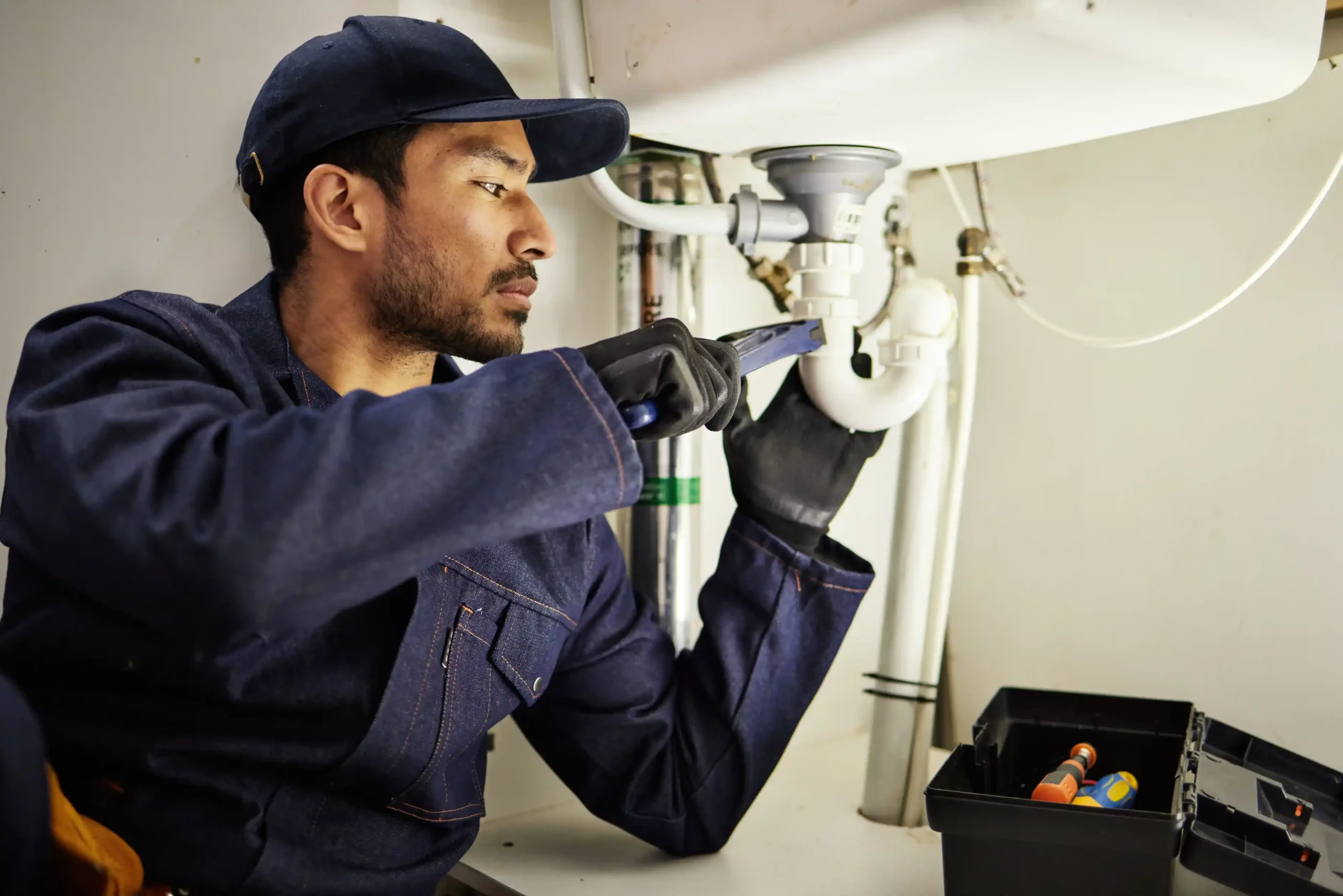
Picture this: You’re running late for work, hop in the shower, and suddenly you’re standing ankle-deep in murky water that refuses to budge. Sound familiar? If you’re nodding along, welcome to the club nobody wants to join – the “blocked bath drain survivors.”
I’ve been there, trust me. That moment when you realise your relaxing bath has turned into a mini swimming pool, complete with floating bits you’d rather not identify. But here’s the thing – clearing a blocked bath drain doesn’t require a plumbing degree or a small fortune. With the right know-how and a few household items, you’ll have that water flowing freely faster than you can say “Bunnings run.”

Why Bathroom Drains Get Blocked (And Why It’s Not Always Your Fault)
Before we dive into the nitty-gritty of how to clear a blocked bath drain, let’s talk about the usual suspects. Understanding what causes blockages helps prevent future drama – and trust me, prevention beats cure every single time.
Hair is the number one culprit. It combines with soap residue, dead skin cells, and other bathroom debris to create what I like to call “drain spaghetti” – a tangled mess that would make any Italian chef weep. But hair isn’t the only villain in this story.
Common Causes of Bath Drain Blockages:
- Hair accumulation (the big kahuna)
- Soap scum and residue buildup
- Dead skin cells and body oils
- Small objects (hello, bottle caps and razor heads)
- Mineral deposits from hard water
- Tree roots (for older Australian homes with exterior drainage issues)

The Immediate Response: What to Do When Water Won’t Drain
When you’re faced with standing water, your first instinct might be panic. Don’t. Take a deep breath and follow these initial steps:
Step 1: Safety First Remove any electrical items from the area. Water and electricity don’t play nice, and we’re not taking any chances here.
Step 2: Clear the Obvious Can you see hair or debris around the drain opening? Sometimes the solution is literally staring you in the face. Put on rubber gloves and remove what you can by hand.
Step 3: Try the Simple Solutions First Before reaching for harsh chemicals or calling a plumber, let’s start with the gentlest methods.
Method 1: The Hot Water Flush (Your First Line of Defence)
This might sound too simple to work, but boiling water can dissolve soap buildup and loosen hair clogs. It’s my go-to first attempt because it’s free, chemical-free, and surprisingly effective.
Here’s how to do it:
- Boil a large pot of water (about 2-3 litres)
- Pour it down the drain in 2-3 stages, allowing each pour to work for a few seconds
- Follow with cold water to help flush everything through
Why this works: Hot water melts soap residue and can break down organic matter. It’s particularly effective for minor blockages and regular maintenance.
Important note: Only use this method on metal pipes. If you have PVC pipes (common in newer Australian homes), stick to very hot tap water instead of boiling water to avoid damage.
Method 2: The Plunger Power Play
A good old-fashioned plunger can work wonders on bath drain blockages. But here’s the trick – you need the right technique.
Using a Plunger on Bath Drains:
- Remove the drain stopper if possible
- Create a seal around the drain with the plunger
- Block overflow holes with a wet cloth (this is crucial for effectiveness)
- Plunge vigorously with short, sharp movements
- Repeat 10-15 times before checking results
Pro tip: Cup plungers work better than flange plungers for flat drain surfaces. The key is creating that airtight seal.
Method 3: The Drain Snake Adventure
Sometimes you need to get physical with your blockage. A drain snake (or drain auger) can grab and remove stubborn clogs that other methods can’t touch.
DIY Drain Snake Options:
ToolCostEffectivenessBest ForWire coat hangerFreeModerateSurface clogs, hair removalPurpose-built drain snake$15-30HighDeep blockages, multiple usesProfessional auger$50+Very HighSevere blockages, regular use
How to use a makeshift drain snake:
- Straighten a wire coat hanger, leaving a small hook at one end
- Push it down the drain, feeling for resistance
- Twist and maneuver to grab hair and debris
- Pull up slowly, bringing the clog with you
- Repeat until clear, then flush with hot water
Method 4: The Baking Soda and Vinegar Classic
This household hero combo creates a fizzy reaction that can break down organic clogs. It’s gentler than commercial drain cleaners and won’t damage your pipes.
The perfect recipe:
- Pour 1 cup of baking soda down the drain
- Follow with 1 cup of white vinegar
- Cover the drain with a wet cloth or stopper
- Wait 30 minutes for the magic to happen
- Flush with hot water
Why it works: The chemical reaction creates pressure and bubbling action that can dislodge clogs while the alkaline baking soda helps dissolve organic matter.
When to Avoid Chemical Drain Cleaners (And Why)
Here’s where I’m going to save you from a potentially expensive mistake. Commercial drain cleaners might seem like the quick fix, but they can cause more harm than good.
Problems with Chemical Drain Cleaners:
- Pipe damage (especially to older pipes)
- Environmental concerns
- Safety risks (toxic fumes, skin burns)
- Temporary fixes that don’t address root causes
- Expensive over time
According to Gold Coast Council guidelines, harsh chemicals can damage sewer infrastructure and harm the environment. Stick to gentler, more sustainable methods.
The Professional Approach: When to Call a Plumber
Sometimes DIY just doesn’t cut it. Here are the red flags that signal it’s time to call in the cavalry:
Call a Professional When:
- Multiple drains are blocked (indicates a main line issue)
- Water backs up from other fixtures when you use the bath
- Sewage odours persist after cleaning
- DIY methods repeatedly fail
- You hear gurgling sounds from other drains
- Water drains very slowly despite your efforts
Cost expectation: In Australia, expect to pay $150-400 for professional drain cleaning, depending on the severity and your location.
Prevention: The Smart Person’s Guide to Drain Maintenance
An ounce of prevention beats a pound of cure, especially when that cure involves elbow-deep drain diving. Here’s how to keep your drains flowing freely:
Weekly Maintenance:
- Hot water flush once a week
- Remove visible hair and debris from the drain opening
- Use a drain screen to catch hair before it becomes a problem
Monthly Deep Clean:
- Baking soda and vinegar treatment
- Remove and clean the drain stopper
- Check for slow drainage and address immediately
Quarterly Check-up:
- Inspect for mineral buildup (especially in hard water areas)
- Professional maintenance if you have recurring issues
Understanding Your Australian Home’s Plumbing
Australian homes have unique characteristics that affect drain maintenance. Older homes often have cast iron or clay pipes, while newer constructions typically use PVC. This matters because:
- Cast iron pipes can rust and create rough surfaces that catch debris
- Clay pipes may have root intrusion issues
- PVC pipes are smoother but can be damaged by excessive heat
Climate considerations: Australia’s hard water in many regions means mineral buildup happens faster. Regular maintenance becomes even more critical.
The Hair Challenge: Special Techniques for Hair-Heavy Blockages
Let’s be honest – hair is usually the main villain. If you’re dealing with a household of long-haired individuals, you need specialized strategies.
Advanced Hair Removal Techniques:
The Zip-It Tool Method: These plastic strips with barbs are designed specifically for hair removal. They’re cheap, effective, and reusable.
The Dish Soap Lubrication: Add generous amounts of dish soap to help hair slide through pipes more easily during removal.
The Enzyme Treatment: Biological drain cleaners use enzymes to break down hair and organic matter without harsh chemicals.
Troubleshooting: When Your First Attempt Fails
Don’t panic if your initial efforts don’t work. Blockages can be stubborn, and sometimes it takes a combination approach.
Combination Strategy:
- Start with hot water to soften the clog
- Follow with plunging to create pressure
- Use drain snake to physically remove debris
- Finish with baking soda and vinegar to clear residue
Patience is key. Sometimes you need to repeat these steps multiple times before seeing results.
The Cost Breakdown: DIY vs Professional
Let’s talk numbers because I know you’re wondering if DIY is worth the effort:
DIY Costs:
- Basic tools: $20-50 one-time investment
- Materials per cleaning: $2-5
- Time investment: 30-60 minutes
Professional Costs:
- Standard call-out: $150-250
- Complex blockages: $300-500+
- Emergency rates: Often 50-100% higher
The verdict: DIY methods can save you hundreds of dollars annually, especially with regular maintenance.
Signs Your Drainage System Needs Attention
Beyond the obvious standing water, watch for these warning signs:
- Slow drainage even after cleaning
- Recurring blockages despite maintenance
- Unusual odours coming from drains
- Gurgling sounds when water drains
- Water backing up into other fixtures
These could indicate deeper system issues that require professional assessment.
Environmental Considerations for Australian Homes
Living sustainably means thinking about how our drain cleaning choices impact the environment. Chemical drain cleaners can harm waterways and marine life, which is particularly important for us surrounded by pristine coastlines and the Great Barrier Reef.
Eco-Friendly Alternatives:
- Enzyme-based cleaners that work with natural processes
- Manual removal methods that create no chemical waste
- Regular maintenance that prevents the need for harsh interventions
Emergency Situations: When It Can’t Wait
Sometimes drain blockages create genuine emergencies. Here’s when to act fast:
Immediate Action Required:
- Raw sewage backup
- Water damage to surrounding areas
- Multiple fixtures affected simultaneously
- Electrical hazards from standing water
Emergency tip: Know your water main shut-off location. In extreme cases, stopping the water supply prevents further damage while you arrange professional help.
Final Thoughts: Mastering Your Drain Drama
Clearing a blocked bath drain doesn’t have to be the domestic disaster it first appears. With the right approach, tools, and a bit of patience, most blockages surrender without too much fuss.
Remember the golden rules:
- Start simple and work up to complex solutions
- Safety first – always wear gloves and eye protection
- Regular maintenance prevents major problems
- Know when to call professionals
The next time you’re faced with that dreaded pool of stagnant bath water, you’ll be armed with the knowledge to tackle it head-on. And who knows? You might even enjoy the satisfaction of conquering your plumbing problems – there’s something deeply satisfying about watching that water finally spiral down the drain.
Your bathroom will thank you, your wallet will thank you, and you’ll have earned some serious adulting points. Now go forth and drain with confidence!