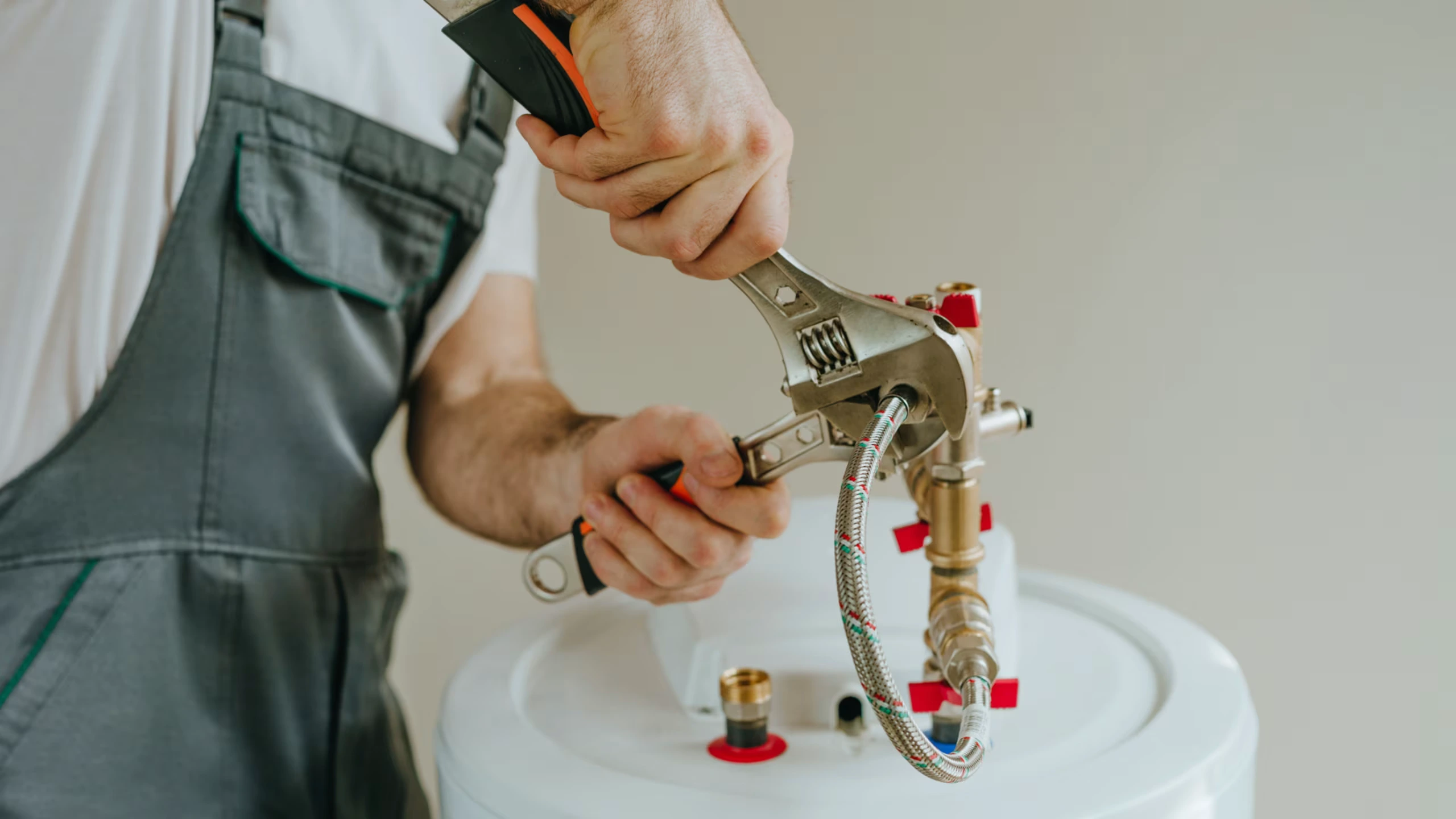
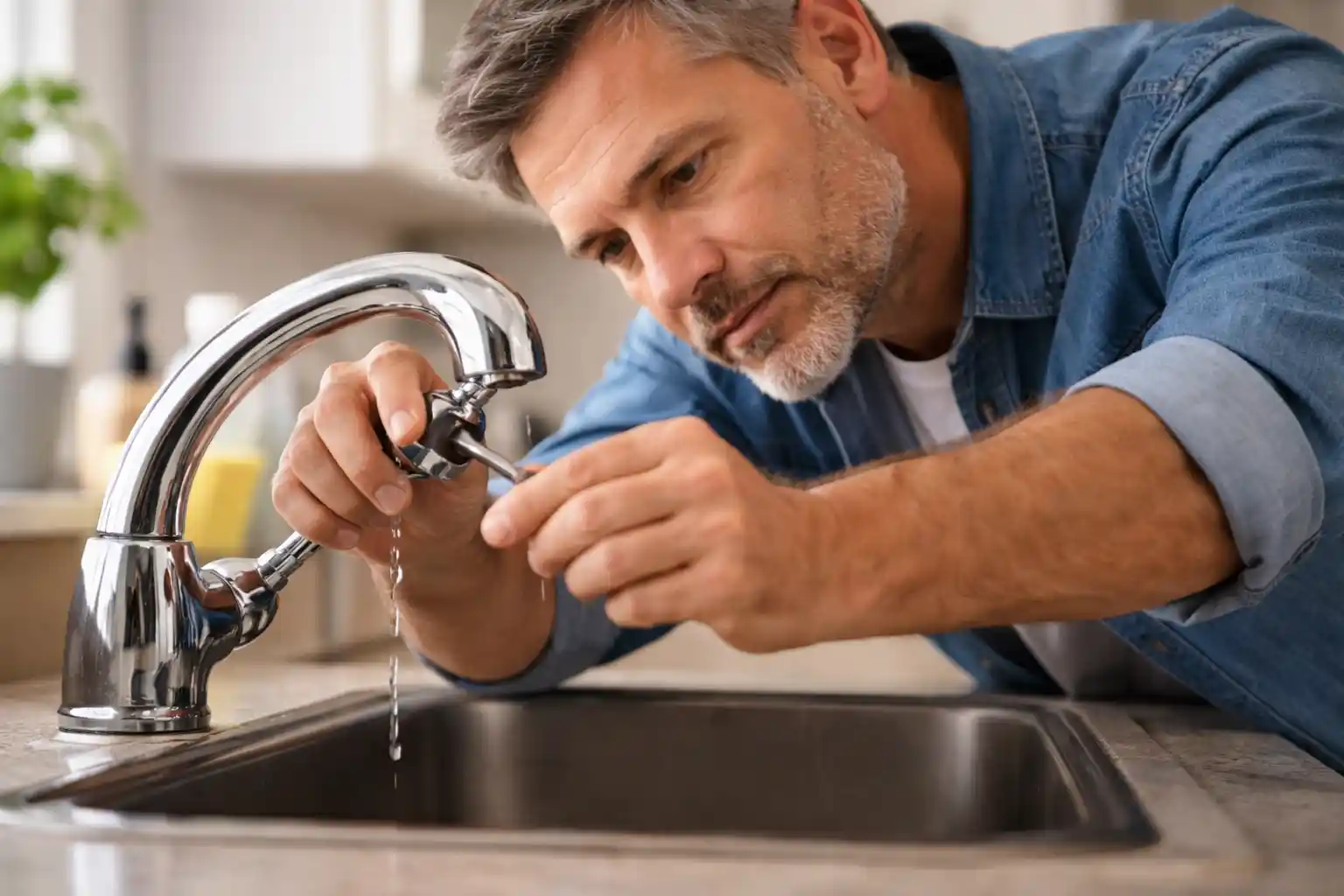
Have you ever woken up to a flooded laundry or a mysteriously high water bill? Ignoring a tiny drip or a slow clog is a bit like ignoring a whisper in a hurricane – sooner or later it becomes a full-blown disaster. In Kenmore’s subtropical climate (think heavy rains and thirsty gardens), even small plumbing problems can escalate.
The good news is that Kenmore plumbing services can save you a fortune by catching issues early. By scheduling regular inspections, fixing minor leaks, and keeping water flowing freely, your local plumbers turn potential calamities into routine maintenance. A licensed plumber is like a detective for your home’s pipes: they spot rust, corrosion or leaks that you might miss, stopping trouble before it starts.
Kenmore plumbing services offer more than just emergency fixes. Think of them as personal trainers for your pipes – they keep everything running smoothly so you avoid that dreaded 3 am panic call. For example, Queensland’s plumbing guidelines stress that “the simplest and most effective way” to keep your plumbing safe is to hire a licensed pro for any significant work. These experts know where to look: under sinks, behind toilets, around hot water units and outside taps. By learning what to check and when, you can tackle small jobs yourself (tightening a washer, resetting a valve, or reading your water meter) and leave the big stuff to the professionals.
Regular Upkeep Saves Big Bucks
Preventing disasters starts with proactive care. Simple monthly or yearly checks can sniff out problems early. For instance, turn off all taps for an hour and check your water meter at the beginning and end of that period. If the numbers change, you likely have a hidden leak.
Remember: even a single dripping tap can waste a surprising amount of water over time. According to the Queensland Government, household water leaks can waste thousands of litres of water each year if left unrepaired. Fixing small leaks early not only saves water but also prevents higher utility bills and potential property damage.
Checklist: Keep your home dry and avoid costly repairs by doing these routine tasks:
- Check for drips: Inspect taps, showers and toilets monthly. A tiny drip means a washer or seal needs replacing. Fix it early to avoid bigger leaks (and higher bills).
- Read your water meter: If your bill jumps without explanation, a concealed leak might be the culprit. Catching it early saves water and cash.
- Flush hot water systems: Every six months, run the hot tap fully and activate the temperature/pressure relief valve (TPR) to flush out minerals. Queensland guidelines even recommend a licensed service every five years for hot water units.
- Keep gutters and drains clear: Blocked gutters can back up and flood your yard. Clean leaves and debris seasonally to avoid overflow into the house.
- Use your senses: Musty smells, weird sounds or puddles in the garden after the tap is off are red flags. Don’t ignore them!
Pro Tip: Many experts agree that an annual professional plumbing inspection is invaluable. A trusted Kenmore plumbing technician can use cameras or pressure tests to find hidden issues – prevention that “can prevent costly repairs further down the line”.
By ticking off these simple jobs yourself, you drastically cut the risk of an emergency. In other words, a little preventative maintenance now means no expensive crisis later. As the Water Corporation (WA) points out, taking steps like this “can contribute to big water savings” and helps you avoid “higher water bills and damage to your property”.
Leak Detection Specialists: Your Home’s Early Warning System
Even the most careful homeowner can miss a leak hidden behind a wall or under the slab. That’s where Kenmore plumbing services bring in the high-tech guns. Leak detection specialists use acoustic sensors, thermal cameras and moisture meters to pinpoint leaks without smashing your tiles. Think of it as a medical check-up for your pipes – non-invasive and precise.
For example, acoustic leak detectors “listen” for the sound of running water, while thermal imaging spots cool patches where water escapes, and moisture meters measure dampness through walls. If a section of pipe is suspect, a plumber can isolate it with a pressure test: if the pressure drops, there’s a leak somewhere in that zone. Detecting leaks this way saves hours (or days) of wall-chopping and stops small drips from turning into ruinous floods. In fact, one expert notes that “detecting every leak early can save thousands in structural repairs”.
Spotting the Signs: Even before calling in specialists, look (and listen) for clues:
- High water bills or unexplained spikes in usage can be a silent leak indicator.
- Damp patches on walls, floors or ceilings without an obvious cause.
- Musty or mildew smells, which suggest hidden moisture.
- Constant moisture around garden spots, even when you haven’t watered.
- Running water sounds when no taps are on.
If you notice any of these, dial up your local plumbers. A “leak detection specialist” will track it down fast. And catching it early not only preserves your home – it cuts off wasted water. Remember, that slowly dripping tap or gentle stream might just be telling you something important (usually with a big bill!).
Blocked Drain Solutions: Keep Water Flowing Freely
Clogs are another sneaky wallet drainer. In an instant, a blocked sink or toilet can bring daily life to a halt (and major stress for you). Luckily, Kenmore plumbing services know exactly how to prevent and clear blockages before you even reach for the phone.
The causes of blockages are usually household culprits: hair, soap scum, grease, food scraps and the odd toy. You can help by being mindful:
- Use Strainers and Guards. Install mesh drains in sinks and showers to catch hair and debris. Clean them out regularly. It’s cheap insurance against a clogged pipe.
- Scrape, Don’t Drain. Wipe greasy pans with paper towel before washing; freeze or contain cooking oil to throw in the bin. Remember the rule: no fats, oils or grease down the sink.
- Mind What Goes Down the Toilet. Only pee, poo and toilet paper should go into the loo. Sanitary items, wipes, cotton buds, etc., belong in the bin.
- Kitchen Caution. Compost or bin coffee grounds, eggshells and veggie scraps instead of rinsing them away.
- Regular Flushes. Once a month, pour a kettle of hot (not boiling) water down each drain, or use a safe mix of baking soda and vinegar. This helps dissolve minor soap and grease buildup naturally.
- Watch the Trees. Kenmore’s greenery is lovely, but tree roots will invade sewer pipes. Plant trees at least 3 metres from sewer lines to avoid root intrusion. If you suspect roots, plumbers can install barriers or use relining to fix early before the pipes burst.
FYI: Professionally, plumbers might also use CCTV cameras to inspect drains or hydrojet flushers to clear pipes. Having a relationship with a trusted Kenmore plumbing service ensures that when (not if) stubborn clogs occur, help is prompt and effective.
In short, prevention is key. As one guide puts it, regular maintenance not only prevents clogs but extends the life of your plumbing system by reducing stress on pipes. A few good habits – and occasional check-ups – mean fewer crises, fewer chemical cleaners, and no surprise floods from down under.
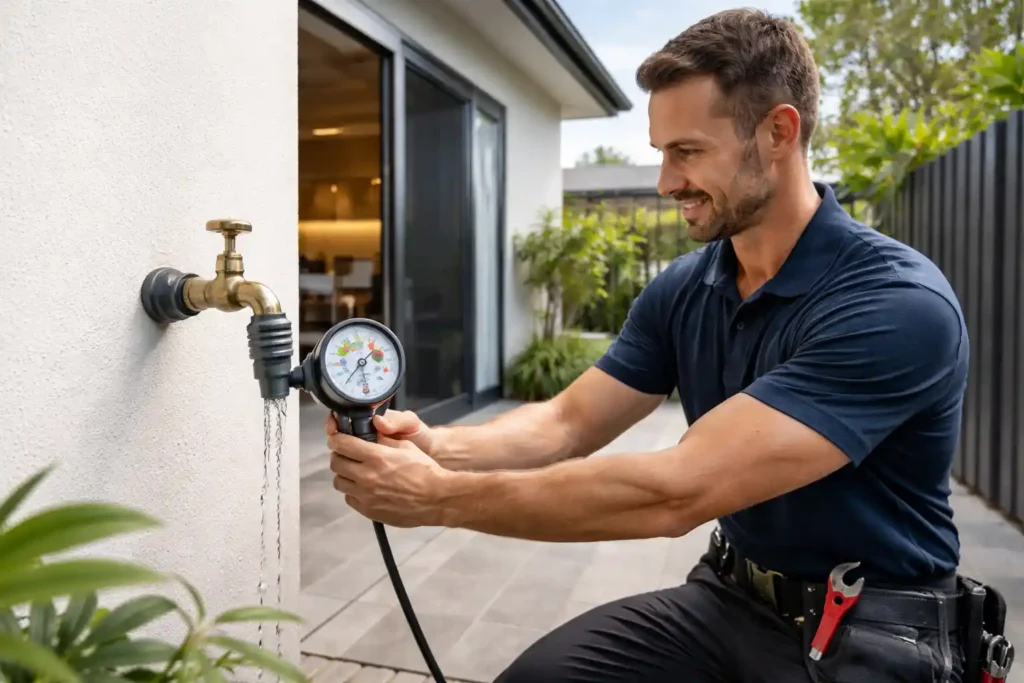
Kenmore Plumbing Services residential plumbing inspection in Kenmore.
Water Pressure Adjustment: Fine-Tuning the Flow
Believe it or not, your water pressure (the unseen force behind every tap and shower) can make or break your plumbing. Too high, and pipes and fixtures get hammered; too low, and appliances struggle. For Kenmore homes, keeping pressure in a safe range is part of the service that professional plumbers offer.
Most experts say a comfortable household pressure is around 40–60 PSI. Above that (especially over 80 PSI), the pipes “vibrate or make loud hammering noises,” seals blow, and leaks quickly appear at joints. Imagine trying to drink from an over-pressured fire hose – your pipes feel that stress 24/7. On the other hand, pressure below 40 PSI will leave you with a dribble in the shower and reluctantly waiting for the toilet to fill.
A licensed Kenmore plumber can test your pressure and install or adjust a pressure-reducing valve (PRV) at the meter. This dial or valve ensures the pressure stays in the sweet spot, protecting taps, toilets and your hot water system. In fact, plumbing codes explicitly warn that unchecked high pressure is “considered too high” and can lead to bursts. By tuning the pressure, your pipes live longer and you dodge leaks that would otherwise show up suddenly and costly.
Quick Tips for Pressure:
- You can buy a simple gauge to check static pressure yourself (run no water and read the gauge at a tap).
- If you notice banging pipes or frequent drips, call the pros – they might install a PRV and stop those phantom drips and skyrocketing bills.
- Remember, sometimes the local mains (especially after hydrant use or firefighting) can spike pressure; a properly set PRV smooths out those surges.
Residential Plumbing & Professional Check-Ups
Behind every Kenmore kitchen sink, bathroom and laundry are miles of pipes that we mostly take for granted – until something goes wrong. Residential plumbing includes not just taps and sinks, but sewer drains, irrigation, roof gutters and gas lines too. To keep them all in harmony, a combination of DIY vigilance and professional service is ideal.
Here’s a quick maintenance table to guide you:
| Task | How Often | Why It Matters |
|---|---|---|
| Check for leaks (visible/drips) | Monthly | Catch leaks early – even a slow drip wastes water. |
| Read your water meter | Monthly | Spot concealed leaks when no water is used. |
| Flush hot water TPR valve | Every 6 months | Releases pressure, clears minerals and ensures safety. |
| Clean drains (hot water/vinegar) | Monthly | Prevent grease and soap buildup. |
| Inspect gutters/outdoor drains | Twice a year | Keep rainwater flowing, prevent overflow damage. |
| Test/adjust water pressure | Yearly | Maintain 40–60 PSI to protect pipes. |
| Professional inspection | Yearly | Licensed plumbers catch hidden issues, preventing major repairs. |
Each item above is a chance to save – a stitch in time. For example, flushing your hot water system and activating the TPR (temperature-pressure relief) valve every few months helps release built-up minerals and pressure. Over five years, that plumber’s service might extend your heater’s life significantly. And if your meter test or pressure gauge ever raises alarms, you know exactly who to call.
Kenmore plumbing services can handle the heavy lifting. They’ll peer into drains with cameras, test pressures with gauges, and even service appliances (like your water heater, washing machine hoses or irrigation system) that you’d rather not touch. Bottom line: regular check-ups and maintenance with professionals mean your home’s plumbing is always in check and you’ll avoid that giant repair bill.
Avoiding Emergency Repairs
Emergency plumbing can be frightening – and expensive. As one industry guide notes, after-hours or weekend call-outs often cost much more. It’s like paying double just for the privilege of someone fixing it late! For example, plumbers typically charge a base fee during business hours, but that fee can easily double at night or on public holidays. Suddenly a $100 tap repair during the day might be $250 at midnight.
The smartest (and most budget-friendly) strategy is to never let it get that far. By doing regular maintenance and catching leaks early, you often avoid the dreaded 24/7 emergency trip fee. That way, Kenmore plumbing services become a routine part of your home care, not a panic-driven expense.
However, if the worst happens – a burst pipe, gas leak or major overflow – you’ll be grateful to have a local plumber you trust. Kenmore plumbers typically offer 24/7 emergency response for residents. Just remember that even in a crisis, quick fixes (like shutting off the main valve) and calling a licensed expert will limit damage and cost.
Conclusion and Call-to-Action
To sum up, the key to avoiding costly repairs is staying one step ahead. With regular care from experienced Kenmore plumbing services – listening for leaks, unclogging drains, and checking pressure – you transform surprise disasters into routine maintenance. Your pipes will thank you (and so will your wallet!).
So, before the next drop turns into a deluge, take action: read your meter, install strainers, or better yet book in a plumbing tune-up. Share these tips with your neighbours – a community that watches its plumbing saves together. And remember: when a leak is making itself known, calling a professional plumber early means fixes that are faster, safer and cheaper.
Ready to save on plumbing? Pick up the phone or email your local Kenmore plumbing experts today to schedule an inspection. Don’t wait for a flood – prevent it.
FAQs
How often should I get my plumbing checked?
It’s wise to schedule a yearly inspection with Kenmore Plumbing Services. You can also do monthly DIY checks like watching your water meter and looking for visible leaks.
What are common signs of a hidden leak?
Watch for sudden spikes in water bills, damp spots on walls or floors, musty smells, or the sound of running water when taps are off. Kenmore Plumbing Services can help detect hidden leaks early.
How do I prevent clogged drains?
Use drain strainers to catch hair and food scraps. Avoid pouring grease or coffee grounds down the sink and flush drains monthly with hot water or baking soda and vinegar.
Why is water pressure adjustment important?
Keeping water pressure between 40–60 PSI protects pipes and appliances. If pressure is too high or too low, Kenmore Plumbing Services can adjust it to prevent leaks and damage.
When should I call a plumber for an emergency?
Call immediately for burst pipes, sewage backups, or gas leaks. Smaller issues like slow leaks or minor clogs are cheaper to fix early during normal service hours.