You’re standing at the sink, water pooling around your toes, and you mutter the two dreaded words: Blocked Drain. It’s such a common household headache, especially here in Kenmore and greater Brisbane, where grease, soap and even tree roots can sneak into pipes. Left unchecked, a blocked drain can mean bad smells, slow drainage, or even flooding in your home. Fortunately, many drain woes have quick fixes you can try before calling in reinforcements. In this article, I’m going to share some simple drain solutions and prevention tips that anyone can use.
If you’ve ever lived in Kenmore, you’ll know our mix of leafy backyards, stormy summers, and older homes creates the perfect recipe for drain dramas. One minute you’re rinsing dishes or enjoying a shower, the next you’re ankle-deep in murky water wondering what went wrong. It’s not just inconvenient – a blocked drain can quickly snowball into costly repairs or even health hazards if left too long. The good news? With a bit of know-how (and some everyday household tools), you can often tackle the problem yourself and keep those pipes clear without waiting hours for a plumber.
Why Do Drains Get Blocked?
Drains can clog for lots of reasons, but the culprit usually boils down to things going down the pipes they shouldn’t. Common offenders are food scraps, cooking grease, soap scum and clumps of hair. Ever seen a slimy hairball peel out of a shower drain or a glug of congealed fat from the kitchen sink? That’s exactly how blockages start. Kids (or pets!) can even toss small toys or wipes in the toilet, causing mischief in the pipes.
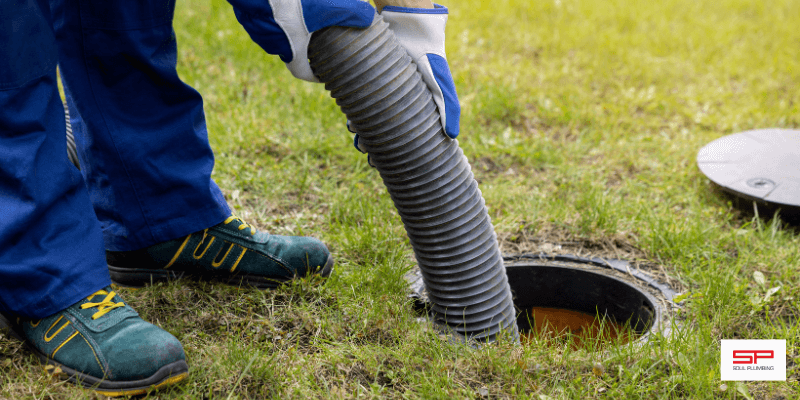
In Kenmore’s leafy streets, fallen leaves, garden dirt and other outdoor debris can wash into your drains or downpipes after a storm, leading to blockages. Over time, even sand and grit from heavy rains can pile up in yard drains.
Sometimes the issue runs deeper. Roots from gum trees can wedge into aging underground pipes and grab debris as they grow. Hard-water minerals may also coat the insides of pipes, shrinking the passage and making clogs more likely. Essentially, a buildup of anything unwanted will choke your drains.
Signs of a Blocked Drain
Often drains send warning signs before disaster strikes. Watch out for:
- Slow draining: Water takes ages to clear from sinks, tubs or the laundry tub.
- Gurgling noises: Strange gurgles or burbles after flushing or running water, as trapped air tries to escape around a clog.
- Unpleasant odors: A persistent sewage-like smell (even with traps in place) means decomposing gunk is stuck somewhere.
- Water backing up: If toilet water bubbles into the shower, or kitchen sink water rises when you flush the loo, you likely have a main-line blockage.
- Overflow or puddles: Toilets that rise to the brim, outdoor drains that overflow during rain, or unexplained soggy patches in the yard all scream “blocked pipe”.
If you see any of these, it’s time to act fast.
Quick Fixes for a Blocked Drain
When a drain starts misbehaving, try these DIY tricks first. They’re easy and often fix minor clogs without needing a pro:
- Hot Water Flush: Boil a kettle (or use the hottest tap water) and pour it slowly down the drain. Hot water can dissolve grease, oils and soap scum that are blocking the pipes. (Tip: If you have PVC pipes, don’t use boiling water – just very hot tap water to avoid warping plastic.) A weekly hot-water rinse can help prevent slow grease buildups too.
- Baking Soda & Vinegar: This classic fizzy combo can clear light clogs. Pour about half a cup of baking soda down the drain, then add half a cup of white vinegar. You’ll see bubbles – that fizz helps loosen gunk. After 30 minutes or so, flush with hot water to wash the debris away. It’s safe, eco-friendly and works well for kitchen or bathroom sinks.
- Plunger to the Rescue: Believe it or not, the humble plunger is a top-tier weapon against clogs. Make sure there’s enough water to cover the rubber cup, seal the drain opening, and plunge vigorously for 20–30 seconds. The suction and pressure can dislodge minor blockages. You might even hear that satisfying gurgle as it clears.
- Grab the Drain Snake: For tougher clogs (hair in a shower or debris in a laundry tub), a hand-crank drain snake or a bent wire coat hanger can be a lifesaver. Feed the hooked end into the drain and twist to snag hair or muck. Pull out what you catch and repeat until the water flows. (Plumber’s snakes go deeper, but you can usually handle surface clogs yourself.)
- Dish Soap Hack: Oddly enough, a squirt of dishwashing liquid helps break down greasy clogs. After pouring hot water, add a generous squirt of soap and then more hot water. The soap acts like a surfactant, cutting grease so it rinses away more easily.
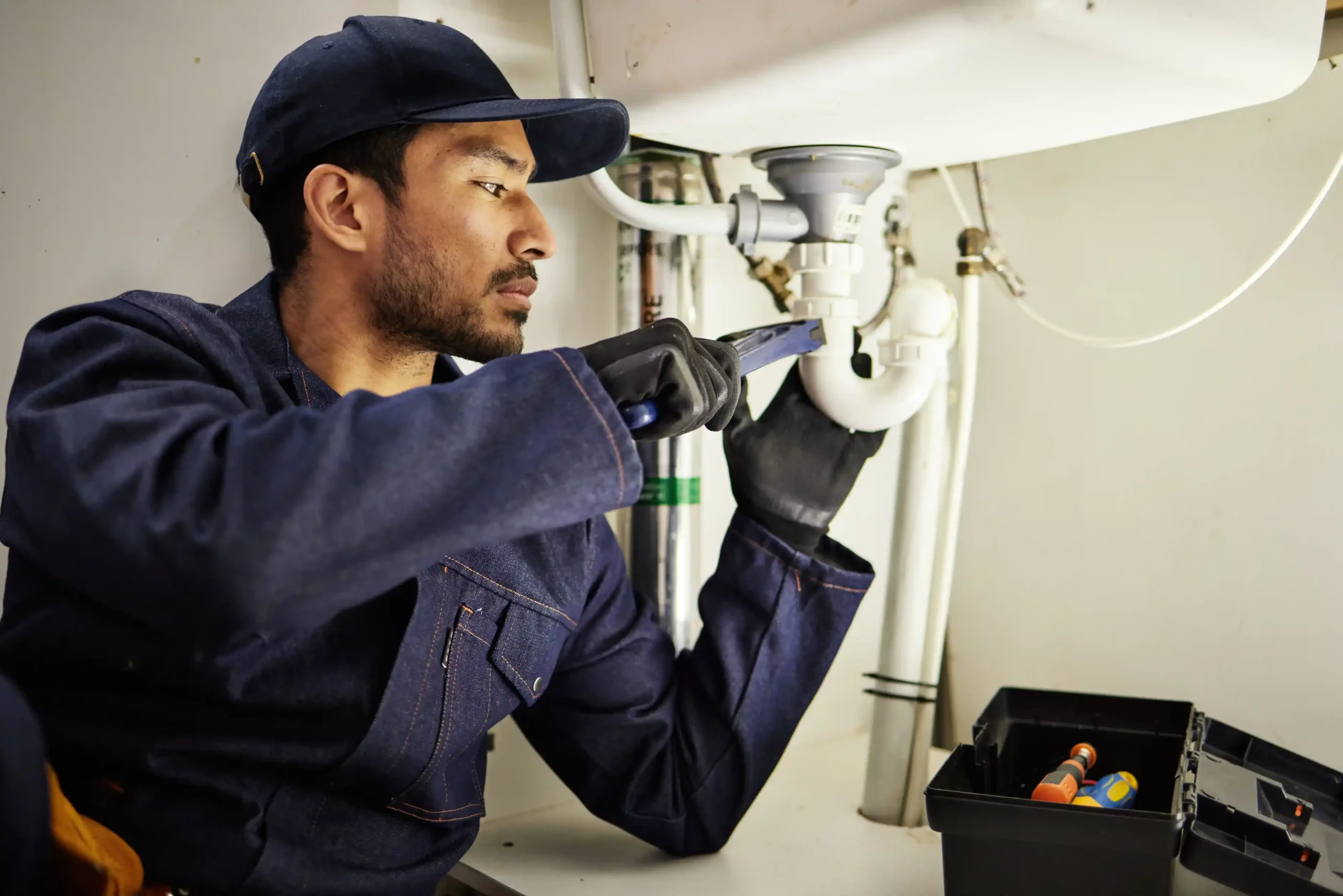
- Clean the P-Trap: If nothing’s budged yet, a clog might be trapped in the P-trap (the U-shaped pipe under sinks). Put a bucket underneath, carefully unscrew the slip nuts, and remove the trap. It often holds hair and gunk. Clean it out thoroughly and reassemble – just watch out for the stinky water that comes out!
Safety first: Store-bought chemical drain cleaners can sometimes work, but they’re caustic. They often contain lye or strong acids that can eat through pipes, weaken joints, or harm your skin and eyes. Use them only as a very last resort, and always follow the label instructions (wear gloves and ventilate the room). It’s usually better to try mechanical methods first.
When to Call the Professionals
Sometimes, even after all your DIY heroics, a blocked drain still refuses to budge. Don’t let a stubborn clog waste your day. If you’ve tried plunging, snaking and the vinegar trick and the water won’t clear, it’s time for a licensed plumber. Especially call an expert if:
- Clogs keep coming back. A recurring drain issue often hints at a deeper problem (like tree roots or a damaged pipe).
- Multiple fixtures are blocked. If the kitchen sink, laundry tub and shower are all gurgling or slow, the blockage is likely in a main line. (That’s way beyond a DIY fix.)
- Foul sewage odors persist. This can signal a big clog or a sewer leak.
- You see water leaking under the house or yard. That could be a burst or collapsed drainpipe.
- You’ve tried everything and it’s still blocked. Pouring harsh chemicals or overusing tools can make things worse and even require pipe replacement.
Professional plumbers have powerful tools like CCTV drain cameras (to see exactly what’s wrong), hydro-jet machines (to blast away tough blockages), and electric drain augers. They know all the tricks and can even excavate and replace damaged pipes if needed. Plus, Australian law requires a licensed plumber for major drain work. So if you suspect any serious issue, hanging up the plunger and calling a pro is often the smartest move.
Proven Prevention Tips for Blocked Drains
The best fix is always to stop clogs before they start. Here are some easy habits to lock down:
- Use Sink Strainers: Mesh drain covers in sinks and showers catch hair, food scraps and debris. Empty them into the bin regularly. A little clog on a strainer is way easier to clean out than a full pipe blockage.
- Observe the 3 Ps: Only flush Pee, Poo and Toilet Paper. Everything else – wipes, tampons, cotton buds, tissues, nappies – belongs in the rubbish bin. The Gold Coast City Council explicitly reminds homeowners that only water, sewage and paper should go down toilets.
- Be Grease-Wise: Never pour cooking oil, fats or grease down the kitchen sink. Let oils cool and solidify, then scoop them into the bin. Even a small amount of grease builds up into a big blockage over time.
- Weekly Hot Water Flush: Each week or so, boil a kettle and pour the hot water down the kitchen sink drain. This helps dissolve slow-forming fat deposits and soap scum. (If your pipes are PVC, just use very hot tap water to be safe.)
- Monthly Baking Soda Cleanse: For an extra treat-yourself flush, pour half a cup of baking soda and half a cup of vinegar down the drain, let it fizz for 10–15 minutes, then rinse with hot water. It’s an eco-friendly way to keep grime from settling and odors at bay.
- Mind the Landscaping: Trim large trees and shrubs away from sewer lines. Tree roots are always on the hunt for water and can invade pipes. If roots are a concern, you might schedule a professional root-cutting service every few years.
- Schedule a Check-Up: Even if your drains seem fine, consider an annual drain health check. A quick professional inspection or jetting of main sewer lines can catch issues early. As industry experts note, regular maintenance saves you money and headaches down the track.
Stick with these simple habits, and you’ll have far fewer headaches from a blocked drain in the future.
| Method | DIY Tactic | Pro Service |
|---|---|---|
| Hot water flush | Boil kettle, pour weekly | – |
| Baking soda + vinegar | Fizz loose minor clogs | – |
| Plunger | Cover drain, plunge | – |
| Hand drain snake | Twist out hair/debris | Pro snake machine digs deep |
| Chemical cleaners | Last resort (risk pipes) | – |
| CCTV Inspection | – | Locate hidden clogs |
| Hydro-jet | – | High-pressure cleaning |
| Pipe relining | – | Re-line damaged pipes |
| Excavation | – | Replace collapsed pipes |
The table above highlights the DIY tactics you can try yourself versus the heavy-duty tools a plumber brings in when needed.
Conclusion
Dealing with a blocked drain doesn’t have to derail your day. Often, a little elbow grease with common tools – a plunger, some boiling water, baking soda – can clear things up fast. By paying attention to what goes into your pipes and doing some routine maintenance, you’ll cut down on those unwelcome clogs. If a clog ever gets out of hand (smelly backups, water everywhere, recurring problems), remember it’s okay to call in a pro before things get really bad.
Keep your drains happy, and they’ll keep the water flowing free. A small habit change today means no messy disaster tomorrow. You’ve got this – now give your drains some TLC!
Frequently Asked Questions
What usually causes a blocked drain?
Blocked drains often happen from things like hair, grease, food scraps, and wet wipes getting stuck in pipes. Over time these build up and slow the flow.
How can I try to unblock a drain myself?
First, try pouring boiling water and a bit of dish soap down the drain. Then use a plunger. Baking soda + vinegar or a hand drain snake can also help pull out small clogs.
Are chemical drain cleaners safe to use?
Chemical cleaners can sometimes work, but they may also corrode your pipes or harm the environment. Use them sparingly and as a last resort.
What items should never go down the drain or toilet?
Avoid flushing anything but toilet paper. Don’t pour cooking oil, fats, coffee grounds, nappies, wipes, or hair down drains. Use bins or compost for those instead.
When is it time to call a plumber for a blocked drain?
If a drain repeatedly clogs, multiple fixtures back up, or foul sewage smells appear, call a licensed plumber. Severe blockages often require professional equipment to fix.