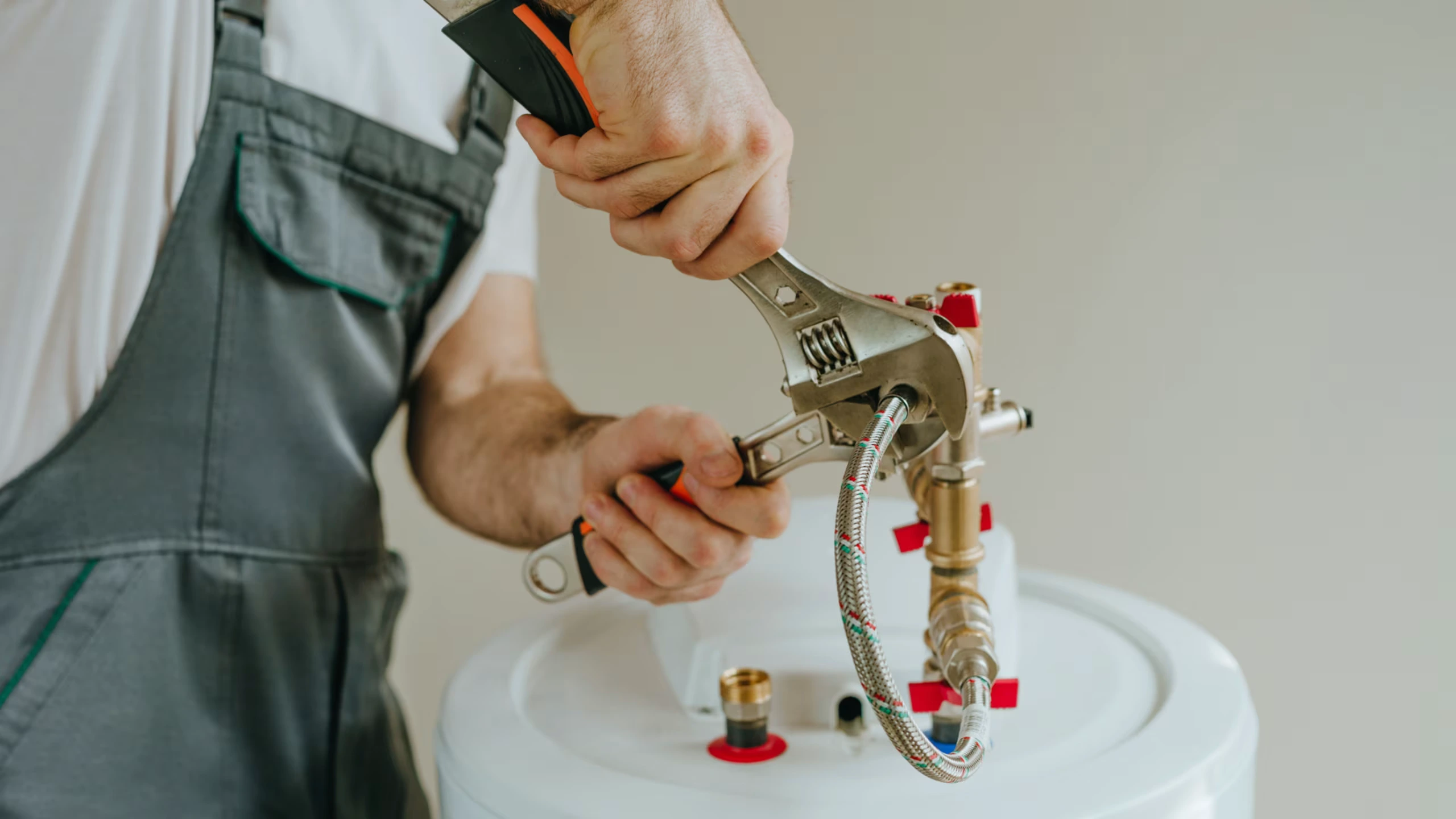
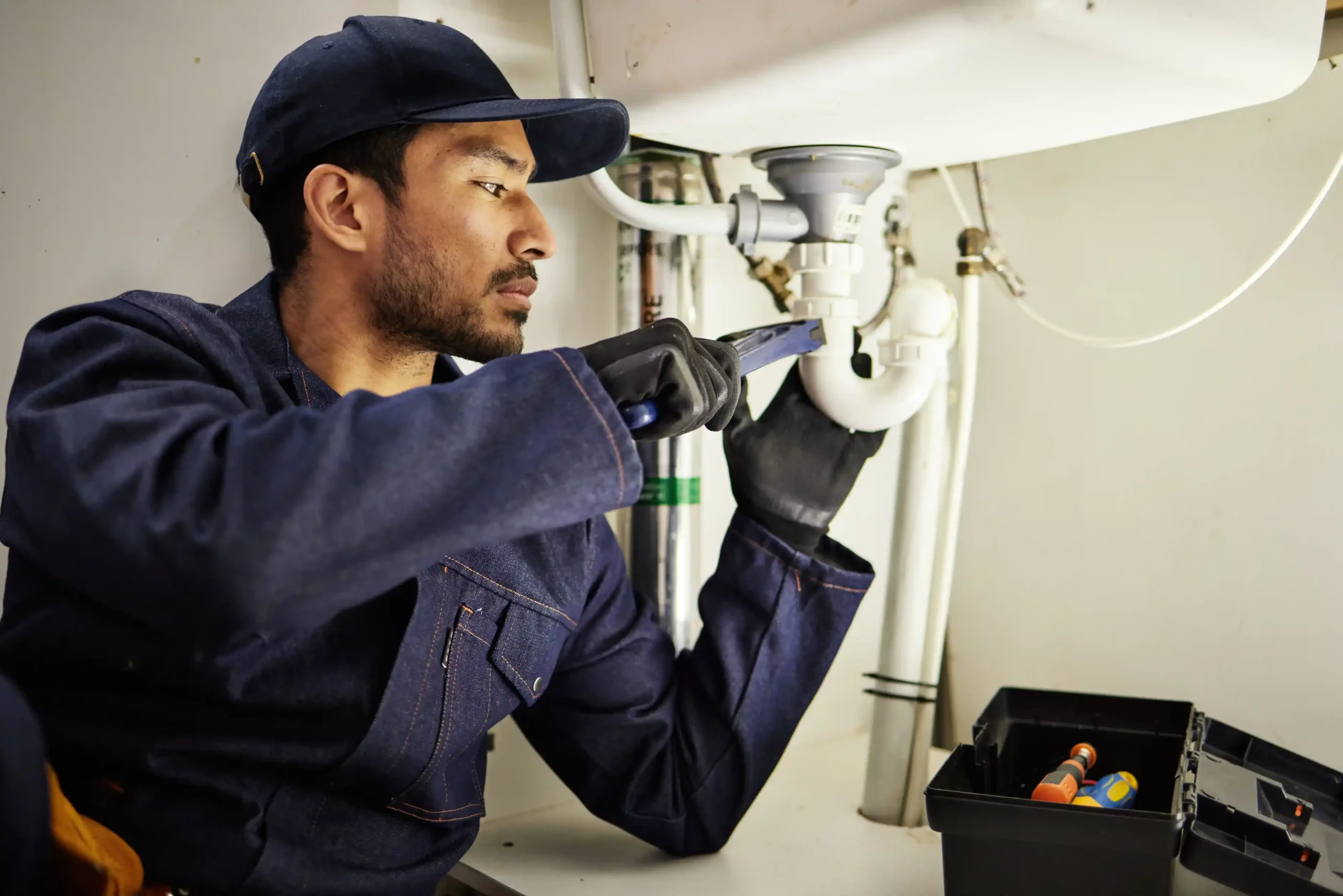
Ever wondered what’s really in your tap water, even here in sunny Australia? We love our crisp, clean air and stunning beaches, so why settle for anything less when it comes to what we drink and bathe in? Imagine pure sips, spa-like showers, and appliances that live longer, happier lives. That’s the magic of a top-notch water filtration system installation, and it’s a savvy lifestyle upgrade for any young professional in Kenmore, QLD, or Pinjarra Hills, WA.
We’re talking about more than just drinking water; it’s about elevating your entire home experience. From significantly reducing plastic waste (goodbye, endless bottled water deliveries!) to safeguarding your family’s health, a solid water filtration system installation is quickly becoming the must-have home improvement. It’s an investment in your well-being, your wallet, and our beautiful planet. I’m here to guide you through everything you need to know, from understanding your local water quality to mastering the art of water filtration system installation, whether you’re a DIY dabbler or prefer to call in the pros. Let’s dive in!
Understanding Your Water & Filtration Options
Before you even think about a water filtration system installation, it’s smart to understand what you’re filtering. You need the right filter for your specific water.
What’s Flowing in Your Pipes? A Local Lowdown on Kenmore & Pinjarra Hills Water Quality
Australia has the National Health and Medical Research Council (NHMRC) Australian Drinking Water Guidelines (ADWG), a robust framework for managing drinking water supplies to assure safety. While these national guidelines set a fantastic benchmark, their implementation is at the discretion of each state and territory, meaning local water quality can vary. Understanding your local utility’s reports is crucial for informed decisions about your water filtration system installation.
- Kenmore, QLD (Brisbane)
If you’re in Kenmore, your water is managed by Urban Utilities. They are committed to delivering drinking water that meets the ADWG and complies with the Public Health Act 2005 regulations. They regularly test water and are even enhancing treatment processes at their Mount Crosby and North Pine water treatment plants, with improvements expected in the second half of 2025.
However, common water quality issues in Brisbane can include discoloured water (due to iron, manganese, or pipe corrosion) , and taste and odour issues (from organic matter, algae, chlorine, or trace elements). Brisbane’s water is generally ‘hard’ to ‘moderately hard,’ with calcium and magnesium levels around 100 mg/L. This hardness can lead to scale buildup in appliances, impacting their lifespan and energy efficiency. Milky or cloudy water, usually caused by fine air bubbles from maintenance, is also common. While generally safe, these aesthetic issues highlight how a good
- Pinjarra Hills, WA (Perth)
Over in Pinjarra Hills, your water is supplied by Water Corporation, consistently meeting health standards set by the Department of Health (DoH) and the Australian Drinking Water Guidelines. They conduct extensive monitoring, taking over 74,500 samples annually. Perth’s water supply is diverse, drawing from desalinated seawater (36%), surface water (18.7%), groundwater (44.6%), and groundwater replenishment (0.7%).
Perth’s water is typically “moderately hard,” with calcium and magnesium levels ranging from 75-200 mg/L. This can cause scale buildup in appliances, reduced soap effectiveness, and even drier skin and hair. Sediment, chlorine, and fluoride are also common parameters. Water Corporation reports that the majority of customer contacts regarding water quality concern discoloured water (65.1%), taste and odour (5.9%), and white water (5.9%). This strong demand for
water filtration system installation specifically targets sediment and turbidity, even if the water is technically safe to drink. PFAS is also monitored and compliant with new draft guidelines.
Your Perfect Pour: Decoding Water Filtration System Types
Choosing the right water filtration system is like picking the perfect outfit – it needs to fit your needs, your lifestyle, and your budget. Let’s break down the main players.
- Whole House Water Filters
These systems are installed where your main water line enters your home, treating all water before it reaches any of your faucets or appliances. You get comprehensive protection for drinking, cooking, bathing, and laundry. They extend the lifespan of your appliances by preventing scale build-up and corrosion, common with hard water in Brisbane and Perth. They also reduce the harsh effects of chlorine on your skin and hair, and eliminate bad tastes and odours from every faucet. This “whole house” approach provides multi-barrier protection for your entire home’s infrastructure, a smart, long-term financial move.
Types include single, twin, or multi-filter systems, often incorporating carbon filtration for chlorine and organic chemicals, and sediment filters for dirt, silt, and rust. Some integrate UV treatment for microorganisms or domestic water softening systems for hard water minerals.
- Under-Sink Water Filters
These are targeted purity powerhouses, perfect for your sips and culinary creations. Installed directly beneath your kitchen sink, they deliver filtered water right from a dedicated tap. The convenience is unmatched: on-demand filtered water for drinking and cooking. They’re highly effective at removing contaminants like lead, chlorine, pesticides, and heavy metals. This leads to noticeably enhanced taste and odour in your drinking water, tea, coffee, and cooking. Plus, they’re a cost-effective and environmentally friendly alternative to bottled water, significantly reducing plastic waste.
Under-sink systems often use multi-stage filtration, combining sediment filters, activated carbon blocks, and sometimes reverse osmosis membranes or UV lights. Quick-change filters are also popular.
- Reverse Osmosis (RO) Systems
For the pinnacle of purification, RO systems force water through a semi-permeable membrane that meticulously filters out dissolved contaminants like salts, minerals, metals, nitrates, and pharmaceuticals. Benefits are exceptional: unparalleled purity (up to 99% impurity removal) , dramatically improved taste and odour , and reduced risk of waterborne diseases by removing bacteria and viruses. It’s also better for cooking and beverages. Environmentally, it’s a big win, reducing single-use plastic water bottles.
A heads-up: RO systems typically waste 2-3 gallons of water for every purified gallon. For environmentally conscious Australians, this is a factor to weigh.
- UV Water Filters
UV water filters offer a chemical-free way to purify your water by using ultraviolet light to neutralise harmful microorganisms, damaging their DNA and preventing reproduction. These systems are incredibly effective, eradicating 99.9% of waterborne illness-causing pathogens like bacteria, viruses, parasites, and cysts. No chemicals mean no unpleasant tastes or odours. They’re also environmentally sustainable, not using mercury and having lower energy consumption. Once installed, UV systems provide continuous disinfection with minimal ongoing maintenance and no ongoing chemical costs.
- Carbon Filters
These are the unsung heroes, the taste and odour champions. Activated carbon filters use porous charcoal to adsorb organic molecules, trapping them in their pores. They are highly effective at removing chlorine, often the culprit behind unpleasant taste and smell. They also excel at removing iron, manganese, hydrogen sulphide, and other objectionable tastes and odours. Some advanced carbon filters can even remove lead (with a 0.2 Micron filter) and parasitic cysts like giardia and cryptosporidium. Catalytic carbon (CC) is a modified carbon that boosts its ability to break down chloramines, volatile organic compounds (VOCs), and carcinogenic trihalomethanes (THMs).
Here’s a handy comparison to help you weigh your options:
Table 1: Water Filtration System Comparison for Australian Homes
| Filter Type | Primary Contaminants Removed | Key Benefits | Typical Installation Point | Estimated System Cost Range (AUD) |
|---|---|---|---|---|
| Whole House | Sediment, Chlorine, Heavy Metals, Microorganisms, Hardness | Comprehensive protection for all taps & appliances, extends appliance lifespan, softer skin/hair, eliminates bad taste/odour throughout home. | Main water line entry | $1,000 – $12,500 |
| Under-Sink | Chlorine, Lead, Pesticides, Heavy Metals, VOCs, THMs | Convenient on-demand filtered water for drinking/cooking, enhanced taste/odour, eco-friendly (reduces bottled water waste), less plastic waste. | Under kitchen sink | $100 – $900 |
| Reverse Osmosis (RO) | Dissolved solids, Salts, Minerals, Metals, Nitrates, Bacteria, Viruses | Exceptional purity (up to 99% removal), superior taste, health benefits (reduces waterborne diseases), better for cooking, environmentally friendly (reduces plastic bottles), cost-effective long-term. | Under kitchen sink (dedicated tap) | $500 – $12,500 |
| UV Treatment | Bacteria, Viruses, Parasites, Cysts | Chemical-free disinfection, highly effective against pathogens, no added taste/odour, environmentally sustainable, continuous disinfection, low maintenance, long-term cost savings. | Whole house or point-of-use | Up to $2,300 (unit) |
| Carbon Filtration | Chlorine, Taste, Odour, Sediment, Iron, Manganese, VOCs, THMs, Chloramines | Improves water aesthetics (taste, smell, clarity), removes common chemicals, can target specific hard-to-remove contaminants (catalytic carbon). Often integrated into other systems. | Whole house or under-sink | (Integrated into other systems) |
| Water Softener | Calcium, Magnesium (hardness minerals) | Prevents scale buildup in pipes & appliances, extends appliance lifespan, reduces energy consumption for hot water, softer skin/hair, less soap needed for cleaning. | Main water line entry | Up to $3,900 (unit) |

Getting Your Hands Wet: The Water Filtration System Installation Journey
Alright, let’s talk about getting this brilliant piece of kit into your home. This is where the rubber meets the road, or rather, where the pipes meet the filter!
DIY or Call the Cavalry? Navigating Your Installation Path
“Can I do this myself, or should I call in the pros?” When it comes to water filtration system installation, it depends on the system and your comfort level with a wrench!
When You Can DIY
Replacing filter cartridges is often a straightforward process you can tackle yourself. In Queensland and Western Australia, replacing a domestic water filter cartridge is “unregulated work” or “minor work,” meaning a licensed plumber isn’t required . Many under-sink units are designed for homeowner-friendly DIY
When to Absolutely Call a Pro
Whole-house water filters are a different beast. These complex systems require professional water filtration system installation for correct and safe setup . Connecting to the main water supply line must be completed by a Qualified Plumber in Australia. This is often a legal requirement in Queensland and Western Australia .
Professional installation ensures compliance with plumbing codes (like AS/NZS 3500) and protects your warranty and insurance. A DIY job gone wrong could lead to major water damage not covered by insurance . Professionals avoid costly mistakes like leaks or damage to existing plumbing. The initial setup of a whole-house system, or some under-sink systems that tap into the main cold water line, absolutely necessitates a professional. This distinction is vital for avoiding legal issues, voiding warranties, and preventing plumbing disasters. Components like a Pressure Limiting Valve (PLV) and anti-water hammer devices are crucial for safe, long-term operation, underscoring why professional expertise for whole-house systems is so important.
Tools of the Trade: What You’ll Need for Your Water Filtration System Installation
If you’re tackling a DIY water filtration system installation, having the right tools is half the battle.
Table 2: Essential Tools for Water Filter Installation
| Tool | Purpose/Use | Applicability |
|---|---|---|
| Adjustable Wrench/Pliers | Loosening and tightening nuts and fittings. | Both Under-Sink & Whole House |
| Screwdrivers (Slotted & Phillips) | Securing mounting brackets and other components. | Both Under-Sink & Whole House |
| Pipe Cutter / Hacksaw | Making clean, straight cuts on main water lines. | Whole House |
| Tubing Cutter / Razor Knife | Cutting filtration tubing neatly and squarely. | Under-Sink |
| Electric Drill (with 5-6mm & 12mm bits) | Drilling pilot holes and faucet mounting holes for dedicated taps. | Under-Sink |
| Teflon Tape / Thread Sealant Tape | Ensuring leak-proof seals on threaded connections. Crucial! | Both Under-Sink & Whole House |
| Bucket / Towels | Catching any water spills during the process. | Both Under-Sink & Whole House |
| Filter Wrench | Loosening and tightening filter housings (often supplied with system). | Both (for filter changes) |
| Safety Goggles/Dust Mask | Personal protection, especially when handling carbon filter media. | Whole House (for media filling) |
| Plumber’s Putty/Sealant | For certain seals (always check manufacturer instructions). | Whole House |
| Copper Ball Valves | For installing shut-off valves before and after the filter. | Whole House |
| Soldering Supplies (Torch, Flux, Solder) | If copper pipe modifications are required. | Whole House |
Step-by-Step: Your Water Filtration System Installation Guide
Always refer to your specific manufacturer’s instructions, as systems can vary . These steps are your general roadmap to a successful water filtration system installation.
Under-Sink Water Filtration System Installation: A Quick Guide
- Gather Materials & Choose Location: Ensure you have your kit, tools, and space under the sink for the system and future filter changes . Easy access to the cold water line is crucial.
- Shut Off Water Supply: Turn off the main water supply or the cold water connection under the sink. Open a nearby tap to relieve pressure.
- Install the Saddle Valve/Tee Valve: Connect your new filter to the cold water line. If copper lines need modification, a licensed plumber should handle it. Tighten securely with thread tape.
- Mount the Filter System: Securely fasten the filter unit under the sink, leaving clearance for filter changes.
- Connect the Tubing: Cut tubing cleanly (90° angle). Connect from the saddle valve to the filter’s “IN” port, and from the filter’s “OUT” port to your dedicated filtered water tap or existing cold water line . Ensure all connections are tight. Precision and adherence to specific material usage are critical to prevent leaks.
- Install the Faucet (if applicable): If your system has a dedicated tap, you might need to drill a 12mm hole in your sink or countertop . Secure the faucet per instructions .
- Check All Connections & Flush: Double-check every connection for tightness. Slowly turn water supply back on. Open the filtered water tap to release air and flush the system for a few minutes to remove impurities or carbon dust.
- Test the System: Run the tap and check water quality. Any leaks? Address immediately.
The Aussie Rules: Plumbing Standards & WaterMark Certification
In Australia, we like things done properly, especially when it comes to water.
- WaterMark Certification: Your Golden Ticket
This is your golden ticket for plumbing products in Australia. The WaterMark Certification Scheme is mandatory, ensuring products like water filters comply with the Plumbing Code of Australia (PCA) and relevant Australian Standards for quality, health, and safety . If a product has the WaterMark, it’s fit for purpose and won’t contaminate your water supply . A licensed plumber requires WaterMark certified products for installation on municipal town water. This certification is a crucial consumer protection mechanism, ensuring products are effective, safe, and compliant.
- AS/NZS 3500 & Plumbing Code of Australia (PCA)
These are the bibles of Australian plumbing. The PCA (Volume 3 of the National Construction Code) sets technical requirements for plumbing and drainage systems . The AS/NZS 3500 series, particularly AS/NZS 3500.1 (Water Services), provides detailed standards for design, construction, and maintenance . Your water filtration system installation must comply with these standards. The continuous updates to AS/NZS 3500 reflect evolving technology and safety practices.
- Licensed Plumbers: The Non-Negotiable Experts
In Queensland, all plumbing and drainage work, other than unregulated work, must be carried out by a Licensed Plumber or Drainer. While replacing a domestic water filter cartridge is “unregulated work” or “minor work” , any connection to a mains supply line
must be completed by a Qualified Plumber. Similarly, in Western Australia, most water supply work beyond simple maintenance requires a licensed plumber . Hiring a licensed plumber minimises risks of contamination, waterborne diseases, scalding, and uncontrolled environmental discharge . They also provide a certificate of compliance, a six-year guarantee on their work .
The Price of Purity: Costs & Long-Term Value of Water Filtration Systems
Let’s talk brass tacks. Investing in a water filtration system installation is a bit like buying a new car – there’s the upfront cost, the installation, and then the ongoing maintenance. But unlike a car, this investment often saves you money in the long run!
Breaking Down the Dollars: System & Installation Costs
The cost of a water filtration system installation can vary widely.
Average Costs for Different System Types:
- Under-Sink Filters: Typically range from $100 to $900 .
- Whole-House Filters: Can range from $1,000 to $4,000 for basic to mid-range systems . More advanced systems, especially those incorporating UV treatment or reverse osmosis, can go up to $8,000 – $12,500.
- UV Purification Systems (standalone/integrated): Unit itself can cost up to $2,300.
- Water Softeners: A standalone water softener can cost up to $3,900.
- Reverse Osmosis (RO) Systems: For under-sink units, often $500 – $900 , but whole-house RO can be $7,500 to $12,500.
Labour Costs for Professional Installation:
- Brisbane Plumbers: Hourly rates between $100-$250 . Under-sink water filtration system installation typically costs $185 – $470. Whole-house
water filtration system installation can range from $300 – $900. Some providers offer installation included, e.g., $1,600 for a complete home filter. - Perth Plumbers: Hourly rates generally between $95 and $160 . Under-sink water filtration system installation is around $120 – $200 . Whole-house water filtration system installation can be $250 – $500 . For RO systems, expect installation costs of $250 – $350 .
Potential “Hidden” Costs:
- Water Testing: $100 – $300.
- Plumbing Updates: $150 – $850.
- Electrical Outlet Installation: $156 – $550 .
- Permits: $30 – $500.
- Removing Old Systems/Repairing Drywall: $60 – $600 per instance.
Ongoing Maintenance Costs:
- Annual Filter Changes (Whole-House): $230 – $430 per year.
- Annual Filter Changes (Under-Sink): Around $80 – $100 per filter service .
- RO System Maintenance: $200 – $300 per year .
- UV System Maintenance: $350 – $470 per year .
Here’s a clear breakdown to help you budget:
Table 3: Estimated Water Filtration System Costs (AUD) in Australia
| System Type | Estimated System Cost (AUD) | Estimated Professional Installation Cost (AUD, Brisbane/Perth) | Estimated Annual Maintenance Cost (AUD) |
|---|---|---|---|
| Under-Sink (Basic Carbon/Sediment) | $100 – $500 | Brisbane: $185 – $470, Perth: $120 – $200 | $80 – $100 |
| Under-Sink (RO) | $500 – $900 | Brisbane: $185 – $470, Perth: $250 – $350 | $200 – $300 |
| Whole House (Carbon/Sediment) | $1,000 – $3,000 | Brisbane: $300 – $900, Perth: $250 – $400 | $230 – $430 |
| Whole House (Carbon/Sediment + UV) | $2,750 – $8,000 | Brisbane: $300 – $900 (+ $160 – $250 electrical), Perth: $300 – $500 (+ $160 – $250 electrical) | $350 – $470 |
| Whole House (RO – advanced) | $7,500 – $12,500 | Brisbane: $300 – $900, Perth: $250 – $350 | $200 – $300 |
| Water Softener (standalone) | $2,600 – $3,900 | Brisbane: $300 – $900, Perth: $250 – $500 | Varies (e.g., salt refills) |
Beyond the Bill: The Savvy Savings & Lifestyle Upgrade
While the upfront cost of a water filtration system installation can seem like a hefty sum, think of it as an investment that pays dividends, not just in dollars, but in pure, unadulterated lifestyle enhancement.
Economic Benefits
- Ditching Bottled Water: Spending $15-$20 a week on bottled water is over $1,000 a year down the drain. A home system quickly pays for itself.
- Extending Appliance Lifespan: Hard water and sediment are silent killers of appliances. Filtering them out reduces scale buildup, extending appliance life and potentially saving 15-30% on hot water system energy consumption.
- Reduced Skincare Needs: Chlorine and other chemicals can be harsh on skin and hair. Filtered water is gentler, leading to softer skin and hair, potentially reducing need for expensive products.
Health and Lifestyle Value
- Peace of Mind: Knowing every drop of water in your home is clean, safe, and free from unwanted nasties is truly priceless.
- Improved Taste & Odour: Say goodbye to that chlorinated swimming pool taste! Filtered water dramatically enhances the flavour of your drinking water, coffee, tea, and cooking.
- Environmental Contribution: Reducing reliance on bottled water cuts plastic waste and diminishes your carbon footprint. This shift aligns with sustainable living.
- Convenience: Imagine unlimited, pure water on demand directly from your tap. No more lugging heavy bottles or running out of drinking water.
Keeping It Flowing: Maintenance & Troubleshooting Your Water Filtration System
Just like a well-oiled machine, your water filtration system needs a little TLC to keep performing its best. Regular maintenance isn’t just about extending its life; it’s about ensuring you consistently get that pure, delicious water you invested in.
The Filter’s Lifespan: When to Change & Why It Matters
Your filters are constantly battling contaminants. Their lifespan depends on filter type, incoming water quality, and usage.
General Replacement Frequencies:
- Sediment Filters: Every 3-12 months.
- Activated Carbon Filters: Every 6-12 months.
- Under-Sink Filters (overall): Every 6-12 months.
- Whole House Filters (overall): Every 6-12 months.
- RO Membranes: Every 12-24 months .
- UV Lamps: Annually, replace as needed (some last up to 16,000 hours).
Warning Signs Your Filter is Crying for a Change:
- Slow Water Flow: Indicates a clogged filter .
- Poor-Tasting or Smelling Water: Filter’s capacity exhausted .
- Discoloured Water: Filter isn’t doing its job anymore .
Filters can become an “ideal habitat for bacteria” if left too long without maintenance. This is a critical health consideration.
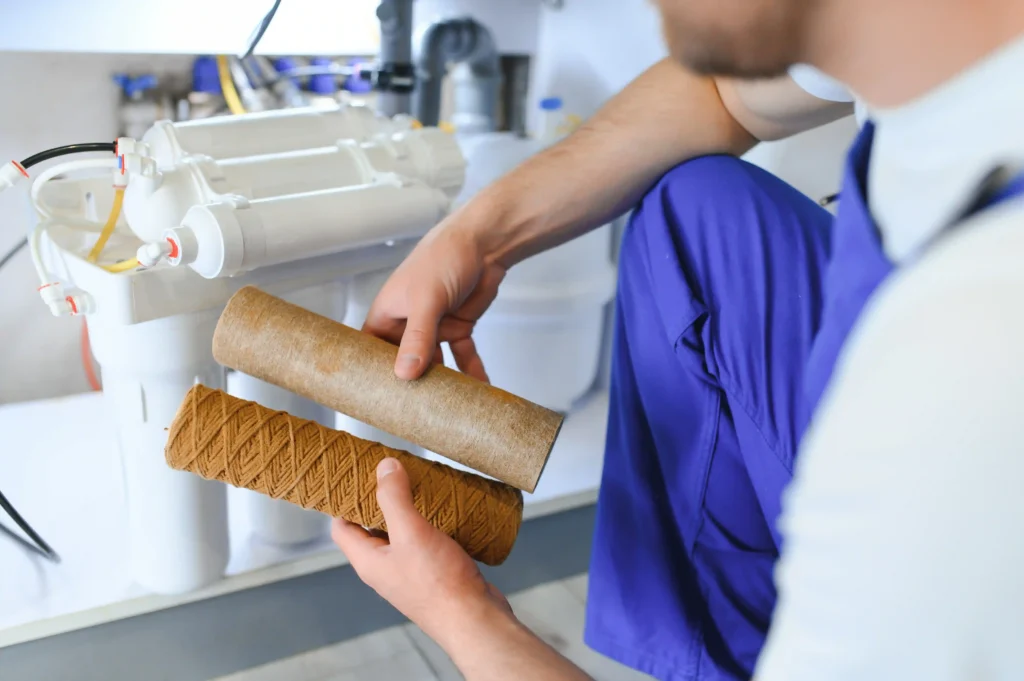
Simple Steps for a Smooth System: Essential Maintenance Tips
Keeping your water filtration system humming along isn’t rocket science.
- Regular Cleaning: Periodically clean sediment pre-filters and filter housings.
- Adhere to Manufacturer Guidelines: Your manual provides specific replacement schedules and maintenance instructions.
- Monitor Water Pressure and Usage: A significant drop in pressure or flow could indicate clogged filters. This proactive approach detects issues
before they become major problems.
When Things Go Sideways: Common Issues & Quick Fixes
Even the best systems can have a hiccup. Most common water filtration system problems have straightforward solutions.
- Reduced Water Flow:
- Cause: Clogged filter cartridge or kinked tubing .
- Fix: Replace filter or straighten tubing .
- Leaks Around the Filter Housing:
- Cause: Loose connections or worn-out O-rings .
- Fix: Tighten connections, replace and lubricate O-rings, use plumber’s tape .
- Unpleasant Odours or Taste:
- Cause: Expired or ineffective filter cartridges .
- Fix: Flush system, replace cartridge .
- Noises During Operation (gurgling, rattling):
- Cause: Trapped air or poor installation .
- Fix: Disassemble/reassemble carefully, bleed the system .
The commonality of these issues and their relatively simple fixes empowers homeowners to troubleshoot minor problems themselves, reducing reliance on professional call-outs.
Your Home, Your Oasis: Embracing Filtered Water
So, there you have it, folks! From the vibrant streets of Kenmore to the serene landscapes of Pinjarra Hills, embracing a quality water filtration system installation isn’t just about cleaner water; it’s about transforming your home into a healthier, more sustainable, and undeniably more luxurious oasis. We’ve journeyed through the nuances of Aussie water quality, explored the diverse world of filters, demystified the water filtration system installation process, and even peeked behind the curtain at the costs and long-term value.
Remember, this isn’t just a purchase; it’s an investment in your family’s health, your home’s longevity, and your commitment to a greener future. It’s about sipping smarter, living better, and enjoying the pure, refreshing difference every single day.
Ready to transform your home’s water? Explore options, get a water quality test, consult a local expert for a professional water filtration system installation quote, and start your journey to cleaner, clearer water today! Your future self (and your appliances) will thank you.
Frequently Asked Questions (FAQs)
What are the main types of water filters for homes in Australia?
Whole-house systems, under-sink units, reverse osmosis (RO), UV filters, and activated carbon filters are popular choices.
How often should I change my water filter cartridges?
Generally, every 6-12 months for most under-sink and whole-house carbon filters; RO membranes 1-2 years.
Do I need a licensed plumber to install a water filter in Australia?
Replacing cartridges is often DIY, but connecting to the main water supply line requires a qualified, licensed plumber.
What are the typical costs for a whole house water filter installation in Brisbane/Perth?
Systems range from $1,000-$4,000, with installation adding $250-$900, plus potential extras like electrical work.